ChatGPT
 Perplexity
 Claude
 Grok
Grok Google AI Mode
Key findings:
• The median popup that asks for an email or phone number converts 0.83% of its displays into a lead; the top 10% convert 3.87% or more (3,034 popups, January 2024 to September 2026) — Popupsmart 2026 Benchmark Report
• On mobile the median popup converts 1.02% of its displays vs. 0.57% on desktop, and 63% of popup displays happen on mobile — Popupsmart 2026 Benchmark Report
• Exit-intent popups with countdown timers reach 14.41% conversion — Envive AI
• Two-step promotional popups hit an 11.9% conversion rate — Rejoiner
What Is the Average Popup Conversion Rate in 2026?
Popup conversion rates vary widely based on who's measuring and what counts as a "conversion." In Popupsmart's 2026 benchmark, a conversion is a submission that contains an email address or phone number, divided by popup displays. Across the 3,034 popups we power that ask for one (January 2024 to September 2026, each with at least 1,000 displays), the median converts 0.83%, the top quarter 1.96% or more and the top 10% 3.87% or more. The median popup records a click on 2.25% of its displays, but a click isn't a lead: a coupon reveal or a spin counts as a click and never gives you an address.
Other studies put the figure higher, because they count differently. Omnisend reports 2.1% across 1.24 billion email popup displays in 2025, Gill Andrews puts the average popup form between 1.95% and 2.9%, and Picreel's analysis reaches 11.09%. None of these is wrong, and none can be compared with another until you know what each one divides by.
What to do: Don't benchmark your popups against a single "average." Instead, compare against your own industry vertical and popup type. In our data the median popup on a blog page converts 0.23% of its displays, so 3% on an informational blog popup would be exceptional. A 3% rate on a cart popup? That's below the median cart or checkout popup (4.57%), so it needs work.
How Do Popup Conversion Rates Differ Across Industries?
Not all popups perform equally. Industry matters more than most marketers realize, because visitor intent and purchase readiness shift dramatically between verticals. A returning shopper on a fashion site is a different animal from a first-time visitor reading a media article.
The industry ranking in our data isn't the one most roundups repeat. Wisepops reports e-commerce leading at 6.88% and media at 3.70%. Among the popups we measured, the median lead-collecting popup in Finance & Insurance converts 2.22% of its displays and in Retail & E-commerce 0.79%. Each industry median rests on 27 to 206 campaigns, so most gaps in the table below are descriptive; the statistically reliable ones are Finance & Insurance over Software & Technology, and Health & Beauty over Healthcare & Medical.
| Industry | Median lead conversion rate | Lead-collecting campaigns |
|---|---|---|
| Finance & Insurance | 2.22% | 38 |
| Health & Beauty | 1.99% | 97 |
| Food & Beverage | 1.42% | 52 |
| Media, Entertainment & Gaming | 1.14% | 93 |
| Nonprofit & Public Sector | 1.03% | 27 |
| Fashion & Apparel | 0.88% | 97 |
| Education | 0.84% | 137 |
| Travel & Hospitality | 0.80% | 110 |
| Retail & E-commerce | 0.79% | 183 |
| Manufacturing, Energy & Logistics | 0.70% | 107 |
| Real Estate & Construction | 0.69% | 70 |
| Marketing & Agencies | 0.50% | 57 |
| Healthcare & Medical | 0.43% | 86 |
| Software & Technology | 0.39% | 206 |
Popup conversion rates by industry: leads with an email address or phone number ÷ popup displays, median campaign, January 2024 to September 2026. Source: Popupsmart 2026 benchmark.
For a broader perspective, the average website conversion rate in 2026 sits between 2% and 5% across most industries.
According to Martal Group, the median B2B website converts 2.9% of its visitors (Ruler Analytics data). A website rate is NOT comparable with a popup rate: the website divides by every visitor, the popup only by the people who saw it.
Set your baseline from your own industry row, then compare popups on the same page type. Software & Technology popups have the lowest median in our data (0.39%), so a SaaS popup at 1% is already well above the middle. Check Shopify conversion rate benchmarks if you're running a Shopify store specifically.
What Makes Cart Abandonment Popups So Effective?
Cart abandonment popups consistently outperform every other popup type. According to Envive AI's conversion lift research, cart abandonment popups achieve a 17.12% average conversion rate, with top performers reaching 42.35%.
The reason is timing and intent. Someone who added items to their cart already demonstrated purchase intent. They're one friction point away from buying. An exit-intent popup that appears right as they move toward the browser tab catches them at peak decision tension.
We've seen this play out with Popupsmart clients. One e-commerce brand, Sefa Stone, used a cart abandonment popup paired with a "get directions to showroom" button, so visitors who weren't ready to buy online still had a next step: contact the team or visit the showroom.
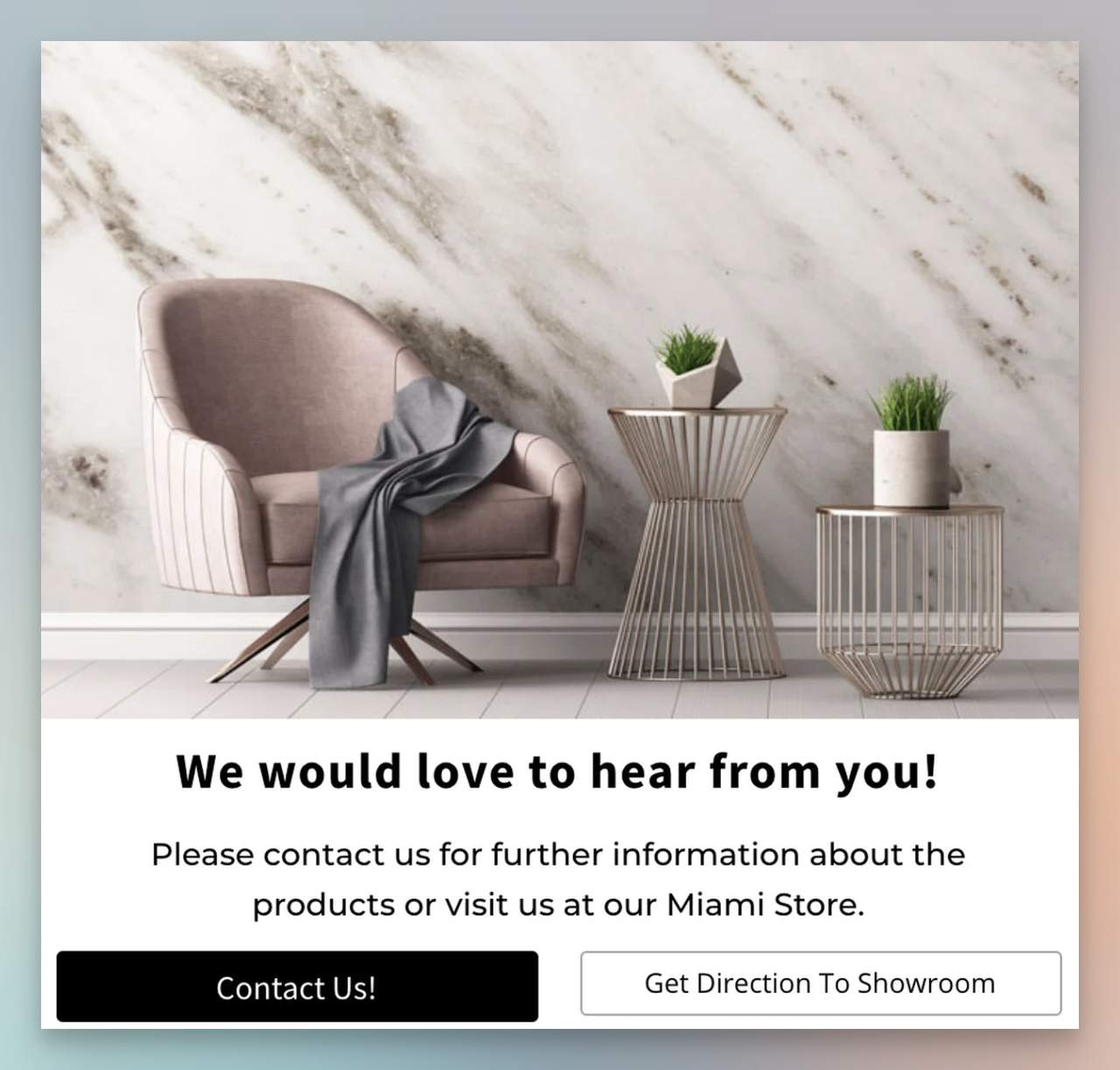
For more cart abandonment popup examples, we've compiled 15 designs that recovered lost sales across different industries.
Pro tip: Set up exit-intent targeting on your cart and checkout pages. Offer something tangible: free shipping, a time-limited discount, or a reminder of what's in their cart. According to cart abandonment statistics for 2026, over 70% of online shoppers leave without purchasing, so even a small recovery percentage translates to significant revenue.
Do Mobile Popups Convert Better Than Desktop?
Yes, and the gap is bigger than most people expect. In Popupsmart's 2026 benchmark, mobile visitors convert on popups at 1.02% against 0.57% on desktop, and click at 2.99% against 1.34% (median campaign). Mobile also carries the volume: 63% of popup displays happen on mobile. Getsitecontrol's earlier study of over 200 of its users' popups found the same direction, at 6.57% of visitors on mobile against 3.77% on desktop.
The likely explanation: mobile screens force simplicity. A popup on a phone takes up the full viewport, demanding a decision. Desktop users can more easily ignore or scroll past a popup that only covers part of the screen.
But there's a catch. Google penalizes intrusive mobile interstitials, so your mobile popup strategy needs finesse. For guidance on staying within Google's guidelines while still converting, read our mobile vs. desktop popup behavior analysis.
What to do: Design mobile-first popups that are easy to close (large X button, swipe-to-dismiss). Use Popupsmart's exit-intent targeting adapted for touch devices. Test full-screen takeovers against bottom-bar popups on mobile to find what your audience responds to.
What Popup Triggers Produce the Highest Conversion Rates?
The trigger mechanism matters as much as the offer itself. Getting the timing wrong turns a potential conversion into an annoyed bounce.
Exit-Intent Triggers
Exit-intent popups with countdown timers achieve a 14.41% conversion rate, according to Envive AI. Adding urgency to the moment a visitor is about to leave creates a psychological push that static popups can't match.
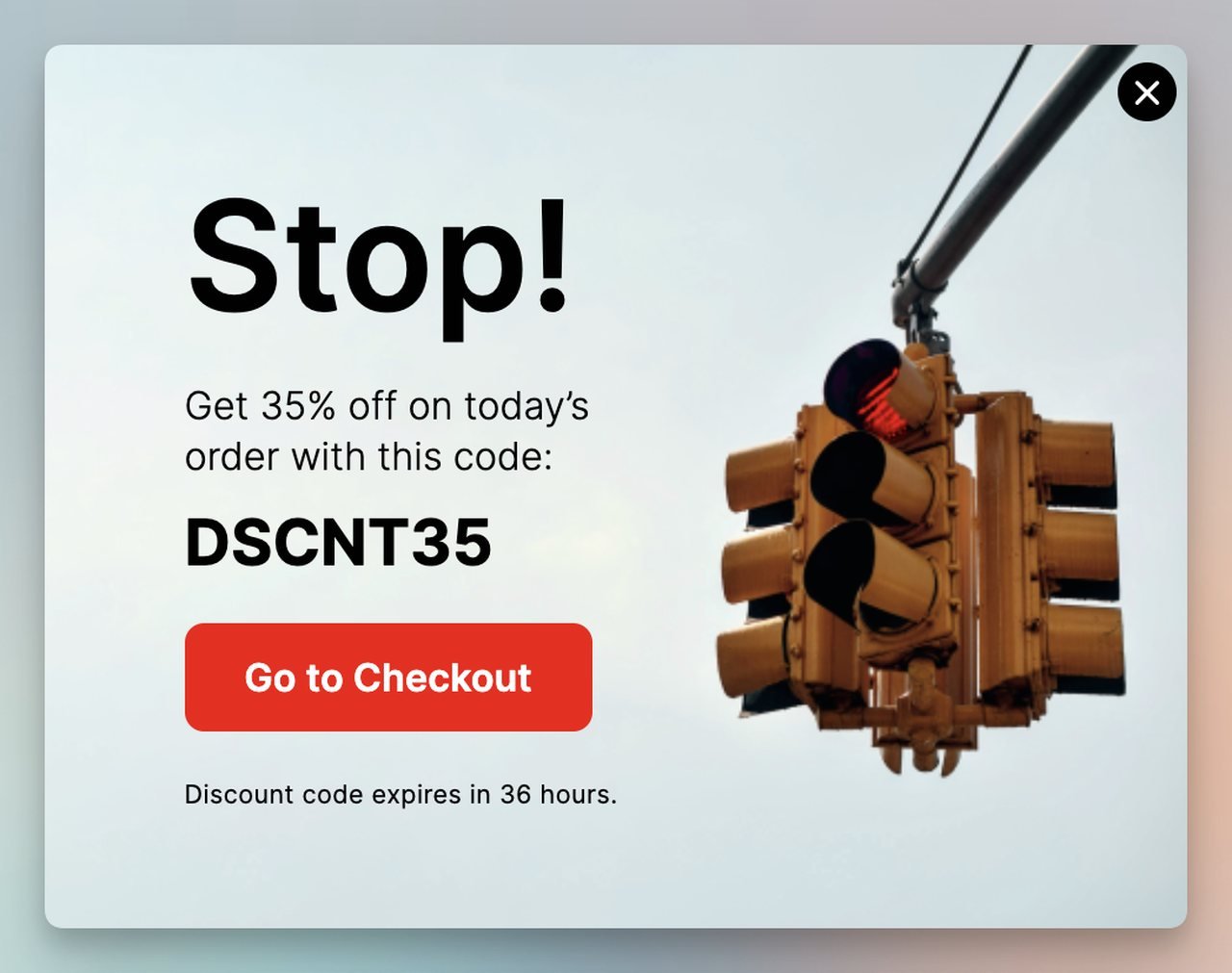
What to do: Combine exit-intent detection with a countdown timer showing 10-15 minutes of remaining offer validity. This taps into loss aversion without feeling manipulative if the offer is genuine.
Multi-Step Popups
According to Rejoiner's email capture research, two-step promotional popups (a pre-step followed by the main form) achieve an 11.9% conversion rate with a 3.8% engagement rate. Three-step sequences get higher initial engagement at 11.3% but convert slightly lower at 8.27%. Rejoiner counts a sale as the conversion, so these are not lead rates. In Popupsmart's 2026 benchmark, multi-step popups show no measurable conversion advantage over single-step forms once step-1 clicks without contact details are excluded.
Tip: Start with a micro-commitment (a yes/no question or a simple choice) before asking for the email. This primes the visitor psychologically. Two steps generally outperform three for pure conversion rate.
Scroll-Based and Timed Triggers
Showing a popup after a visitor scrolls past 50% of the page or spends 30+ seconds on site filters out drive-by traffic. You're catching people who've already demonstrated interest by optimizing popup timing. In Popupsmart's 2026 benchmark, popups that wait before appearing convert 0.83% against 0.61% for popups shown the instant the page loads (median campaign); the direction holds in every year of data but the difference isn't statistically reliable, and the exact delay length (0–5 seconds vs 21–60 seconds) makes no measurable difference.
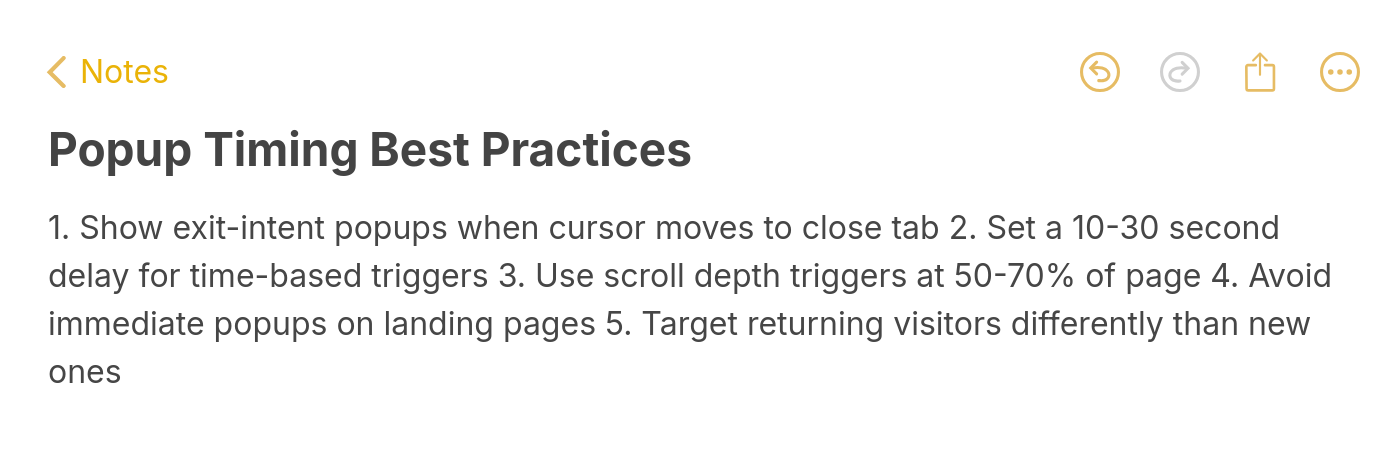
Best practices for popup display timing
What to do: Test scroll-depth triggers (40-60% of page) against time-delay triggers (15-30 seconds). The winner depends on your content length and visitor behavior patterns. If you only run one timing test, make it page load against any wait.
How Do Images and Design Affect Popup Conversions?
Popup design isn't just aesthetics. According to Luca Tagliaferro's analysis of popup trends, adding images to popups increases click-through rates by over 25%. The same research found that popups with images can increase email signups by 63%.
This makes sense from a cognitive processing standpoint. An image of the product, the ebook cover, or even a relevant lifestyle shot gives visitors a concrete visual of what they're getting. Text alone asks them to imagine value. An image shows it.
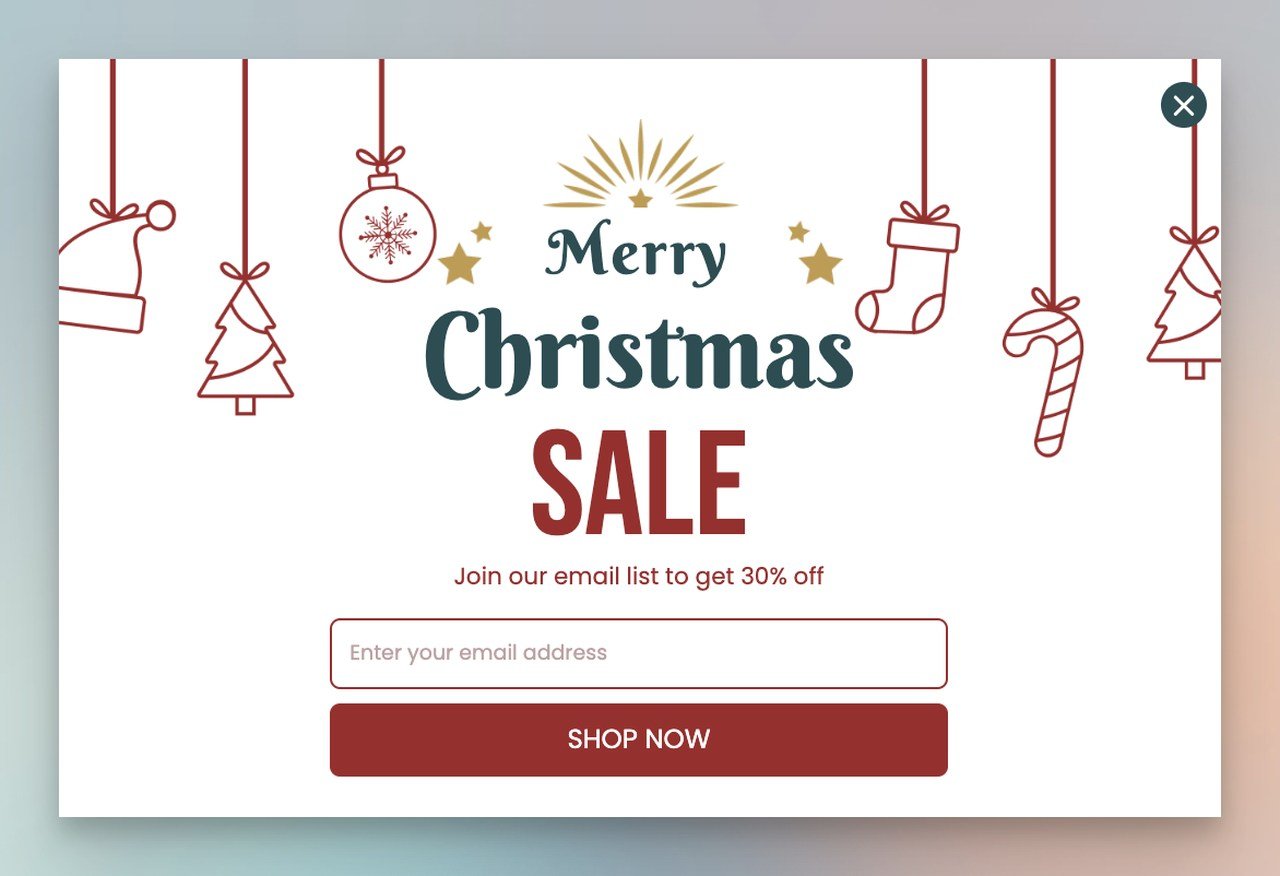
What to do: Include a product image or visual representation of your offer in every popup. For discount popups, show the product with the discounted price overlaid. For lead magnets, show a mockup of the PDF or guide.
12 Proven Tips to Increase Your Popup Conversion Rate
The statistics above tell you what's possible. These tips tell you how to get there. Where Popupsmart's 2026 benchmark measured a tip, I give you our number, and where the data only leans, I say so; the rest draw on broader digital marketing benchmarks.
1. Time Your Popups Based on Visitor Behavior
Don't show a popup the instant someone lands on your page. According to Martal Group's conversion research, a 1-second delay in page load time reduces conversions by 7%. Imagine what a full-screen popup before the page even renders does to bounce rates.
Instead, trigger popups based on engagement signals: scroll depth, time on page, or exit intent. How long you wait matters less than whether you wait at all: in our data the length of the delay made no measurable difference, so don't agonize over 10 seconds versus 30.
2. Write a CTA That Tells Visitors Exactly What They Get
"Submit" is not a CTA. Neither is "Click Here." Your button text should describe the specific value the visitor receives.
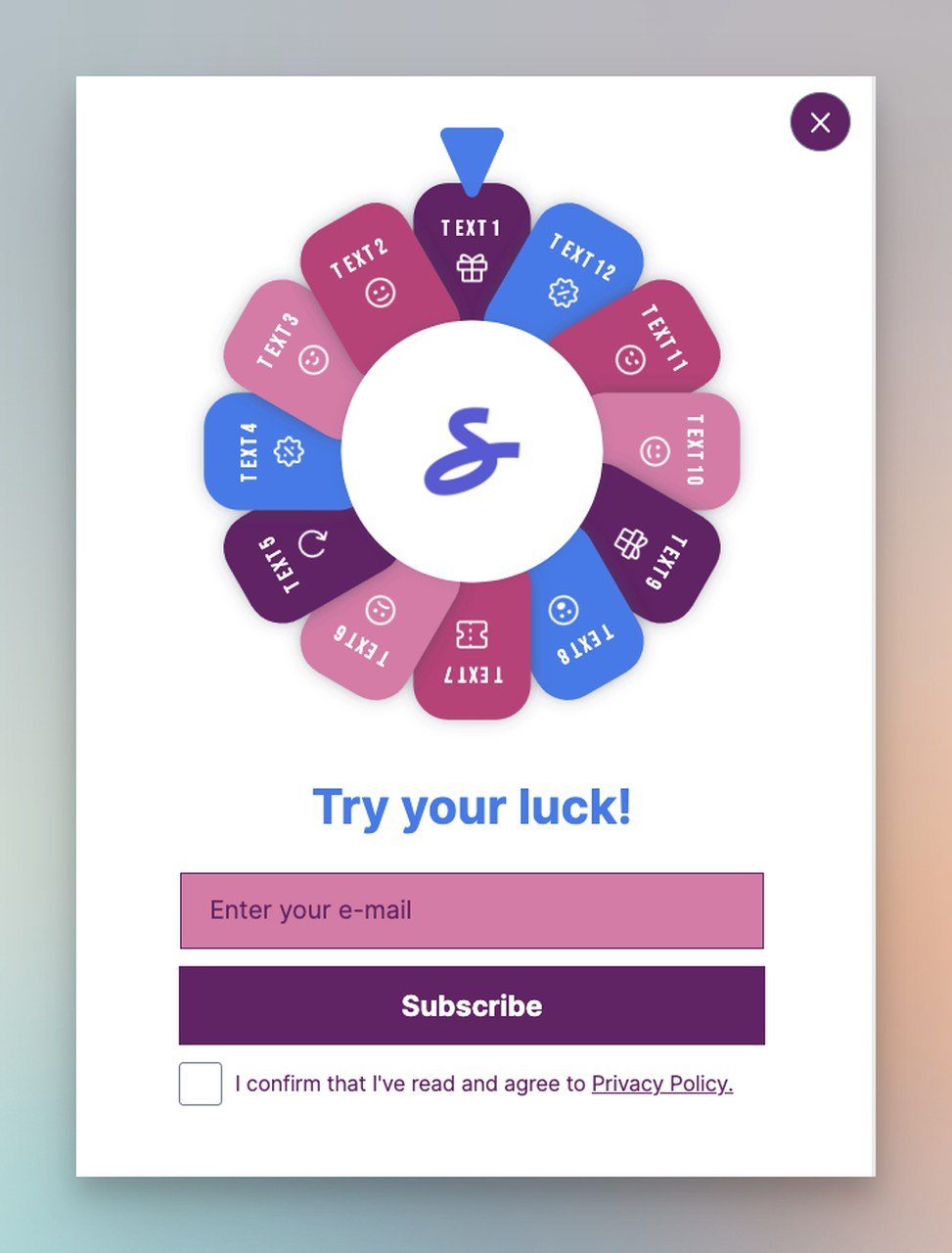
Swap "Subscribe" for "Get My 10% Discount" or "Download the Free Guide." Across the popups we power, first-person buttons ("Send my code") convert 1.18% of their displays against 0.80% for neutral wording (English popups, median campaign). Martal Group also cites HubSpot's finding that personalized CTAs convert 202% better than generic ones; that figure comes from CTAs on web pages, not popups, so read it as direction rather than a forecast.
3. Use Gamification to Raise Engagement
Wheel popups and spin-to-win mechanics tap into the same psychological drivers that make slot machines addictive. Envive AI's roundup puts gamified popups at a 13.23% conversion rate. Our own data adds a caveat: in Popupsmart's 2026 benchmark, spin-to-win and other gamified popups get far more clicks (7.33% vs 1.87% of displays, median campaign; the spin itself counts as a click) but do not collect measurably more email or phone leads than plain signup popups.
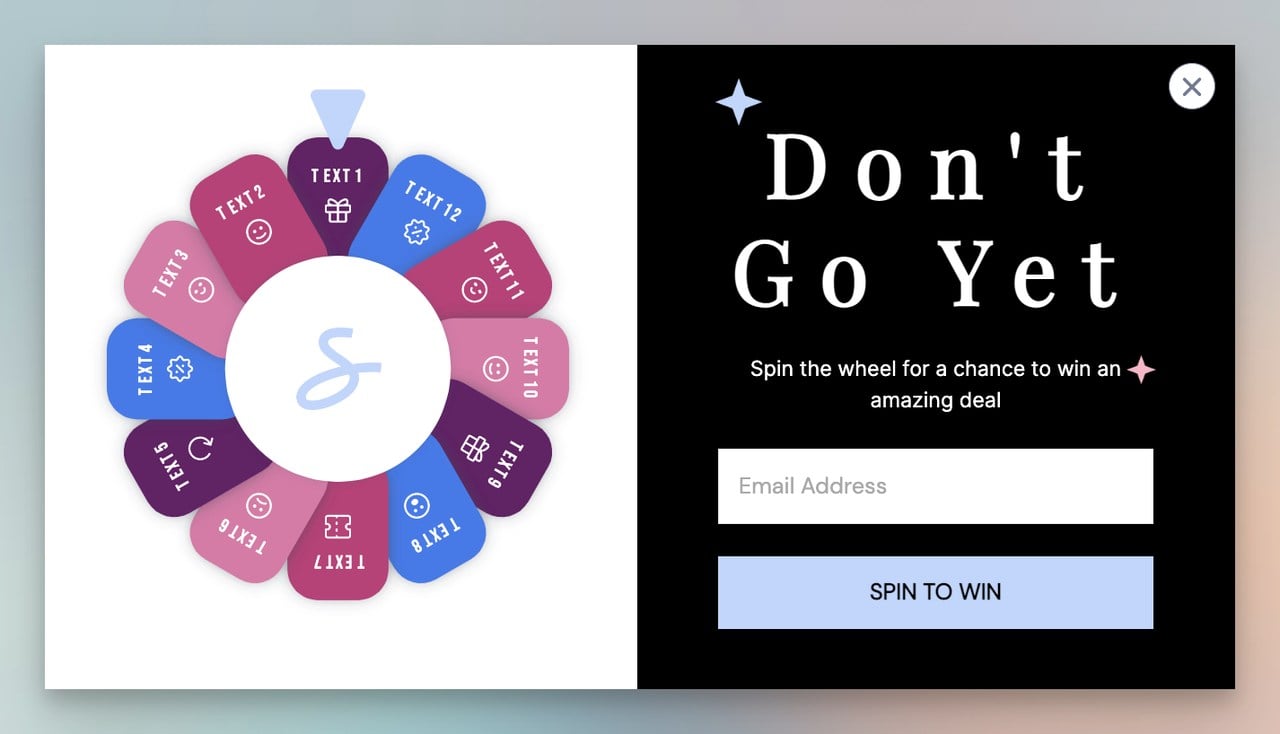
The fun factor lowers resistance. Visitors who spin a wheel feel like they "earned" their discount. Judge the wheel on leads, though, not spins.
4. Make Every Popup Mobile-Responsive
With most popup displays now happening on phones, getting mobile right isn't optional. But "mobile-responsive" doesn't mean shrinking a desktop popup to fit a phone screen.
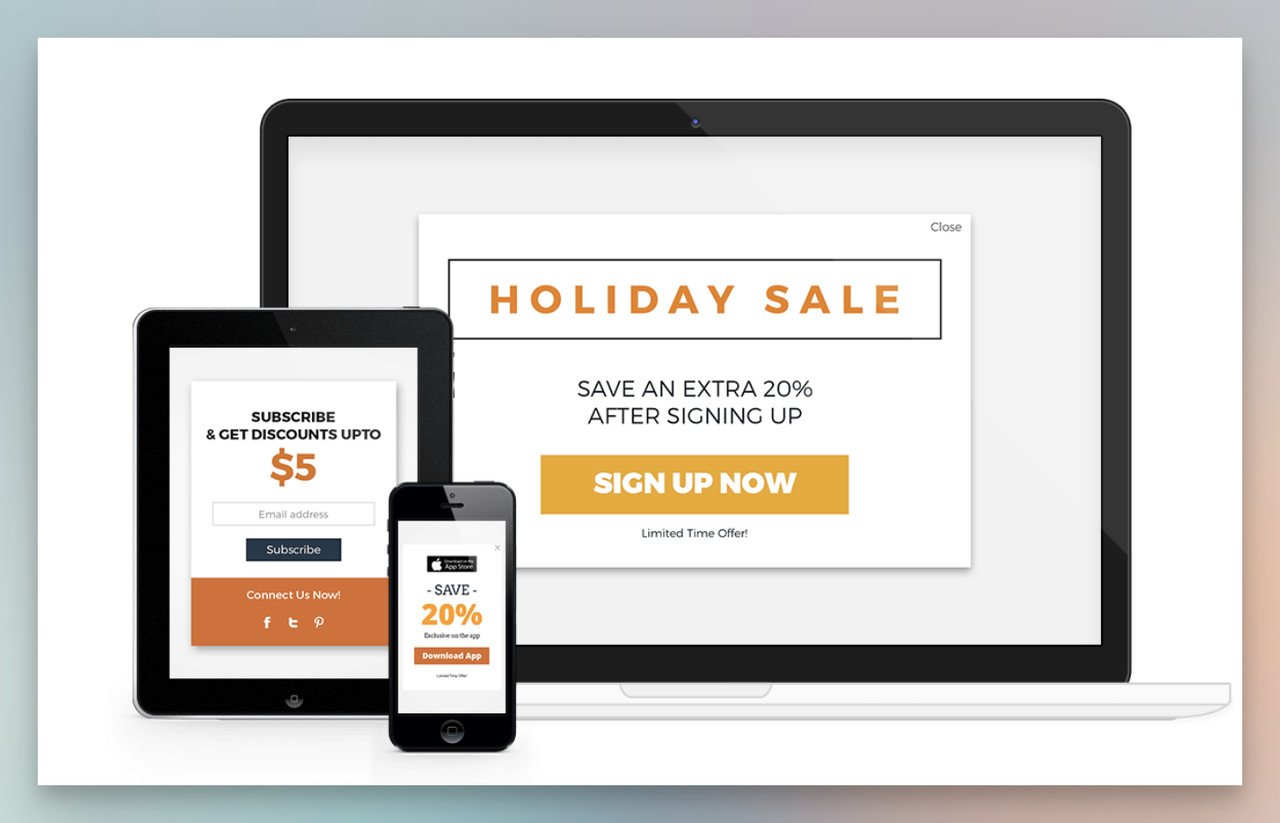
Design separate mobile experiences with larger tap targets, fewer form fields, and easy-to-reach close buttons. Test on actual devices, not just browser simulators.
5. Reduce Form Fields to the Minimum
Form length matters, up to a point. In Popupsmart's 2026 benchmark, popups asking for one or two fields convert 0.88% and 0.94% of their displays, against 0.56% for three fields (median campaign). Adding a name next to the email shows no reliable effect, and forms that ask for a phone number instead of an email look weakest (0.46%), though that gap isn't statistically reliable. For most use cases, an email address is all you need at the popup stage. Company, job title? Save those for later in the funnel.
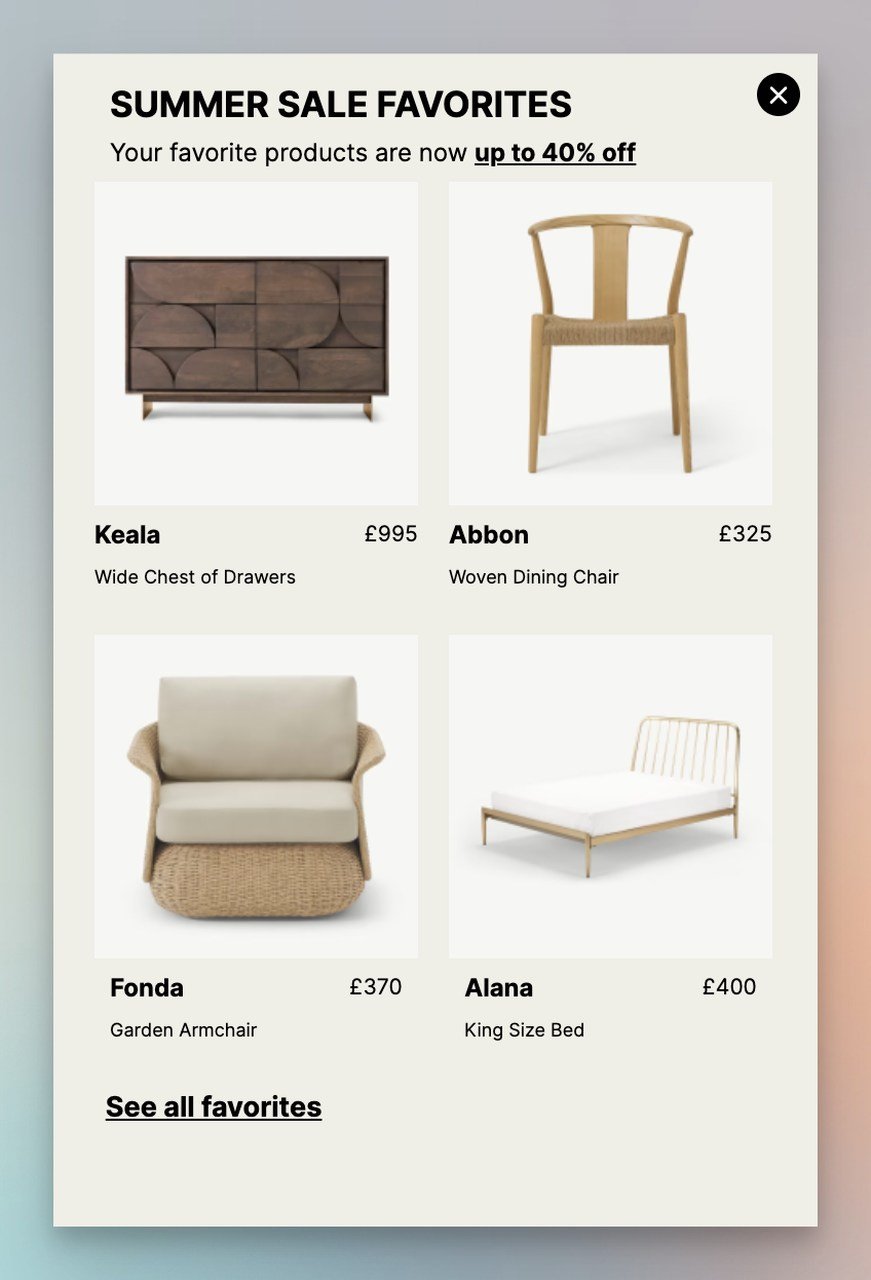
If you absolutely need more data, use progressive profiling: collect the email first, then ask follow-up questions in a welcome email or on a thank-you page. Check our guide on how to increase form conversion rates for more on this approach.
6. Don't Cover Content on Mobile
Google's violatesMobileInterstitialPolicy penalty is real. If your popup hides the main content on mobile before a user has had a chance to engage, you risk both a ranking hit and an instant bounce.
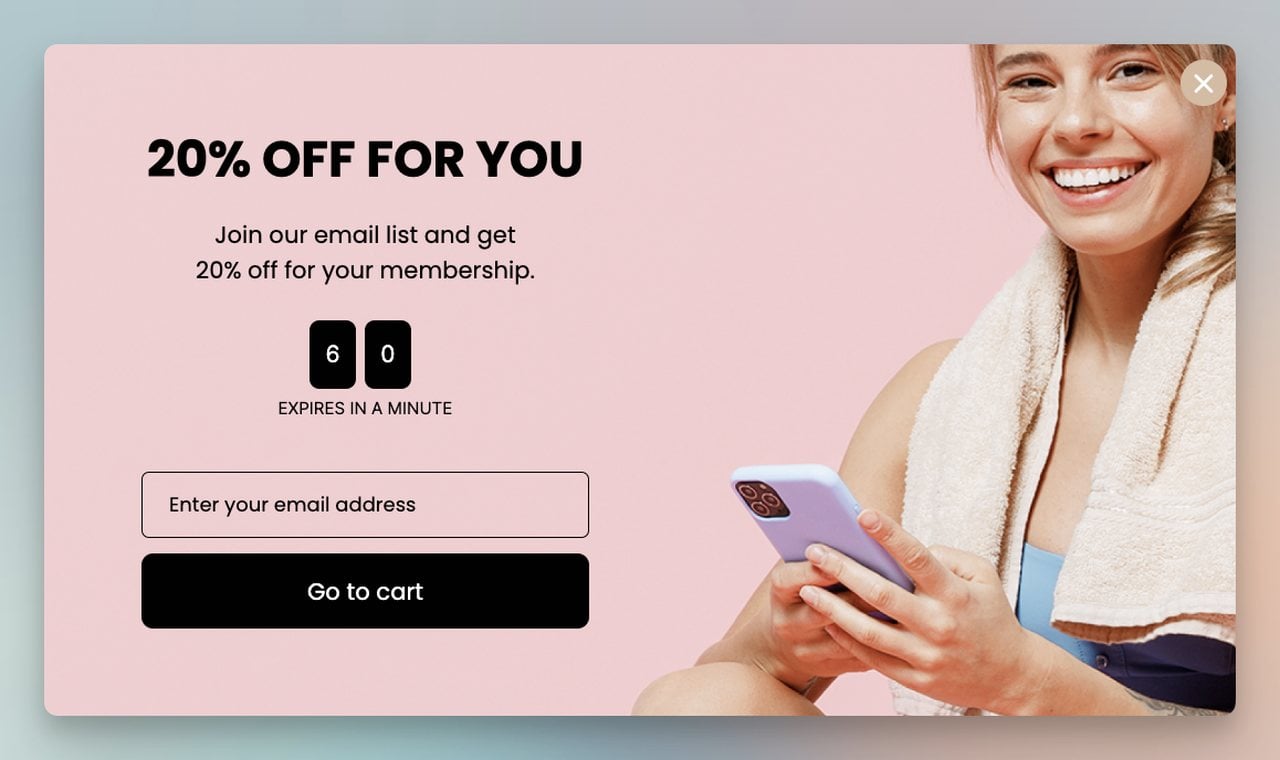
Use bottom bars, slide-ins, or delayed full-screen popups instead of immediate takeovers. Give visitors time to read at least a few paragraphs before showing anything.
7. Deploy Exit-Intent Technology on Key Pages
With most shoppers leaving without buying, exit-intent detection gives you one last shot. Place these popups on product pages, pricing pages, and checkout flows where the cost of losing a visitor is highest.
Cart recovery popups are the highest-impact application. Even recovering 5-10% of abandoning carts can mean thousands in monthly revenue for mid-size stores.
8. Segment Visitors and Personalize Offers
Showing the same popup to every visitor is leaving money on the table. A first-time visitor needs a different message than a returning customer who's viewed three product pages.
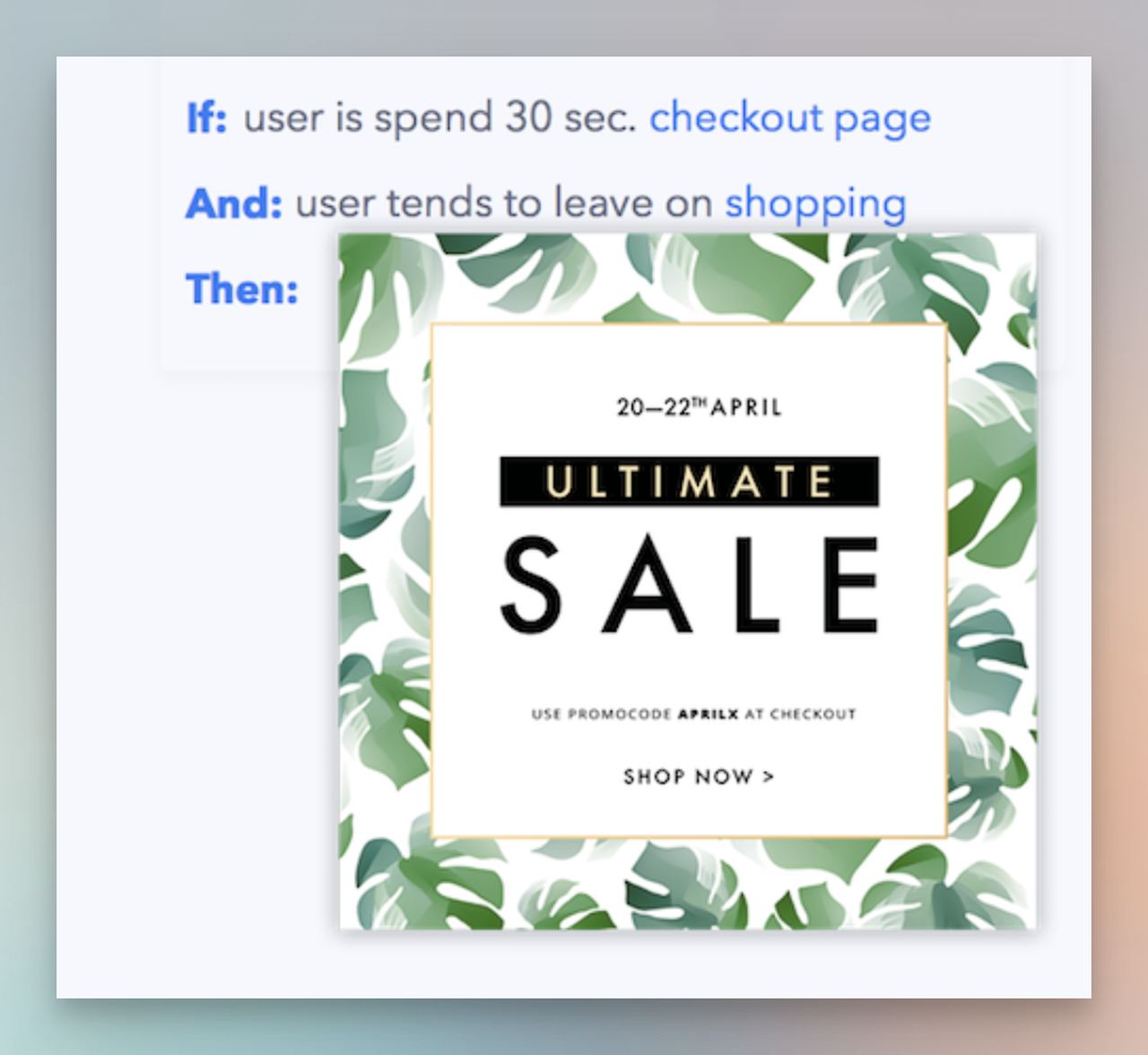
Popupsmart's targeting system lets you segment by page URL, referral source, visit count, and on-site behavior. A visitor from a Google search for "popup pricing" should see a different popup than someone browsing blog content.
9. Prioritize UX with Clear Close Options
Nothing damages trust faster than a popup that's hard to close. If visitors feel trapped, they'll leave your site entirely instead of just closing the popup. And they do reach for the close button: in Popupsmart's 2026 data, 40.5% of popup displays end with the visitor closing the popup (all displays pooled, February 2025 to September 2026), and 71% of visitors who close a popup do so within 5 seconds of it appearing.
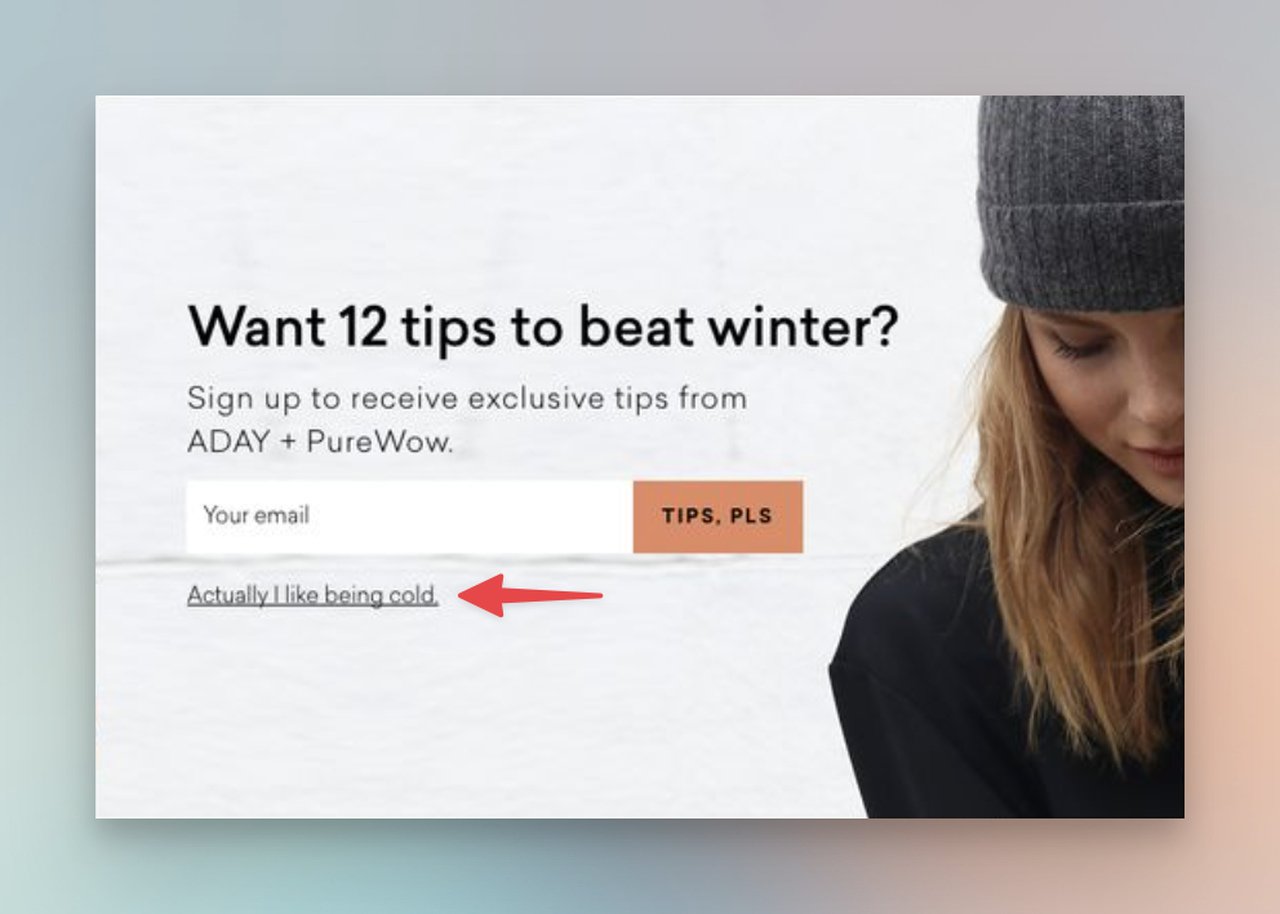
Include a visible X button and a text-based decline option like "No thanks, I'll pay full price." That gentle nudge often converts better than hiding the close button because it reframes the choice. Consider popup UX design best practices when building your layouts.
10. Recommend Products Based on Browsing History
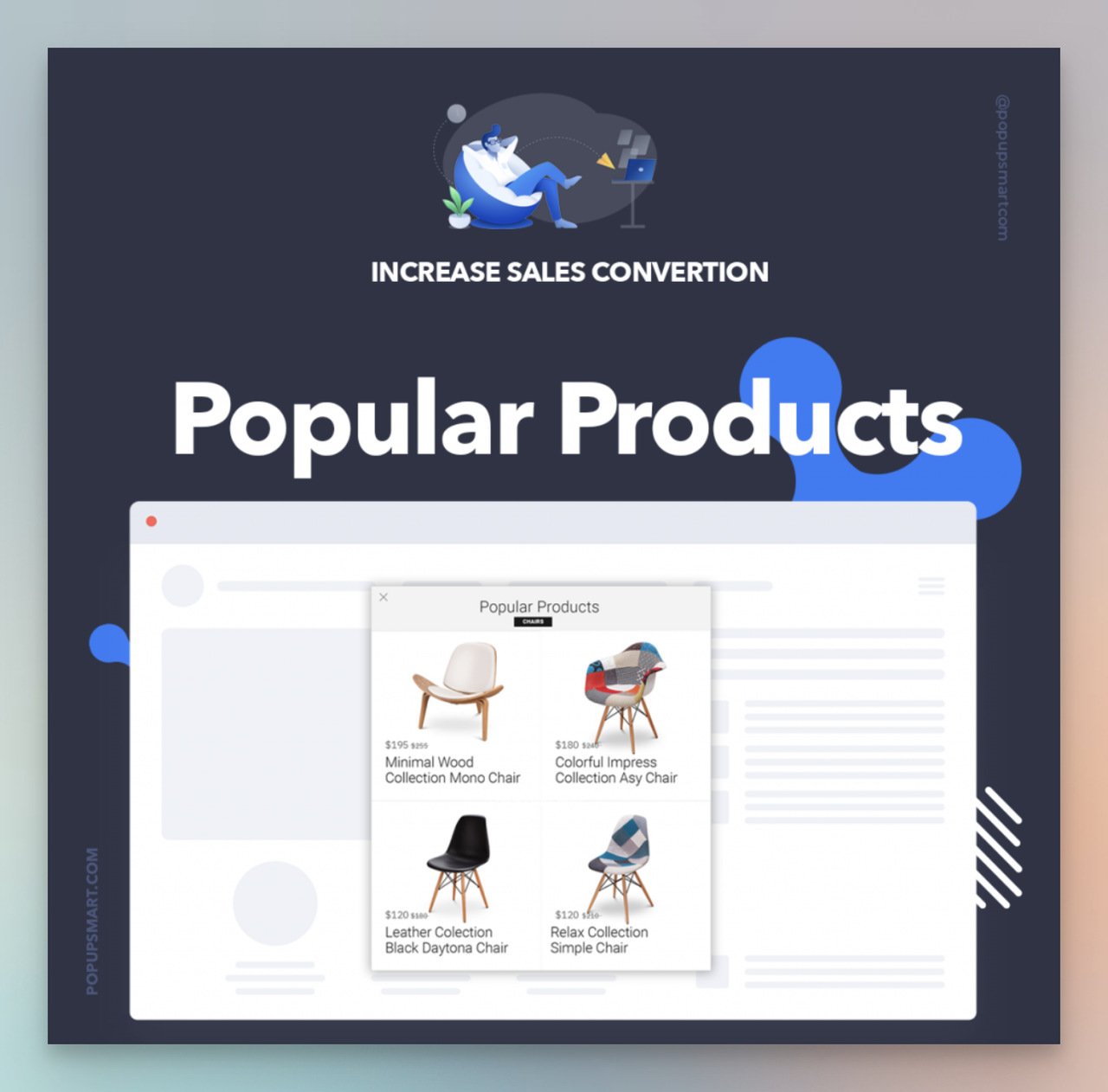
Product recommendation popups work because they feel helpful rather than interruptive. If someone browsed running shoes for three minutes, a popup showing "Customers who viewed this also bought these socks" adds value.
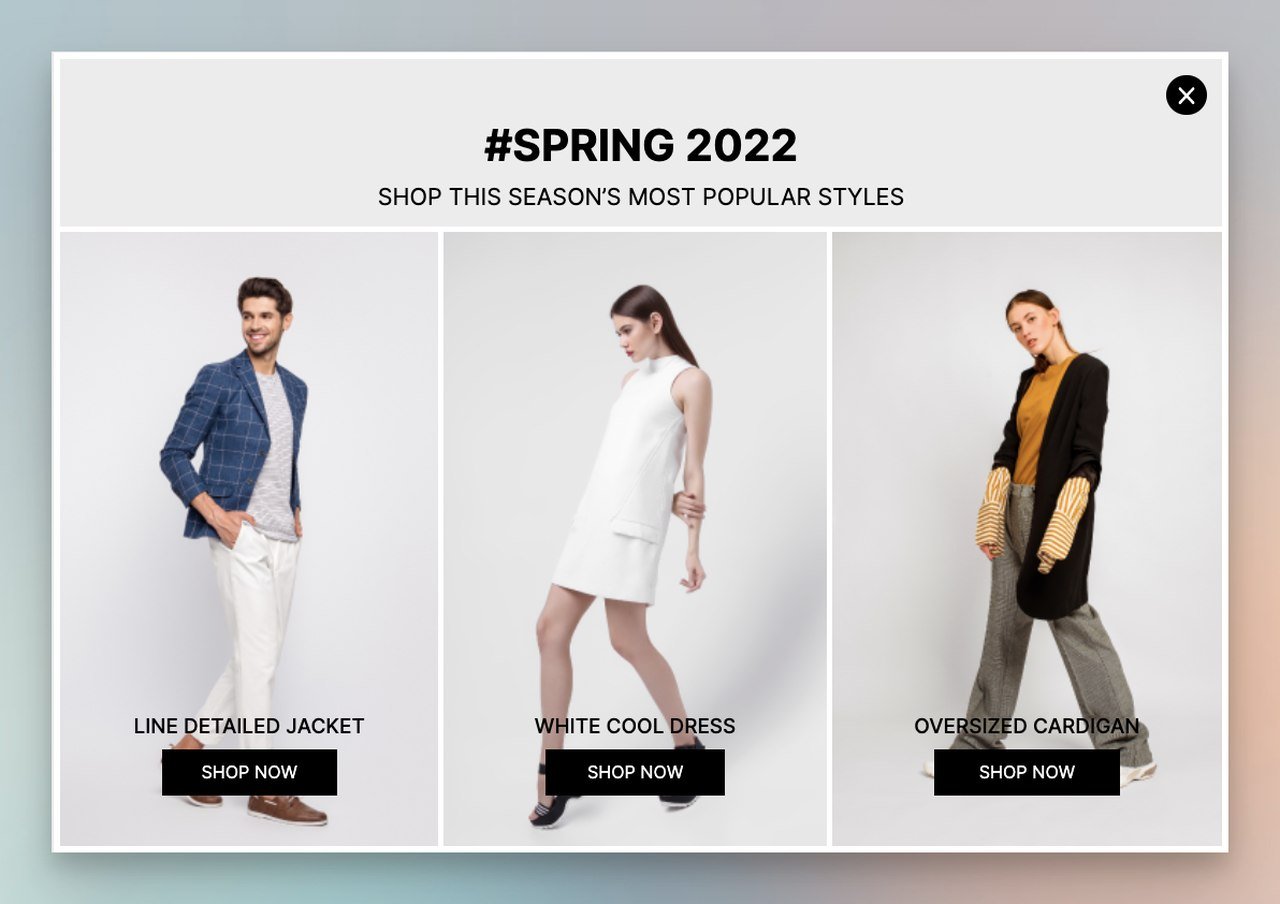
Cross-sell and upsell popups on checkout pages can raise average order value without feeling pushy, as long as the recommendations are relevant to what's already in the cart.
11. Use Urgency and Scarcity (Honestly)
Countdown timers and limited-stock warnings can work, but test them rather than assume a lift: in Popupsmart's 2026 benchmark, urgency words showed no measurable effect on conversion, though the data are too noisy to rule out modest effects. And fake urgency backfires. If your "24-hour sale" resets every day, visitors catch on and your brand takes the hit.
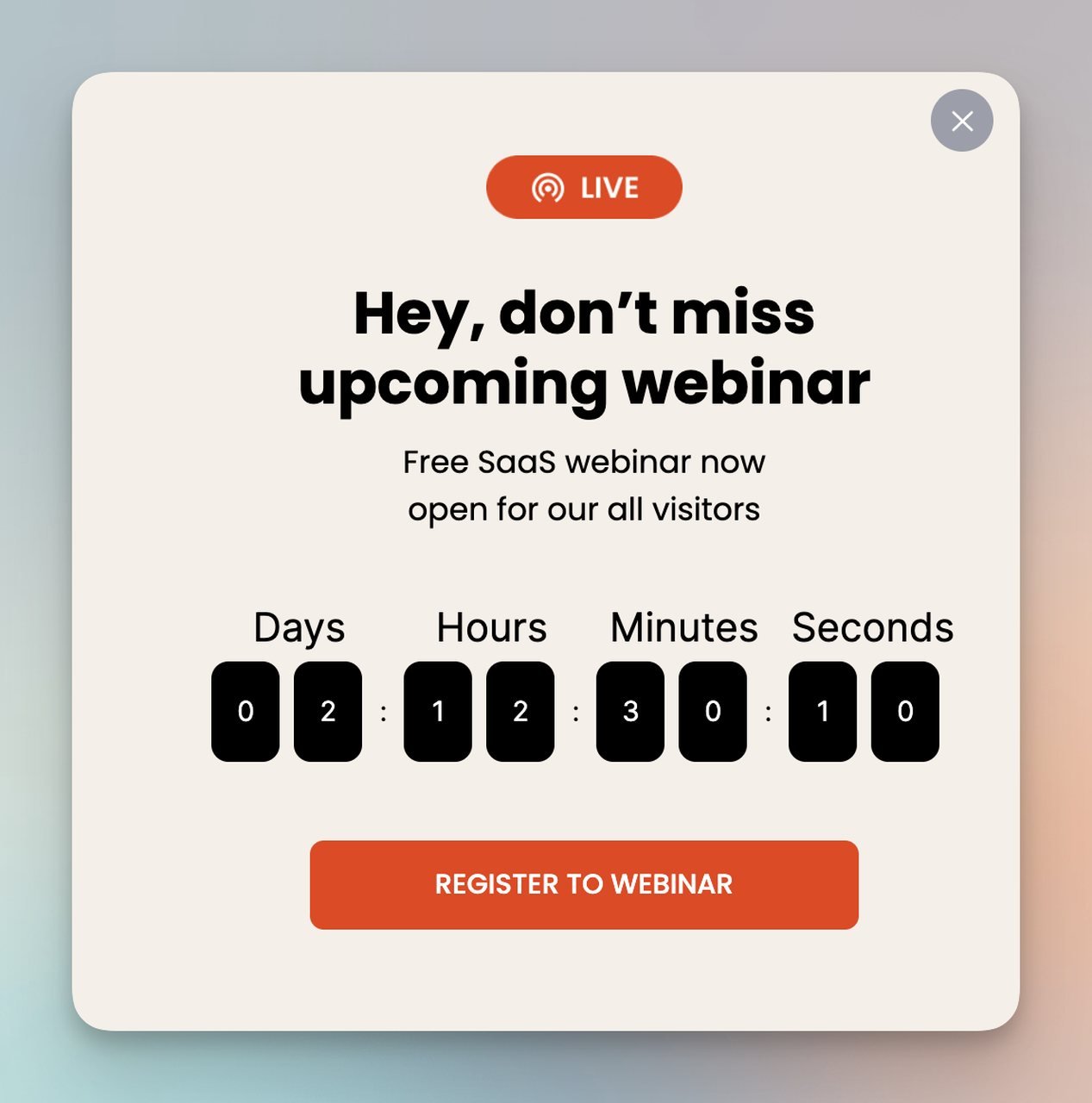
Use emotional trigger words paired with genuine deadlines. "Sale ends Sunday" is stronger than "Limited time offer" because it's specific and verifiable.
12. A/B Test Every Element
The difference between a median popup (0.83%) and a top-quarter one (1.96% or more) often comes down to details you'd never guess without popup A/B testing. Headline phrasing, button color, image choice, timing delay, offer amount. Each variable can shift results.
According to VWO's roundup of Adobe data, A/B testing is the second most popular method for improving conversion rates, after analytics. Run one variable at a time with a minimum 1,000 impressions per variant before drawing conclusions.
What Are Common Popup Mistakes That Kill Conversions?
Knowing what not to do is just as valuable as knowing best practices. These mistakes show up repeatedly in underperforming campaigns.
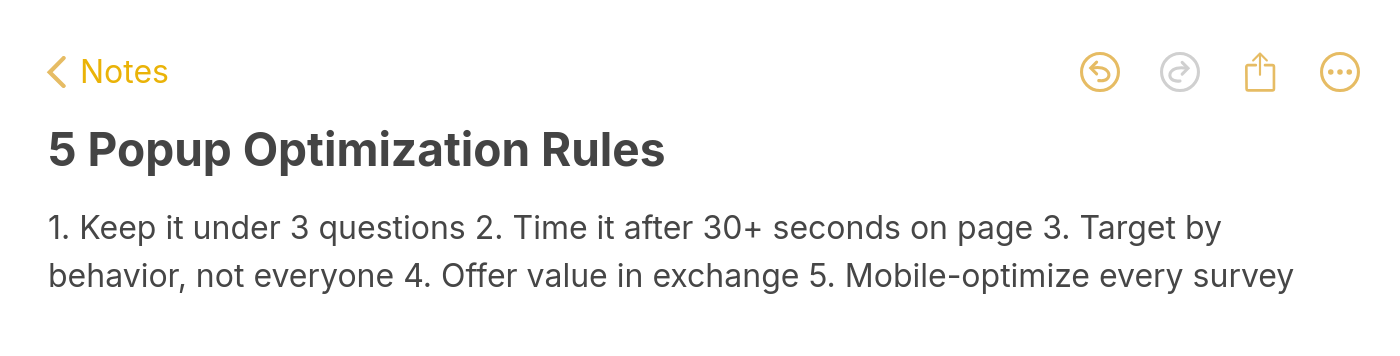
Five key popup optimization rules
- Showing popups immediately on page load. You haven't earned the visitor's attention yet. Wait for engagement signals first.
- Using the same popup for all visitors. Returning customers don't need a "welcome" discount. New visitors from paid ads have different intent than organic traffic. Segment.
- Asking for too much information. In our data, the drop comes at the third field. If you need more data, collect it later.
- Ignoring mobile design. A desktop popup shrunk to mobile dimensions is unusable. Build separate mobile layouts.
- Never testing. The popup you launched six months ago isn't optimized. Visitor expectations and competitors change. Test continuously.
Popup Conversion Statistics' Methodology and Sources
We pulled popup conversion statistics from twelve distinct sources for this piece: Popupsmart's own 2026 benchmark (28,674 campaigns from January 2024 to September 2026), Omnisend's email popup report, Flint's exit-intent statistics, Rejoiner's email capture research, Envive AI's conversion lift analysis, Luca Tagliaferro's popup trend data, Gill Andrews' study that goes beyond surface-level conversion rates, VWO's roundup of CRO statistics, Martal Group's conversion benchmarks, and the popup vendors' own figures from Getsitecontrol, Picreel and Wisepops, which we name without linking because they sell popup software.
Popupsmart's figures divide leads (submissions that contain an email address or phone number) by popup displays and report the median campaign, over popups with at least 1,000 displays and 14 active days. The 2025 edition of our benchmark divided by interactions and averaged per-campaign rates, so its figures aren't comparable with these and were removed from this post.
Where competitor-sourced data appeared, we applied a strict filter. Several widely cited popup statistics originate from competitor platforms. When those stats referenced third-party research, we traced back to the original source. When the data was proprietary to the competitor, we either cited it without linking or excluded it in favor of neutral sources. All conversion rate figures are from 2024-2026 data unless specifically noted otherwise.
Frequently Asked Questions
What is the average popup conversion rate?
There is no single average: published figures run from 2.1% (Omnisend, 1.24 billion email popup displays in 2025) to 11.09% (Picreel), because each study defines "conversion" differently (email submit vs. any click vs. form completion) and divides by something different. Popupsmart's 2026 benchmark counts only submissions that contain an email address or phone number, divided by popup displays: across 3,034 popups that ask for one (January 2024 to September 2026), the median converts 0.83% of its displays, the top 25% reach 1.96% and the top 10% reach 3.87%. For practical planning, set your baseline by page type: the median popup on cart and checkout pages converts 4.57%, against 1.07% on the home page.
How can I improve popup conversion rates?
Start with three changes the data supports. First, make an offer: in Popupsmart's 2026 benchmark, signup popups with a discount code convert 1.46% of their displays against 0.75% without one. Second, keep the form to one or two fields: they convert 0.88% and 0.94%, against 0.56% for three fields (median campaign). Third, don't fire on page load: popups that wait convert 0.83% against 0.61%, a lean rather than a proven gap, and the length of the wait made no measurable difference. Then personalize the offer to the page the visitor is on (HubSpot found personalized CTAs convert 202% better than generic ones, as compiled by Martal Group) and A/B test one element at a time: headline, image, CTA text, offer amount, and timing.
What are benchmarks for exit-intent popup conversions?
Published exit-intent figures range widely. Envive AI's roundup reports 17.12% for cart abandonment popups and 14.41% for exit-intent popups with countdown timers, while Flint reports 3.94% for exit-intent popups across more than one billion displays. In Popupsmart's 2026 benchmark, exit intent shows no statistically reliable advantage: popups on the most sensitive exit-intent setting converted 1.10% of their displays against 0.78% without exit intent (median campaign), a gap that could be chance. Treat exit intent as something to test, not a guaranteed lift.
Why do popups still convert so well?
Popups work because they interrupt passive browsing with an active decision point. Unlike banner ads or sidebar CTAs that blend into the page, a popup demands attention. The visitor has to make a choice: engage or close. That forced decision, when paired with a relevant offer at the right moment, converts far better than passive placement. The decision is also fast: in Popupsmart's 2026 benchmark, 61% of popup leads are submitted within 30 seconds of the popup appearing.
What changed in this post
Popupsmart's figures now come from the 2026 benchmark (January 2024 to September 2026, 28,674 campaigns, 499.6 million displays). A lead is a submission that contains an email address or phone number, divided by popup displays and reported as the median campaign; the 2025 benchmark this post quoted before divided by interactions and averaged per-campaign rates, so its figures were removed rather than restated. We also re-checked every third-party figure against its source: the mobile 6.57% vs 3.77% comparison is Getsitecontrol's, not Gill Andrews', the industry chart without a source became a table of our industry medians, and claims no source supports were cut. Emre Elbeyoğlu now signs the post, reviewed by Mert Özeren.
Initial publication.