Website Popups: Tips & Strategies that Work
Website popups help capture leads, highlight promotions, and engage visitors. At Popupsmart, we create behavior-driven popups that boost conversions and enhance user experience. Explore strategies, examples, and tips to make popups work for your business.







![Popup Surveys: 9 Examples to Collect Feedback [2026]](/images/664c5ba3e78443dd0ad4aaae_popup-survey.jpg)







Engage Visitors and Drive Results with Website Popups
Website popups are no longer just visual elements that appear on a screen, they're advanced engagement tools designed to interact with users at critical moments in their journey. When implemented strategically, they help businesses guide visitors toward meaningful actions without compromising user experience.
Over the past seven years, working alongside e-commerce brands, SaaS startups, and B2B companies, we've seen how simple yet well-timed popups can positively influence conversion rates, enhance user engagement, and support digital marketing campaigns without feeling intrusive.
The core idea is not to interrupt the visitor but to engage them right when they need guidance or incentive.
Whether the goal is to increase email subscriptions, recover abandoned carts, promote seasonal campaigns, or encourage purchases with limited-time offers, thoughtfully crafted popups become highly effective components of a broader CRO (conversion rate optimization) strategy.
Popups are most impactful when paired with behavioral insights. Businesses that incorporate behavioral triggers such as exit intent, scroll-based visibility, or time-on-page criteria into their popup strategies often achieve higher engagement.
For example, in projects where popups were adjusted based on visitor actions rather than static display rules, we observed up to a 20% improvement in conversions. When executed properly, popups are not perceived as distractions but as timely, relevant support elements in the buying process.
Why Website Popups Make a Difference
Many businesses initially hesitate to use popups due to the perception that they disrupt browsing. However, modern popups, when designed around user intent, contribute significantly to performance. They can highlight exclusive promotions, display product recommendations, capture email addresses, suggest additional resources, and assist visitors in making decisions faster.
Timing plays a critical role. A popup displayed too early may feel aggressive, while one shown too late may lose relevance. In our optimization tests, delaying popup triggers beyond the first few seconds to allow initial browsing reduced bounce rates and improved opt-in rates.
In some cases, strategic popup use increased email sign-ups by up to 200%, while exit-intent campaigns recovered 15–20% of potential abandoned carts. These results highlight the power of well-structured popups within a conversion-driven digital ecosystem.
Rather than treating popups as isolated elements, leading brands integrate them into their digital strategy. Whether incorporated into content marketing workflows, email nurturing funnels, or seasonal promotion planning, popups consistently contribute to user activation and retention when aligned with wider marketing efforts.
In a digital landscape where users have an average attention span of 8 seconds, website popups offer a unique opportunity to deliver the right message exactly when users are most receptive.
According to industry benchmarks, optimized popups can increase onsite engagement by up to 3x, especially when combined with behavioral targeting and clean UX. Rather than interrupting the browsing journey, popups enhance it when they're contextual and value-driven.
One of the most common misconceptions is that popups negatively impact user experience. In reality, businesses that apply timing control, segmentation, and relevance-based targeting see over 30% higher conversion rates compared to those using generic or too early popups. This proves that effectiveness is not about using popups, it's about using them strategically.
Types of Popups Businesses Use Effectively
Different popup formats serve different objectives, and choosing the right approach based on intent is essential for performance. Some commonly used and high-performing examples include:
- Exit-Intent Popups: Triggered when users attempt to leave the page. Ideal for recovering cart abandonments or capturing leads with incentives like discount codes or resource downloads.
- Timed Popups: Designed to appear after visitors spend a predetermined time on a page, these prompt users once they've absorbed enough content to consider taking action.
- Scroll-Triggered Popups: Activated after a user scrolls through a certain percentage of the page, making the message contextually aligned with user interest.
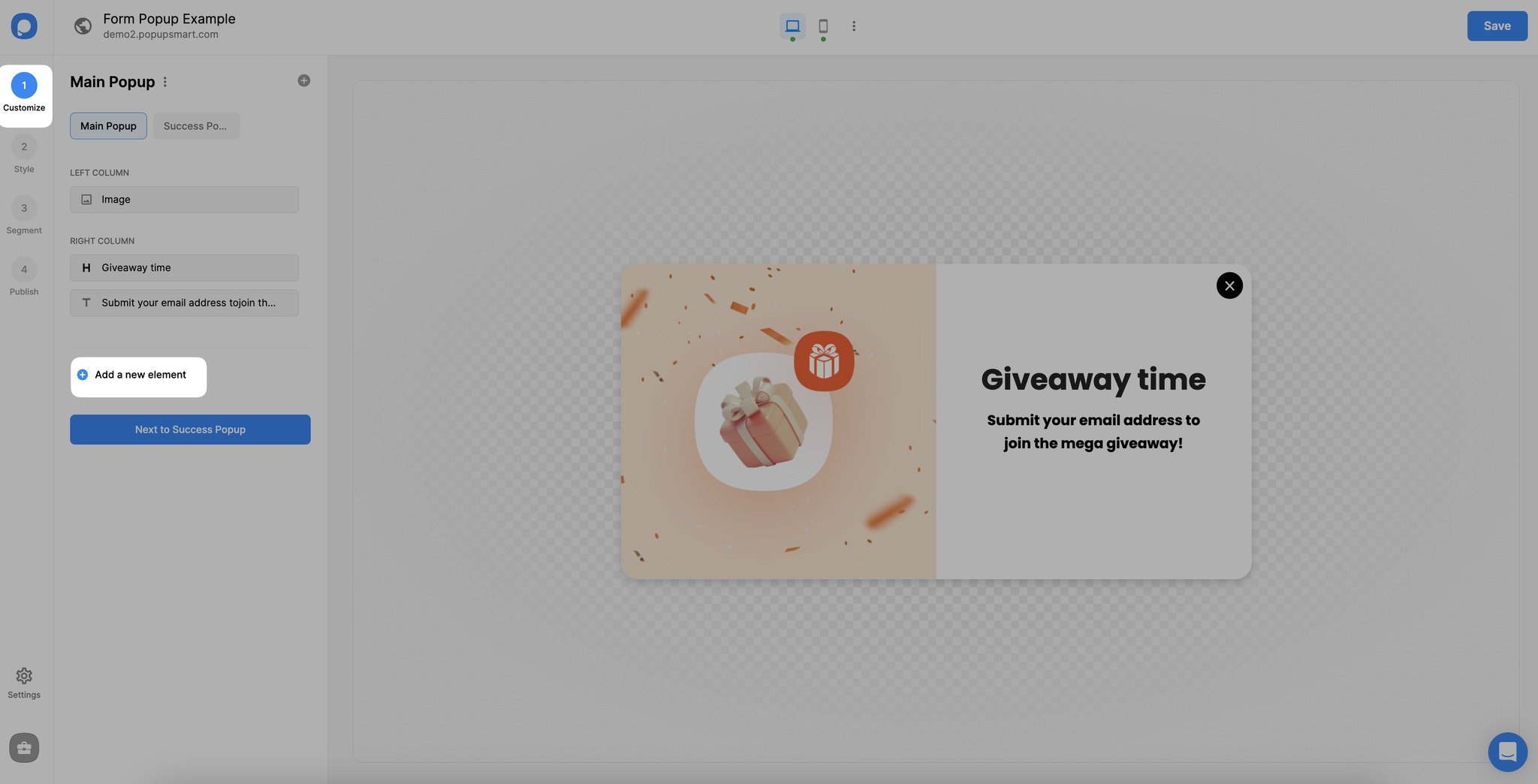
- Lead Capture Popups: Simple forms used to obtain email addresses or phone numbers in exchange for valuable offers, trials, or access to gated content.
- Multi-Step Popups: Often used for quizzes, segmentation, or progressive profiling, helping marketers gather detailed information without overwhelming the visitor.
Many of the companies we work with implement Popupsmart's ready-to-use templates to launch exit-intent and scroll-triggered popups in just minutes. Rather than starting from scratch, they leverage data-backed design presets tested across thousands of campaigns, helping reduce setup efforts while maintaining conversion-focused layout standards.
Businesses can apply any of these formats and complement them with personalized messaging, behavioral triggers, or segmentation rules. This ensures users encounter messages that align with their browsing journey, rather than generic notifications.
Beyond these core popup types, businesses increasingly leverage gamified popups, spin-to-win formats, interactive micro-surveys, and A/B-tested templates to improve engagement rates. For example, one e-commerce brand achieved a 42% increase in email capture rate after replacing a static discount popup with a dynamic spin-to-win gamified experience.
When combined with advanced targeting (such as showing a discount popup only to first-time visitors with high intent), popup conversion rates can outperform traditional lead capture methods by a significant margin.
Designing Popups That Convert Without Disrupting
The best-performing popups combine visual clarity with strategic intent. While aesthetics matter, the focus must be on relevance and ease of interaction.
Using Popupsmart's built-in A/B testing and conversion analytics, users can optimize CTA wording, layout structure, and timing based on real performance data, not assumptions.
Considerations we consistently apply when optimizing campaigns include:
- A simple, action-driven CTA that clearly communicates value
- Clear structure and minimal distractions
- Easy dismissal or exit option for enhanced user control
- Mobile-responsive layouts
- Behavioral targeting over timed popups alone
Even minor refinements, such as rewiring the CTA from "Subscribe Now" to "Send Me Expert Tips" or converting static forms into two-step popups, can significantly impact conversion. In A/B tests conducted across multiple industries, scroll-triggered popups with personalized CTAs have helped increase lead capture by an average of 25%.
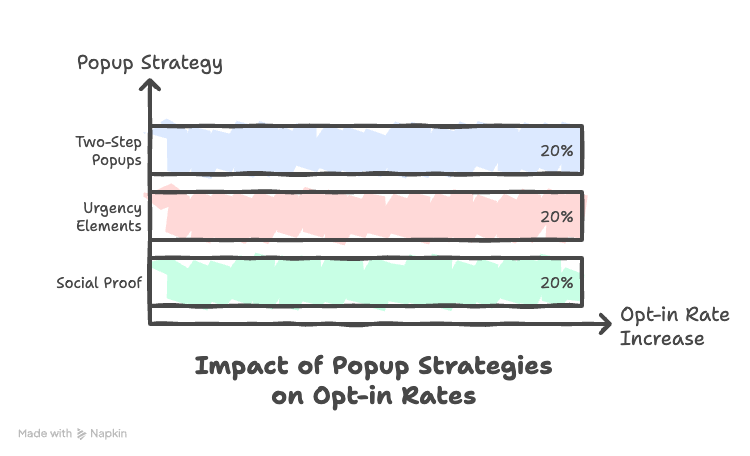
Data shows that adding two-step popups, where users click an initial call-to-action before completing the form, can reduce friction and increase opt-in rates by 18–22%. Additionally, incorporating urgency elements ("Limited-time offer") or social proof ("Over 10,000 users already subscribed") can boost CTA conversion performance.
Small iterative improvements, like shortening form fields, using mobile-friendly layouts, or implementing soft overlay backgrounds, result in measurable conversion gains.
Website Popups for Lead Generation
Popups are particularly effective in lead generation campaigns. By attaching value to the interaction, such as free trial access, downloadable content, insider updates, or one-time discount codes, visitors are more willing to exchange their information.
Best practices based on real-world implementations include:
- Personalizing content based on browsing activity, item added to cart, or referral source.
- Using 'micro-commitment' steps for improved engagement.
- Leveraging gated content and downloadable assets for B2B or educational segments.
- Synchronizing popup-generated emails with email automation tools to trigger instant nurturing.
Campaigns structured this way allow marketing teams to convert visitor submissions into email sequences, retargeting workflows, or CRM follow-ups. Businesses benefit not only from increased lead volume but also from higher lead relevance due to user intent at the moment of popup interaction.
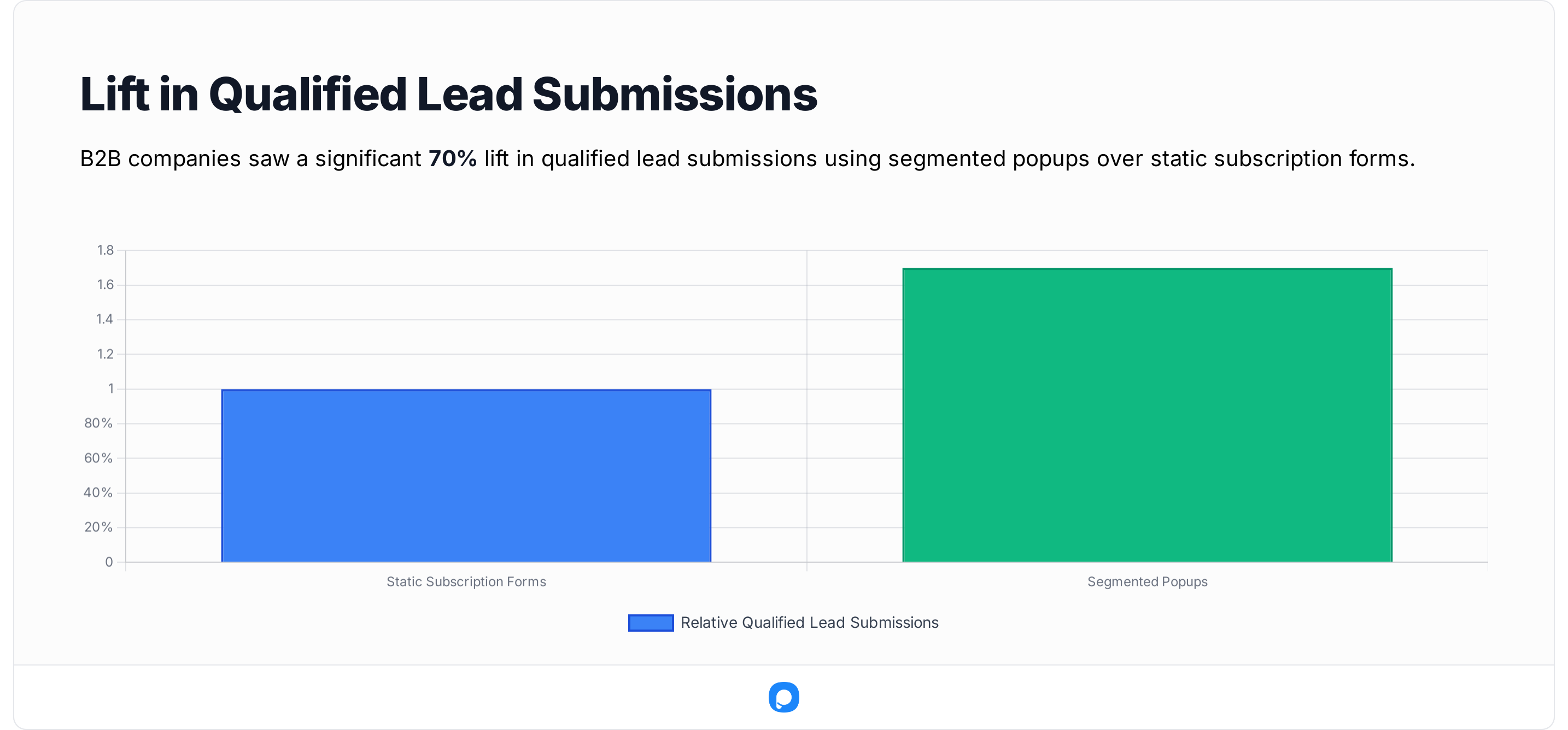
In high-traffic industries such as SaaS and retail, using advanced personalization rules like targeting visitors based on UTM parameters, previous session activity, or even purchase intent leads to higher-quality lead capture. Some B2B companies saw a 70% lift in qualified lead submissions when using segmented popups versus static subscription forms.
Increasing Website Conversions Beyond Leads
While lead capture is a primary focus, popups can directly drive revenue. Exit-intent offers, time-limited campaigns, and cart-based upsells are commonly used to influence purchase decisions. Layering urgency (such as countdown timers) or exclusivity messaging tends to reinforce action intent.
Analyzing conversion data continuously helps refine strategies based on what resonates with visitors. High-performing businesses test popup variations regularly, focusing on elements like trigger points, layout, message, and incentive. Over time, this iterative approach gradually increases conversion rates and reduces dependency on paid acquisition by making better use of existing traffic.
Advanced users also pair popups with post-click strategies, such as directing visitors to tailored landing pages or launching automated email flows right after popup submission. This allows popups to act not just as conversion starters but also as entry points to multi-step engagement funnels, driving higher revenue per visitor.
Personalization as the Core of Engagement
Today's visitors respond best to marketing efforts that feel relevant and intentional. Popups built around visitor journey data and real-time conditions consistently outperform generic campaigns. Examples of segmentation criteria include:
- Pages viewed or content type browser explored
- Items added to cart or user purchase history
- Geographic location
- Traffic source, such as social media, PPC, or email campaigns
- Engagement level and session depth
When businesses align messaging with the behavior behind the visit, engagement and conversions increase dramatically. This approach also improves lead quality and supports downstream email or paid remarketing campaigns by providing rich user segmentation data.
Integration with Marketing Ecosystems
Popups perform best when connected to a broader strategy. Integrating popups with key tools, such as CRM systems, email platforms, analytics software, or marketing automation tools, ensures that captured leads and behavioral insights seamlessly flow into existing workflows.
This allows marketing teams to track user journeys from first interaction to final conversion and evaluate the popup's influence on long-term metrics such as AOV, customer lifetime value, and churn prevention.
Through seamless integration, businesses eliminate manual data entry, increase operational efficiency, and make informed decisions in real time.
Supporting Businesses with Practical Expertise
At Popupsmart, we've had the privilege of working with thousands of brands across e-commerce, Shopify, SaaS, and B2B, gaining deep insights into what makes popups truly effective. From our experience, the most impactful popups are those that align with broader marketing strategies, particularly conversion rate optimization, lead generation, and email marketing campaigns.
Our approach goes beyond simply displaying messages. We focus on supporting user decision-making in meaningful ways, whether it's highlighting a timely offer, guiding a visitor through the purchase journey, or prompting engagement with gated content.
Through ongoing experimentation, data-driven refinement, and thoughtful positioning, we help businesses increase conversions gradually while maintaining user trust and satisfaction.
By integrating popups into a wider marketing ecosystem, we ensure that each interaction contributes to measurable growth. From smart placement and personalized messaging to continuous performance tracking, our strategies are informed by hands-on experience and real-world results. This combination of expertise and practical execution empowers brands to turn every visitor interaction into an opportunity, ultimately driving sustainable growth.
Making Every Popup a Growth Opportunity
At Popupsmart, we've seen that when implemented thoughtfully, website popups are far more than short-term engagement tools, they become strategic growth drivers for businesses of all sizes. The key lies in delivering the right message at the right moment, ensuring relevance, personalization, and a seamless user experience.
From our experience, popups that integrate behavioral insights, responsive design, and performance analytics empower brands to guide visitors along the customer journey. These tools help transform casual traffic into leads, leads into paying customers, and customers into loyal advocates.
Some of the most effective strategies include:
- Behaviorally-Triggered Popups – Display messages based on exit intent, scroll behavior, or time spent on page to engage users when they're most receptive.
- Personalized Messaging – Tailor offers, recommendations, or content based on user history and preferences, increasing relevance and conversion potential.
- Responsive Design & Multi-Device Optimization – Ensure popups deliver a smooth, non-intrusive experience across desktop, mobile, and tablet.
- Performance Tracking & Continuous Optimization – Use analytics to test different popup designs, timing, and messaging. Continuous refinement ensures that every interaction contributes to measurable growth.
By combining these tactics with lead generation workflows and email marketing strategies, businesses can create a fully integrated approach where each popup serves as both a conversion driver and a data source for future campaigns. From Shopify merchants to SaaS brands, we've seen firsthand how experience-led popups elevate engagement, increase conversion rates, and build long-term loyalty.
This category is your central hub for understanding how website popups can drive measurable results in a modern marketing ecosystem. You'll find insights on integrating popups with lead generation, email marketing, CRO, and broader Shopify marketing strategies. The content here is grounded in our hands-on experience, tested across hundreds of campaigns, and reinforced by real-world data.