
16 Solid Cyber Monday Marketing Ideas for Small Businesses

 ChatGPT
 Perplexity
 Claude
 Grok
Grok Google AI Mode
Cyber Monday is the first Monday after Black Friday focused on online deals; the text outlines small-business planning tips: set goals and budget, manage inventory, build hype via email/social, offer promos, optimize site, follow up with data and feedback.
Table of contents (33)
It's that time of year again when you might be looking for Cyber Monday marketing ideas for small businesses!
No doubt about it: Cyber Monday is a huge opportunity for small businesses to supercharge sales and connect with their customers.
So, in this blog post, we've put together a comprehensive guide packed with actionable marketing strategies you can use before, during, and even after Cyber Monday.
We're confident these tips will help you make the most of this crucial day. If you're as excited as we are, let's jump right in and get started!
What is Cyber Monday?
Cyber Monday is that special day business owners and customers love that follows Thanksgiving in the United States, and it falls on the first Monday after the Black Friday shopping frenzy.
It's a day that's become synonymous with online shopping excitement.
While Black Friday is all about in-store deals and the rush of physical shopping, Cyber Monday takes the shopping experience to the digital world.
Retailers, big and small, roll out the virtual red carpet, offering up some seriously jaw-dropping discounts and promotions, all within a few clicks' reach.
Planning Ahead
Don't wait until the last minute – planning for Cyber Monday is your super move for a successful sales day and happy customers.
Get ahead of the game and keep your customers smiling!
1. Setting Clear Goals
Setting clear goals is the essential first step in a successful Cyber Monday marketing strategy for small businesses.
These goals should be well-defined and measurable, with objectives such as:
- increasing sales,
- building brand awareness,
- expanding the customer base,
- clearing inventory,
- growing the email list,
- boosting average order value, or
- enhancing customer loyalty.
You should definitely use specific KPIs to measure progress and success.
It’s also better to focus on a few key objectives that align with your business priorities and capabilities to avoid spreading resources too thin.
If you go for all these objectives, your concentration and efforts may not be enough, especially if you’re a small business.
Pick a few, and remember, clear goals will guide your efforts and increase the likelihood of a successful Cyber Monday campaign.
2. Creating a Budget
As a small business, it's essential to allocate your resources effectively to maximize the impact of your Cyber Monday efforts.
So here is the pro tip:
Before diving into your budget planning, take a look at your past Cyber Monday campaigns. Analyze what worked and what didn't.
Did certain marketing channels yield better results? Were there specific promotions that resonated with your audience?
By learning from your history, you can make more informed decisions for the future.
Tip: Remember, Cyber Monday deals often require you to offer products at a discounted rate, so factor this into your budget.
For example, if last year's user-generated content or influencer marketing campaigns significantly boosted sales, consider allocating a larger portion of your budget to these this year.
But again, your budget should not be set in stone.
Continuously monitor the performance of your Cyber Monday campaign, and be prepared to adjust your budget allocation as needed to optimize results.
Then, set an amount you're comfortable with and align with your business's financial health.
If your total budget for Cyber Monday is $5,000, you'll need to allocate this amount wisely across the marketing channels and strategies you selected.
3. Inventory and Stock Management
So when it comes to inventory management, just like setting a budget, we should take a look at the past Cyber Mondays. (Do you see the importance of data?)
Look at historical sales figures, website traffic, and other relevant metrics.
Tools like Google Analytics and e-commerce platform reports can provide valuable insights.
This way, you will be able to project how much demand you can expect this time around.
After that, you should contact suppliers and stock up in advance so you can get the necessary stock or raw materials.
If your small business operates on a tight budget and can't afford to stock up extensively, you may also consider dropshipping as an option.
With dropshipping, you partner with suppliers who handle inventory and shipping, allowing you to offer a wide range of products without the financial risk of purchasing and storing inventory.
And lastly, utilizing an inventory management software could ease the process for you.
This kind of software can help you track your inventory levels in real time, set up automatic reorder points, and even predict future demand based on historical data.
Also See: Sync Inventory between Two Shopify Stores (Manually&via App)
Building Hype and Anticipation before Cyber Monday
Now that you have your goal, budget, and a well-stocked inventory ready for eager customers, it's time to ensure your efforts don't go to waste.
To maximize the impact of your preparations, let's explore effective strategies to generate excitement and anticipation for your Cyber Monday campaigns before Cyber Monday.
4. Cyber Monday Emails
Email marketing is a crucial component of your Cyber Monday strategy. It's a direct and effective way to keep your subscribers informed about your upcoming promotions and build excitement.
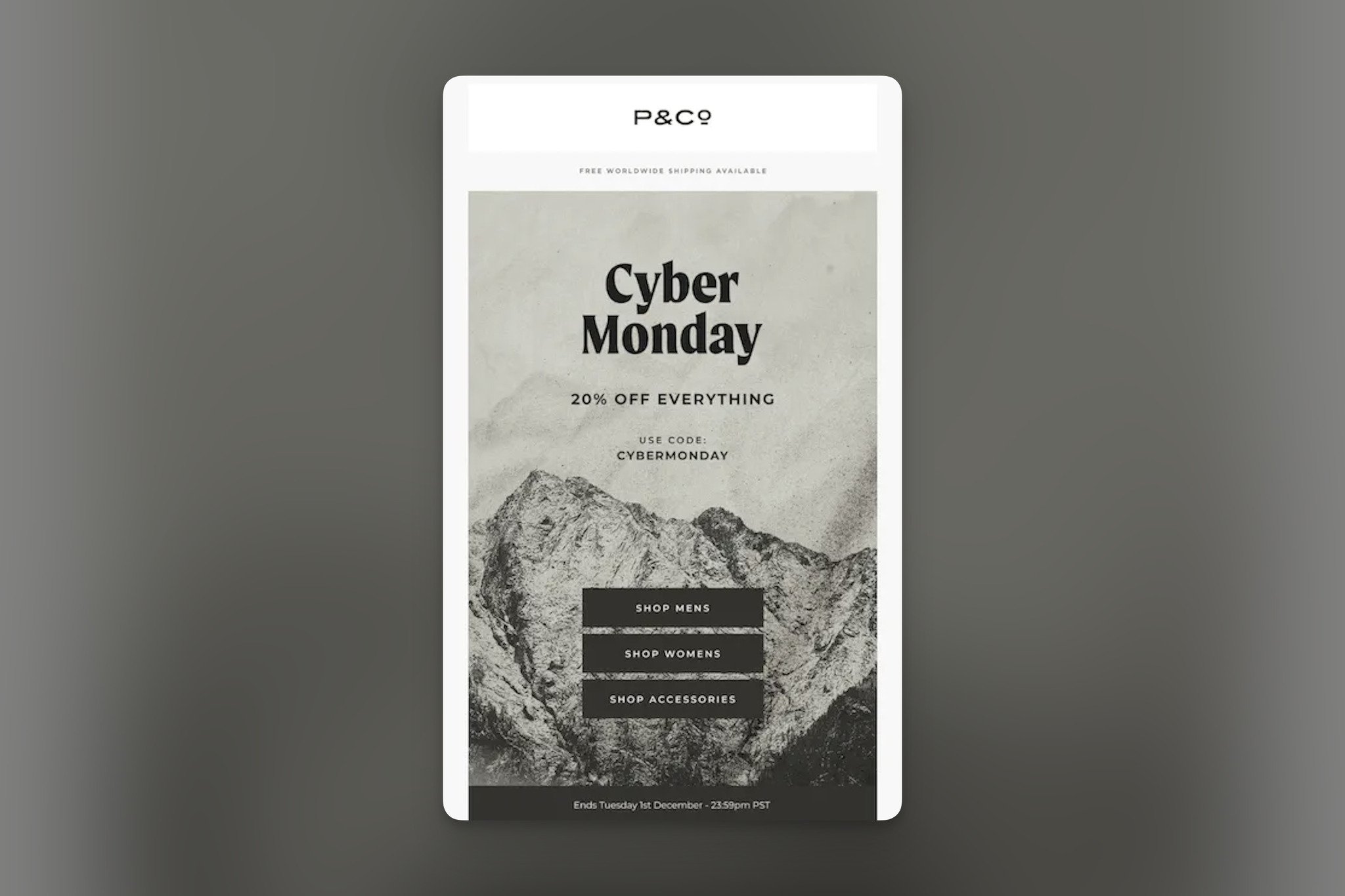
In order for your emails to be effective, ensure:
- Your emails are well-segmented based on metrics like past purchase behavior, preferences, and engagement level.
- They have eye-catching subject lines to increase the click-through rate.
- The content is engaging with a sneak peek into your deals or customer testimonials along with high-quality images and a persuasive copy.
- The CTA of the email is clear and prominent.
- They are mobile-responsive considering the huge number of people using mobile mostly.
You can also include a countdown timer in your emails to increase the excitement and take advantage of personalization to make your customers feel special.
5. Social Media Teasers
Social media has become the heartbeat of modern marketing strategies. You can do different things to build anticipation, depending on the platforms you use.
Here, we provide some things that you can do to utilize each platform effectively:
On Instagram, employ a multi-faceted approach.
Begin with teaser posts featuring countdown visuals and product sneak peeks, complemented by catchy captions.
Use Stories for daily updates, interactive polls, and Q&A sessions.
Don’t hesitate to use the power of user-generated content and encourage your followers to create UGC.
As you might already know, Reels are super popular and beneficial to showcase deals and products. You can also collaborate with influencers to expand your reach and add fervor to your campaign.
TikTok
TikTok has more than 1 billion active users each month. This statistic is more than enough reason not to overlook it in your Cyber Monday marketing strategies.
Here are some simple ways to incorporate TikTok into your Cyber Monday campaign:
- Short Promo Videos: Create engaging TikToks to highlight deals and products.
- Challenges: Participate in relevant challenges and trends. TikTok challenges are quite popular, especially among Gen Z users.
- Influencer Collabs: Partner with TikTok influencers for creative content. You can look for influencers in your niche and spice up your TikTok Cyber Monday efforts.
- User-Generated Content: Just like Instagram, on TikTok, you can encourage users to create videos with a specific hashtag.
Also See: How to Sell on TikTok with Shopify? Step By Step Guide
Pro Tip: Don’t forget other platforms you have accounts on, like Pinterest. You can create dedicated "Cyber Monday Boards" with detailed pins of your deals and products.
Crafting Irresistible Offers
Now that you have the hype around your brand for Cyber Monday, what do you have to offer?
6. Discounts and Promotions
Cyber Monday is all about huge discounts. You can offer a percentage discount on selected products or categories. For example, 20% off all electronics or 30% off sitewide.
Also, buy-one-get-one (BOGO) deals are super favored by customers. They love getting more for their money, so consider offering a free product with the purchase of another.
Another secret weapon is free shipping for Cyber Monday purchases. High shipping costs can deter online shoppers, so this can be a significant incentive.
But that’s not all!
Here are other ways to utilize discounts and promotions on Cyber Monday:
- Referral Discounts
- Loyalty Program Benefits
- Mystery Discounts
- Abandoned Cart Discounts
- Gift Cards
- Bundle Deals
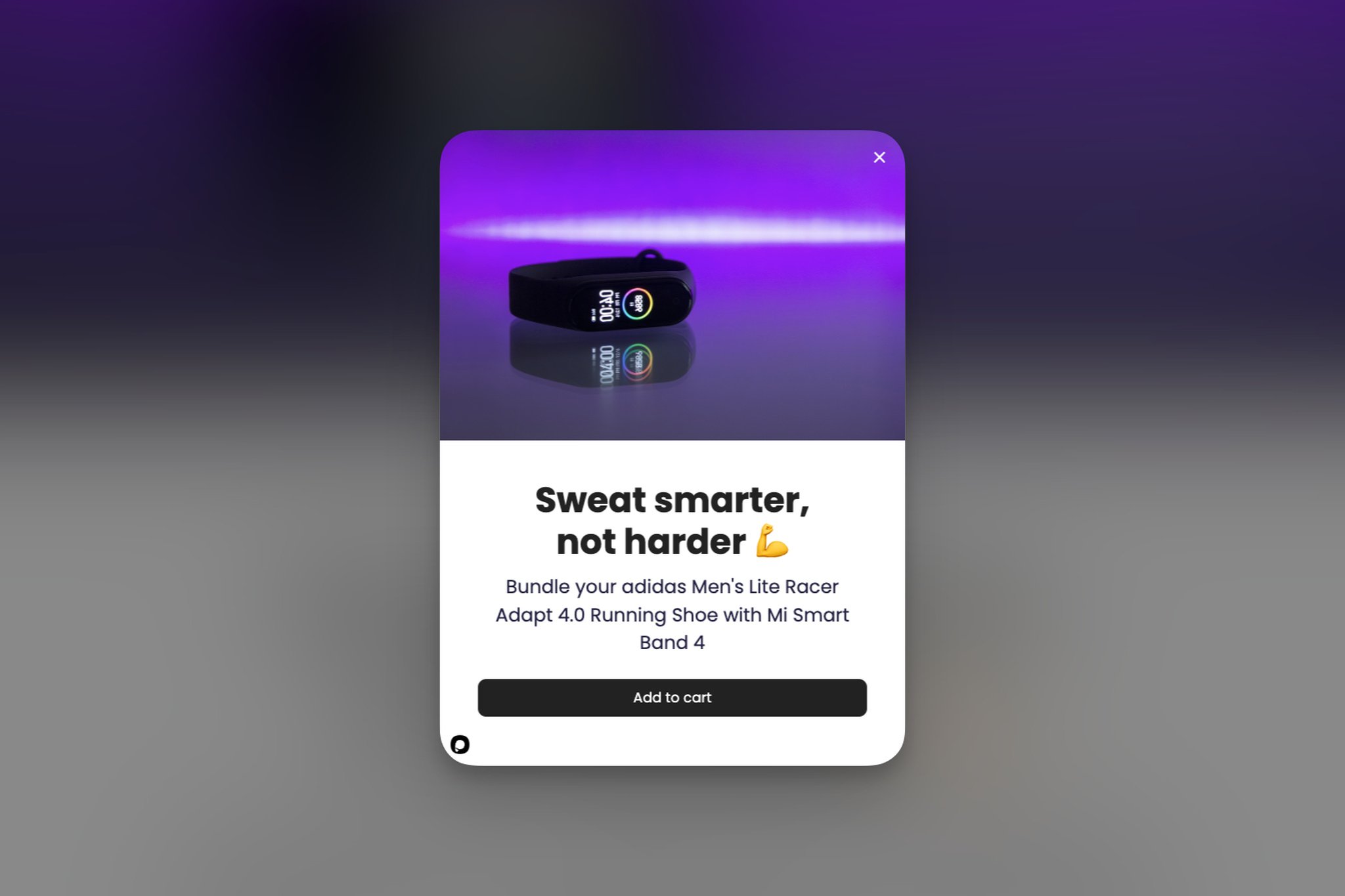
Indeed, there are numerous methods to consider; however, it's essential to note that they are all optional, and their effectiveness depends on the nature of your business.
You can choose the strategies that align most closely with your business goals or even explore the potential of combining several approaches for optimal results.
7. Limited-Time Offers
Limited-time offers are a dynamic and proven strategy for maximizing your Cyber Monday success.
You can implement flash sales throughout Cyber Monday to spark excitement and urgency, announcing them across your online platforms.
Pro Tip: You can use flash sale popups to spread the word! For example, a floating bar popup with a countdown timer would be a perfect addition to your website.
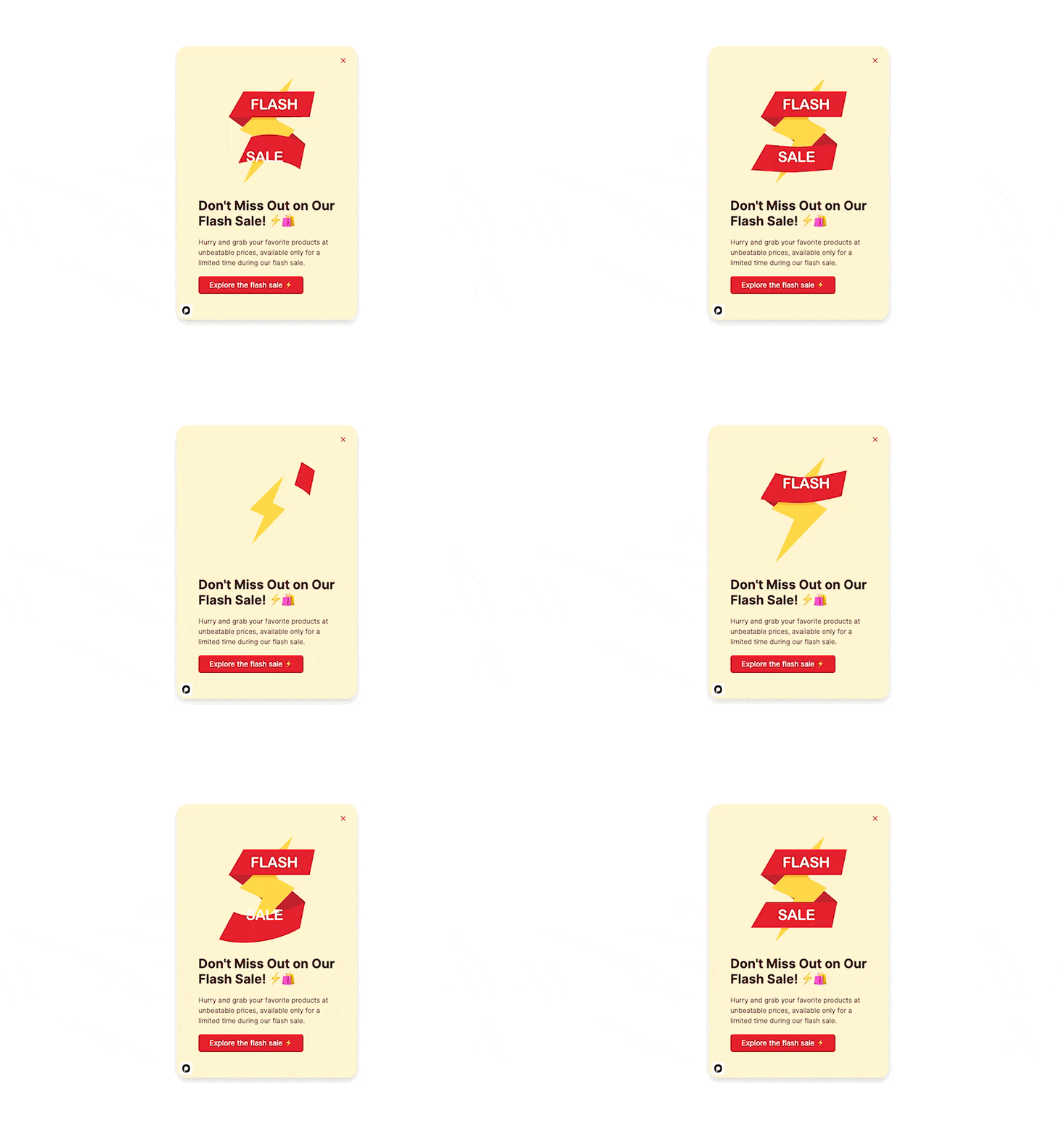
Another way of promotion is rewarding early shoppers with exclusive discounts or gifts. Try creating a sense of urgency by limiting these deals to the first few hours of Cyber Monday.
Optimizing Your Website
When Cyber Monday comes knocking, having a website that works smoothly is crucial.
It helps your customers have a hassle-free shopping experience and can make all the difference in turning visitors into satisfied buyers.
Now, let’s see what you can do to get your website ready for Cyber Monday!
8. Mobile-Friendly Design
In 2022, mobile retail e-commerce spending in the United States surpassed 387 billion U.S. dollars.
Wow, right? Mobile marketing is no joke, and many shoppers browse and buy on their mobile devices.
So, make sure your website is mobile-responsive.
This means it should adapt effortlessly to various screen sizes, ensuring that your potential buyers on the go have just as enjoyable an experience as those on desktops.
9. Streamlined Navigation
89% of consumers shop with a competitor after a poor user experience.
Because for shoppers, nothing's more frustrating than a website that feels like a maze.
Simplify your site's navigation to help customers easily find what they're looking for.
Clean up cluttered menus, use clear categories, and offer a prominent search bar. The smoother the journey, the happier the shopper!
10. Fast Loading Times
As page load time increases from 1 second to 3 seconds, the likelihood of a bounce or user leaving the page increases by 32%.
They say patience may be a virtue, but it's in short supply when it comes to online shopping.
That’s why it’s a good idea to ensure your pages load quickly especially during shopping seasons.
Slow-loading websites can turn potential buyers away faster than you can say "Cyber Monday." Optimize images, leverage browser caching, and minimize unnecessary code to keep things zipping along.
Social Media for Cyber Monday
Above, we mentioned what you can do to create hype around your brand before Cyber Monday, but social media activities must continue during this special day!
11. Hashtags and Trending Topics
Don't be shy! To get your Cyber Monday posts noticed, don't forget to sprinkle in those relevant hashtags.
Join trending conversations by incorporating popular Cyber Monday hashtags, making your content discoverable to a wider audience.
12. User-Generated Content
User-generated content, often called UGC, encompasses any content generated and shared by your customers or fans.
UGC has different types, and you can find details in our blog “5 Types of User-Generated Content and Expert Best Practices” if you want to learn more about it.
The main idea is marketing the content of people who are already happy with your brand.
Here is a solid statistic on the importance of UGC:
90% of consumers now emphasize the significance of authenticity when choosing which brands to endorse and support, marking a rise from 86 percent in 2017.

User-generated content is authentic, that’s why it builds trust and creates a strong sense of community.
Note: Similar to UGC (though UGC is considered to be more authentic), influencer marketing is also a great way to use social media. You can collaborate with influencers who align with your brand to spice up your Cyber Monday strategy.
Using Email Marketing
We provided you with some tips on using email marketing as a part of your Cyber Monday strategy, but as we come to the end of the buyer journey, we once again encounter email marketing.
Here are two critical points to ensure your email marketing efforts on Cyber Monday are on point!
13. Abandoned Cart Emails
Well, it happens to the best of us. A customer fills their cart with goodies, but for some reason, they leave without completing the purchase.
One way to prevent this is using exit-intent popups. The smart exit-intent technology is triggered when the customer moves the cursor toward the close button or the search bar.

At that exact point, you can recover customers by offering a discount or free shipping. Or by simply reminding them that they might not find these items when they return.
But if they leave anyway, you can count on abandoned cart emails. These emails gently remind shoppers about the items they left behind, nudging them back to your website to complete their purchase.
This way, shoppers will reconsider purchasing, and your business will have a last chance to recover the customer.
14. Thank You Emails
You've had a successful Cyber Monday, thanks to your amazing customers. Now, it's time to show your appreciation.
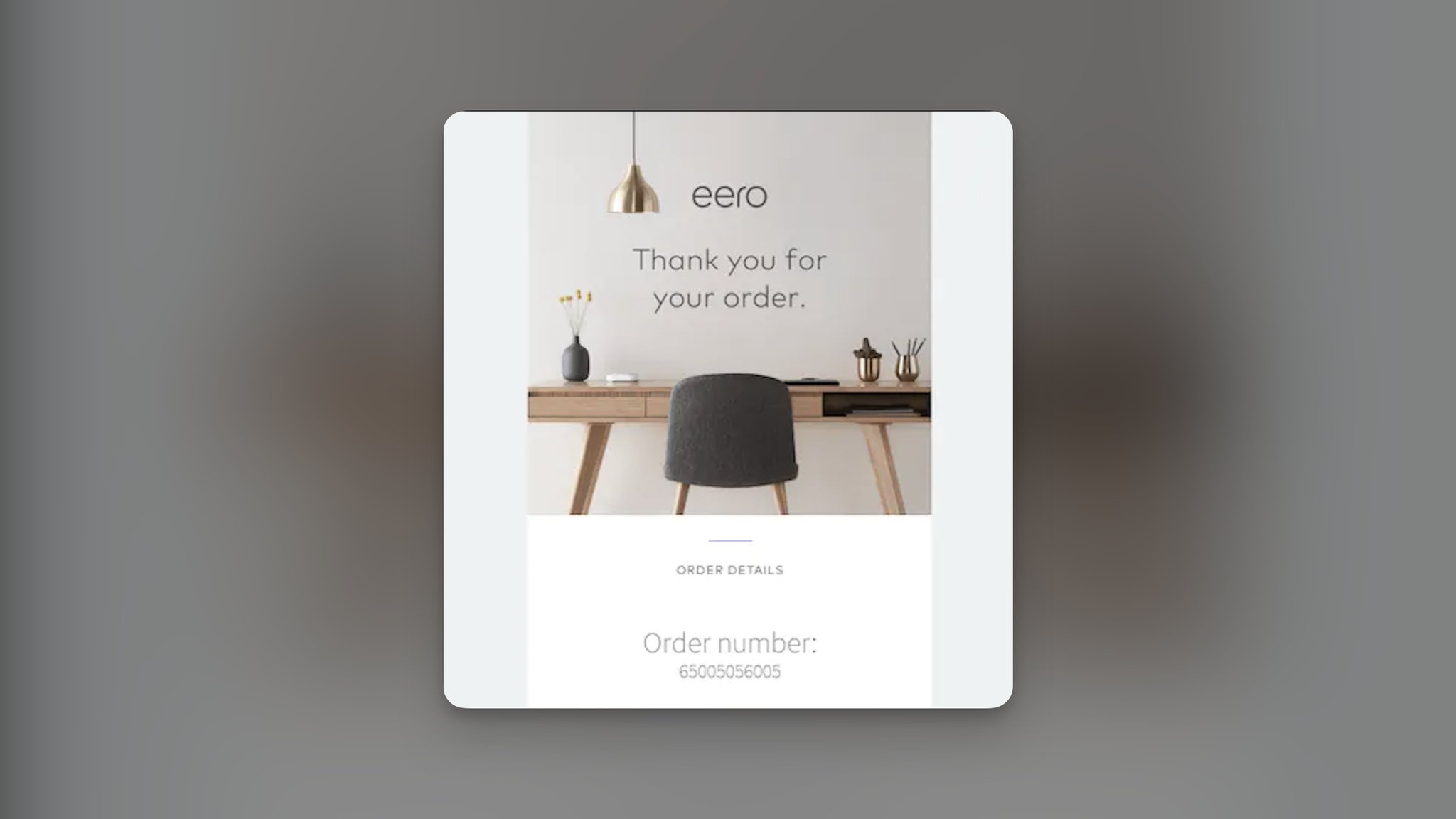
Send heartfelt thank-you for your order messages to let them know just how much their support means to you. A sincere "thank you" can go a long way in building lasting customer relationships.
Post-Cyber Monday Follow-Up
Thought it was over? It certainly is not!
Cyber Monday sales might be over, but your job hasn’t been done yet. Now, you have a treasure chest full of customer data.
15. Analyzing Results
It's time to roll up your sleeves and dig into the data. Evaluate the outcomes of your Cyber Monday marketing efforts.
What worked like a charm, and where could there be room for improvement?
By analyzing results, you can fine-tune your strategies for even better outcomes in the future.
16. Customer Feedback
Using customer feedback for Cyber Monday marketing involves tailoring your product selection, pricing, promotion channels, messaging, timing, and content based on customer preferences.
Address customer pain points, personalize offers, and leverage social proof through testimonials and reviews.
After Cyber Monday, gather post-purchase feedback to refine future Cyber Monday strategies.
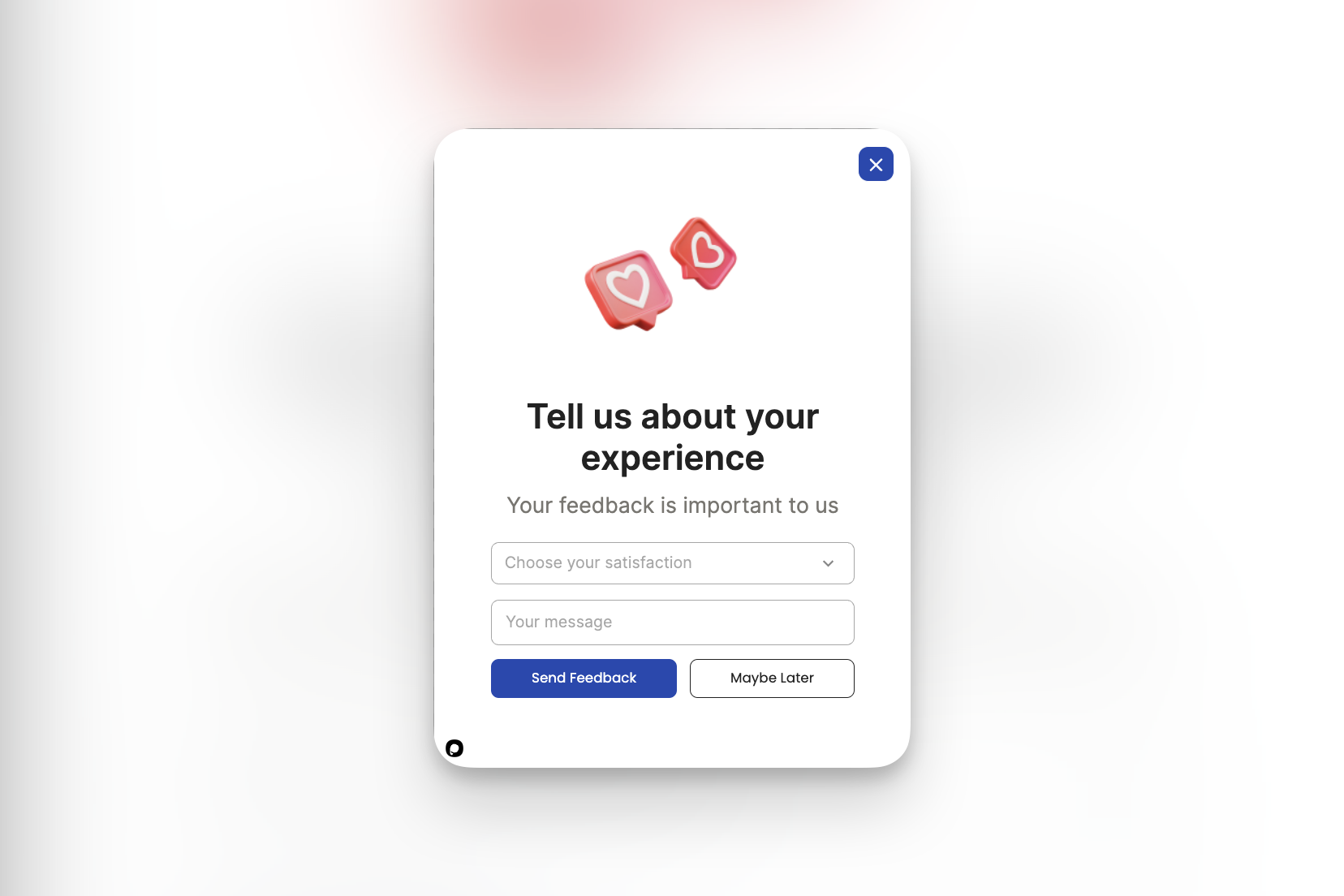
You can check out 16 Best Customer Feedback Tools for Websites, and remember, popups are always an easy way to collect feedback during this important time.
You can see below a ready-to-use feedback popup example waiting for you on our Playbook, the comprehensive popup template gallery.
Why is Cyber Monday Important for Small Businesses?
Now that we have ideas to make the most of Cyber Monday, there is one last thing to clear up. Why Cyber Monday matters so much, especially for small businesses.
Well, let us provide you with some good reasons:
Boost in Sales: Cyber Monday can be a game-changer for small businesses as they can see a boost in sales thanks to tempting discounts and promotions.
Leveling the Playing Field: It doesn’t matter if your store is small! On Cyber Monday, small businesses can stand shoulder to shoulder with larger retailers online.
With a well-thought-out online presence and smart marketing, they can capture the attention of shoppers just as effectively.
Clearing Out Inventory: Have too many items in your inventory that need to leave immediately?
It's a perfect time to say goodbye to older or excess inventory by offering discounts so you can make room for new products while reducing storage costs.
Strengthen Customer Relationships: There's no better time than Cyber Monday to nurture lasting connections with your clients.
With great customer service, personalized recommendations, and a smooth online shopping experience, you can leave customers with a positive impression that keeps them coming back.
Data Insights: Yes, sales are amazing, but the data you collect during Cyber Monday could be more important for your future marketing strategies.
Small businesses can use it to understand customer behavior and preferences, which can shape future strategies.
Before You Leave…
In summary, Cyber Monday has the potential to provide your business with a significant year-end boost.
However, it's important to understand that to harness the full potential of Cyber Monday, careful planning and execution are essential.
Especially procrastination or neglecting post-Cyber Monday follow-ups can undermine the impact of this crucial opportunity.
So go ahead, plan, and set your goals and strategy. This way, your small business can leverage the power of Cyber Monday to grow and succeed in the online world.
Frequently Asked Questions
1. What Sells the Most on Cyber Monday?
Numerous product categories experience robust sales on Cyber Monday, driven by consumer preferences and the online shopping environment.
Notable among these categories are electronics, apparel and fashion, toys and games, home appliances, beauty and personal care products, and home decor and furniture, among others.
2. Do Cyber Monday Sales End?
Cyber Monday sales usually last for just one day, but many retailers extend them into what's called "Cyber Week." During this time, you can still find great deals and discounts.
Just keep in mind that the exact duration of these sales can vary from store to store, so it's a good idea to find the best time for your store.
3. Does Cyber Monday Start at Midnight?
Cyber Monday usually kicks off at midnight, right after the Black Friday frenzy.
However, the exact starting time can vary depending on the store and where you are. Some may begin their deals a tad earlier or later.
Check These Out!
How would you rate your experience with this article? 😊