ChatGPT
 Perplexity
 Claude
 Grok
Grok Google AI Mode
There are many popup types, and few parts of a website are praised and criticized as often as the popup.
Popups are those little windows that appear on the screen to catch your attention and ask for one specific action. If you want the definition first, here's what a popup is.
From subscription requests to special offers, like them or not, popups are a normal part of browsing the web now.
Below you'll find the different types of popups websites use, sorted by business goal, modal type, display time and a few other ways.
The types of popups at a glance
Every popup can be described four ways: what it's for, what shape it takes, where it sits and when it appears. The sections below follow that order.
| How popups are grouped | Types in this guide | Examples |
|---|---|---|
| By business goal | 55 | Discount code, lead magnet, free shipping, NPS survey |
| By format | 4 | Lightbox, fullscreen, floating bar, slide-in |
| By placement | 4 | Header, center, side, footer |
| By display time (trigger) | 7 | After X seconds, exit intent, on click |
| Bonus styles | 4 | Gamified, multistep, animated, mobile |
The numbers in this guide come from our 2026 popup benchmark. The dataset covers 1.98 billion page views, 499.6 million popup displays and 1.84 million leads: 28,674 campaigns from 11,533 businesses that ran a popup with Popupsmart between January 2024 and September 2026. Each rate is leads (a popup submission that contains an email address or phone number) divided by popup displays, for the median campaign.
10 Types of Popups According to Business Goals
This part sorts popups by the job they do. If you'd rather start from a goal and see how to set a campaign up for it, our guide to popup use cases goes goal by goal.
1. Increase Sales Conversion
➣ Discount Code Popups:
These popups put a discount code in front of the visitor to encourage an immediate purchase.
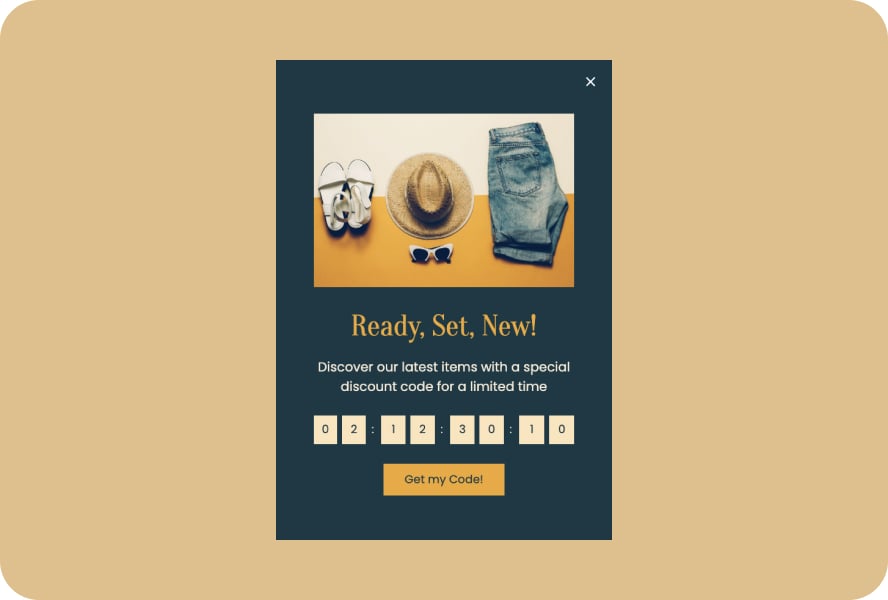
In our benchmark, signup popups that offer a discount code convert 1.46% vs 0.75% for signup popups without one.
To make them even more engaging and fun, consider gamifying the experience and letting customers unlock discounts through interactive games.
➣ Campaign Announcement Popups:
This popup type keeps your visitors in the loop.
You use it to notify customers about ongoing or upcoming campaigns, so they don't find out about a sale after it has ended.
➣ Upsell Popups to Increase Average Order Value:
Upsell popups help you raise your sales by suggesting complementary or upgraded products to your customers right when they're ready to make a purchase.
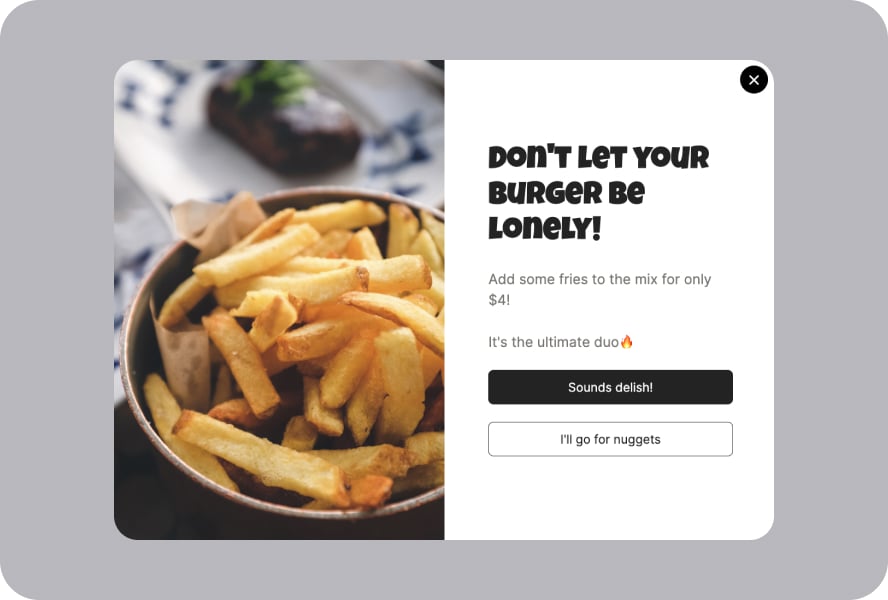
With these upsell popups, you can increase the average order value and make shopping even more enjoyable for your customers.
➣ Cross-Sell Popups:
These popups are like having a helpful sales assistant right on your website.
They recommend related products to your customers, enticing them to add more items to their cart and ultimately increasing your sales.
On a Shopify store, Popupsmart's product element can show products from the visitor's cart, a collection or a product feed, with an "Add to Cart" button. You choose which products appear; the popup doesn't pick them for you.
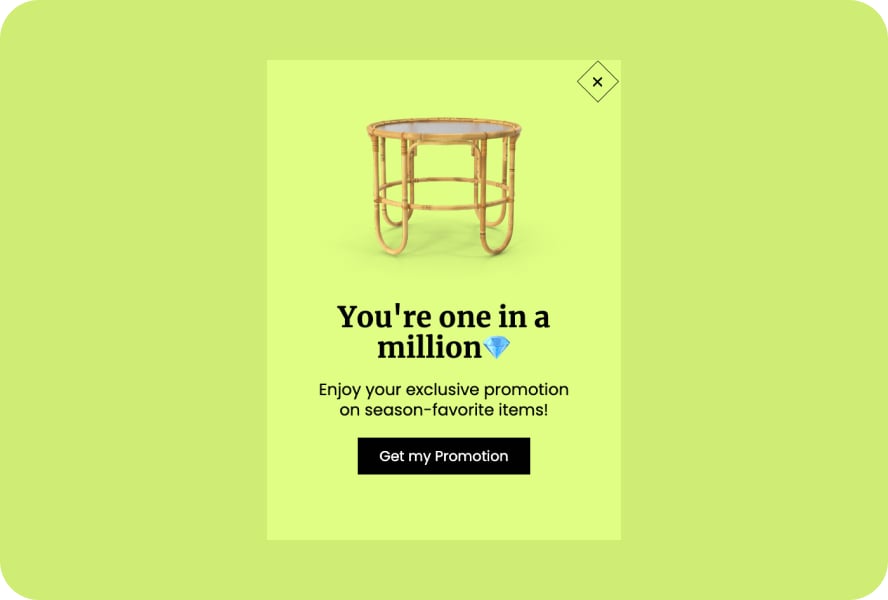
➣ Personalized Exclusive Promotion Popups:
Do you want to make your customers feel special?
By offering exclusive deals tailored to each customer's preferences, you create a sense of exclusivity that drives conversions and builds customer loyalty.
➣ Review Popups:
Influence purchase decisions with these persuasive types of popups that display glowing product reviews.
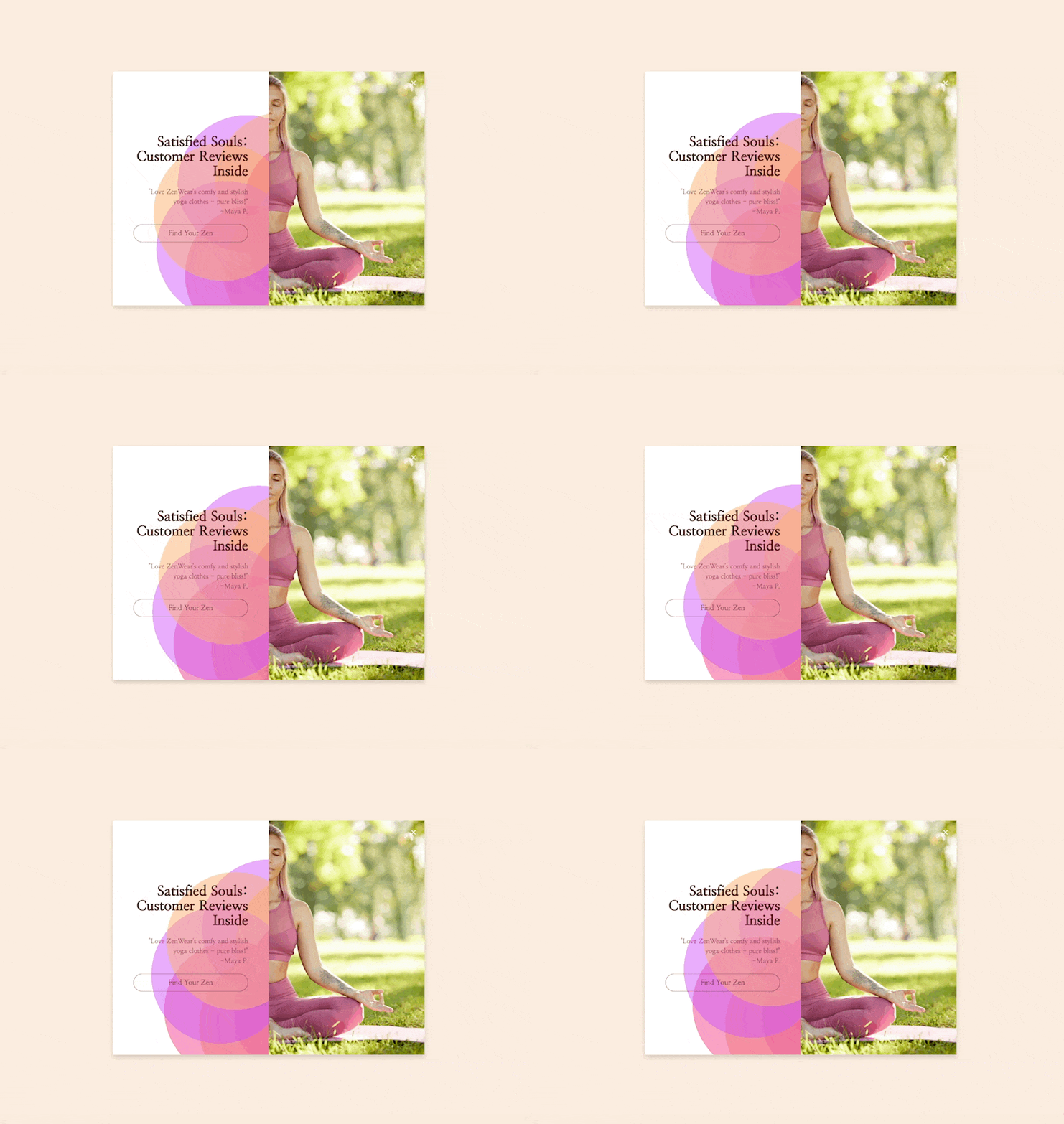
When potential customers see positive feedback about your offerings, they'll be more inclined to make a purchase.
➣ Localized Message Popups:
How about connecting with your local audience on a more personal level by customizing popups with location-specific offers and messages?
This kind of popup shows that you care about their specific needs and preferences. In Popupsmart, geo-located targeting picks the country or city, and smart tags can print the visitor's location in the copy.
➣ Security Indicator Popups:
You can keep your customers feeling safe and secure during the checkout process with these reassuring popups.
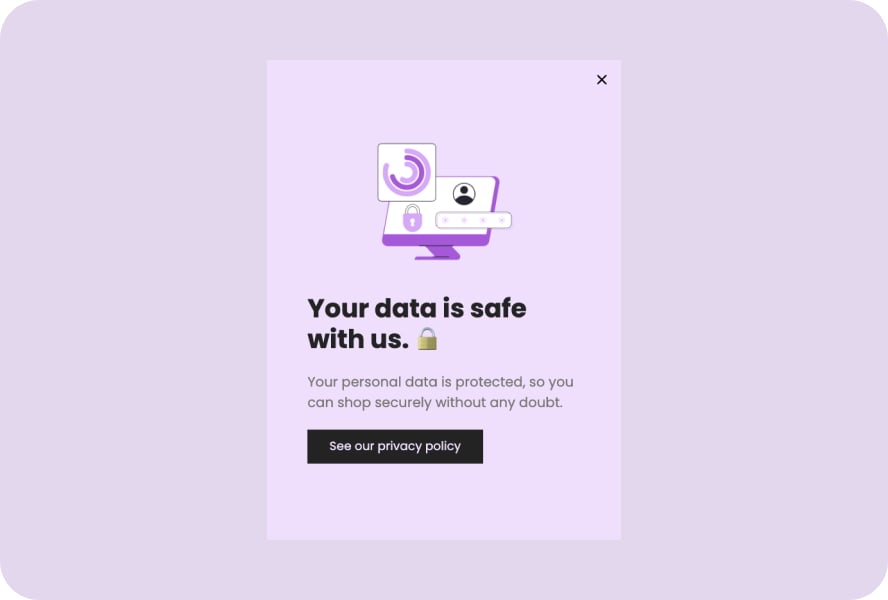
Highlighting security measures and trust indicators helps build trust and confidence in your website and brand.
➣ Down-sell Popups:
A down-sell popup is a type of popup notification used in e-commerce and sales funnels to offer a lower-priced or alternative product or service to a customer who has declined or abandoned a previous higher-priced offer.
The goal is to retain the customer's interest with a more affordable option, often with a special discount or incentive attached.
The first offer was a no. This one gives you a second chance at the sale.
2. Grow your email list
➣ Giveaway Campaign Popups:
You can offer attractive prizes or rewards in exchange for their email addresses.
A giveaway collects leads and gets people talking about your brand, which ends up driving more traffic and potential customers to your site.
➣ Downloadable E-book or Whitepaper Popups:
These popups trade your expertise for an email address.
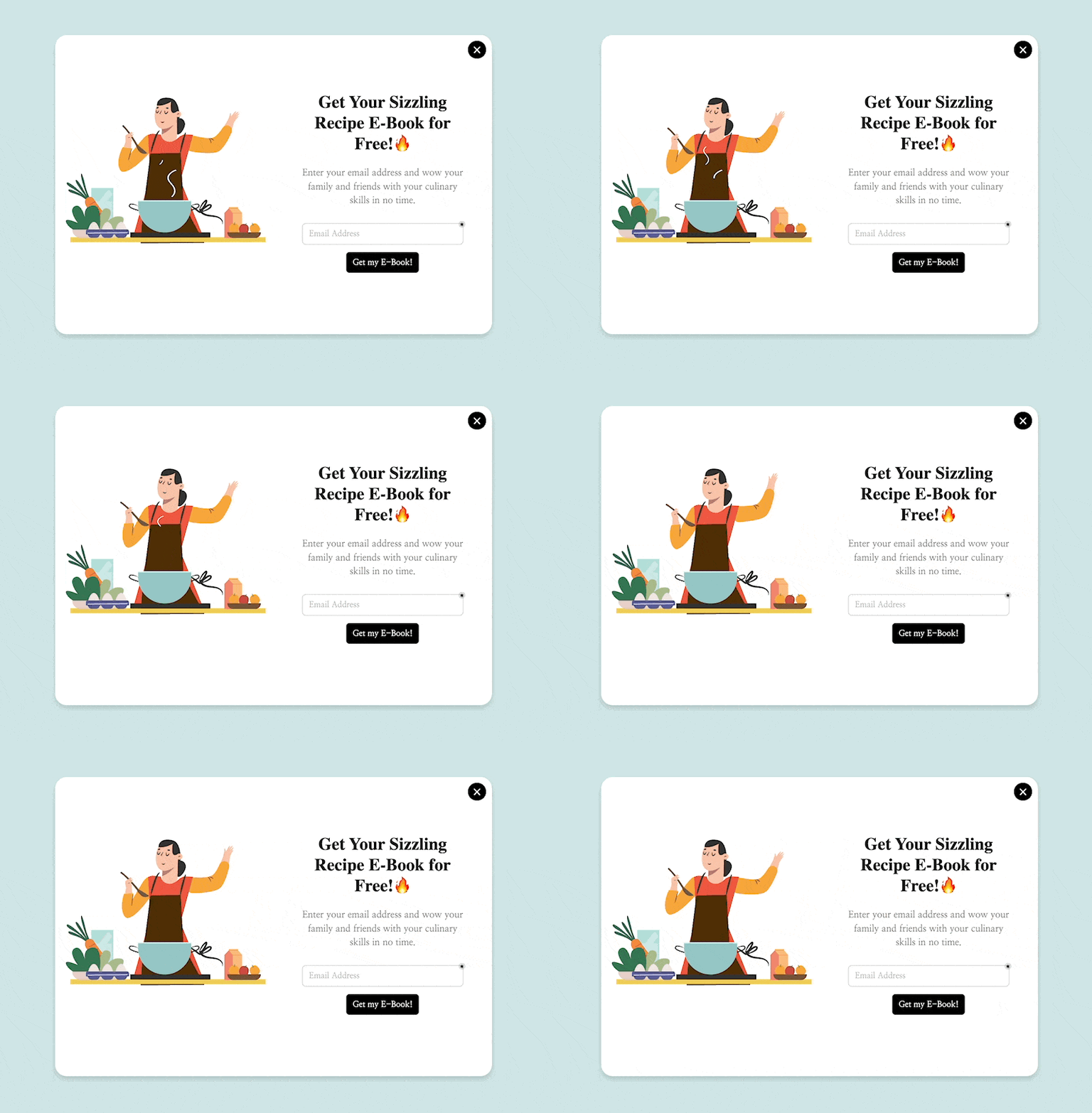
They establish your brand as a valuable resource and encourage visitors to become part of your email list to access exclusive content.
➣ Discounts & Deal Popups:
Everyone loves a good deal, and these popups play on that.
Offer exclusive discounts or limited-time deals to visitors who subscribe to your email list.
➣ Social Proof Popups:
You can build credibility and trust with potential subscribers through social proof popups.
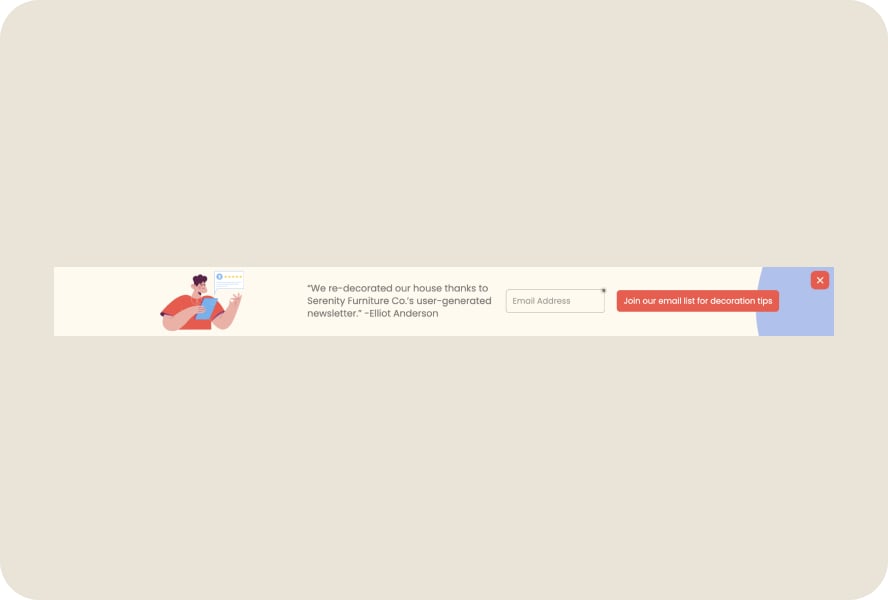
Show positive reviews, testimonials, or user-generated content that highlights the benefits of subscribing to your email list.
➣ Exclusive Guide Popups:
These popups promise valuable insights, tips, or industry secrets that are only accessible to those on your email list.
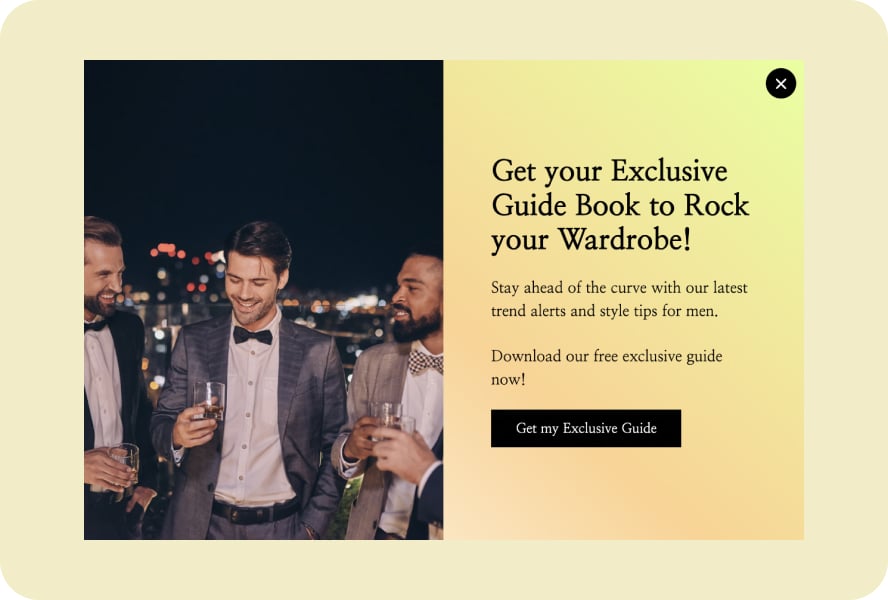
The allure of exclusive content encourages more visitors to subscribe, enhancing your email list growth.
➣ Lead Magnet Popups:
Lead magnets can be anything from checklists and templates to free trials and samples.
By offering something valuable in exchange for an email address, you entice visitors to take the first step toward a lasting relationship with your brand.
➣ Lead Generation Quiz Popups:
A quiz can be fun, informative or both. The visitor gets a personalized result, and you learn something useful about your audience.
Visitors will gladly subscribe to see their quiz results and receive relevant content tailored to their needs.
➣ Locked Content Popups:
Offer sneak peeks or previews of valuable content, and require visitors to subscribe to access the full version.
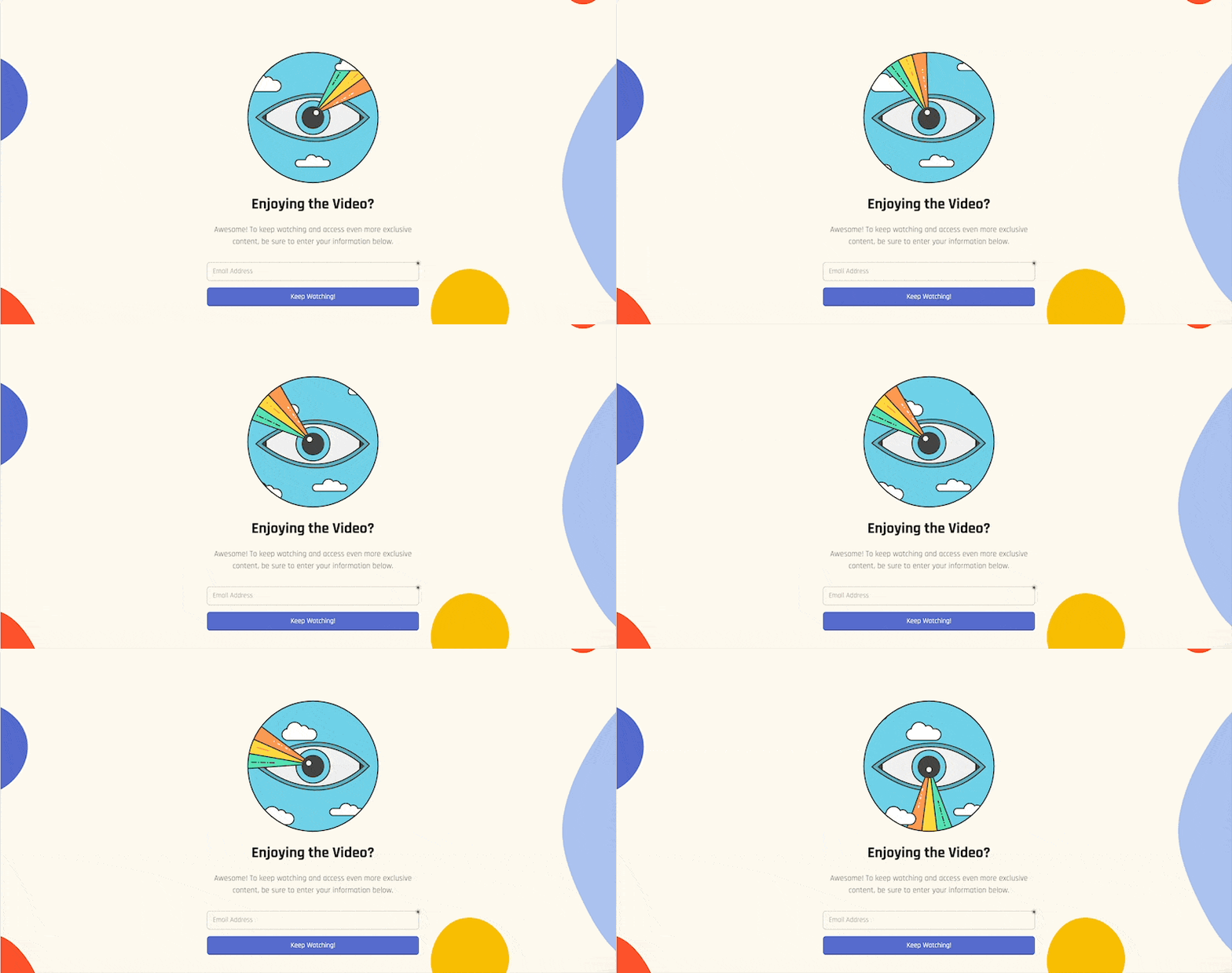
Your email list grows, and visitors get a reason to keep exploring your site.
➣ Contact Form Popups:
Make it easy for visitors to get in touch and receive updates from your brand by using contact form popups.
Allow them to submit their email addresses along with any questions or inquiries they might have.
3. Reduce Cart Abandonment
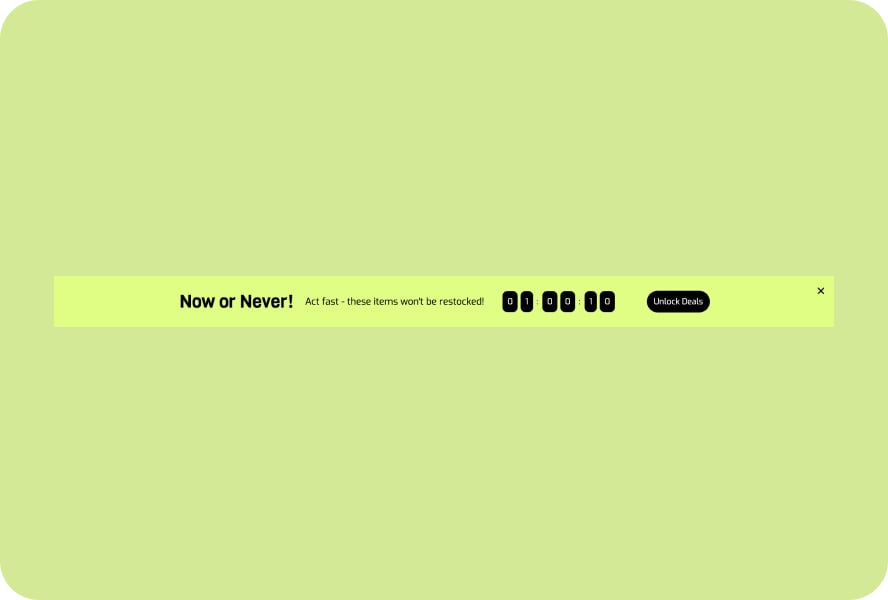
➣ Sense of Urgency Popups:
By instilling a sense of urgency, you motivate potential buyers to make a decision quickly, reducing the chances of cart abandonment.
➣ Free Shipping Popups:
Shipping costs are a common reason for cart abandonment. Combat this issue with popups that announce free shipping on qualifying orders.
Shown at the right moment in the shopping journey, the popup tells customers their total won't grow with a shipping fee at checkout. That makes them more likely to finish the purchase.
➣ Trust Badge Popups:
Address concerns about security and trustworthiness by displaying trust badges and security seals in popups.
Trust badges from recognized payment processors, security certifications, and customer review platforms show customers that their information is safe and your brand can be trusted, reducing hesitation during the checkout process.
➣ Call-Back Form Popups:
Some customers might hesitate to complete a purchase due to questions or concerns.
Offer a call-back option through popups, where customers can provide their phone numbers and request a call from your support team.
A real conversation answers the concern directly, and it might save the sale.
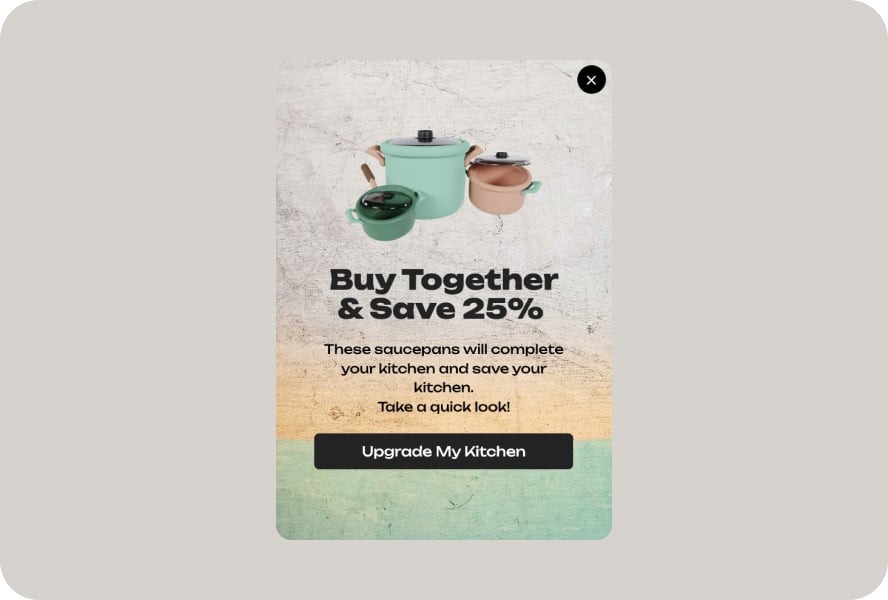
➣ Product Bundle Popups:
Presenting related items at a discounted price when purchased together can increase the perceived value and give customers a reason to proceed to checkout with a larger order.
➣ Free Gift Popups:
Surprise and delight your potential customers with a free gift popup.
Offer a complimentary product or an add-on with their purchase to sweeten the deal.
A small extra like that can turn hesitant shoppers into happy buyers.
4. Promote Products & Offers
➣ Product Sample Popups:
You can offer free samples or trials of your products, so potential customers can try before they buy.
Once someone has used the product and liked it, paying for it is a much smaller step.
➣ Flash Sale Popups:
Announce limited-time sales and discounts on specific products before the special price is gone.
The deadline does the work here. It gives people a reason to buy during the sale instead of putting it off until "later".
➣ Endorsement Popups:
Display positive reviews, testimonials, or quotes from well-known individuals who vouch for your products.
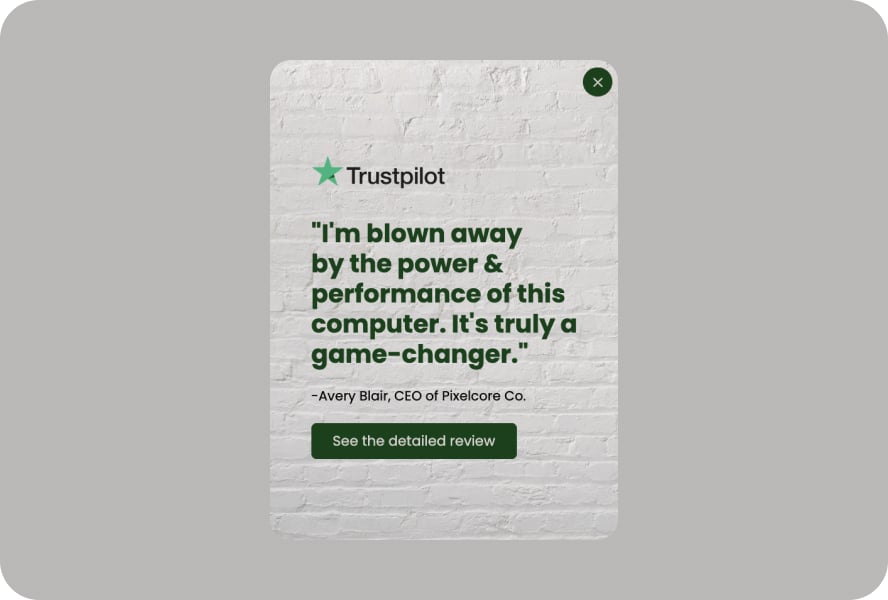
Endorsement popups build credibility and trust, leading potential customers to see the value in your offerings.
➣ Loyalty Reward Popups:
Show appreciation to your loyal customers with loyalty reward popups.
You can offer exclusive discounts, special offers, or early access to new products to those who have shown repeated support for your brand.
These popups strengthen customer loyalty and give regulars a reason to come back.
➣ Social Media Popups:
How about growing your social media presence and engaging with your audience through social media popups?
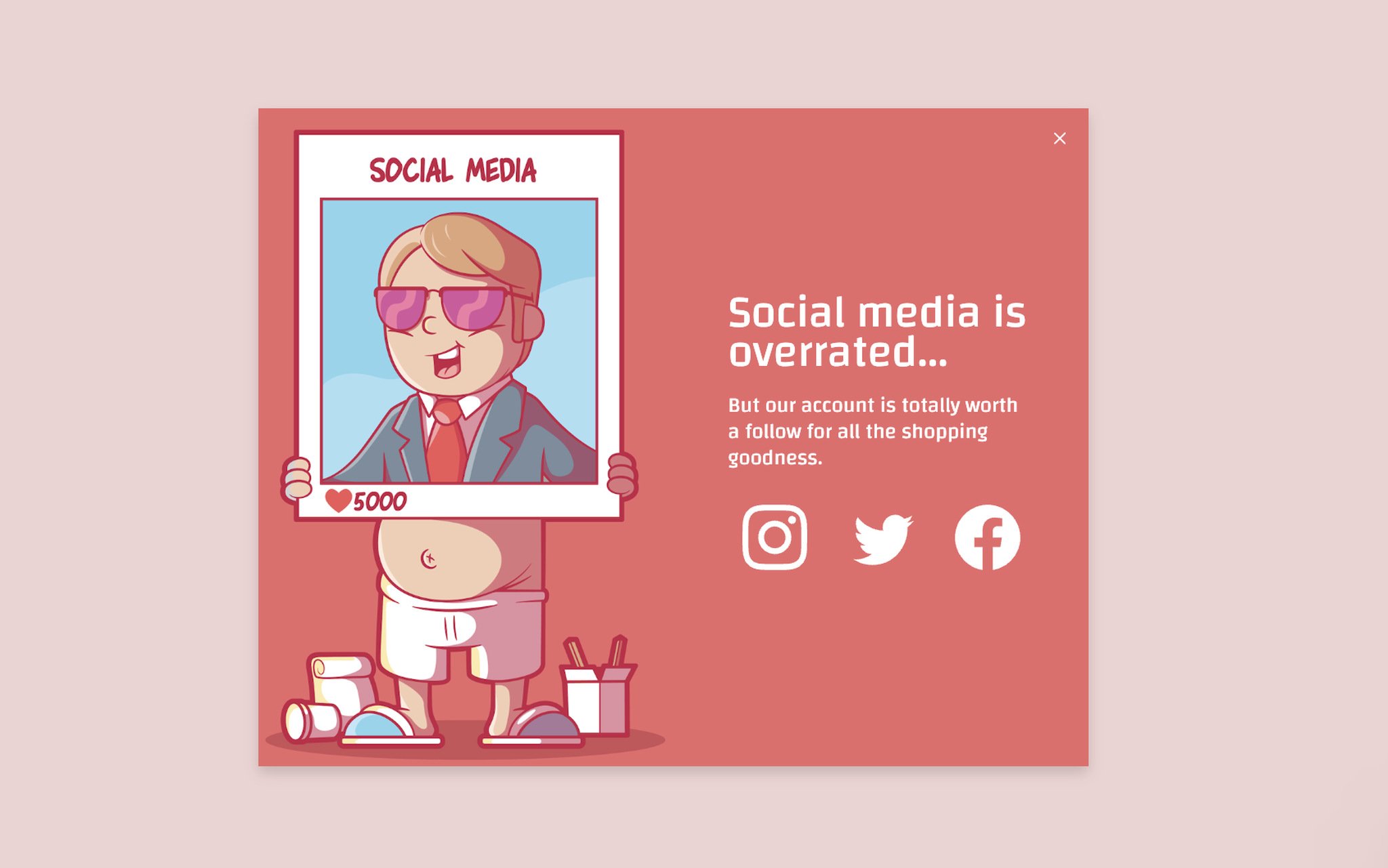
You can encourage website visitors to follow your social media profiles, like your posts, or share your content.
By expanding your social media reach, you enhance brand visibility and create a community of loyal followers.
➣ Share & Win Campaign Popups:
Share & win campaign popups put word-of-mouth marketing to work for you.
Ask customers to share your products, promotions or content on social media or with their friends.
In return, they get a chance to win a prize or an exclusive offer. More people hear about your brand, and the referrals come from customers rather than ads.
5. Get More Phone Calls
➣ WhatsApp Chat Popups:
Do you want to stay connected with your website visitors in a snap?
Popupsmart has no WhatsApp element, so this type is a button: set the button's action to open your wa.me link, and a tap starts a WhatsApp chat with your business number.
➣ Exclusive Support Popups:
Let your visitors know that you're here to help!
These popups offer direct phone support to visitors who'd rather talk to a person.
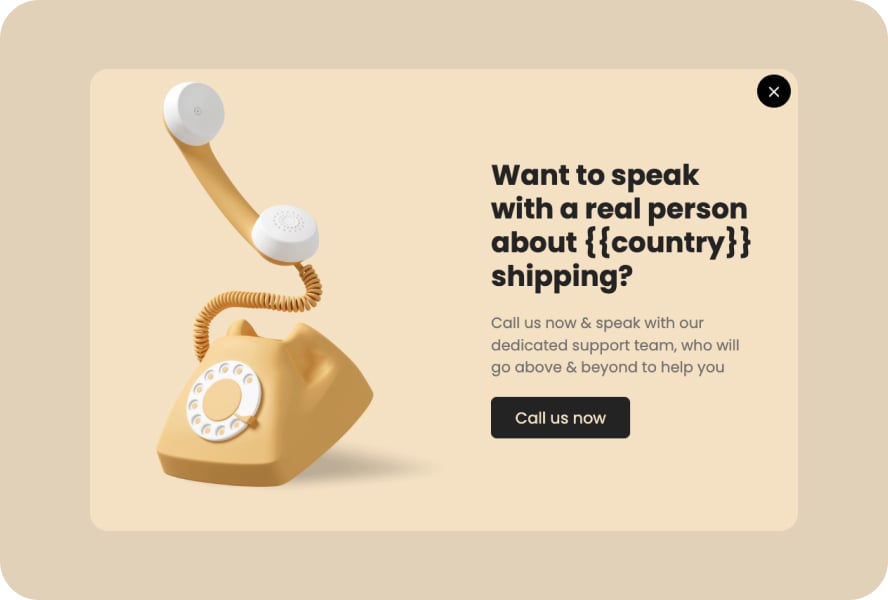
Your customers will feel valued and supported, knowing you're just a call away to address their queries and concerns.
➣ Mobile-Optimized Click-to-Call Popups:
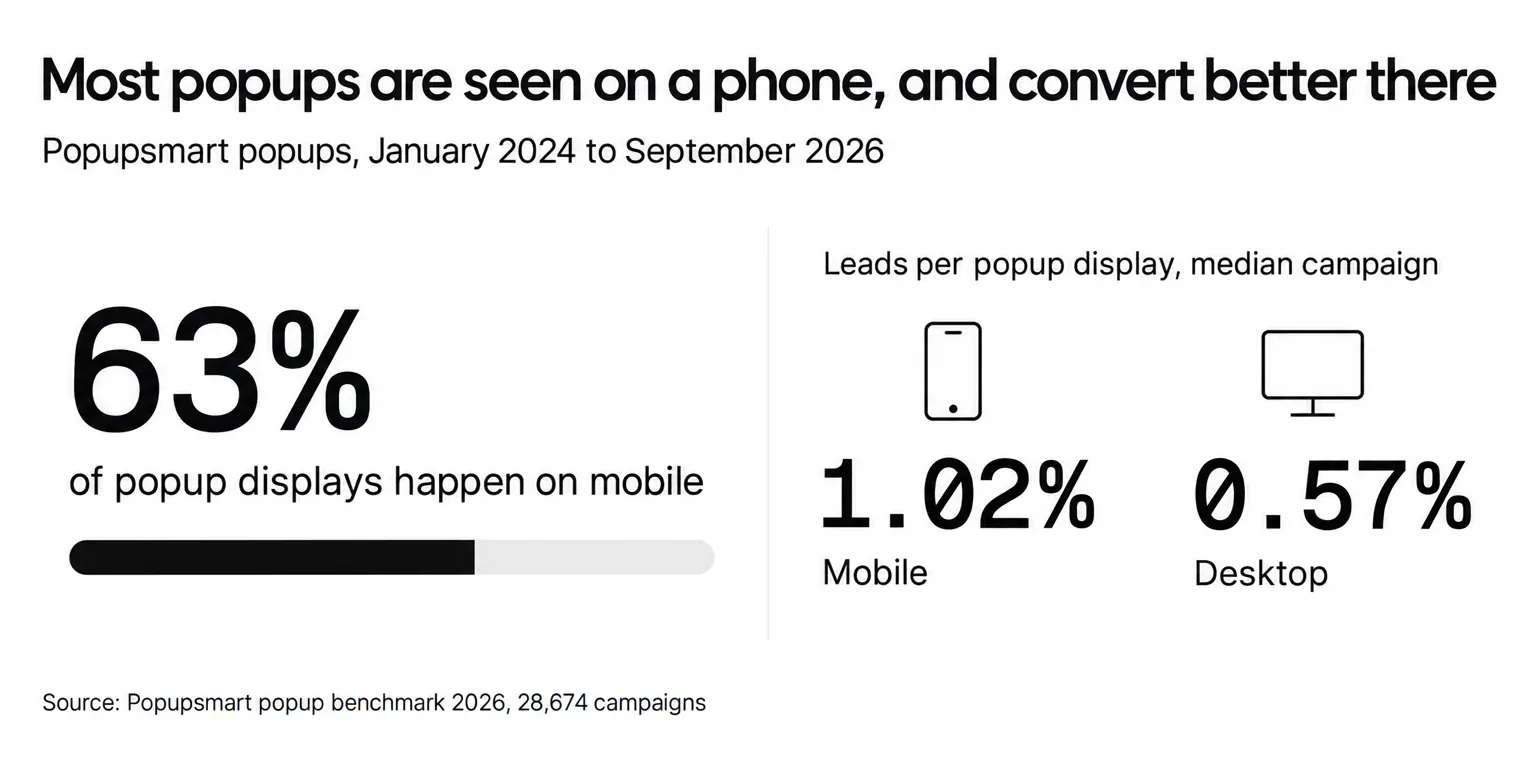
Most popup displays in our benchmark happen on mobile, so mobile-optimized click-to-call popups are well worth setting up.
One tap and the visitor is calling you. This type of popup makes calling easy for visitors on mobile, with no number to copy and dial. In Popupsmart, a button's "Call a Phone Number" action does this.
➣ Call Scheduler Popups:
You can let your visitors know that you respect their time!
With these popups, visitors pick a slot and schedule phone calls at a convenient time. Popupsmart's HTML element can embed a booking widget such as Calendly inside the popup.
➣ SMS Subscriber Popups:
Let your visitors stay in the loop with the latest updates!
Invite your audience to subscribe to SMS updates.
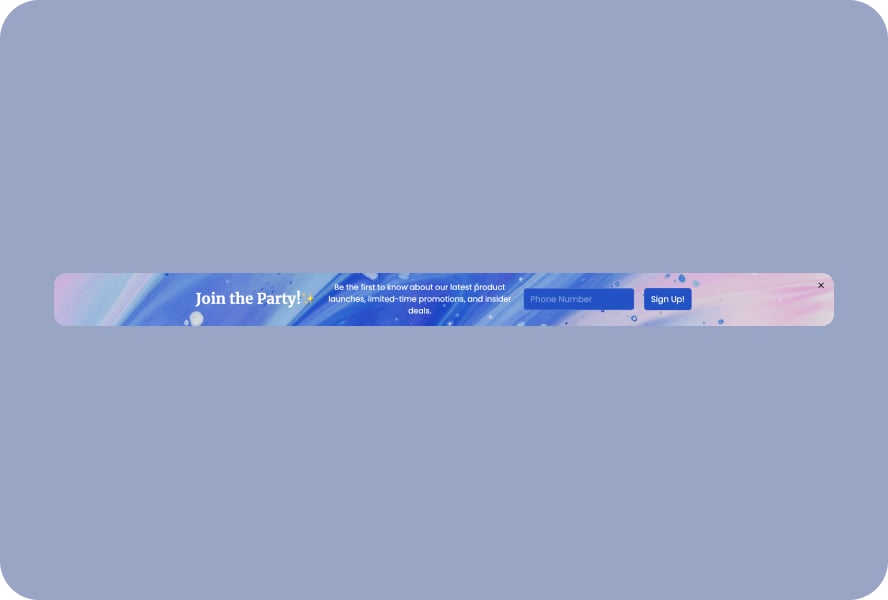
The popup collects the phone number and the visitor's consent; the texts about offers and new products go out from your SMS or email tool. Popupsmart maps phone numbers and SMS consent to Klaviyo, Mailchimp and HubSpot in the integration's Match Fields step. Our guide to the SMS popup covers the setup.
6. Collect Form Submission
➣ Personalized Lead Capture Popups:
Get to know your visitors better!
These popups ask each visitor for lead information that fits what they're interested in, so your follow-up can be more targeted.
➣ Prefilled Lead Capture Popups:
These user-friendly popups come with pre-filled form fields.
Visitors check what's already there and submit, which is less typing for them. Popupsmart can fill a field from a URL parameter, such as a name passed in the link of your email campaign.
➣ Gamified Lead Capture Popups:
Turn form submission into a fun experience!
A game in front of the form makes filling it out feel less like a chore. That helps with increasing participation, and you still get the data you asked for.
➣ Yes/No Form Popups:
Quick and straightforward!
These popups ask a simple Yes/No question. Answering takes a single click, so it's easy for visitors to provide valuable feedback.
➣ Event Registration Popups:
Use these popups to get more people signed up for your event.
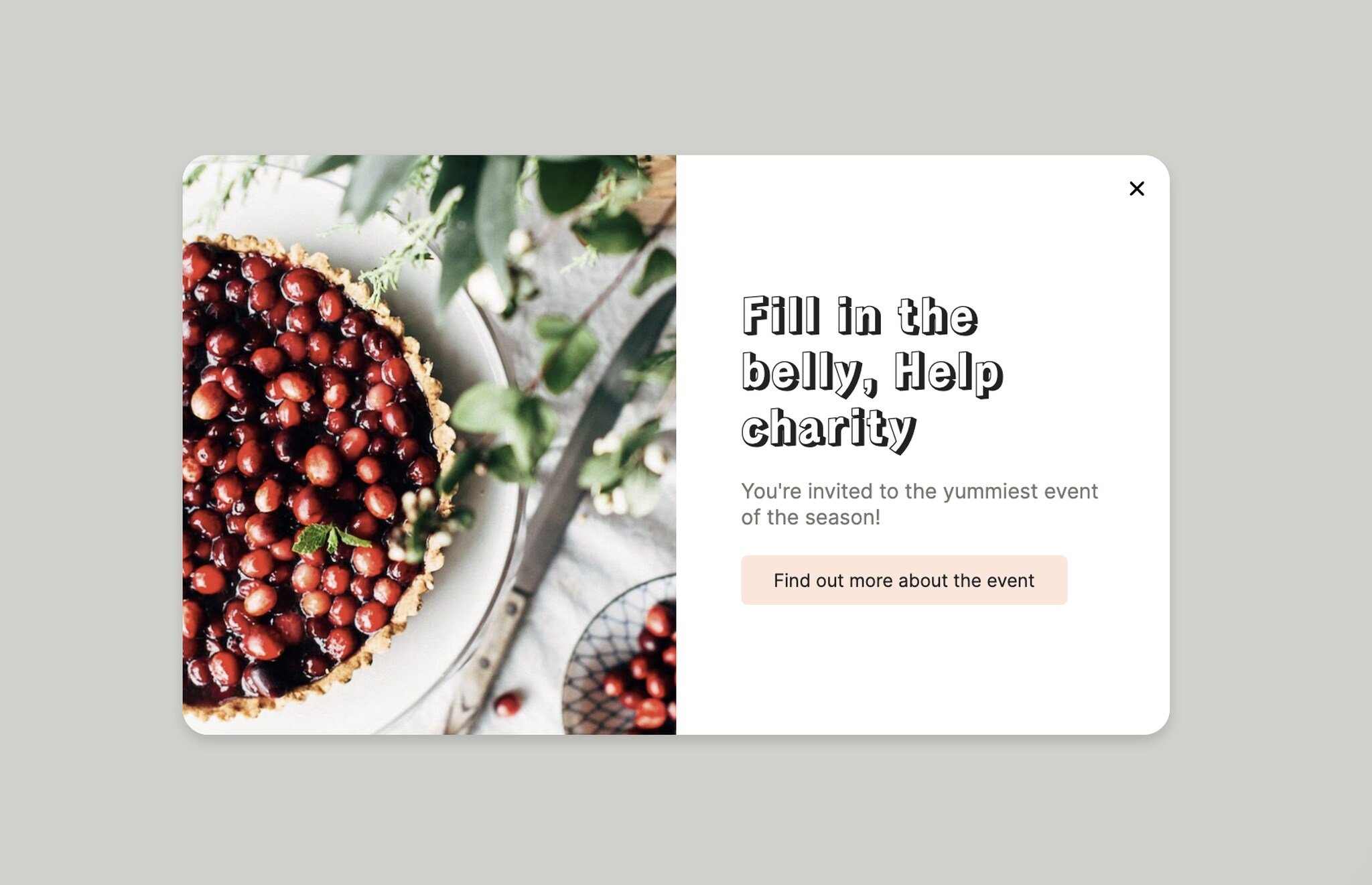
With this type of popup, you can allow attendees to register easily.
➣ Job Application Popups:
These popups handle the first step of the application process.
Popupsmart's forms have no file upload, so a popup can't take a CV. Use it to collect a candidate's name, email address and the role they're interested in, then link to your careers page for the full application.
➣ “Contact Us” Form Popups:
These popups keep communication open between you and your visitors.
A short contact form makes reaching out easy. Reply quickly, and that first message can turn into a lasting relationship.
7. Make Announcements
➣ Multi-Regional News Announcement Popups:
Use these popups to share news and updates with visitors in different regions.
Each audience hears about the changes that affect them, and only those. Browser-language and geo-located targeting decide which region sees which message.
➣ Back-in-Stock Popups:
Tell your visitors the product they wanted is back.
These popups keep customers in the loop by announcing the long-awaited return of popular products that were previously out of stock. A popup can also collect signups for a restock alert; the alert itself goes out from your email tool.
➣ Events Announcement Popups:
Save the date!
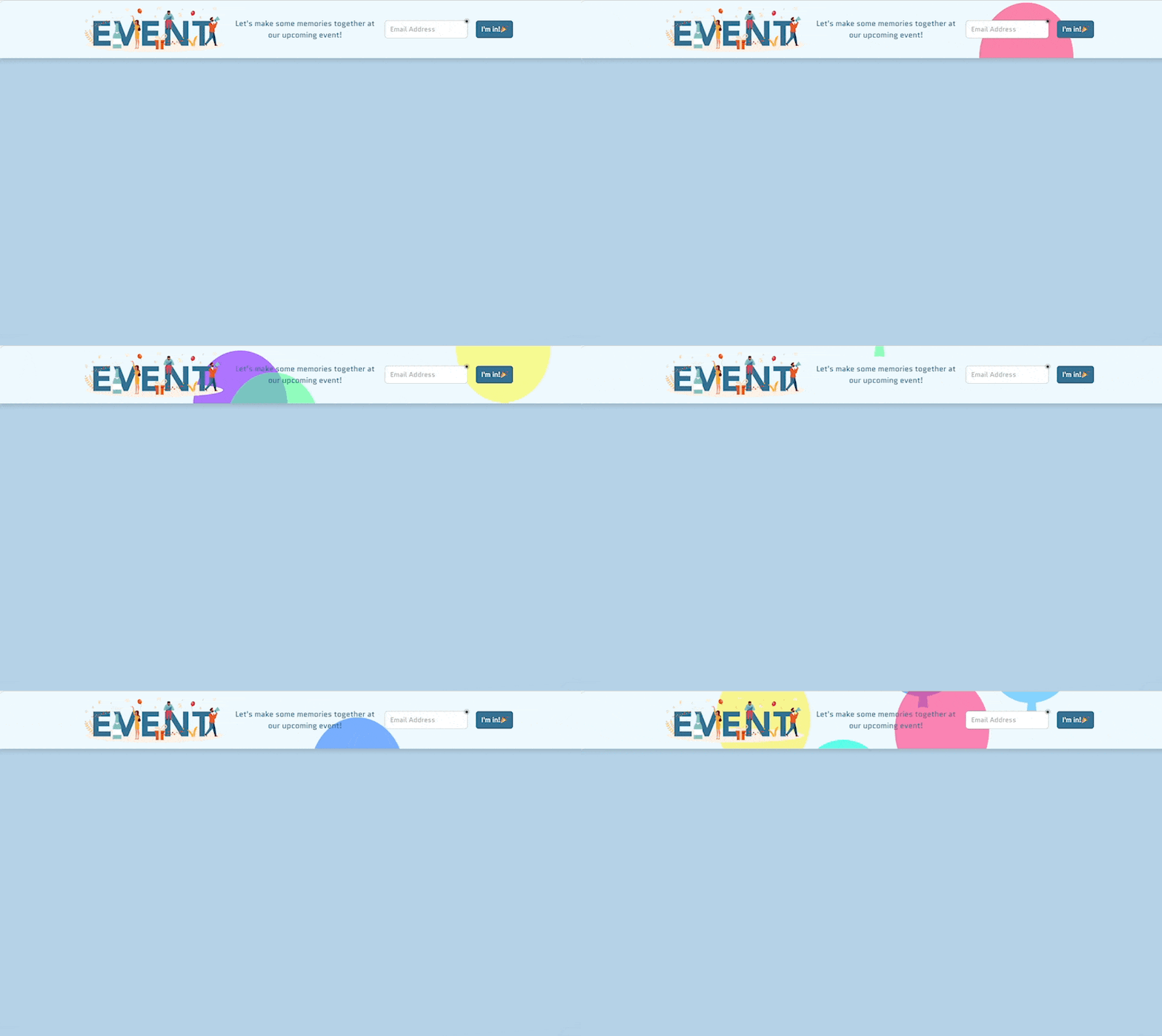
Use these popups to announce upcoming events early enough that your audience can plan to come.
➣ Policy Update Popups:
With this type of popup, you can keep your audience informed about important policy changes.
A short, clear notice tells customers about the change up front instead of leaving it buried in the small print.
8. Increase User Engagement
➣ Contest Popups:
You can surprise your audience with these popups, announcing exciting contests and irresistible giveaways.
Then invite them to enter for a chance to win the prize.
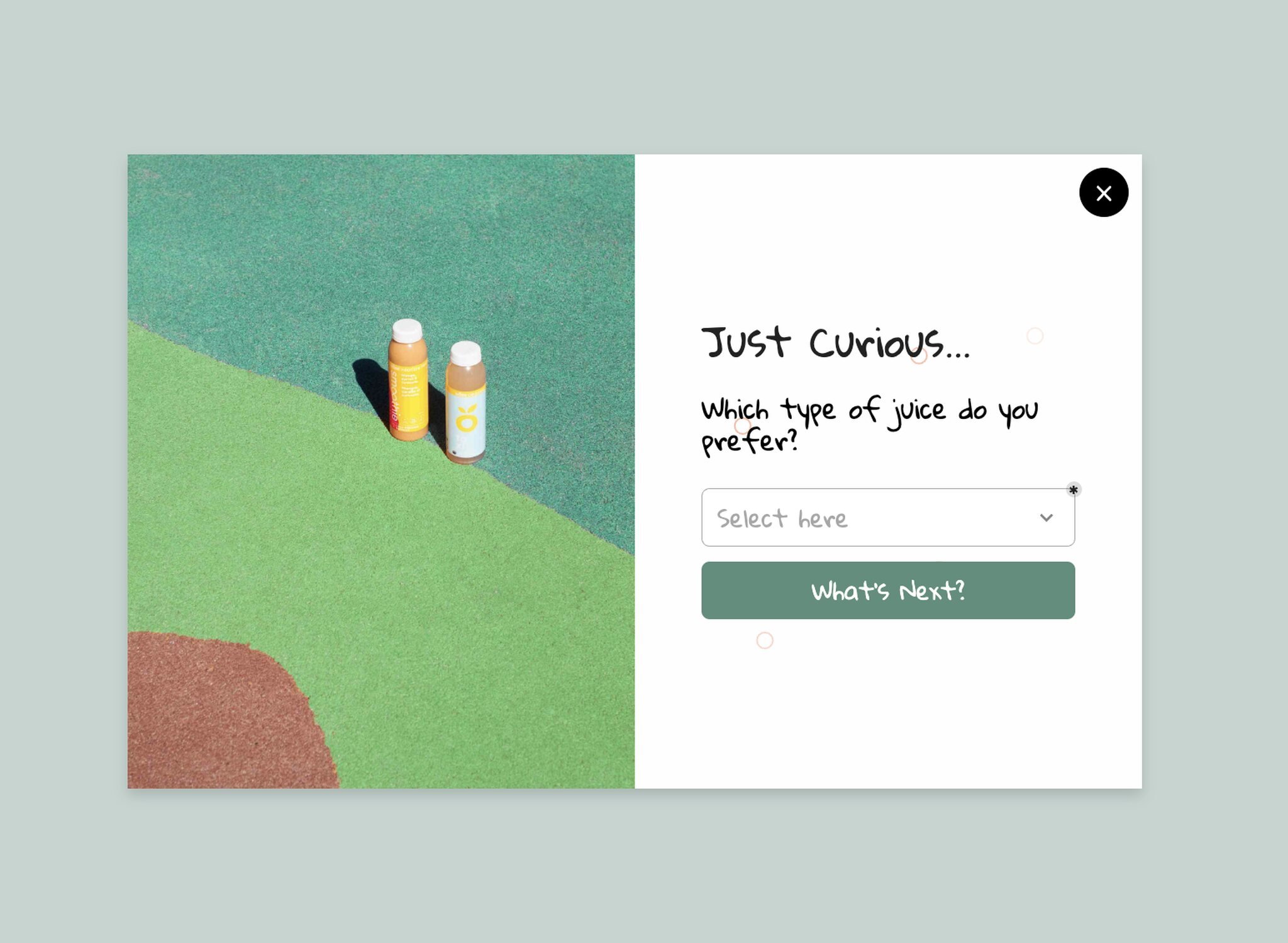
➣ Fun Quiz Popups:
Who doesn’t like fun quizzes? You can engage your audience with this type of interactive popups.
➣ Video Promotion Popups:
Point visitors to your newest content with these dynamic popups, showcasing your latest videos. Popupsmart's video element plays YouTube videos.
➣ Blog Post Promotion Popups:
This type of popup sends readers to your content.
Use it to promote your latest blog posts to visitors who might never have scrolled down to find them.
9. Collect Feedback & Surveys
➣ NPS Survey Popups:
These user-friendly popups conduct Net Promoter Score (NPS) surveys, helping you understand how likely your customers are to recommend your products or services.
➣ Customer Satisfaction Survey Popups:
Customer satisfaction surveys give your audience a chance to say what they think, and their answers tell you what to improve.
➣ Product Feedback Popup:
You can enhance your products or services with these feedback popups.
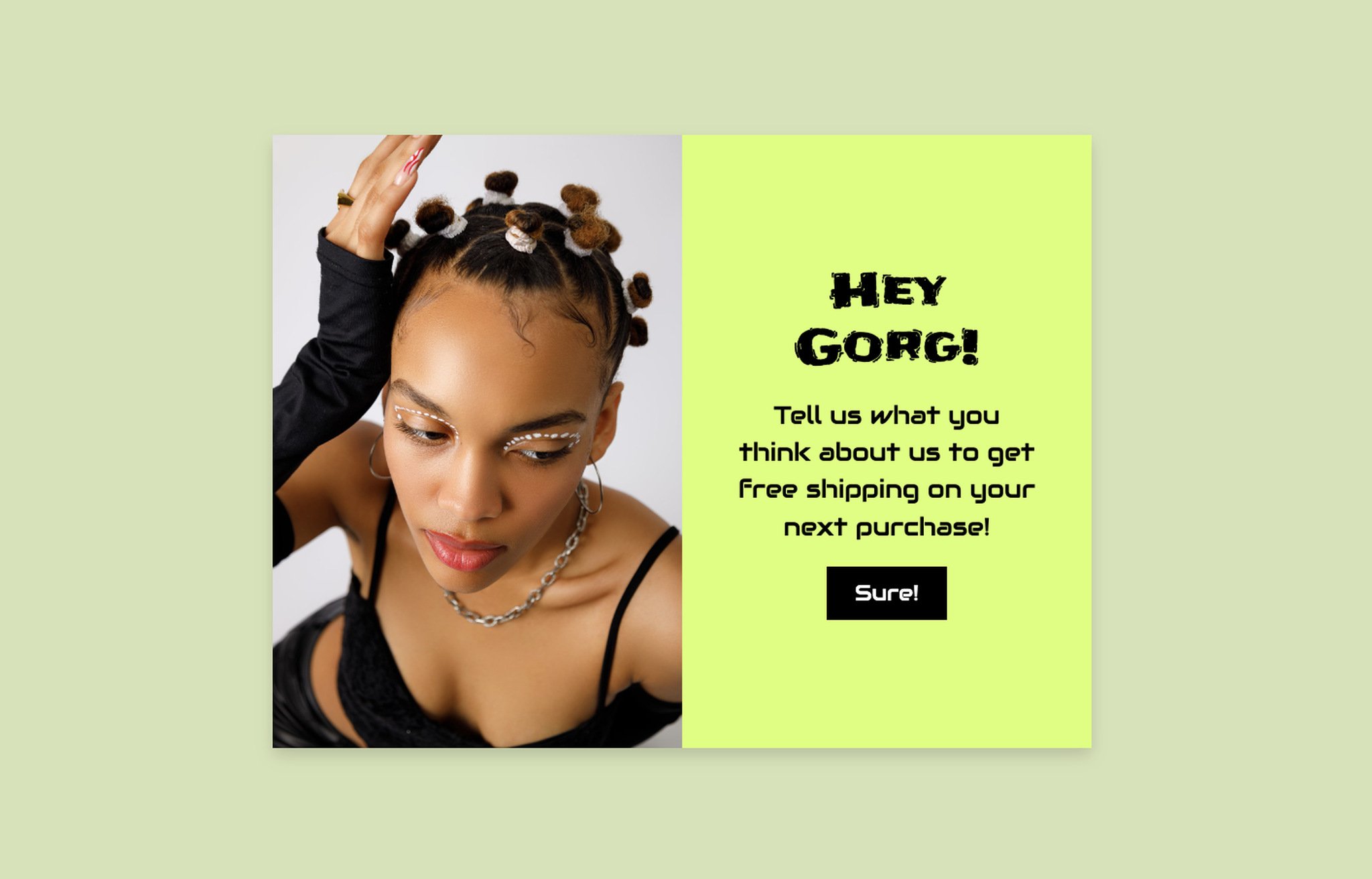
Customers tell you what's missing and what gets in their way. That gives you a clearer idea of what to fix next.
10. Facilitate Social Sharing
➣ Social Media Follower Popups:
Want to grow your social media presence?
These popups ask visitors to follow your X (Twitter) or LinkedIn profiles. Each new follower is someone you can reach again without paying for it.
➣ Share the Page Popups:
Let your visitors spread the word about your content or products.
By allowing users to easily share your page with friends on social media, you'll increase your website's reach and attract more potential customers.
4 types of popup formats
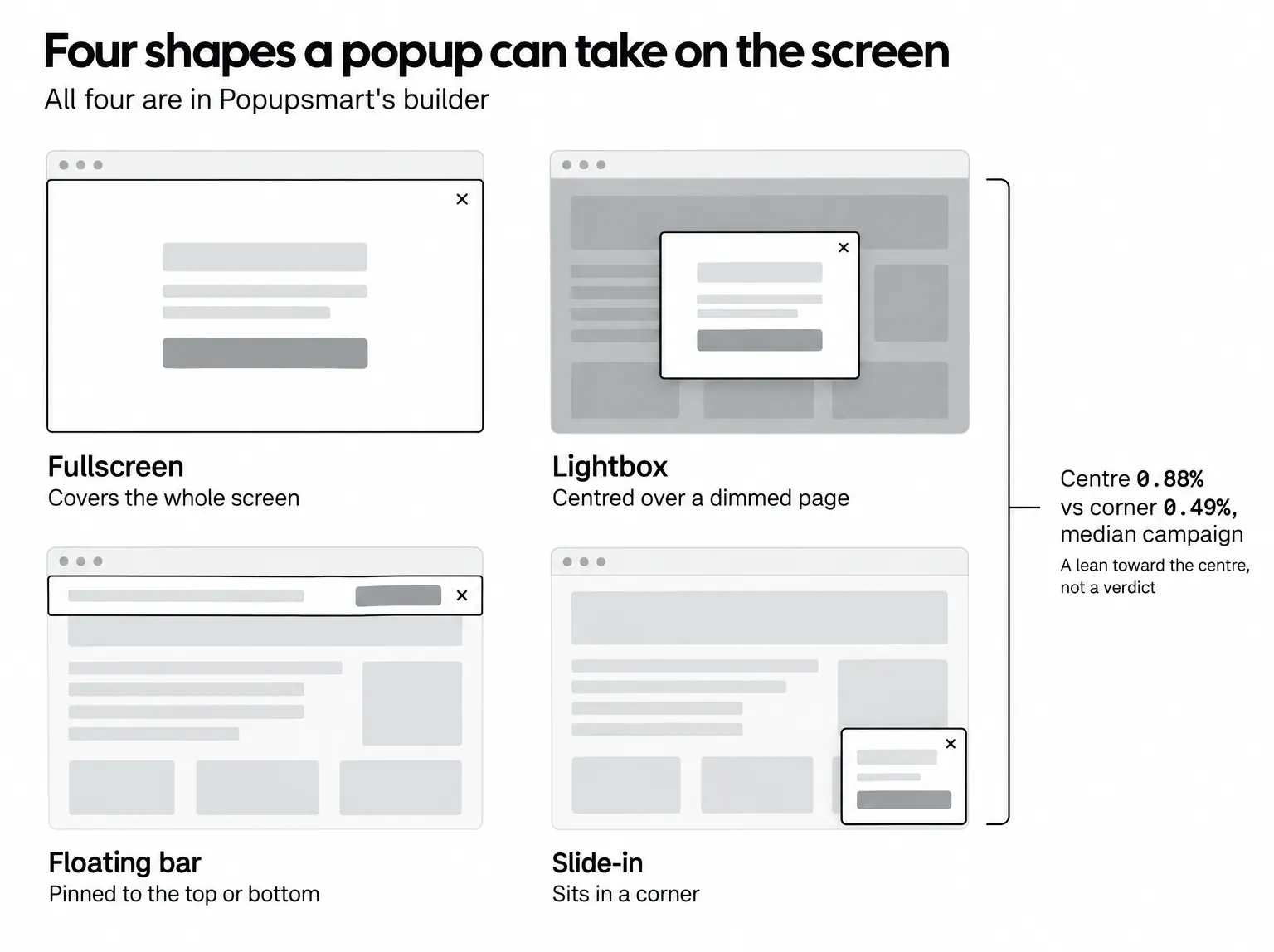
The format is the shape a popup takes on the screen. Popupsmart's templates come in light popups, fullscreen popups and floating bars, and any popup can be moved to a corner, which gives you the fourth format, the slide-in.
1. Lightbox Popups
Lightbox popups are a kind of popup that shows pictures, videos, or other media in a window that appears on top of the main content.
They usually appear in the middle of the screen and have a neat trick to make them stand out: they make the background a bit darker so the popup gets your attention.
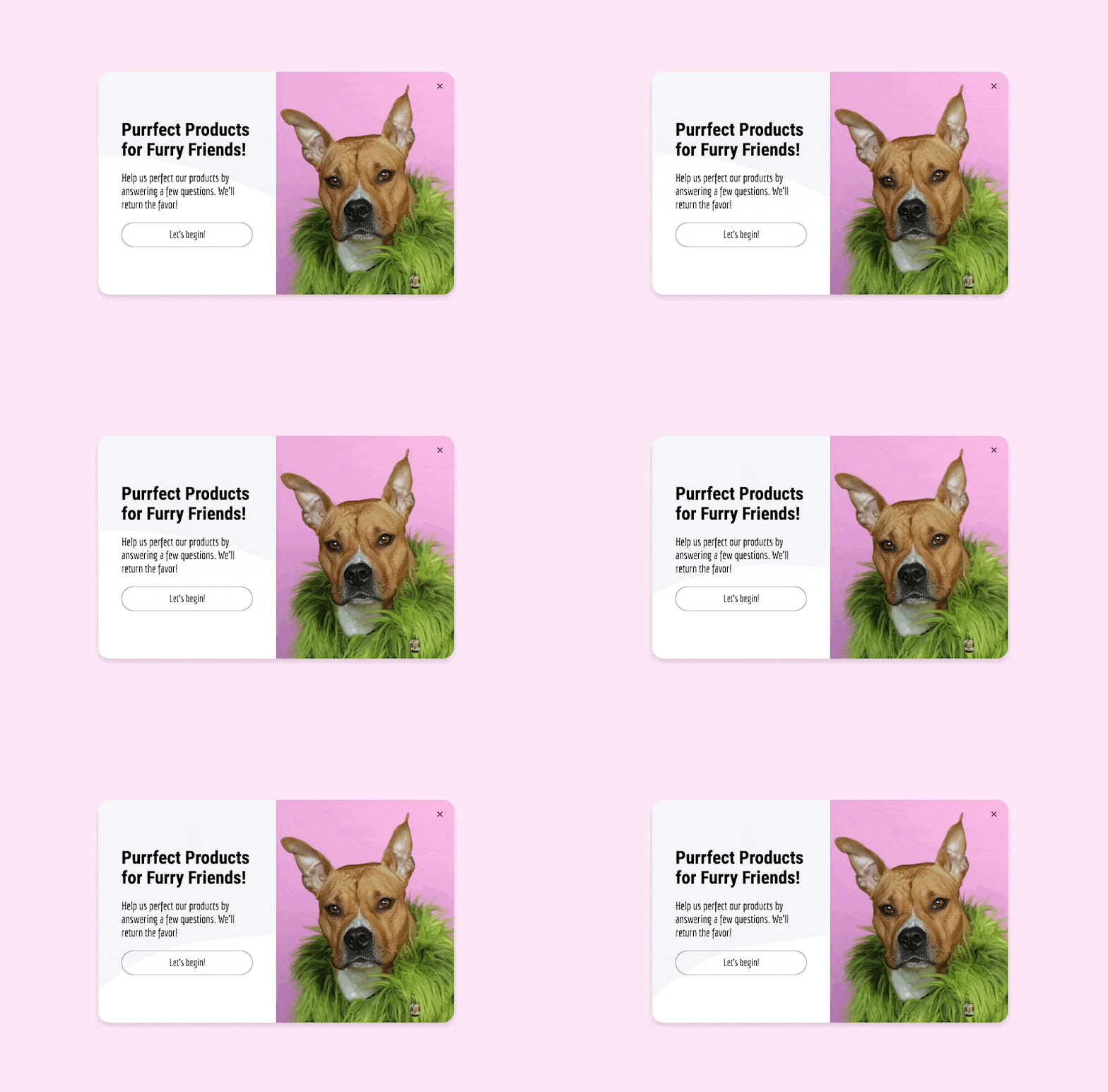
Think of it like looking at a picture through a frame that's highlighted, making it more eye-catching and focused.
That's why they're called "lightbox" popups!
It's a common way for websites to show you something special or get you to take action.
2. Fullscreen Popups
Fullscreen popups are those big popups that completely cover your whole screen when you visit a website or use an app.
They take control of everything you see, hiding the regular content until you do something about the popup, like closing it or clicking on it.
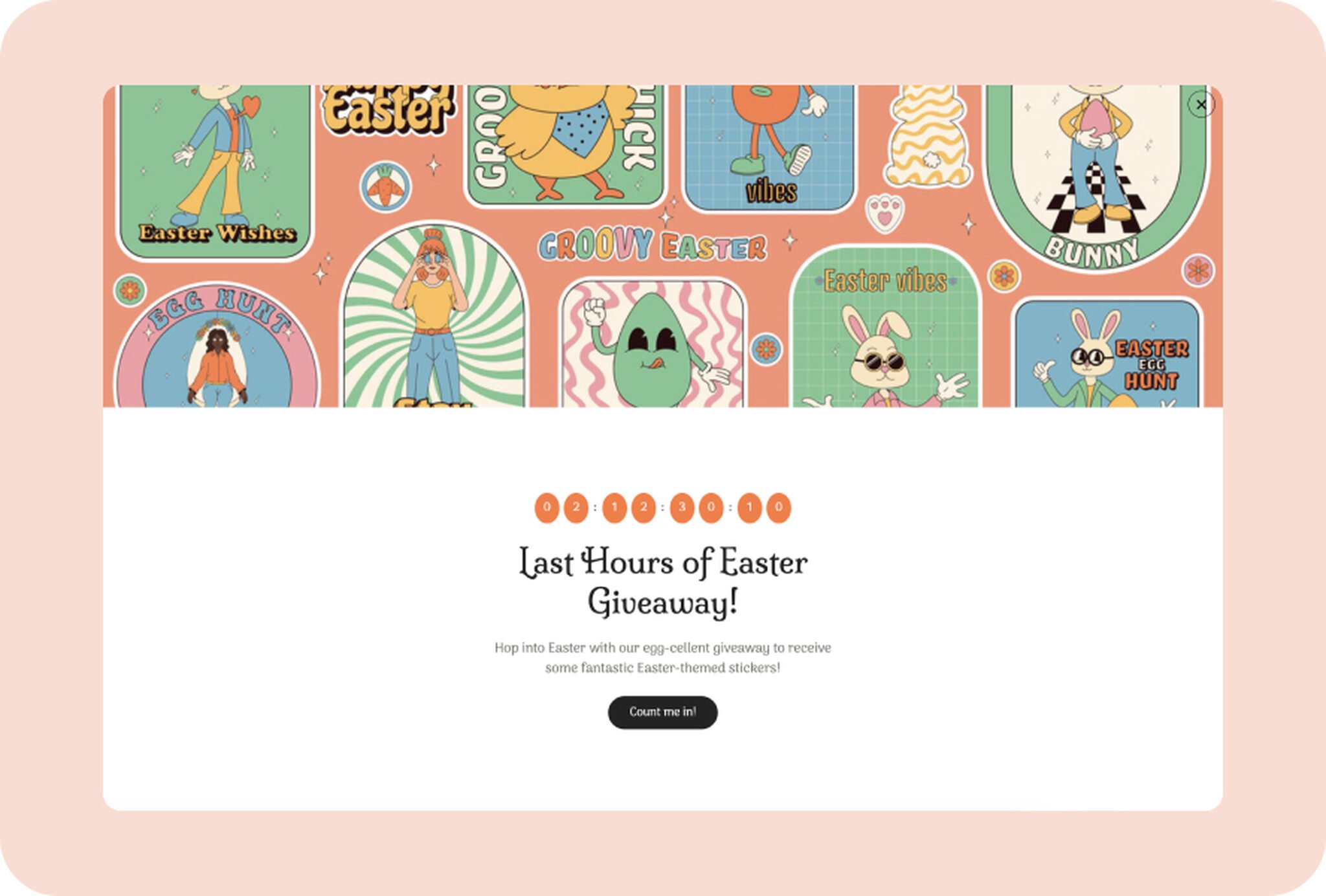
Imagine it's like a giant poster that suddenly appears in front of you, blocking your view of everything else.
These popups are designed to grab your attention because they're hard to miss, but some people might find them annoying or intrusive if they're not used in a careful and considerate way.
3. Floating Bar Popups
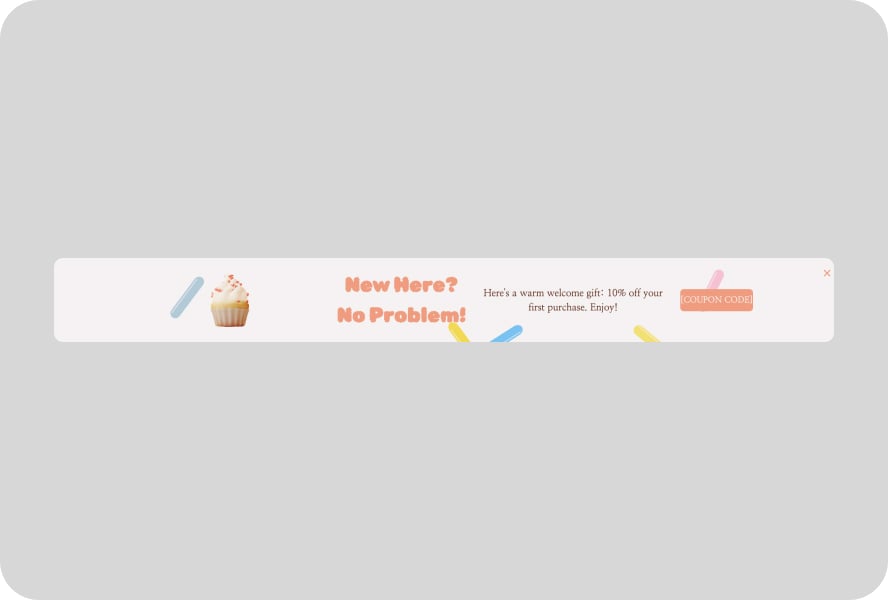
Floating bar popups, also known as "sticky bars" or "notification bars," are those small and narrow popups that stay fixed at the top or bottom of a webpage while you scroll.
They are like little bars that follow you as you move up and down the page, so you always see them.

These popups are often used to show important messages, promotions, or calls to action without being too disruptive.
Since they're always visible at the top or bottom of the screen, they catch your eye, but they're not as overwhelming as fullscreen popups.
They can be handy for highlighting time-sensitive offers, collecting email subscriptions, or sharing essential announcements while keeping the rest of the content easily accessible. For bars you can copy, see our announcement bar examples.
4. Slide-in popups
A slide-in popup enters from the edge of the screen and sits in a corner, so the visitor can keep reading while it's open. It suits quieter asks: a survey question, a related article, a chat or call button. In Popupsmart, you make one by setting a popup's position to a corner; a teaser, the small tab that reopens a closed popup, pairs well with it.
Our benchmark has one comparison between formats: center modal popups convert 0.88% vs 0.49% for corner/slide-in boxes (median campaign). The two formats also tend to carry different offers on different pages, so read it as a lean toward the centre for a signup ask, not as a verdict against slide-ins.
Types of Popups by Placement
Header
Header popups appear at the top of a website or web page.
They are one of the first things visitors see when they land on the site. That makes them attention-grabbing and effective for announcing important messages or promotions. In Popupsmart, a floating bar pinned to the top gives you this placement.
Center
Center popups are positioned in the middle of the screen, usually as a modal or overlay.
They draw the user's focus and are commonly used for displaying critical information or capturing leads without being overly intrusive.
Sidebar
Sidebar popups are located on the side of a webpage, often in a fixed position as the user scrolls.
They are useful for promoting special offers, collecting email sign-ups, or providing additional content that complements the main content. Popupsmart's side positions place a popup along the left or right edge.
Footer
Footer popups appear at the bottom of the website or page.
They are a quiet way to show secondary offers, display contact information, or provide a call-to-action as users finish browsing the site.
Popup Types According to Display Times
➣ After X Seconds Popups: These popups appear after a set number of seconds, once the visitor has had a moment to look around.
➣ After Scrolling X Amount Popups: These popups wait until a visitor has scrolled a certain distance down the page.
Someone who has read that far is already interested in your content, which makes it a good moment to ask.
➣ Inactivity-Triggered Popups: These popups bring back visitors whose attention has wandered.
When a visitor stays inactive for a set period, the popup appears and gives them a reason to keep exploring.
➣ Exit Intent-Triggered Popups: These popups give leaving visitors one more reason to stay.
Just as someone is about to leave your website, the popup detects it and shows a last-minute offer or message. Our exit-intent popup examples show how stores word that last offer.
➣ On-Click Triggered Popups: These popups open only when a visitor clicks a specific element, such as a button or a link.
The visitor asked for it, so nothing gets interrupted. Use it for extra information or a quick route to an exclusive offer.
➣ After X Page Views Popups: These popups wait until a visitor has opened a set number of pages, so they reach people who are already exploring your site, for example with a newsletter or back-in-stock signup.
➣ Countdown Timer Popups: A countdown timer popup is a type of popup notification that displays a visual timer on a website or web page.
The timer is set to count down from a specific time, often with the goal of creating a sense of urgency and encouraging visitors to take immediate action.
Countdown timer popups are commonly used in marketing and e-commerce to promote limited-time offers, flash sales, events, or any time-sensitive promotions.
What does our data say about timing? Popups that wait before appearing convert 0.83% vs 0.61% for popups shown the instant the page loads (median campaign); the direction holds in every year of data but the difference is not statistically reliable, so treat it as a lean, not a rule. The exact delay length (0-5 seconds vs 21-60 seconds) makes no measurable difference to conversion. And exit intent shows no statistically reliable advantage: popups on the most sensitive exit-intent setting converted 1.10% vs 0.78% without exit intent (median campaign), a gap that could be chance.
Bonus
Gamified Popups
Gamified popups use interactive elements and game-like features to capture visitors' attention and invite them to take part. Popupsmart's games are spin-to-win, lottery ball and surprise box.
They make your website interactions more exciting, and people do play them.
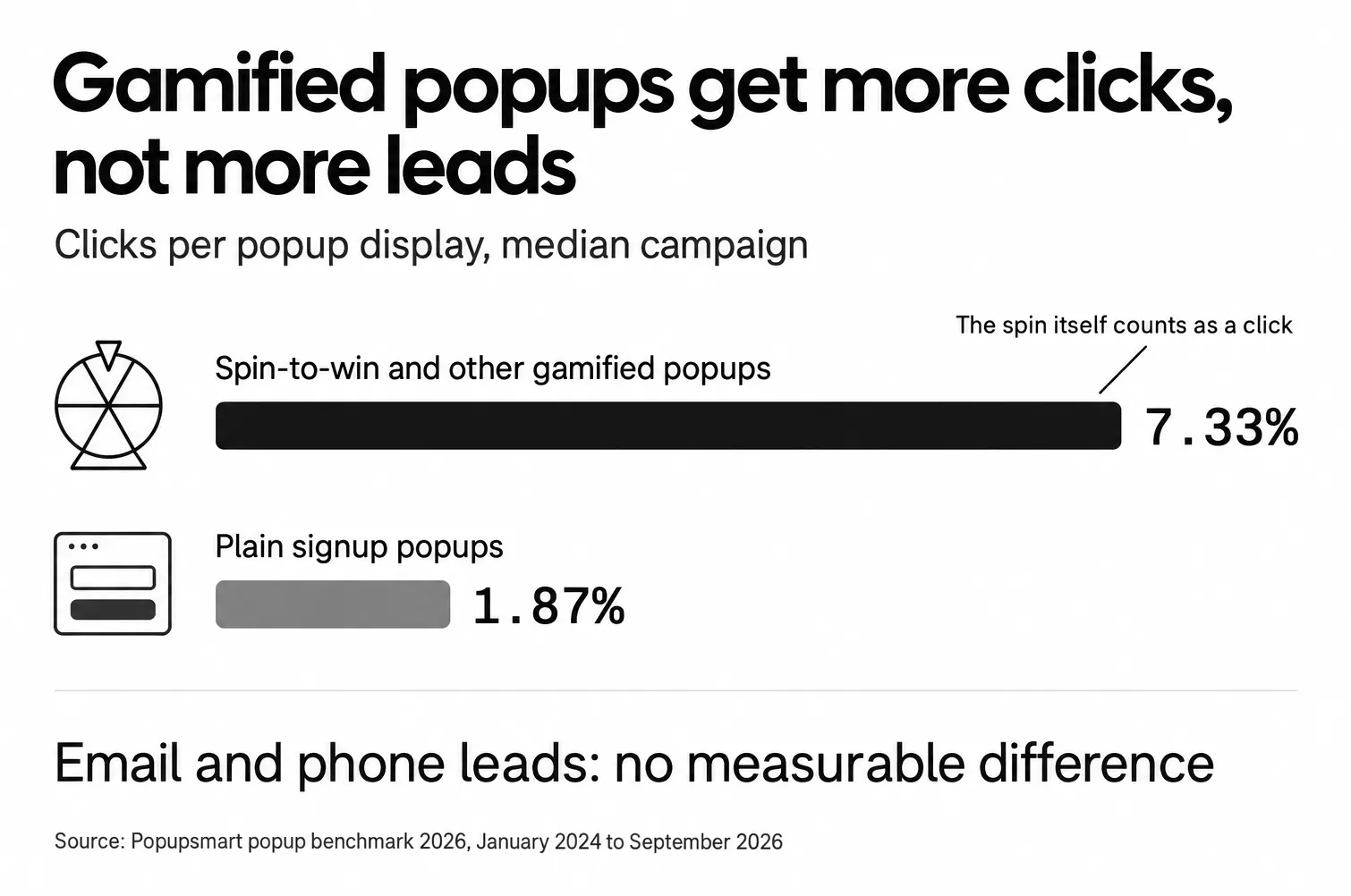
Spin-to-win and other gamified popups get far more clicks (7.33% vs 1.87% of displays, median campaign; the spin itself counts as a click), but do not collect measurably more email or phone leads than plain signup popups. That one surprised us. So a wheel earns attention; whether it earns a bigger list depends on the offer behind it.
Multistep Popups
Multistep popups break a task into smaller steps, so the visitor deals with one question at a time.
You can simplify complex processes this way. Just don't expect the extra step to lift conversion on its own: multi-step forms show no measurable conversion advantage over single-step forms once step-1 clicks without contact details are excluded.
Animated Popups
Bring your popups to life with eye-catching animations!
Animated popups add movement to the design. In Popupsmart, you can add a Lottie animation, including as the popup's background.
Motion helps these popups grab visitors' attention. Put it on the one thing you want people to notice, not on everything at once.
Mobile Popups
A mobile popup is a type of popup notification specifically designed and optimized for display on mobile devices.
It appears as an overlay on a mobile website or app and is used to convey important information, promotions, or calls to action to mobile users.
A good one is intended to be user-friendly on a small screen: easy to close, and out of the way of the content.
So design every popup type in this list for the phone first. Popupsmart has separate desktop and mobile views, and device targeting lets you show a different popup, or none, on each.
How to choose the right popup type
Start from the goal, then pick the format and the trigger. This table is a starting point, not a rule; test it against your own traffic.
| If you want to… | Start with this type | Format | Trigger to try first |
|---|---|---|---|
| Grow an email list | Discount code or lead magnet popup | Lightbox | After X seconds |
| Recover carts | Free shipping or discount popup | Lightbox | Exit intent on cart pages |
| Announce a sale | Campaign announcement popup | Floating bar | On page load |
| Get feedback | NPS or product feedback popup | Slide-in | After scrolling |
| Get more calls | Click-to-call popup | Floating bar on mobile | After X seconds |
Keep the form short whatever the type. Popups asking for one or two fields convert 0.88% and 0.94%, against 0.56% for three fields (median campaign; spin-to-win and other gamified popups are counted separately).
For design, copy and frequency rules that apply to every type above, see our popup best practices. When you're ready to build one, start from Popupsmart's popup templates.
Before You Leave…
That's a long list, and most sites only need a handful of these types.
A fullscreen popup demands attention; a floating bar stays quietly in view. Each type serves a unique purpose, with its own trade-offs.
Whichever you pick, aim for a balance between engaging users and respecting their browsing experiences.
Match the type to the goal, show it at the right moment, and it will help you drive conversions without pushing visitors away.
What is your favorite type of popup?
Frequently Asked Questions
What are the different types of popups?
Popups are grouped four ways. By format: lightbox, fullscreen, floating bar and slide-in. By placement: header, center, side and footer. By trigger: after a delay, after scrolling, after inactivity, on exit intent, on click or after a number of page views. And by goal: sales, email list growth, cart recovery, promotions, calls, forms, announcements, engagement, feedback and social sharing.
What is the difference between a modal and a lightbox popup?
A modal popup is any popup that takes focus until the visitor acts on it or closes it. A lightbox is a modal that sits in the centre of the screen and dims the page behind it. So every lightbox is a modal, but a fullscreen popup is a modal too.
Which popup type works best on mobile?
In Popupsmart's 2026 benchmark, mobile visitors convert on popups at 1.02% vs 0.57% on desktop (median campaign), and 63% of popup displays happen on mobile. On a phone, use a popup that leaves the content reachable, such as a small centred popup, a bottom slide-in or a floating bar, because Google's guidance warns against interstitials that cover the main content.
Do gamified popups collect more leads?
Not measurably. In Popupsmart's 2026 benchmark, spin-to-win and other gamified popups get far more clicks (7.33% vs 1.87% of displays, median campaign; the spin itself counts as a click), but do not collect measurably more email or phone leads than plain signup popups.
Why do Websites still Use Popups?
Websites still use popups because they serve essential purposes, such as grabbing users' attention, supporting lead generation and conversions, promoting user engagement, and highlighting important content.
Popups also allow for personalization, A/B testing, and compliance with legal requirements. However, it's important to use popups thoughtfully to avoid annoying users and maintain a positive user experience.
When used strategically and with user-centric design, popups can be effective tools to enhance website performance and engagement.
How Effective are Popup Ads?
Popup ads' effectiveness varies depending on factors like design, relevance, and user experience.
Well-designed popups can grab attention, lift conversions, and collect leads.
However, annoying or intrusive popups may be blocked or disliked by users. Mobile responsiveness and exit intent technology can enhance their impact.
Effective popup ads require thoughtful implementation, considering user preferences and optimizing their content and frequency.
How does a Popup Work?
Popups work by displaying a separate window or dialog box triggered by specific events like clicking a button or link, reaching a certain point on a webpage, attempting to exit the site, or after a time delay.
They grab attention and focus users on their message or action. Users interact with popups by clicking buttons, filling out forms, or closing them.