
50+ Persuasive Words That Sell: Examples, Formulas & Tips

 ChatGPT
 Perplexity
 Claude
 Grok
Grok Google AI Mode
Compares weak marketing phrases with higher-converting alternatives and lists 50+ persuasive “power words” plus 10 copy formulas to boost popups, CTAs, ads, and emails using urgency, exclusivity, curiosity, and trust.
Whether you're crafting popups, email subject lines, ad copy, or landing pages, the words you choose can make or break your conversions.
Today, I will show you 50+ powerful, persuasive words that sell, explain why they work, and give you real-life examples of how to use them effectively.
Weak Words vs. Persuasive Words That Sell
I know how frustrating it can be when your marketing message doesn’t convert. You spend time crafting the perfect call-to-action, only to see people scroll past without clicking. I’ve been there too!
That’s why I created this persuasive words table—a side-by-side comparison of weak, outdated phrases versus powerful, high-converting alternatives. Whether you're writing a popup message, ad copy, catchy email subject lines, or website CTA, using the right words makes all the difference.
Persuasive Words That Sell
| ❌ Wrong Example | ✅ Correct & High-Converting Alternatives |
|---|---|
| We Guarantee | 100% Money-Back Promise, Love It or Your Money Back, Satisfaction Guaranteed – Or You Don’t Pay, Try It Risk-Free, Your Success Is Guaranteed, Zero Risk – All Reward, Protected by Our 30-Day Guarantee, We Stand Behind Our Product, No-Risk Purchase, You’re Fully Covered |
| Cheap | Best Value, Exclusive Deal, Affordable & High-Quality, Premium for Less, Great Savings, Budget-Friendly Excellence, Luxury at a Fraction of the Price, Exceptional Quality, Better Price, High-End for Less, Unbeatable Savings |
| Sign Up | Join the VIP List, Get Exclusive Access, Reserve Your Spot, Be the First to Know, Become a Member – It’s Free!, Unlock Your Special Rewards, Claim Your Perks, Join & Save, Get Early Access, Subscribe for Insider Deals |
| Customers Love Us | 4.9⭐ Rated by 10,000+ Happy Customers, See Why People Are Raving About Us!, Join Thousands Who Switched & Loved It, Real Reviews from Real Users, Trusted by Experts & Loved by Customers, Over 1M Users Can’t Be Wrong!, Our Fans Can’t Get Enough, Award-Winning Service & Quality, Join a Community of Happy Users, Your Peers Swear By It – See Why! |
| Don't Miss Out | Only 3 Left – Order Now!, Exclusive to First 100 Customers, Your Special Discount Expires Soon, One-Time Deal – Never Again!, Hurry – Prices Go Up in 24 Hours, Members-Only Offer – Join Now, Lock in Your Savings Today, Act Fast – Before It's Gone Forever, This Deal Won’t Last – Get It Now!, Final Call – Make Your Move |
| Act Now | Instant Savings Await You, Get Yours Before It’s Gone, Reserve Your Spot Today, Join the Winning Team Now, Snag This Deal Before It’s Over, Start Enjoying Benefits Today, Secure Your Exclusive Discount, Claim Your Special Reward Now, Today’s the Day – Take Action!, Your Next Big Thing Starts Now |
| Try Our Product | Experience the Magic Yourself, See What Makes Us #1, Discover the Difference Today, Give It a Spin – You’ll Love It, Take It for a Test Drive, Feel the Power of [Product], Unlock a Better Experience, Revolutionize Your [Problem] Today, Your Game-Changer Awaits, Why Wait? Dive in Now! |
| Order Now | Claim Your Special Offer, Reserve Yours Today, Be Among the First to Own It, Secure This Deal Now, Get Yours Before It’s Too Late, VIPs Are Ordering – Join Them!, Snag It Before Prices Rise, Fast-Track Your Order Today, Lock in Your Deal Now, This Won’t Last – Act Now! |
| Just Another [Product] | The Ultimate [Product] Experience, Unlike Anything You've Tried Before, A Revolution in [Product Category], More Than Just a [Product] – It’s a Game-Changer, Finally, a [Product] That Works, A Smarter, Faster, Better [Product], Next-Level Innovation in [Product], What Everyone’s Talking About, Designed for Those Who Expect More, The Future of [Product] is Here |
50+ Persuasive Words & Phrases That Sell With Real-Life Examples
If you’re running an online business, you know how crucial popups and floating bars are for capturing leads and driving sales. But here’s the secret:the words you use inside your popups matter just as much as the design and popup timing.
Persuasive Words & Phrases That Sell on Popups
1. ALERT, BEFORE
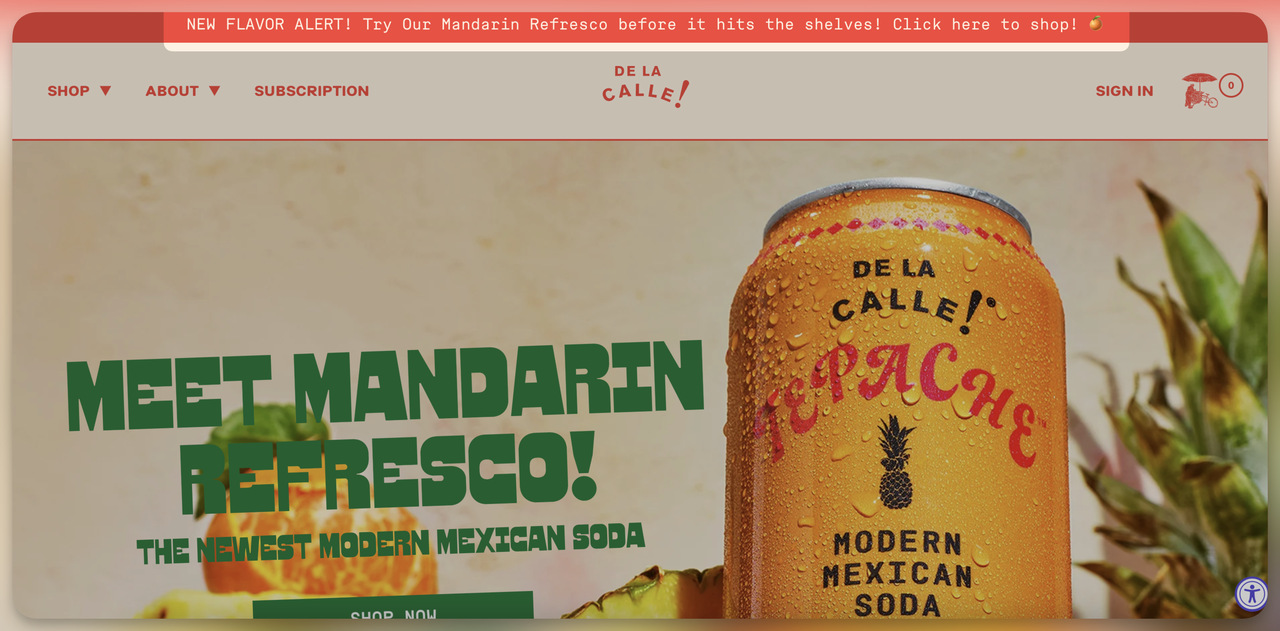
Why It Works: “Alert” immediately grabs attention, and “Before” creates FOMO (Fear of Missing Out) and urgency.
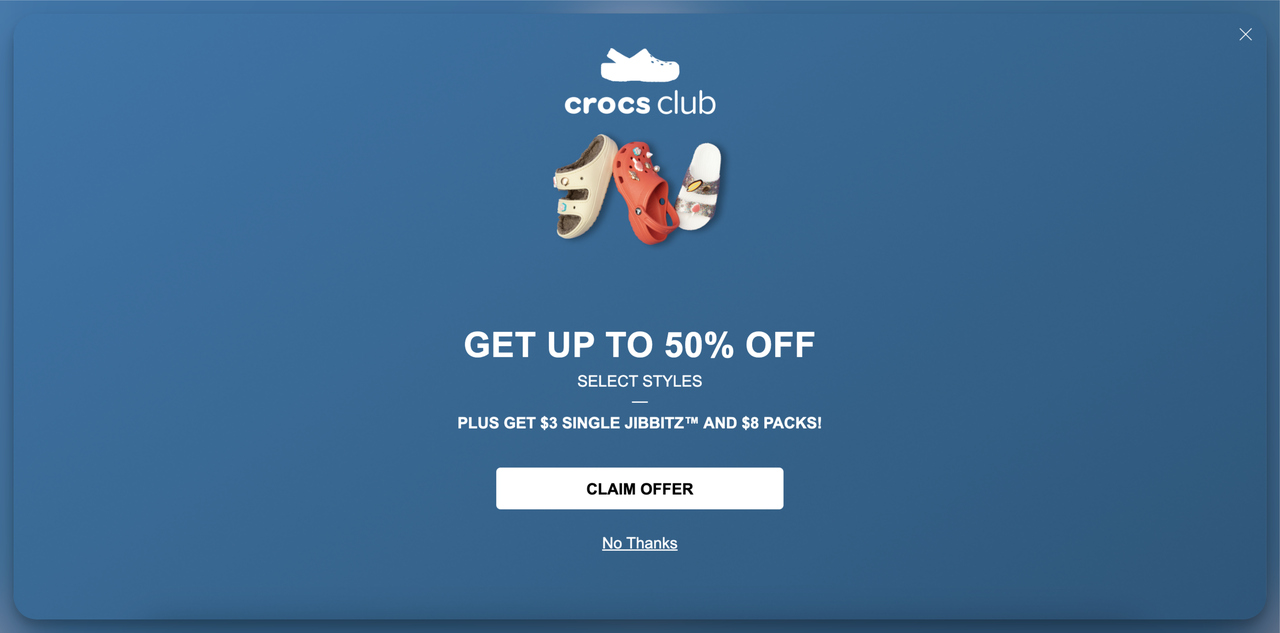
2. GET UP TO, CLAIM
3. REVEAL – Creates curiosity and engagement (“Reveal Your Mystery Offer 🎁”)
4. VIP – Adds an elite, premium feel (“VIP Alert: Special 25% Off for You”)
5. SLIP IN – Creates a sense of getting in on an exclusive deal (“Slip In & Grab 20% Off Before It’s Gone”)
6. SCOOP – Implies an exclusive, limited-time deal (“Scoop Up Your Secret Discount Now!”)
7. GRAB – Sounds energetic and action-driven (“Grab 25% Off Before It’s Too Late!”)
8. LOCK IN – Conveys security and exclusivity (“Lock In 15% Off Now – No Strings Attached!”)
9. CRACK – Makes the offer feel like a puzzle to solve (“Crack Open Your Exclusive Deal 🎉”)
10. TREAT – Appeals to self-indulgence (“Treat Yourself to 15% Off – Because You Deserve It!”)
11. KEEP UP, LATEST, SPECIAL, FIRST
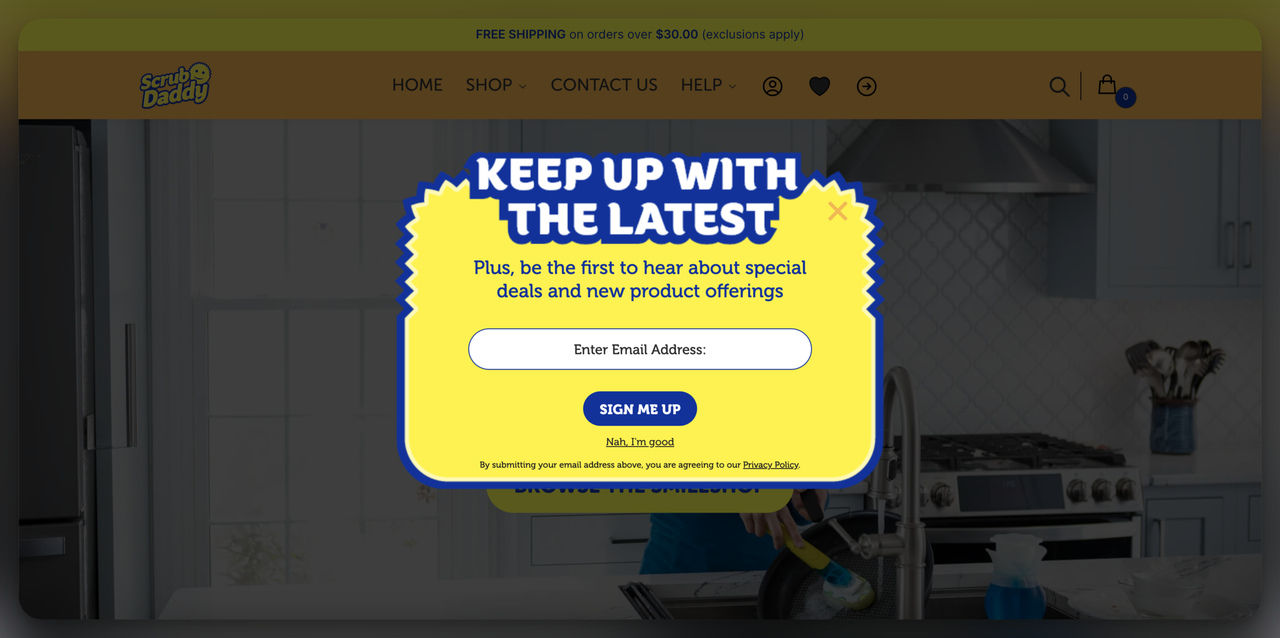
Why It Works: “Keep Up” encourages users to stay informed and engaged. “Latest” implies fresh, valuable updates. “Special” reinforces exclusivity.
12. EXCLUSIVE – Makes the user feel special (“Get Exclusive Content & Deals First!”)
13. INSTANT – Encourages immediate action (“Sign Up for Instant Access to Offers!”)
14. PRIORITY – Feels VIP and urgent (“Join Now for Priority Access to New Drops!”)
15. EARLY ACCESS – Creates exclusivity and FOMO (“Early Access: Be the First to Know!”)
16. INSIDER – Appeals to curiosity and exclusivity (“Join Our Insider List for Special Perks!”)
17. FIRST LOOK – Engages users by offering them a sneak peek (“Sign Up for a First Look at New Arrivals!”)
18. SPECIAL – Adds a sense of personalized value (“Get Special Offers Sent to Your Inbox!”)
19. UPDATES – Feels straightforward and trustworthy (“Subscribe for the Latest Updates & Offers!”)
20. LAST CHANCE – Creates urgency in sales (“Last Chance to Claim Your Discount!”)
21. FINAL CALL – Signals the end of an offer (“Final Call: Offer Ends Tonight!”)
22. HOT DEAL – Adds excitement (“Hot Deal: Save 30% Today!”)
23. SECRET OFFER – Encourages curiosity (“Your Secret Offer is Waiting!”)
24. EXPIRES SOON – Creates urgency (“This Offer Expires Soon – Act Now!”)
25. UNLOCK, JOIN, FAMILY
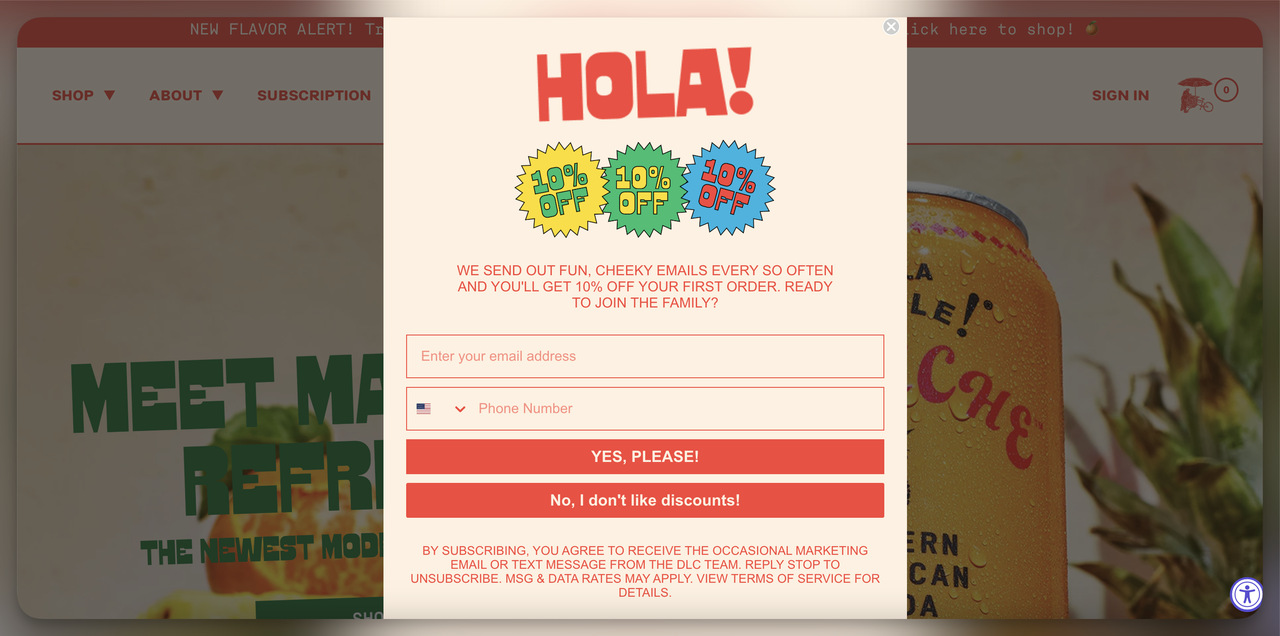
Why It Works: "Unlock" creates exclusivity, "Join" makes it feel welcoming, "Family" builds brand loyalty.
26. MEMBER EXCLUSIVE – Rewards loyalty (“Member Exclusive: Enjoy Early Access!”)
27. FLASH SALE – Adds urgency (“Flash Sale: Limited Time Only!”)
28. BONUS – Increase perceived value (“Bonus Gift with Your Purchase!”)
29. INSIDER ACCESS – Creates VIP appeal (“Unlock Insider Access to Exclusive Deals!”)
30. ACT FAST – Pushes immediate action (“Act Fast: Limited Quantities Available!”)
31. DON’T GO, LIMITED TIME
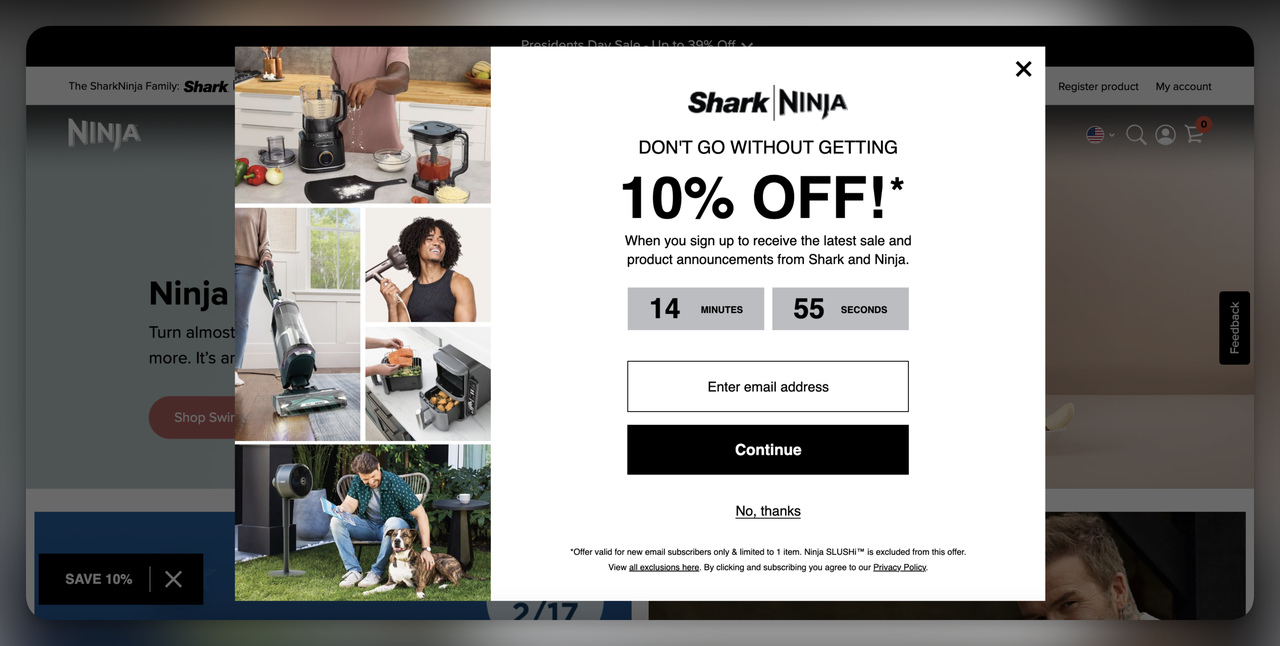
Why it Works: “Don’t Go” triggers fear of missing out (FOMO) to reduce cart abandonment. “Limited Time” creates urgency by including a countdown timer popup.
32. FREE GIFT – Boosts engagement (“Free Gift with Every Purchase Over $50!”)
33. JOIN US – Encourages community (“Join Us & Get Special Perks!”)
34. TOO GOOD TO MISS – Reinforces value (“This Deal is Too Good to Miss!”)
35. ADD TO CART – Calls to action (“Add to Cart & Unlock Special Savings!”)
36. ACCESS, WAREHOUSE, UNLOCK
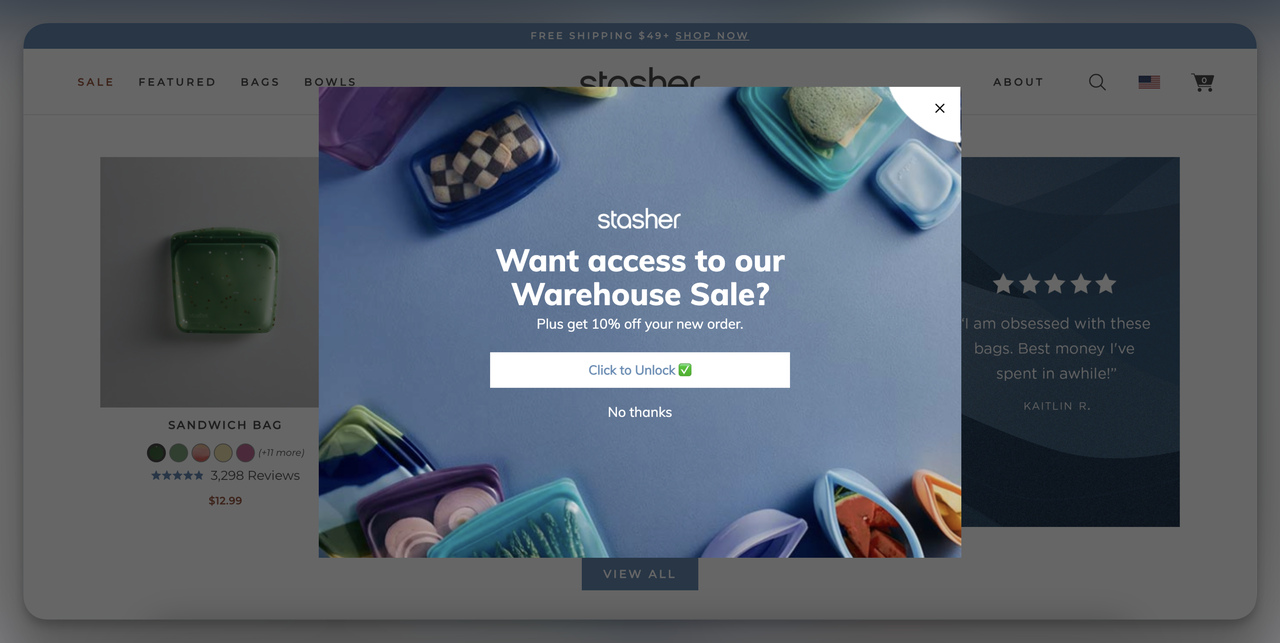
Why It Works: "Access" and "Unlock" create curiosity, "Warehouse" hints at bulk discounts.
37. FIRST ACCESS, REDEEM
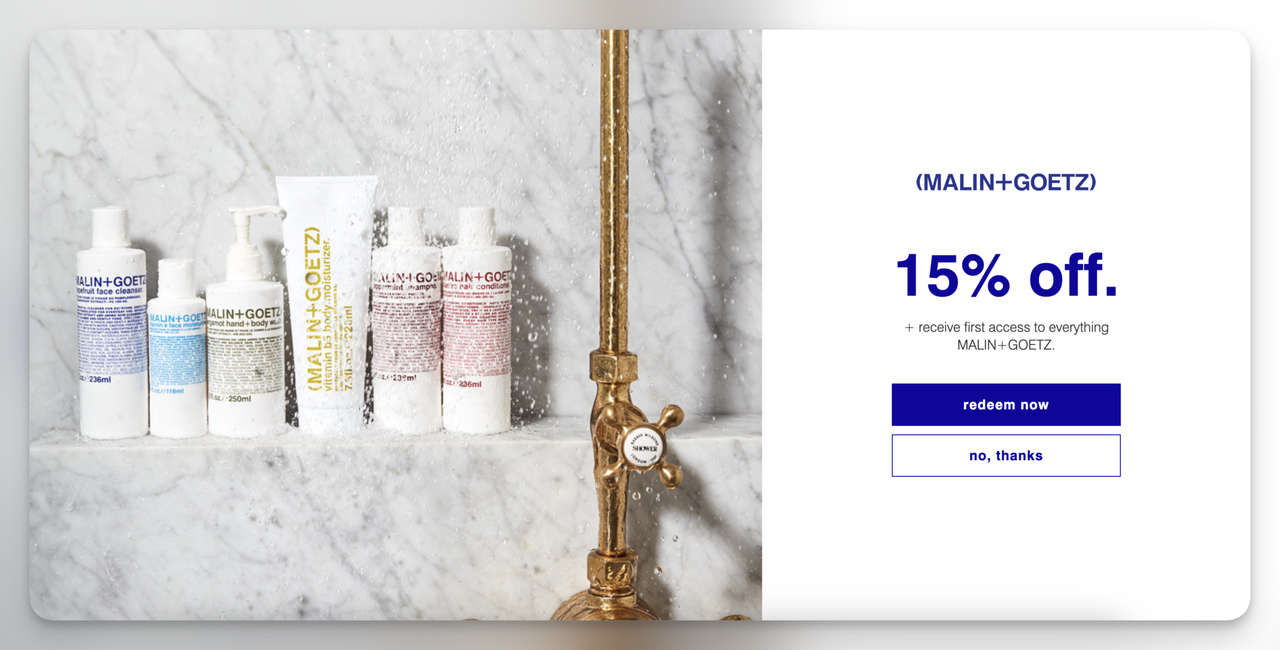
Why It Works: "First" makes users feel ahead, "Access" feels VIP, "Redeem" encourages immediate action.
38. SHOP NOW – Directs immediate action (“Shop Now & Save 20%!”)
39. TODAY ONLY – Adds a deadline (“Today Only: Exclusive 24-Hour Deal!”)
40. ENJOY, NEXT, BE THE FIRST, I’M IN
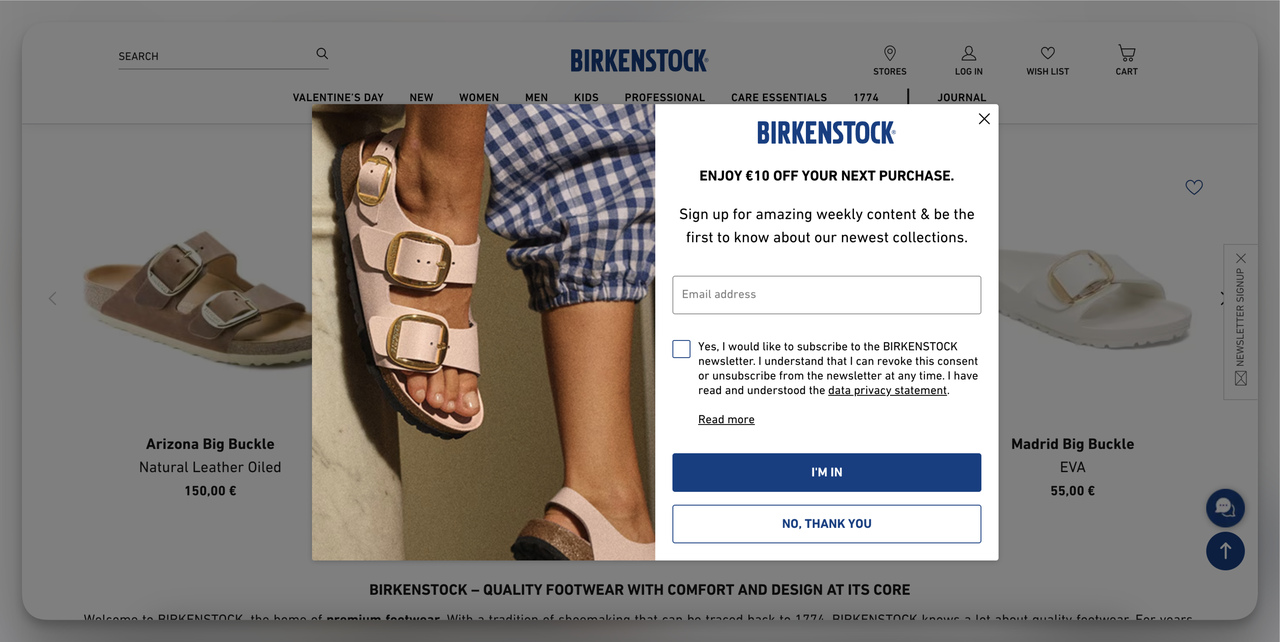
Why It Works: Enjoy” creates a positive association with the brand. “Next” encourages future purchases, fostering loyalty. “Be the First” Triggers exclusivity and FOMO (Fear of Missing Out). “I'm In” is a strong, affirmative CTA that invites commitment.
41. NO RISK – Removes hesitation (“No Risk, Just Rewards – Try It Now!”)
42. DON’T WAIT – Builds urgency (“Don’t Wait! This Deal Won’t Last!”)
43. LIMITED SUPPLY – Creates scarcity (“Hurry! Limited Supply Available!”)
44. WHY PAY MORE? – Challenges spending decisions (“Why Pay More? Get It Now for Less!”)
45. VIP ACCESS – Feels elite (“VIP Access: Get Ahead of the Crowd!”)
46. CLAIM, FOCUS
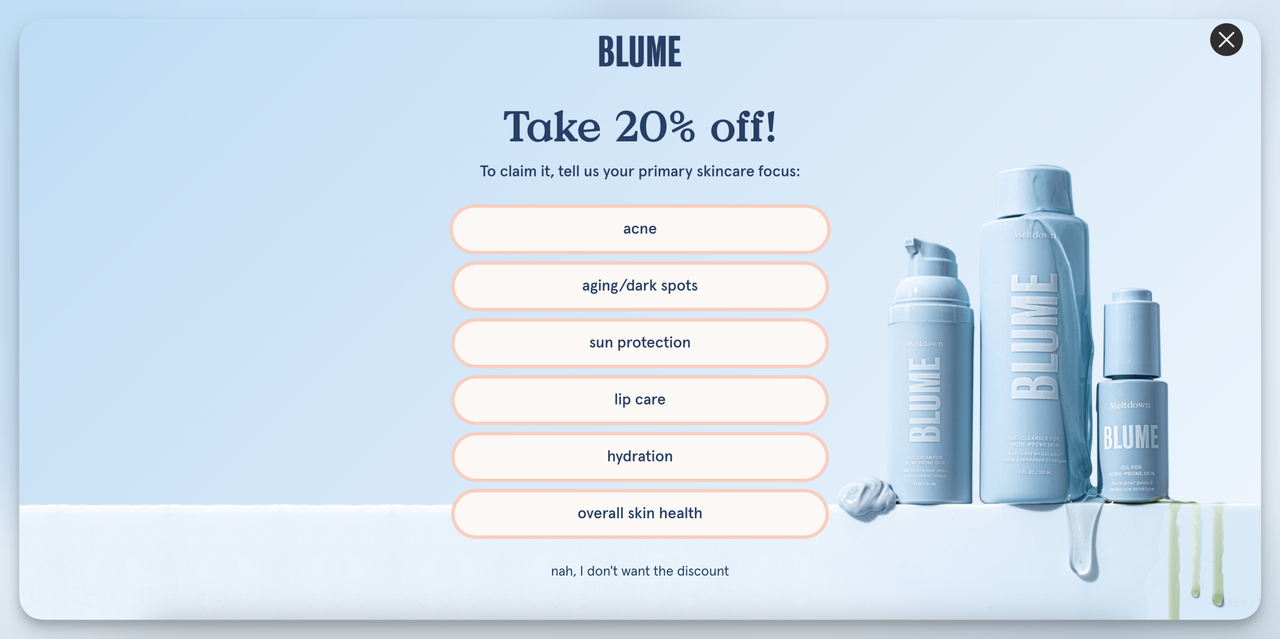
Why It Works: "Claim" makes it feel earned, "Focus" guides decision-making.
47. BEAT THE RUSH – Encourages early action (“Beat the Rush & Order Now!”)
48. STOCK RUNNING LOW – Adds urgency (“Stock Running Low – Order Before It’s Gone!”)
49. ONE TIME ONLY – Reinforces exclusivity (“One Time Only Deal – Don’t Miss Out!”)
50. YOURS TODAY – Personalizes urgency (“Make It Yours Today – Limited Stock!”)
How to Implement Persuasive Popups with Popupsmart
With Popupsmart’s no-code popup builder, you can easily create high-converting popups using these persuasive words. Simply:
✅ Create a free account on Popupsmart.
✅ Choose a popup template (Discounts, Lead Capture, Cart Recovery).
✅ Customize the text using power words from this list.
✅ Set up triggers (exit-intent, scroll-based, timed, etc.).
✅ Go live and watch your conversions skyrocket!
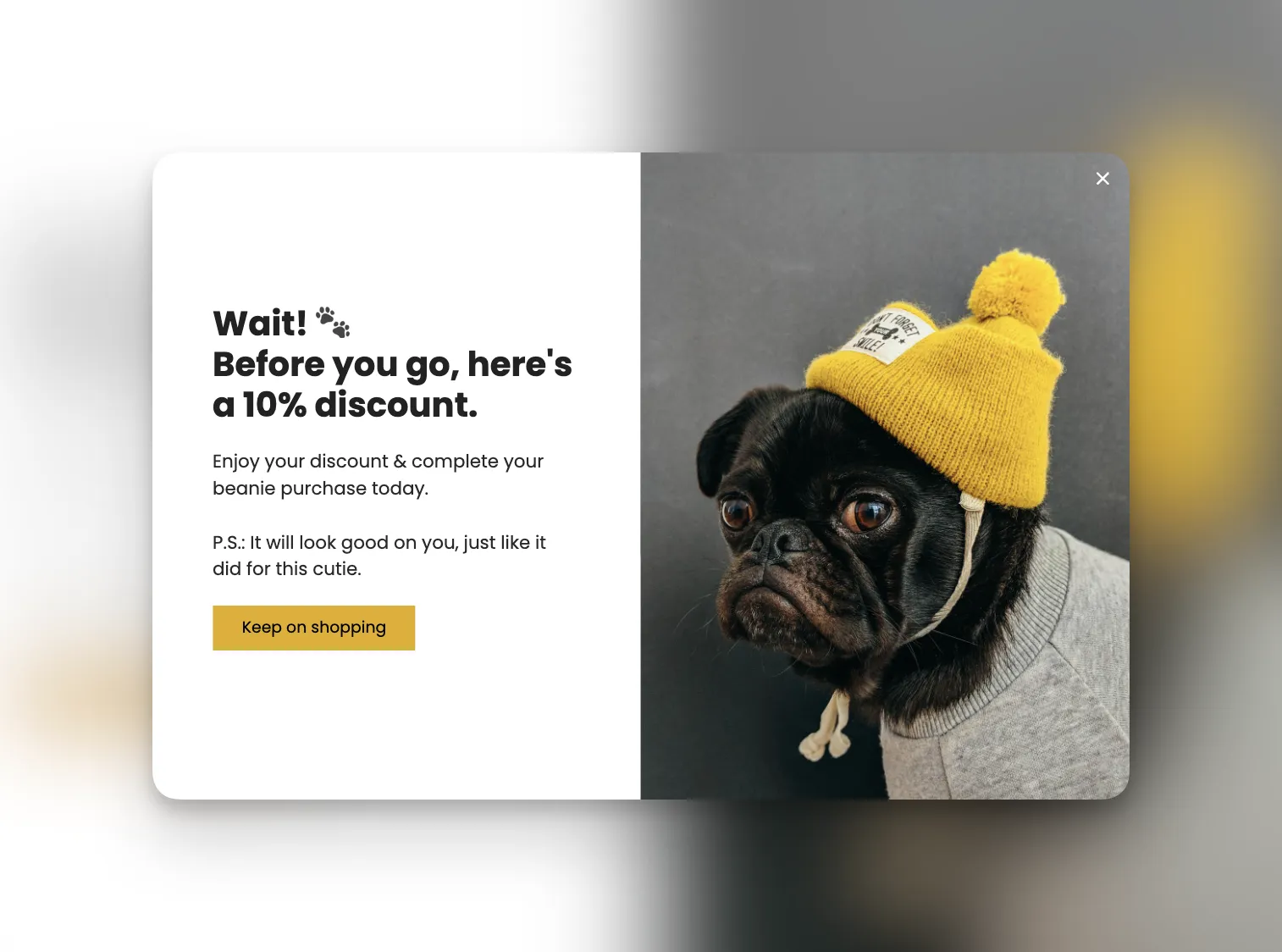 Clone this Popup!
10 Persuasive Word Formulas for Maximum Impact
As a seasoned copywriter, I know firsthand that the right words can make or break a sale. Over the years, I’ve tested hundreds of marketing messages, optimized CTAs, and refined ad copy to see what actually moves the needle.
One thing I’ve learned? It’s not just about using power words—it’s about how you structure them. That’s where persuasive word formulas come in. These formulas take the guesswork out of writing high-converting popups, ads, emails, and sales pages.
Below, I’ll share 10 battle-tested persuasive word formulas you can steal and use today to drive more clicks, sign-ups, and sales. Plus, I’ll give you real-world examples so you can apply them instantly.
1. “Don’t [Negative Emotion] – Instead, [Positive Outcome]”
This formula works because it speaks directly to the reader’s pain points while offering a compelling alternative. By addressing a frustration first, you create an emotional connection before presenting a desirable solution.
✅ Example: ❌ “Sign Up for Our Newsletter.” (Weak, uninspiring) ✔️ “Don’t Waste Hours Searching – Get Expert Insights Sent to You!” (Solves a problem, creates FOMO)
Pro Tip: Use this in email subject lines, popups, and social ads to increase engagement.
2. “Get [Desired Benefit] Without [Common Pain Point]”
People love to hear that they can get what they want without struggle. This formula reassures them that they won’t have to make trade-offs.
✅ Example: ❌ “Join Our Gym Today.” (Too generic) ✔️ “Get Fit Without Spending Hours in the Gym!” (Tackles a common concern)
Where to Use: Landing pages, sales pages, email CTAs.
3. “Limited Time: [Action] Before [Deadline]”
Urgency sells—it’s a fact. Giving people a deadline to take action increases conversion rates significantly.
✅ Example: ❌ “Shop Our Sale.” (No urgency) ✔️ “Limited Time: Shop Before Midnight to Get 20% Off!” (Creates FOMO)
Pro Tip: Use words like “Final Call,” “Last Chance,” “Ends Soon” to amplify urgency.
4. “Exclusive [Offer] for [Specific Group]”
People want to feel special and valued. This formula makes your audience feel like they’re getting VIP treatment.
✅ Example: ❌ “Subscribe for Discounts.” (Not persuasive) ✔️ “Exclusive 20% Off for VIP Members Only!” (Feels premium and personalized)
Where to Use: Popups, emails, membership offers, loyalty programs.
5. “What If You Could [Achieve Desired Goal] in Just [Short Timeframe]?”
This formula is gold because it paints a vision of success while making it feel achievable and fast.
✅ Example: ❌ “Lose Weight with Our Program.” (Too vague) ✔️ “What If You Could Lose 10lbs in Just 30 Days—Without Starving?” (Feels doable, compelling)
Pro Tip: Works best for fitness, coaching, productivity, and time-saving solutions.
6. “X Reasons Why [Something Your Audience Wants]”
Lists work because they promise specific value upfront—no fluff, just quick benefits.
✅ Example: ❌ “Improve Your Website.” (Too broad) ✔️ “5 Reasons Why Your Website Isn’t Converting—And How to Fix It.” (Intriguing, actionable)
Where to Use: Blog headlines, email subject lines, Facebook ads.
7. “Warning: [Problem They Might Not Know About]”
Fear-based copy is effective when used ethically—it grabs attention and makes people stop scrolling.
✅ Example: ❌ “Read Our Security Guide.” (Too neutral) ✔️ “Warning: Hackers Are Exploiting This Security Flaw—Are You Protected?” (Instantly engaging)
Where to Use: Popups, blog titles, ads, email subject lines.
8. “If You [Take This Action], You’ll [Get This Reward]”
People need clear reasons to act. This formula provides a direct cause-and-effect.
✅ Example: ❌ “Join Our Webinar.” (Boring) ✔️ “If You Sign Up Now, You’ll Get Exclusive Access to Insider Growth Hacks!” (Persuasive, benefit-driven)
Where to Use: Webinars, lead magnets, sales pages.
9. “The Secret to [Desired Outcome]”
People love secrets—they spark curiosity and make the reader feel like they’re gaining an insider advantage.
✅ Example: ❌ “Improve Your Email Open Rates.” (Too bland) ✔️ “The Secret to Doubling Your Email Open Rates (Without Changing Your Content).” (Irresistible)
Where to Use: Blog titles, sales copy, social media ads.
10. “Imagine [Desirable Scenario]”
This formula helps people visualize success—it taps into the power of storytelling and emotion.
✅ Example: ❌ “Start a Side Business.” (Too generic) ✔️ “Imagine Quitting Your Job & Earning 6 Figures from Home—Here’s How!” (Evokes aspiration)
Where to Use: Sales pages, email CTAs, video ads.
Wrap-Up
Using persuasive words in your marketing copy is one of the most effective ways to boost engagement and conversions. Whether you’re creating popups, crafting ad copy, or writing email subject lines, choosing words that drive urgency, exclusivity, and action can significantly impact your results.
By integrating these high-converting words into your messaging, you can attract more customers, increase sales, and grow your business.
FAQs
What can I say to attract customers?
To attract customers, focus on clarity, urgency, and value. Your message should highlight what sets your offer apart while addressing a pain point or desire. Use words like "Exclusive," "Limited Time," "Guaranteed," and "Instant Access" to create excitement and drive action. Instead of just stating a feature, frame it as a benefit. For example, instead of saying "We offer free shipping," say "Enjoy free shipping and get your order faster, at no extra cost."
What words will persuade people to buy?
Persuasive words tap into emotions, urgency, and exclusivity. Words like "Now," "Limited," "Instant," "Exclusive," "Secret," "Unlock," "Save," and "VIP" create a sense of scarcity and importance. Action-driven words like "Claim," "Grab," "Try," "Discover," and "Join" encourage immediate response. The key is to use persuasive words naturally within a sentence while making the customer feel they are making the right decision without pressure.
Which emotion sells the most?
Urgency, exclusivity, and curiosity are among the strongest emotional triggers in sales. Urgency, driven by words like "Last Chance" or "Limited Time," compels immediate action. Exclusivity makes people feel special and valued, with phrases like "VIP Access" or "Member Exclusive." Curiosity encourages engagement by making the offer feel like a discovery, using phrases like "Unlock Your Secret Deal" or "Revealed: The Secret to Higher Conversions." While these emotions are powerful, trust and reassurance are equally important. Combining emotional triggers with credibility, such as testimonials or guarantees, increases the likelihood of conversion.
Check out other related blog posts:
How would you rate your experience with this article? 😊