
How to Get More SMS Subscribers in 2026: 12 Ways


 ChatGPT
 Perplexity
 Claude
 Grok
Grok Google AI Mode
SMS marketing sends promotional/transactional texts with high open and response rates to drive engagement and sales. It outlines best practices to grow an opt-in list (popups, incentives, email/social promotion, keywords, compliance, easy unsubscribe, giveaways, mobile optimization).
Table of contents (22)
Wondering how to get more SMS subscribers and boost your SMS marketing campaigns?
To get more SMS subscribers, use opt-in popups with strong incentives, cross-promote your SMS list through email and social media, run keyword-based text-to-join campaigns, and ensure TCPA compliance at every step. These 12 strategies have helped e-commerce and SaaS brands grow their lists by 30-50% within 90 days when applied consistently.
Quick overview of all 12 strategies:
1. SMS opt-in popups — Capture phone numbers on-site with timed and exit-intent triggers (expect 3-7% conversion rates)
2. Incentive-based opt-ins — Offer discounts, early access, or exclusive content to motivate signups
3. Email-to-SMS cross-promotion — Convert your existing email subscribers into SMS contacts with exclusive offers
4. Text-to-join keyword campaigns — Let users opt in by texting a keyword to your short code
5. Social media capture campaigns — Use paid and organic social posts to drive SMS signups
6. SMS-exclusive VIP offers — Promise and deliver content only your text subscribers receive
7. TCPA-compliant opt-in flows — Build trust with transparent consent and clear terms
8. Support team promotion — Train customer service to collect SMS consent during interactions
9. Social proof and testimonials — Use subscriber feedback to encourage new signups
10. Easy unsubscribe options — Maintain list health by making opt-out frictionless
11. Giveaway and contest campaigns — Drive bulk signups with prize-based promotions
12. Mobile-optimized signup forms — Remove friction from the phone number collection process
What Is SMS Marketing and Why Does It Still Work in 2026?
SMS marketing is the practice of sending promotional, transactional, or relationship-building text messages to customers who've opted in to receive them. Unlike email or social media, texts land directly in a personal inbox that people check constantly throughout the day.
The numbers back this up. According to Atlas Communications, SMS messages have a 98% open rate, with most read within three minutes of delivery. Compare that to email's 20-25% average open rate, and you can see why SMS marketing software adoption keeps climbing.
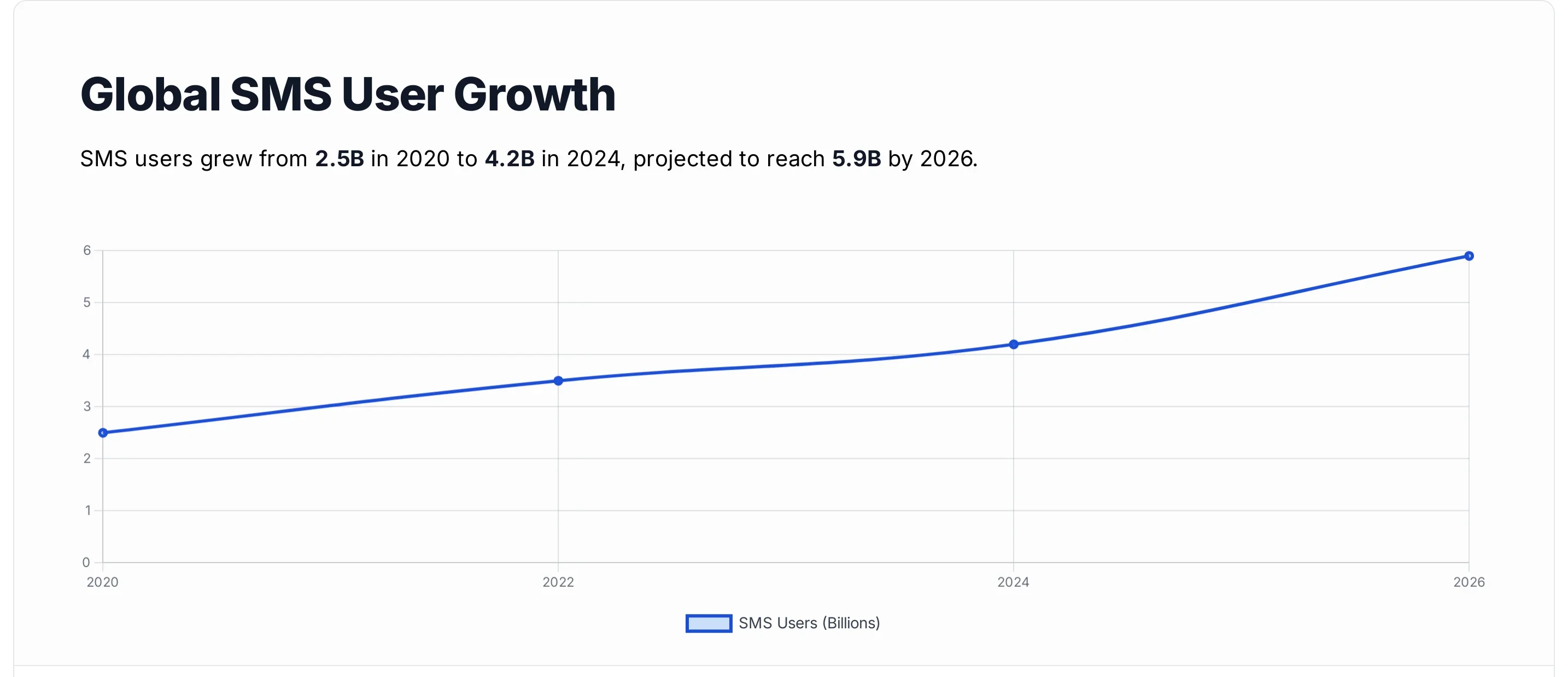
SMS marketing adoption growth 2020 to 2026
SMS campaigns consistently outperforms email for time-sensitive promotions. Flash sales, back-in-stock alerts, and limited-quantity drops all perform better via text because there's no spam folder and no algorithm deciding whether your message gets seen.
According to AudienceTap, SMS volume grew 40% year over year, up from 31% growth the year prior. That's not a fading channel. It's accelerating.
Why Should You Build an SMS Subscriber List in 2026?
Building an SMS subscriber list gives you a direct, owned communication channel that doesn't depend on ad platform algorithms or email deliverability. Here's why it matters now more than ever.
- Open rates that dwarf every other channel. While email averages 20-25% and social organic reach hovers around 5%, SMS sits at 98%. According to Entrepreneurshq citing SimplyTexting data, 82% of all consumers and 90% of Gen Z check their texts within five minutes.
- Direct revenue attribution. According to G2, 33% of SMS recipients react to CTAs in marketing messages, and 47% end up making a purchase. That's a channel where nearly half of engaged recipients convert.
- Low cost, high ROI. SMS marketing costs a fraction of paid social or display ads. You pay per message sent, keep your budget predictable, and reach people who've already raised their hand to hear from you.
- Ownership you can't lose. Instagram can throttle your reach tomorrow. Google can change an algorithm. Your SMS list? That's yours. No middleman, no algorithm gatekeeping.
1. Use SMS Opt-In Popups to Convert Website Visitors
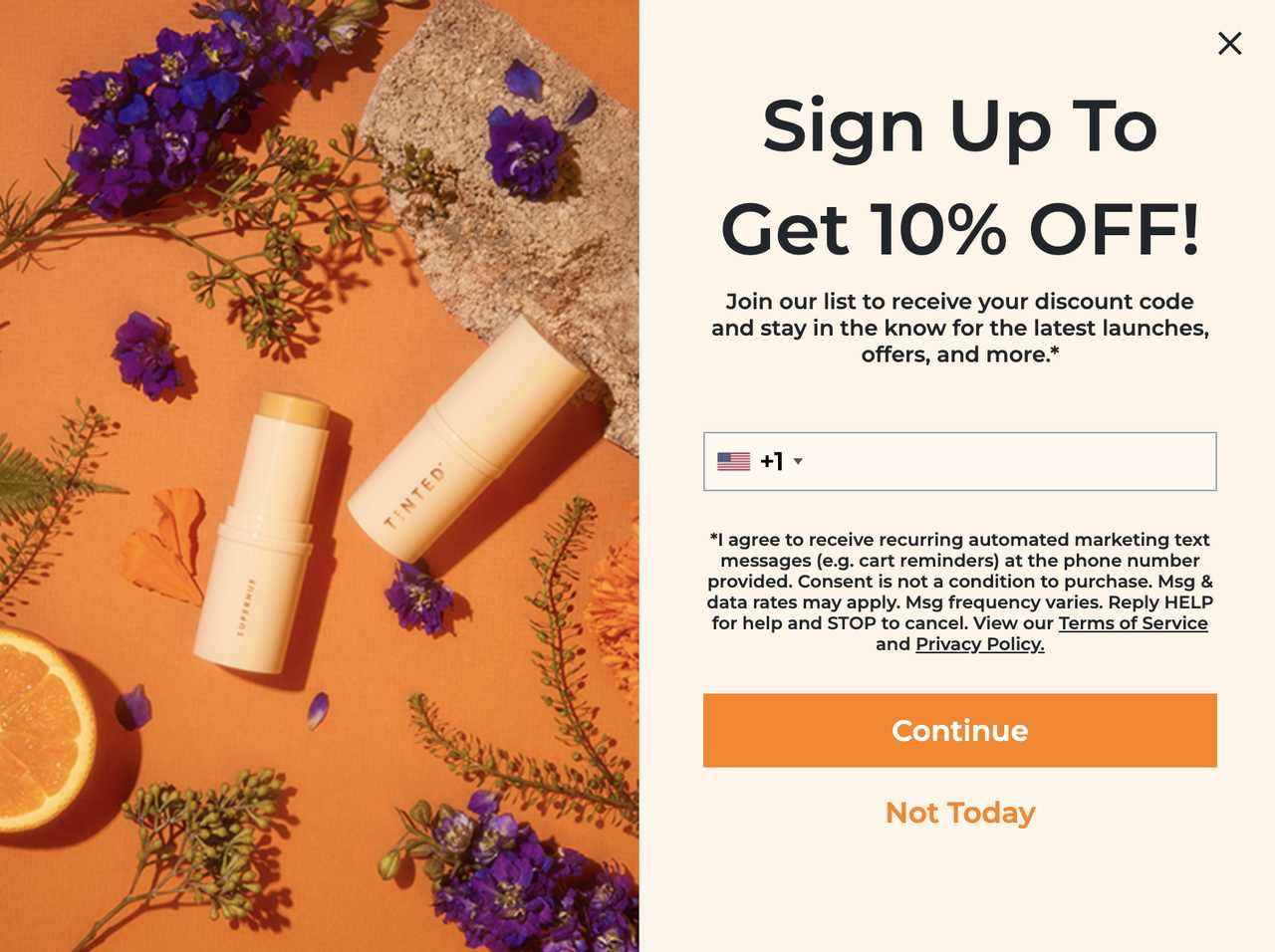
SMS opt-in popups are on-site overlays that ask visitors for their phone number in exchange for a specific incentive. They differ from generic newsletter popups because they collect a phone number (often requiring compliance checkboxes) and typically promise something immediate like a discount code or exclusive access.
How to implement:
1. Choose a popup builder that supports phone number fields and compliance checkboxes. Set up your first campaign in under 5 minutes
2. Set the trigger to exit intent for desktop visitors and scroll depth (50%+) for mobile. Firing the popup too early kills conversion rates because visitors haven't seen enough of your page to trust you with their phone number
3. Target returning visitors separately from first-timers. Returning visitors already know your brand, so a simple "Get 10% off your next order" works. First-time visitors need more context, so try "Join 15,000 subscribers who get early access to sales"
4. Add a TCPA-compliant checkbox below the phone field with clear language: "I agree to receive marketing texts. Msg & data rates may apply. Reply STOP to unsubscribe"
5. Set frequency capping to 1 popup per visitor per 7 days. Showing the same popup on every visit trains people to close it automatically
Most brands see measurable list growth within the first two weeks of launching their first popup campaign. If you're on Shopify specifically, there's a dedicated guide for setting up SMS popups on Shopify stores.
2. Offer Targeted Opt-In Incentives and Match the Reward to the Audience
An opt-in incentive is the specific value you promise visitors in exchange for their phone number. Generic "subscribe to our SMS list" messages don't work because they give people no reason to hand over personal contact information. The incentive has to feel worth the tradeoff of sharing a phone number, which people guard more closely than email.
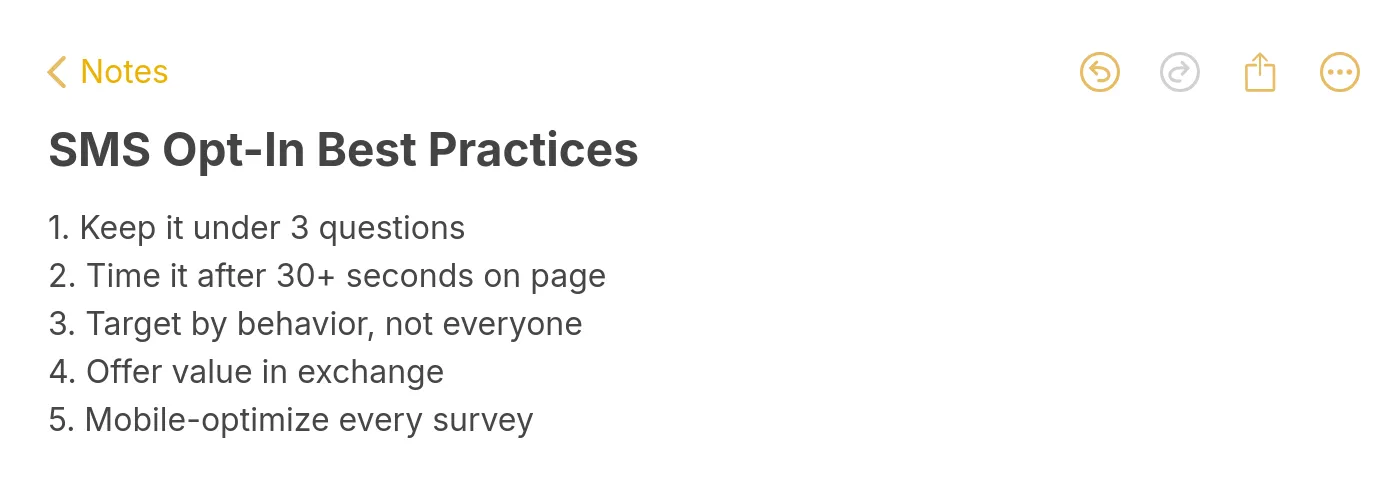
SMS opt-in best practices checklist
How to implement:
1. Segment your incentives by visitor behavior. Cart abandoners respond to dollar-off discounts ($10 off beats "10% off" for carts under $100). First-time visitors respond better to free shipping or a free resource
2. Create a tiered incentive structure. Offer a small immediate reward (5% off) for phone number, then a larger reward (15% off) after the first purchase via SMS. This filters for engaged subscribers
3. Test urgency. "Valid for 24 hours" on the incentive code creates a deadline. In my experience running seasonal campaigns, time-limited codes redeem at 2x the rate of evergreen ones
4. For B2B and SaaS, swap discounts for content: exclusive industry reports, early feature access, or beta invitations
According to a LinkedIn analysis citing Martech.org data, 75% of consumers prefer to receive promotional content over text rather than other marketing channels. The appetite is there. Your job is to give them a concrete reason to say yes. Expect a 15-25% bump in opt-in rates when you switch from a generic "subscribe" ask to a specific, value-driven incentive.
3. Cross-Promote SMS in Your Email Campaigns and Tap Your Warmest Audience
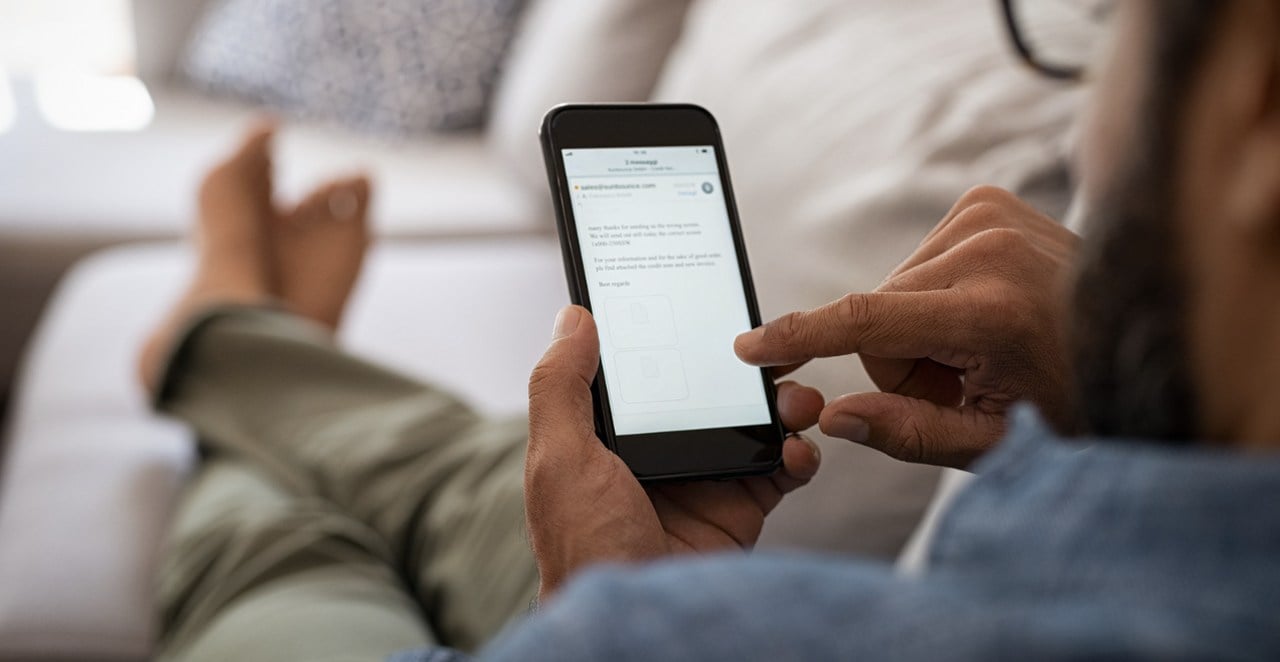
Email-to-SMS cross-promotion means asking your existing email subscribers to also join your SMS list. These people already trust you enough to give you their inbox. That makes them your warmest prospects for SMS opt-in because the trust barrier is already cleared.
How to implement:
1. Add a dedicated SMS opt-in CTA to your email welcome sequence. The third or fourth email in the series works best because subscribers have already engaged with your content
2. Position SMS as an exclusive channel. Use copy like: "Want early access 24 hours before email subscribers? Join our SMS list." The key is differentiation — never send the same content to both channels
3. Include a one-tap opt-in link that pre-fills a text message on mobile. Format: sms:+1YOURNUMBER?body=JOIN. On mobile, this opens the messaging app with the keyword already typed
4. Run a dedicated campaign once per quarter. A standalone email announcing an SMS-only sale or giveaway converts 3-5x better than a footer link that sits permanently in your template
According to Dotdigital's Hitting the Mark research, 73% of brands aren't collecting SMS numbers at all. That means most of your competitors are leaving this channel untouched. If you're already building an email list, adding an SMS cross-promotion is the lowest-friction path to a second owned channel. Expect 5-10% of email subscribers to convert to SMS within the first 30 days of consistent cross-promotion.
4. Launch Text-to-Join Keyword Campaigns and Let Subscribers Come to You
Text-to-join is an opt-in method where customers text a specific keyword (like "DEALS" or "VIP") to your short code or phone number. Instead of collecting phone numbers through a form, you're flipping the dynamic: the subscriber initiates the conversation. This creates a stronger signal of intent because they took the first action.
How to implement:
1. Choose a short, memorable keyword tied to your brand. "SALE" is too generic. "POPUPS" or your brand name works better because it reinforces recall. Keep it under 8 characters
2. Set up auto-response flows through your marketing automation platform. The first reply should confirm opt-in and deliver the promised incentive within 5 seconds
3. Display the keyword and number on every owned touchpoint: email signatures, packaging inserts, receipts, in-store signage, business cards, and social media bios
4. Create campaign-specific keywords for tracking. Use "SUMMER" for a seasonal push and "VIP" for a loyalty program so you can segment subscribers by acquisition source from day one
Text-to-join campaigns work especially well for brick-and-mortar businesses and event marketing. According to MessageDesk, only 22% of businesses text customers on a regular basis. That means the channel isn't oversaturated yet.
5. Run Social Media Capture Campaigns and Turn Followers into Subscribers
Social media SMS capture means using your organic posts, paid ads, and stories to drive phone number collection. The goal isn't to build your social following. It's to migrate followers from a rented platform (Instagram, TikTok) to an owned channel (your SMS list) where you control the relationship.

How to implement:
1. Run Instagram and Facebook lead ads with a phone number field. Lead ads auto-fill from the user's profile, reducing friction to one tap. Target lookalike audiences based on your existing SMS subscriber list
2. Add your text-to-join keyword to your Instagram bio, TikTok profile, and YouTube descriptions. "Text DEALS to 55555 for exclusive drops" is more compelling than a generic link-in-bio
3. Create Stories with swipe-up or link stickers pointing to a dedicated SMS landing page. Pair with time-sensitive offers ("This code expires in 6 hours") to create urgency
4. Use TikTok and Instagram Reels to show behind-the-scenes content with a CTA: "Want this stuff first? We send it to our text list 24 hours before it goes public"
According to Entrepreneurshq citing Pew Research Center 2024 data, nearly 90% of U.S. adults own a smartphone. Your social media followers are already holding the device you need them to use. For mobile marketing strategies like this, expect $0.50-$2.00 per SMS subscriber acquired through paid social, depending on your targeting and incentive strength. Organic social posts typically generate 1-3% conversion to SMS opt-in on Stories with strong CTAs.
6. Create SMS-Exclusive VIP Offers to Give Subscribers a Reason to Stay
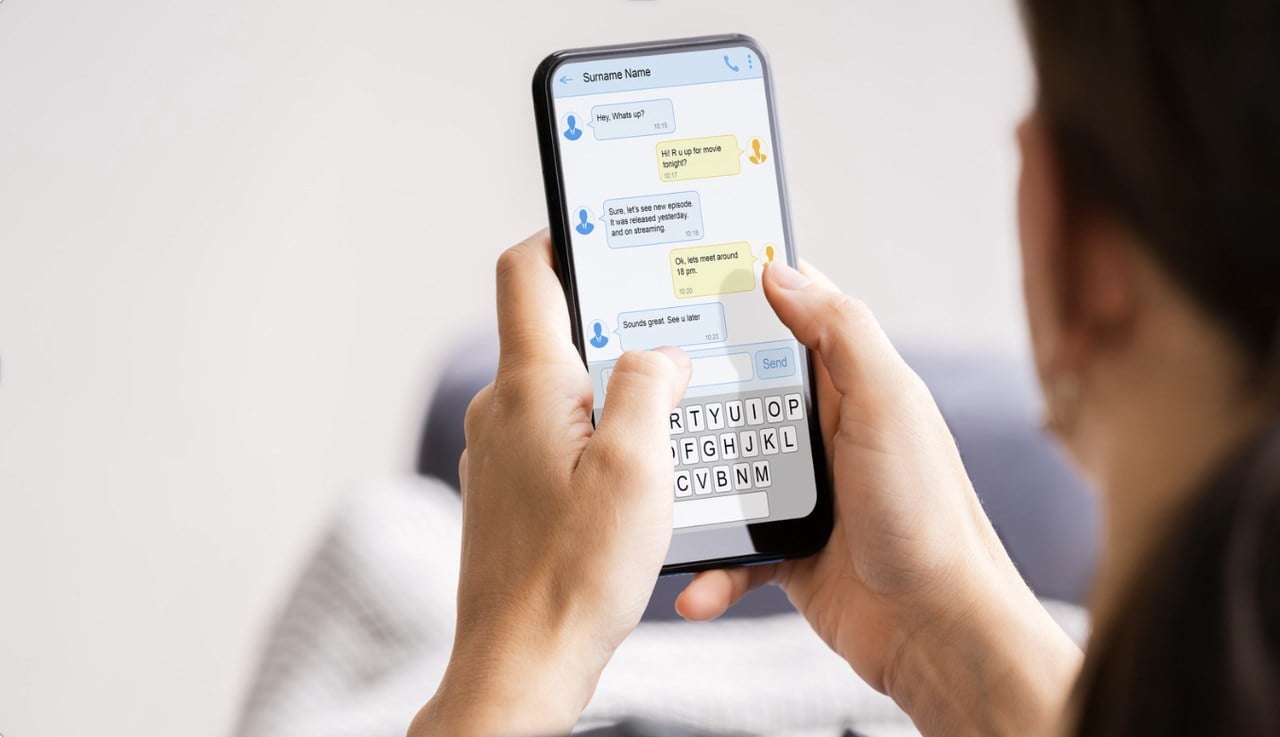
SMS exclusivity means reserving certain deals, content drops, or early access windows only for your text subscribers. This isn't about making promises. It's about following through consistently so subscribers see ongoing value in staying on your list.
How to implement:
1. Launch a "Text-Only Tuesday" or equivalent recurring event. Every week, send one deal that's genuinely unavailable anywhere else. Not a repackaged email offer. Something new
2. Give SMS subscribers 12-24 hour early access to new product launches, restocks, and sales. This creates word-of-mouth because subscribers tell friends about the perk
3. Use SMS for flash sales with tight windows (2-4 hours). The immediacy of text delivery paired with a short deadline drives urgency that email can't match
4. Track redemption rates per SMS campaign. If your exclusive offers aren't getting at least 5% click-through, the incentive isn't exclusive enough or the audience isn't segmented well
According to Emarsys citing SAP Engagement Cloud data, 23% of consumers would drop a brand that "spams" too much marketing outreach. Exclusivity solves this. When every message carries genuine value, subscribers don't perceive it as spam. I've seen brands maintain unsubscribe rates below 1% per campaign when they stick to truly exclusive, SMS-only content. The moment you start duplicating email content to SMS, churn spikes.
7. Build TCPA-Compliant Opt-In Flows to Protect Your Business and Build Trust
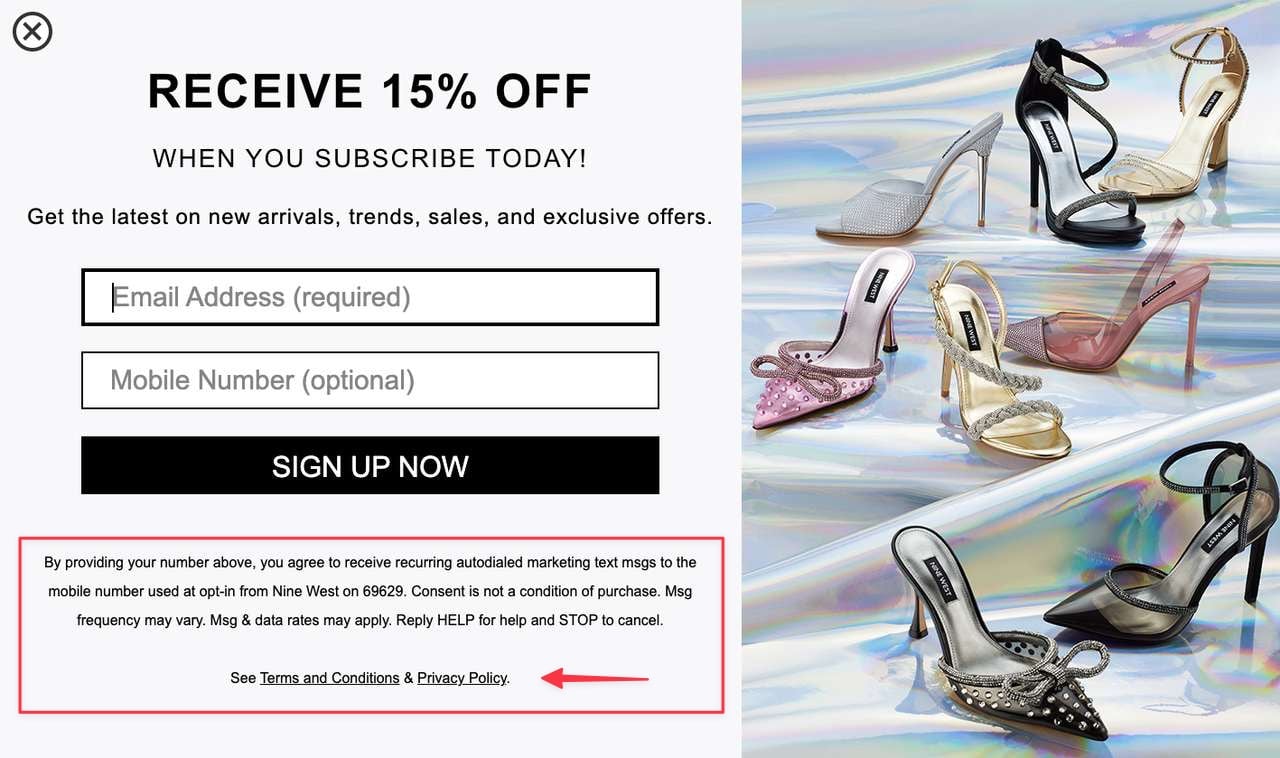
TCPA compliance means getting explicit written consent before sending marketing texts. This isn't optional. Violations carry fines of $500-$1,500 per unsolicited message, and class action lawsuits against SMS marketers have resulted in multi-million dollar settlements.
How to implement:
1. Add a clear, unchecked consent checkbox to every SMS collection form. The checkbox text must explain what the subscriber is agreeing to: message frequency, data rates, and how to opt out. Never pre-check this box
2. Send a confirmation message immediately after opt-in: "You're subscribed to [Brand] texts. Reply STOP to unsubscribe. Msg & data rates apply." Store the timestamp of this confirmation
3. Include "Reply STOP to unsubscribe" in every promotional message. The FCC's TCPA rules require clear opt-out instructions in all commercial texts
4. Maintain an audit trail of every consent. Store the date, time, source URL, IP address, and exact consent language shown at the time of opt-in. You'll need this if a complaint is filed
5. Review your compliance setup quarterly. TCPA regulations get updated regularly, and what was compliant last year may not be today
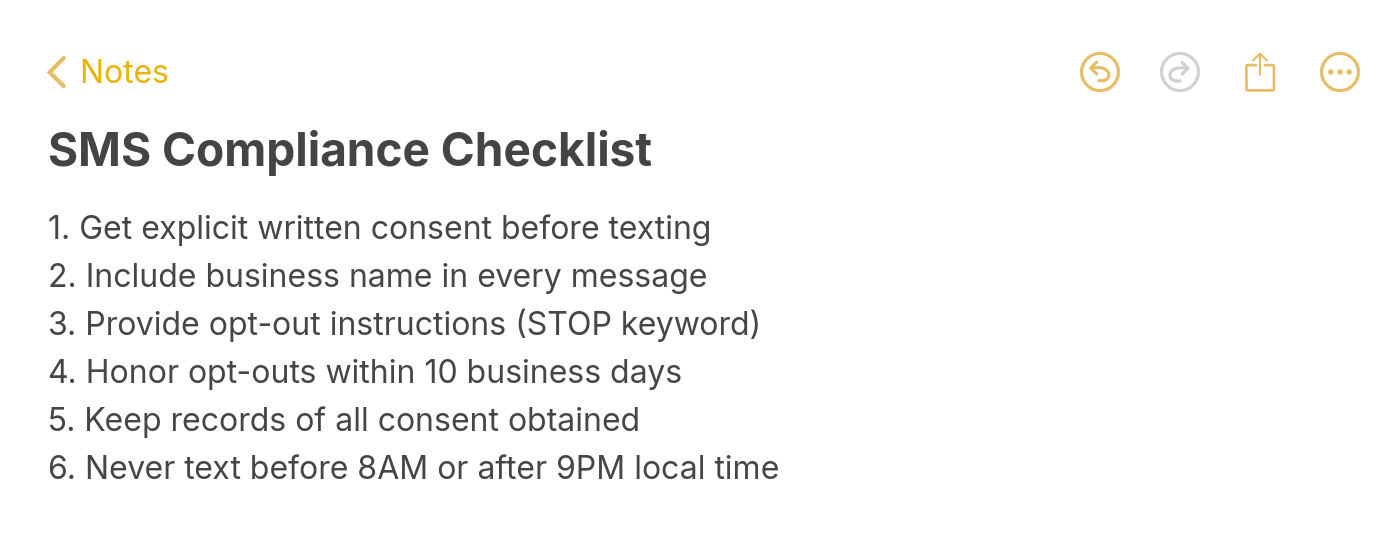
Essential SMS compliance checklist for TCPA
According to MessageDesk, 53% of businesses report they've never sent a text to someone who hasn't opted in. That leaves 47% at risk. Compliance isn't just legal protection, it's a trust signal. When your SMS popup clearly shows what subscribers are agreeing to, opt-in rates actually increase because transparency reduces hesitation.
8. Train Your Support Team to Collect SMS Consent
Support-team SMS collection means incorporating a simple consent ask into customer service interactions, whether through live chat, phone calls, or email support. Your support team already talks to customers who have questions, complaints, or purchase intent. Adding a quick "Would you like to receive order updates and exclusive deals via text?" turns a service interaction into a list-building touchpoint.
How to implement:
1. Add a scripted SMS opt-in prompt to your support team's closing flow. After resolving the customer's issue, the agent asks: "Can we send you shipping updates and exclusive offers via text?" Frame it as a service enhancement, not marketing
2. If you use chatbots on your site, add an SMS opt-in step after the conversation resolves. Something like: "Want faster updates next time? Get order alerts and deals straight to your phone." Include the consent language inline
3. Add a phone number field with SMS consent checkbox to your post-purchase feedback forms. Customers who just bought are in the highest-satisfaction moment
4. Track which support agents generate the most SMS opt-ins and identify what they're doing differently. In teams I've worked with, the top 20% of agents generate 60% of opt-ins because they position it as helpful rather than salesy
This strategy works because the customer is already engaged and has positive brand sentiment (assuming you resolved their issue). Expect 10-20% of support interactions to convert to SMS opt-in when agents are trained properly. The key caveat: never add anyone to your SMS list without explicit consent during the conversation. Verbal agreement on a call isn't enough. You need documented written consent per TCPA requirements.
9. Use Social Proof to Drive SMS Signups and Let Your Subscribers Sell for You
Social proof for SMS means using testimonials, subscriber counts, and user-generated content from your existing SMS audience to convince new visitors to join. People are more likely to hand over their phone number when they see that others have done it and found it valuable.
How to implement:
1. Display your subscriber count on opt-in forms: "Join 25,000+ subscribers who get first access to sales." Use the real number. Don't round up to mislead. If you're starting small, try "Join hundreds of customers who..." instead
2. Collect and feature short quotes from subscribers. Ask your best customers: "What's the best deal you've snagged from our text list?" Use their answers (with permission) in your popup designs and landing pages
3. Share screenshots of subscriber reactions on social media. When someone texts back "OMG that deal was amazing," that's authentic social proof you can repurpose
4. Create a referral program: "Share this link with a friend. When they subscribe, you both get $5 off." Referral-driven subscribers have 25-40% higher retention rates than ad-acquired ones in my experience
According to Entrepreneurshq citing SimplyTexting 2025 data, 98% of businesses that use SMS marketing report success. That's a stat worth putting on your opt-in page. When visitors see both the aggregate success metric and individual testimonials, opt-in rates increase because the decision feels validated by peers. Start collecting subscriber feedback within your first month of SMS marketing and build a rotating library of proof points.
10. Make Unsubscribing Easy to Keep Your List Healthy and Engaged
Easy unsubscribe means giving subscribers a clear, one-step way to stop receiving your messages. This sounds counterintuitive when you're trying to grow your list, but a clean list of engaged subscribers outperforms a bloated list of people who ignore you or mark you as spam.
How to implement:
1. Include "Reply STOP to opt out" in every promotional message. Not just the first one. Every single one. This is both a TCPA requirement and a trust signal
2. Process opt-outs immediately. "Immediately" means within minutes, not hours. Most SMS platforms handle this automatically, but verify yours does
3. Send a win-back message to inactive subscribers (no engagement in 60+ days) before purging them. "We noticed you haven't opened our texts. Want to stay? Reply YES for a special offer." This recovers 5-10% of inactive subscribers
4. Monitor your unsubscribe rate per campaign. Healthy SMS lists see 0.5-1.5% unsubscribe per message. If you're above 3%, your content isn't matching subscriber expectations or you're sending too frequently
There's a real business case here beyond compliance. Carriers monitor sender reputation, and high complaint rates can get your messages filtered or blocked entirely. A list of 5,000 engaged subscribers who open and click will outperform a list of 20,000 who ignore you. I've watched brands cut their list by 30% through purging inactive numbers and see their click-through rates double within 60 days. Quality always beats quantity in SMS.
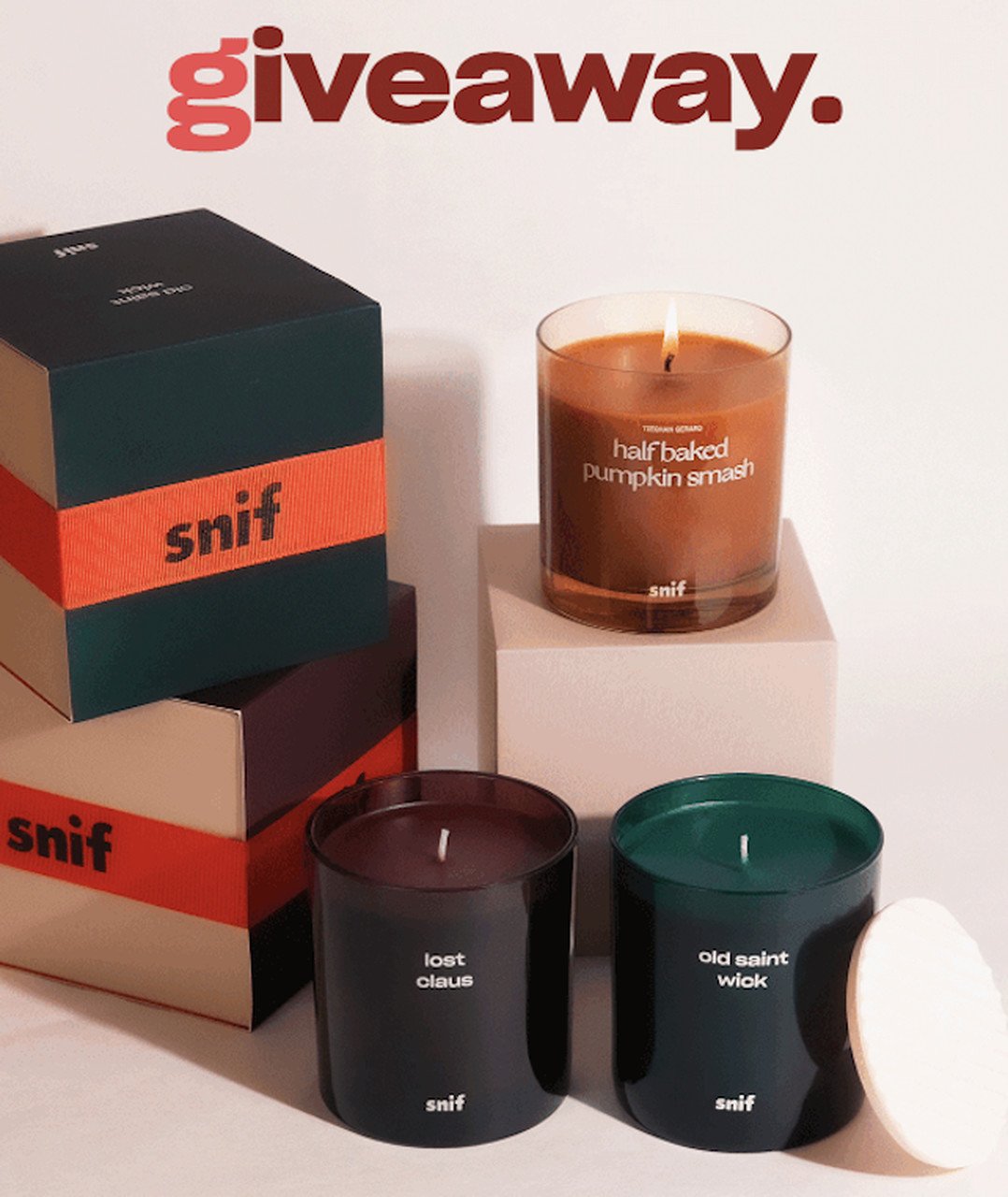
11. Run Giveaway Campaigns and Generate Bulk Signups with Prize-Based Promotions
SMS giveaway campaigns collect phone numbers as an entry requirement for winning a prize. The prize creates a strong enough motivation for people who wouldn't otherwise subscribe. You trade a prize for hundreds or thousands of new phone numbers in a short window.
How to implement:
1. Pick a prize your target audience actually wants. A $500 Amazon gift card attracts everyone, including people with zero interest in your product. A bundle of your best-selling products attracts your actual buyers. Choose the second option
2. Set entry requirements to "Text ENTER to [your number]" for maximum simplicity. Add bonus entries for sharing the giveaway link, which creates viral distribution
3. Promote the giveaway across every channel: email, social media, website popups, and partner cross-promotions. The more entry points, the more subscribers. Run it for 7-14 days for maximum momentum
4. Send a welcome message to all new subscribers immediately after entry: "You're entered! We'll announce the winner on [date]. In the meantime, here's 10% off your next order"
5. After the giveaway ends, announce the winner and follow up with non-winners: "You didn't win this time, but here's a consolation: 15% off valid for 48 hours." This keeps new subscribers from immediately unsubscribing
Giveaways can add 500-5,000 subscribers depending on your prize value and promotion budget. The tradeoff is quality. Expect 15-25% of giveaway-acquired subscribers to unsubscribe within the first 30 days. That's normal. The remaining 75-85% are genuine prospects who stayed because your follow-up content earned their attention. To get the most from giveaways, combine this strategy with strong lead magnet ideas that nurture new subscribers into buyers.
12. Optimize Your Signup Forms for Mobile and Remove Every Friction Point
Mobile optimization for SMS signups means designing your phone number collection forms specifically for the device people will use to submit them. Since you're collecting phone numbers, your visitors are overwhelmingly on mobile already. Any friction in the form (small tap targets, too many fields, slow loading) kills conversions.
How to implement:
1. Reduce your SMS opt-in form to two elements: phone number field and submit button. Every additional field (name, email, birthday) drops completion rates by 10-15%. Collect extra data later through progressive profiling
2. Set the phone number input to type="tel" so mobile browsers display the numeric keypad instead of a full keyboard. This tiny detail reduces input errors and speeds up form completion
3. Make the submit button at least 44x44 pixels (Apple's minimum tap target). Use a contrasting color and action-oriented text: "Get My Code" beats "Submit"
4. Test your form's load time on mobile. It should render within 2 seconds. If your popup script delays rendering, switch to async loading. A multi-step form approach can also improve perceived performance
5. Auto-format phone numbers as users type (add dashes or parentheses automatically). This reduces form abandonment from people who aren't sure if they should include the country code or formatting
According to Vibes, there are currently 7.33 billion mobile phone users worldwide. Your SMS opt-in experience is competing against every other form, app, and notification on that device. In my testing across e-commerce sites, switching from a multi-field form to a phone-number-only form increased mobile opt-in rates by 35-40% within the first week. That single change is often the highest-impact optimization you can make.
Where to Start With SMS Marketing?
Not every strategy deserves equal attention on day one. Here's how I'd rank them based on effort required and expected impact, so you can focus your first 30 days on the strategies that move the needle fastest.
| Priority | Strategy | Effort | Impact | Best For |
|---|---|---|---|---|
| 1 | SMS opt-in popups | Low | High | Any site with 1,000+ monthly visitors |
| 2 | Mobile-optimized forms | Low | High | Sites with existing signup forms that underperform |
| 3 | Email-to-SMS cross-promotion | Low | Medium–High | Brands with 1,000+ email subscribers |
| 4 | Targeted opt-in incentives | Medium | High | E-commerce with existing discount infrastructure |
| 5 | TCPA-compliant flows | Medium | High | Every business (non-negotiable) |
| 6 | SMS-exclusive VIP offers | Medium | Medium–High | Brands with repeat buyers |
| 7 | Social proof and testimonials | Low | Medium | Brands with active customer base |
| 8 | Support team collection | Medium | Medium | Businesses with active customer support |
| 9 | Social media campaigns | Medium–High | Medium | Brands with strong social following |
| 10 | Text-to-join keywords | Medium | Medium | Brick-and-mortar or event-based businesses |
| 11 | Giveaway campaigns | High | High (short-term) | Product launches and seasonal pushes |
| 12 | Easy unsubscribe | Low | Medium (long-term) | Any active SMS list |
Start with strategies 1-3. They take less than a day to set up and start generating results within the first week. Add strategies 4-6 in month two once you've built initial momentum. Save the higher-effort strategies for quarter two when you have baseline metrics to optimize against.
Build Your SMS List Starting Today
If you take three things from this guide, make them these: launch an SMS opt-in popup on your site this week, cross-promote it to your email list, and make sure your compliance setup is bulletproof. Those three strategies alone can add 500+ subscribers in your first month with minimal budget.
The broader opportunity is real. SMS marketing has a 98% open rate, the subscriber channel isn't overcrowded yet, and every phone number you collect is an owned asset no algorithm can take away. Whether you start with Popupsmart's no-code popup builder or another tool, the point is to start collecting phone numbers now before your competitors do.
Pick one strategy from this list. Set it up today. Measure results for two weeks. Then add the next one.
Frequently Asked Questions
How Do You Get SMS Subscribers Quickly?
The fastest path to SMS subscribers is launching an opt-in popup on your website with a concrete incentive (discount code, free shipping, or exclusive content). Pair this with an email blast to your existing list promoting SMS-only benefits. Giveaways generate the largest volume in the shortest time but require a prize budget and more planning.
Is SMS Spamming Illegal?
Yes. Sending unsolicited marketing texts violates the Telephone Consumer Protection Act (TCPA) in the United States. Penalties range from $500 to $1,500 per unsolicited message. Class action lawsuits against brands that send texts without consent have resulted in settlements exceeding $10 million. Always collect explicit written consent before sending any promotional text, and include opt-out instructions in every message.
What Are Best Practices for SMS Opt-In Compliance?
Get explicit written consent through an unchecked checkbox on your opt-in form. Clearly state the message frequency, purpose, and data rate disclosures. Send a confirmation message immediately after signup. Include "Reply STOP" in every promotional text. Maintain records of every consent timestamp and source. Review your compliance quarterly since regulations evolve.
How Do You Integrate SMS with Email Marketing?
Use SMS and email as complementary channels, not duplicates. Send time-sensitive alerts (flash sales, back-in-stock) via SMS and longer-form content (newsletters, guides) via email. Most SMS marketing platforms integrate with email tools like Klaviyo, Mailchimp, and HubSpot. Set up automation rules so subscribers on both channels don't receive the same promotion twice. Cross-promote each channel to the other's audience regularly.
How Many SMS Messages Should You Send Per Month?
Two to six messages per month is the sweet spot for most brands. Fewer than two and subscribers forget they signed up. More than eight and unsubscribe rates spike. Track your opt-out rate per campaign to find your audience's tolerance. B2B brands typically send 2-3 per month while e-commerce brands with frequent promotions can push 4-6 without degrading list health.
How would you rate your experience with this article? 😊