ChatGPT
 Perplexity
 Claude
 Grok
Grok Google AI Mode
Below, you'll see what customer acquisition means, how it differs from customer retention, and the exact steps to follow for a successful customer acquisition process.
What is Customer Acquisition?
Customer acquisition is a process to induce visitors to become one of your customers. You need to figure out which inbound strategies (content marketing, webinars, social media marketing, etc.) fit best for your target audience, then build an implementation plan accordingly.
The customer acquisition process depends on strategies that contain methodologies to execute customer inquiries. Example strategies include email list building, customer referrals, and so on.
Most acquisition follows a funnel: awareness, consideration, and conversion. You attract strangers at the top, earn their interest in the middle, and turn them into buyers at the bottom.
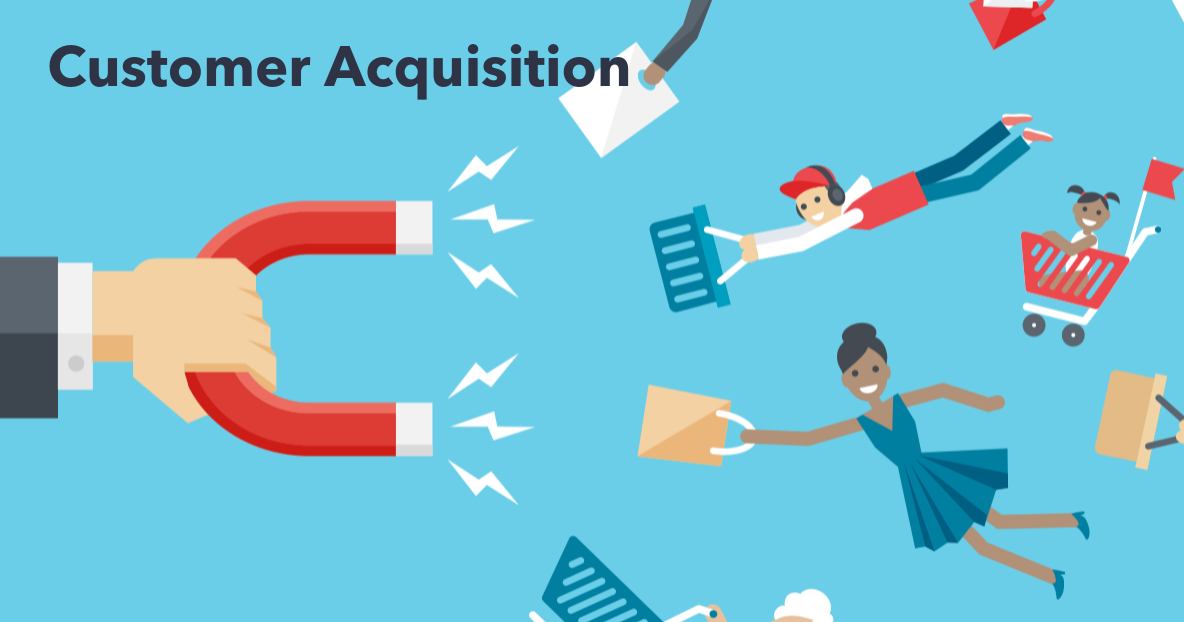
Acquisition techniques change in accordance with technological developments. There must always be room for optimization and upgrading the ways of marketing practices to stay competitive and keep a high acquisition rate.
Customer Acquisition vs. Customer Retention
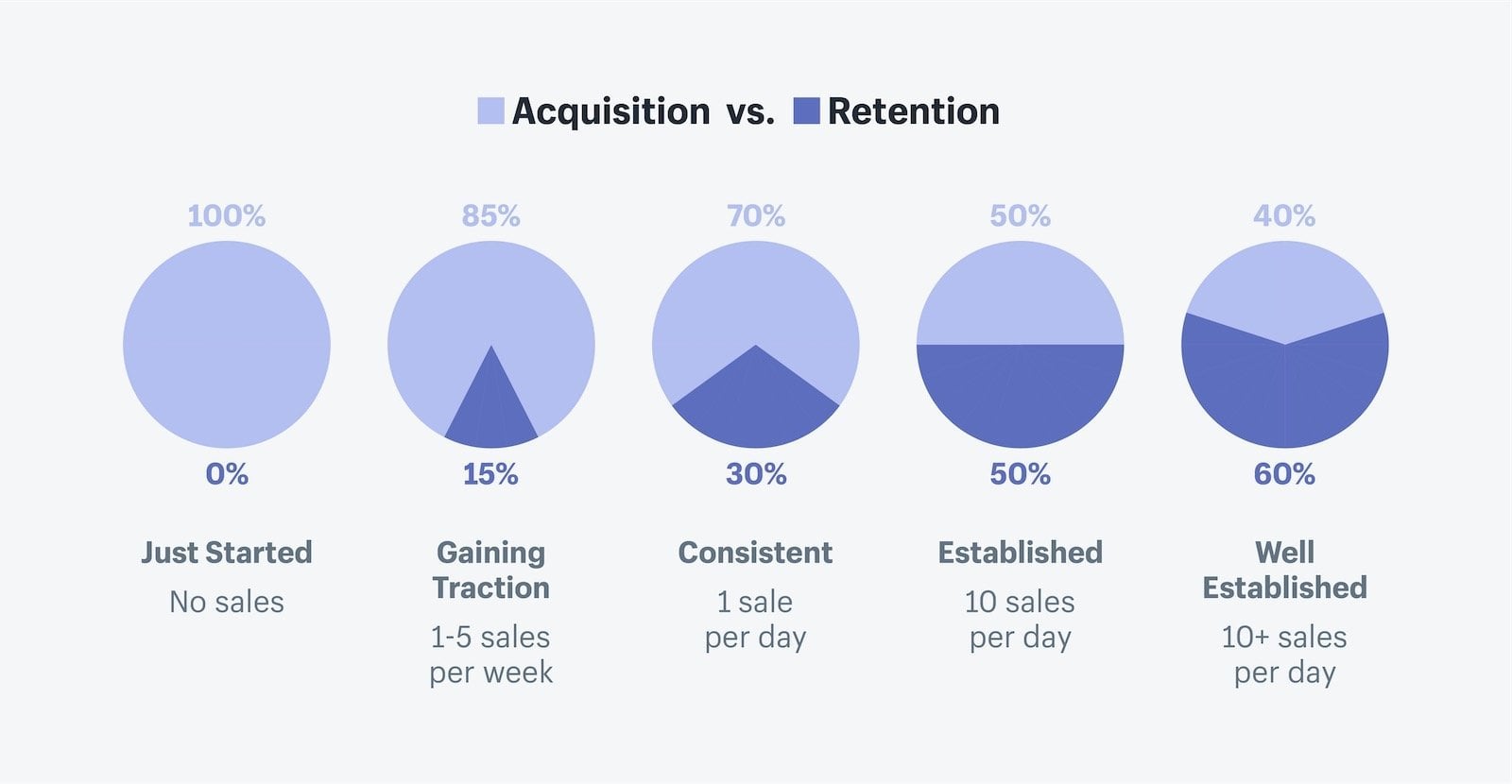
The difference is basically that customer retention aims at nurturing the relationship with current customers, whereas customer acquisition has the goal of gaining new customers.
Obviously, you cannot run a business without new customers, which is why the customer acquisition process is a big challenge to handle in the first place.
As the number of customers begins to increase, raising your brand awareness, producing dedicated help, and managing loyalty programs become vital for growth and a competitive edge.
There is no reason to claim that one of them is more important than the other. The vitality of each depends on the timing!
When you first establish your business, customer acquisition is necessary to build a customer base. Once you have enough customers, customer retention becomes fundamental to keep increasing revenue. Acquisition still pays off directly, though.
16 Steps for Customer Acquisition Process
You need to answer a few questions before managing the acquisition process:
- Are my products ready for all of my target market?
- Would customers have a pleasant experience from my online store?
- Is my server for the online store ready to handle high traffic?
- Is my support team qualified enough to respond to customer inquiries?
If you can answer all the questions above as ‘yes,' let's begin the process of obtaining and keeping new customers!
Customer acquisition isn't an easy job, but you can follow the steps below and build an effective acquisition plan to attract your prospective customers.
1. Define Your Business Strategy
Start by defining a business strategy after making a SWOT analysis for your customer acquisition process. Those strategies can be maximizing sales, increasing brand awareness, obtaining loyal customers, and so on.
Then, stick to your strategy while focusing on strengths and improving weaknesses to increase the efficiency of your efforts during the process.

2. Pre-estimate Customer Acquisition Cost
Estimate the total cost that you are willing to bear to implement the process before starting your efforts. Then, set expectations for return on investment according to your customer acquisition budget.
Usually, the cost of customer acquisition (CAC) determines how much value a customer will bring to your business. So don't forget that this cost is key to defining customer value, and the ultimate aim is a high ROI.
But CAC only tells half the story. Pair it with customer lifetime value (CLV), the total revenue a customer brings over their relationship with you. The CAC-to-CLV ratio, not CAC alone, shows whether your acquisition is actually profitable.
What is customer acquisition cost (CAC)?
Customer Acquisition Cost (CAC) is calculated as:
(Marketing Costs + Sales Costs + Salary Expense) / (Number of New Customers)
CAC also varies widely by business model. Here's where the median sits in 2026:
| Business type | Median customer acquisition cost (2026) | Source |
|---|---|---|
| Ecommerce | ~$87 | DigitalApplied |
| B2B SaaS (self-serve) | ~$702 | DigitalApplied |
| B2B SaaS (sales-led) | ~$11,400 | DigitalApplied |
CAC has risen sharply, up about ~40% since 2023 (Ringly), which is exactly why an efficient acquisition process matters.
3. Create Your Target Market
Define your potential or targeted customers. Figure out who they are, how to gain them, how you can communicate with them, and how you will market your products to them. Predefining those customers will help you win the competition.

4. Decide on the Right Acquisition Channel
An acquisition channel is any path you use to reach and convert new customers. The right mix depends on where your target audience actually spends time and how they buy, so research your segments first, then match each one to the channels below.
- Organic search (SEO): Publish blog posts, comparison pages, and product guides that target the exact terms buyers type, like "best [product] for [use case]" or "[competitor] alternative." It's slow to build but the cheapest long-term channel — once a page ranks, it keeps acquiring customers with no per-click cost.
- Paid search & paid social (PPC): Use Google Search ads to catch high-intent queries and Meta, LinkedIn, or TikTok ads to reach lookalike audiences. You pay per click, and more for competitive B2B terms, so cap budgets per campaign and cut any ad set that misses your target CAC within 7–14 days.
- Social media (organic): Post short-form video, carousels, and behind-the-scenes content on the one or two platforms your audience actually uses — TikTok and Instagram for DTC brands, LinkedIn and X for B2B. Treat it as demand-building that warms people up for your other channels.
- Email marketing: Capture visitors with a signup popup or lead magnet, then run a welcome series and abandoned-cart or free-trial nudges that turn subscribers into first-time buyers. Because you own the list, you don't pay for ad spend each time you reach it.
- Content marketing & video: Create ebooks, templates, webinars, and YouTube tutorials that answer buyers' pre-purchase questions. Gate the high-value pieces behind an email form so every download also becomes a lead you can nurture.
- Referrals & word-of-mouth: Launch a referral program that rewards both sides (account credit, a discount, or a free month). A recommendation from someone the buyer knows carries a kind of trust no ad can give.
- Affiliates & influencers: Pay partners a commission only when they drive a sale, which keeps your CAC predictable. Start small with micro-influencers (10k–100k engaged followers) and measure the cost per sale.
- Marketplaces & partnerships: List where buyers already search with intent (Amazon, the Shopify App Store, G2), and co-market with non-competing brands that share your audience through joint webinars, bundles, or newsletter swaps.
Don't spread yourself thin across all of them at once. Pick the two or three channels that best match your highest-value segments, measure the CAC of each, then double down on the ones that acquire customers profitably.

5. Hire Trained and Talented Staff
Hire dedicated and hardworking staff. Make sure they can manage the process, understand customer needs, and take on significant responsibilities.
Also, ensure your support team can tackle any unforeseen circumstance and remain calm against customer complaints.

6. Build Optimizable Web Pages
Have landing pages that direct users to buy your product or service. Create pages that are well-designed and contain calls-to-action.
Regularly A/B test your pages to improve them. Increase page speed if necessary. Make sure your pages are mobile-responsive and user-friendly. Lastly, customize your pages according to audience expectations.
7. Use Content Marketing to Acquire Customers
Content marketing works for all types of businesses aiming at customer acquisition. Generate relevant, unique, and easily shareable content that has the power to grab your audience's attention and send them to your website.
Here are some of the most popular types of content that are effective at taking interest: blog posts, ebooks, guides, and video content.

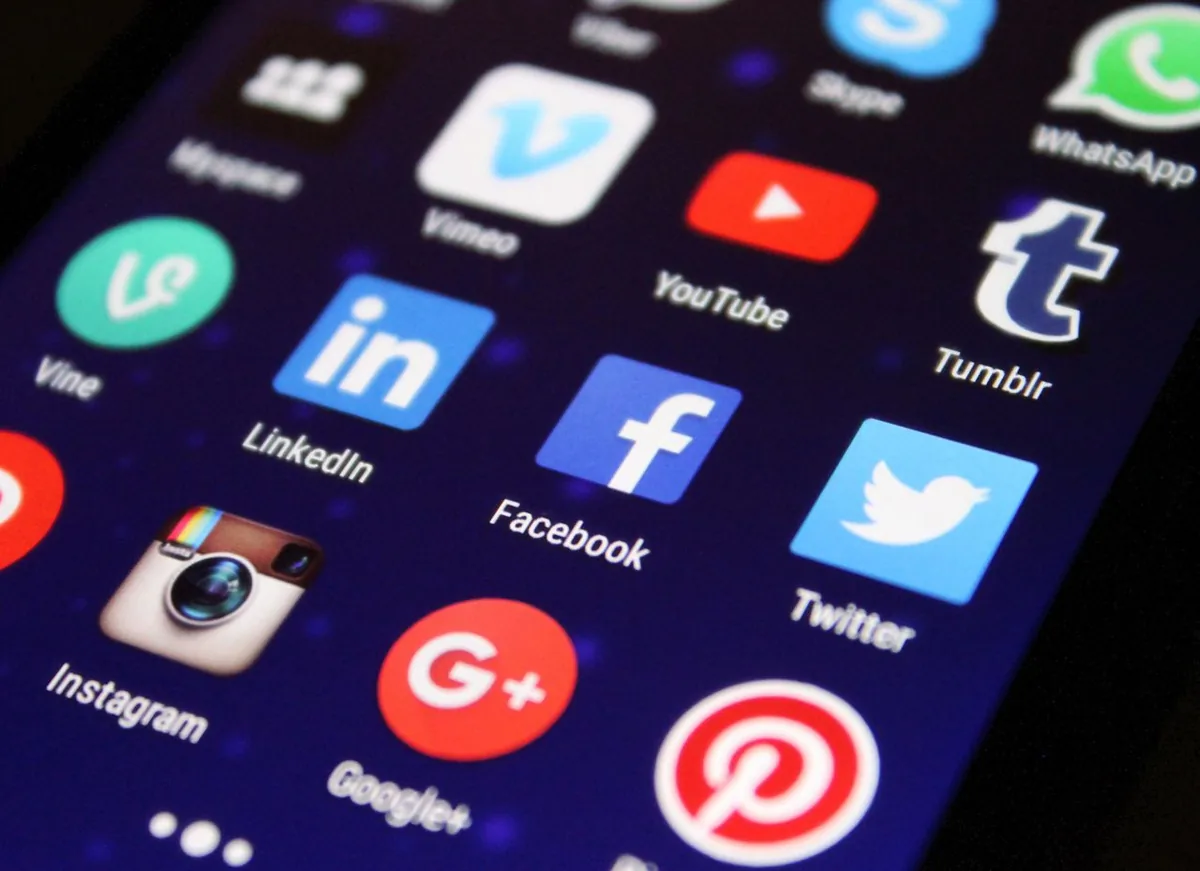
8. Manage Social Media Marketing
Raise your brand awareness, develop a company personality, and enable readers to share content through social media marketing.
Social media carries the characteristics of virality, where your followers help you advertise. So create funny, attractive, exciting, and trendy social media campaigns.
9. Practice Search Engine Optimization
Practice SEO and create content that shows up on the first page of search engine results and makes searchers want to click on your webpage.
This method doesn't only drive traffic to your website but also gives you an opportunity to convert those visitors into leads.
10. Attain Customers with Email Marketing
Email marketing isn't only effective at promoting high-quality content and informing subscribers about products, discounts, and events, it's also a great way to simply communicate with your audience and create brand value.
Therefore, build an email list and convert your subscribers into customers with email marketing campaigns.
Don't know how to find emails in the first place?
11. Create Your Product Demand
Inform people about your brand, be with them throughout the purchase activities, present value to show how much you care about them, and show them how effectively your product meets their demands.
Otherwise, you would have significant challenges acquiring new customers, especially if your company is a startup or a small brand.
12. Acquire New Customers with Popups
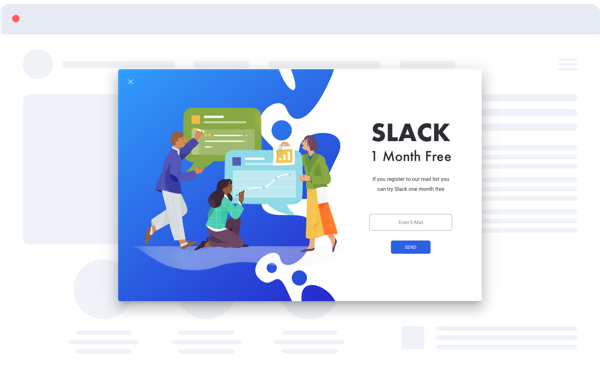
Convert visitors into leads with Popupsmart, a no-code popup builder with advanced targeting options and conversion-ready pop-ups. Determine your conversion goals, create a high-converting pop-up, then present it on your website to give the best user experience.
Offering something valuable is the way to obtain leads and acquire new customers. Email popups are one of the best practices to acquire new customers by collecting leads for email marketing efforts.
Introducing a new product, showing a premium service, giving customized discounts, or presenting a beneficial e-book with pop-ups can help you attract visitors with irresistible offers that stand out from your competitors.
13. Build a Sustainable Relationship With Customers
Build a strong relationship with your customers to increase your revenue, since loyal customers tend to buy from the same business again and again.
Also, it's very likely that they will recommend you to their inner circle, which brings you more visitors and leads to acquiring new customers thanks to your healthy relationship with existing customers.

14. Ask for Customer Stories
Rather than boasting about your own company via social media or paid advertisements, let your customers do it for you. Ask them to share how they discovered your business, why they love your brand, and what they favor about your company.
You will acquire more customers with this method because people tend to become customers of a brand if they see happy customers already engaged with it.
15. Run a Referral Program
Running a referral program that offers irresistible incentives will bring you new customers. Create a structured program and motivate your customers with incentives like credit, physical gifts, or monetary rewards.
Always provide value first and ask for something later. Give them a reason to be a direct referral for you.

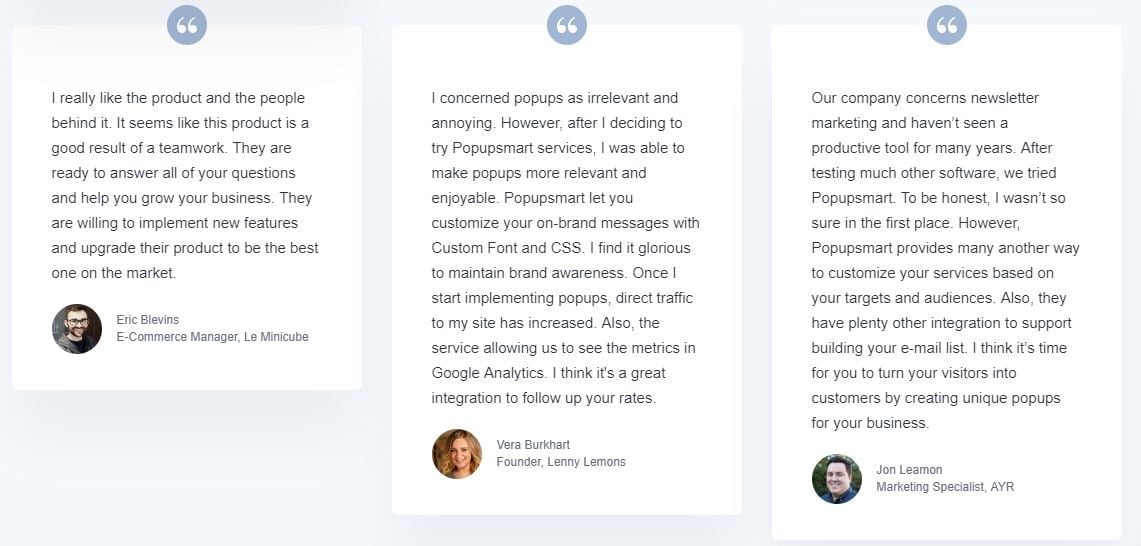
16. Show Testimonials
Persuasive sales messages mostly come from your current satisfied customers, not from your digital marketing efforts. Your business will be perceived as credible in the eyes of prospects if they're exposed to social influence before their buying decision.
Therefore, show your testimonials on your website, demonstrate how much you care about your customers, and give visitors a valued reason to purchase from you.
Now we've built some insights about the customer acquisition process. Customer retention is a topic of its own; once your acquisition process is running, I recommend giving it time too.
Customer Acquisition Process Infographic
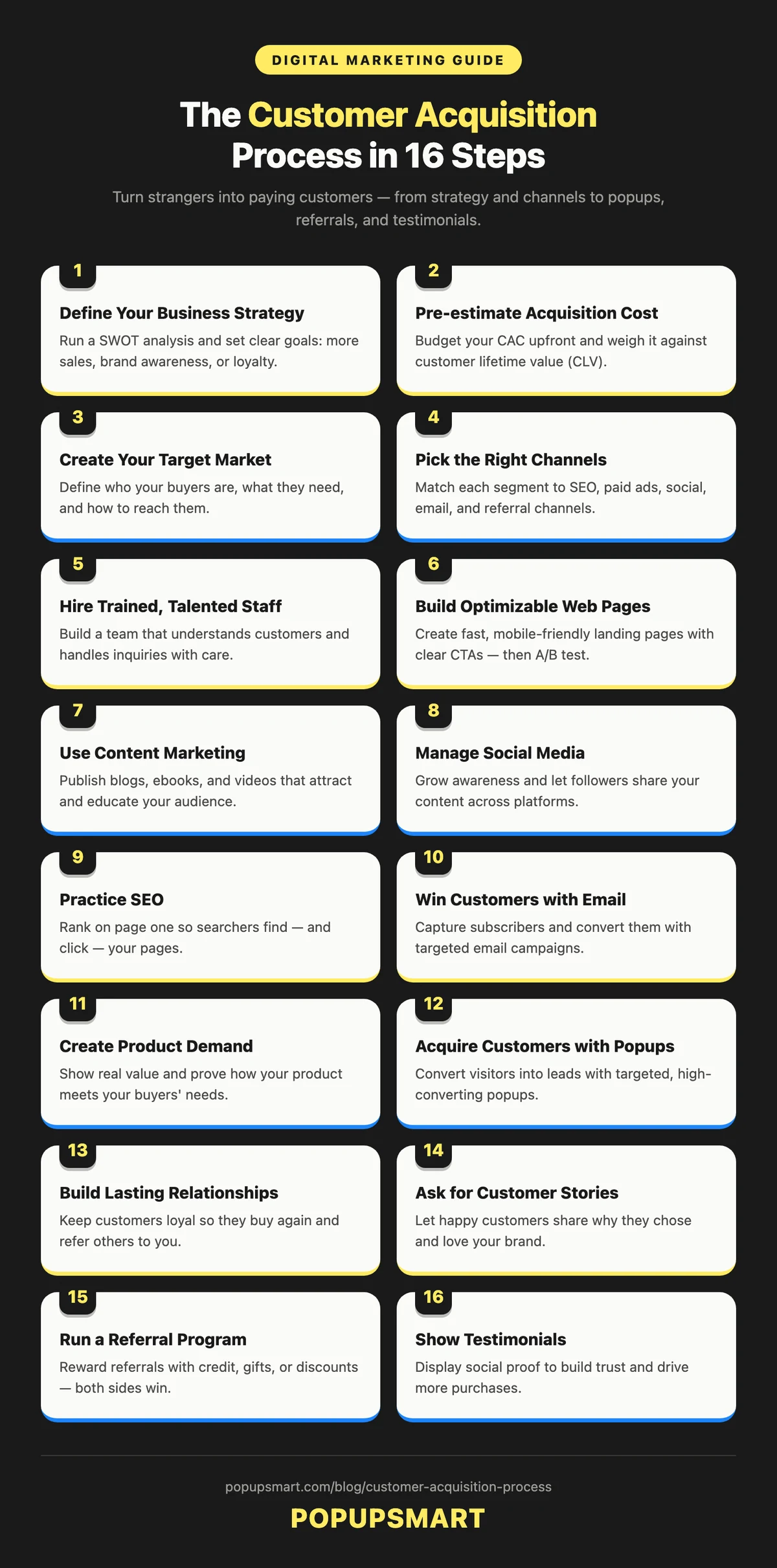
We like sharing our knowledge with our visitors, so feel free to save this infographic and use it on your own website to explain the customer acquisition process in an easy, visual form.
Check out our free digital marketing e-book for a thorough understanding.
Frequently Asked Questions
What is customer acquisition?
Customer acquisition is the process of turning strangers into paying customers across channels like content marketing, SEO, social media, email, and referrals. It covers everything from raising awareness to converting a first purchase, and its efficiency is tracked with customer acquisition cost (CAC).
What is a good customer acquisition cost?
There is no universal number; a good CAC depends on your industry and margins. Median ecommerce CAC sits around $87, self-serve B2B SaaS around $702, and sales-led B2B SaaS above $11,000 in 2026. The healthier signal is your CAC-to-CLV ratio, so aim for a customer lifetime value at least three times your CAC.
Customer acquisition vs. customer retention — what's the difference?
Customer acquisition aims at gaining new customers, while customer retention focuses on nurturing relationships with existing ones. Acquisition builds your customer base early on, and retention keeps revenue growing once you have one. Both matter, and the right emphasis depends on your stage.
What are the best customer acquisition channels?
The strongest channels for most businesses are content marketing, SEO, social media marketing, email marketing, popups for lead capture, and referral programs. The right mix depends on where your target audience spends time, so test channels and double down on the ones with the lowest CAC.
How do you calculate customer acquisition cost (CAC)?
Divide your total sales and marketing costs, including salaries, by the number of new customers gained in the same period. The formula is (Marketing Costs + Sales Costs + Salary Expense) / Number of New Customers.
I hope this information about customer acquisition strategies guides you toward obtaining new customers. If you have any questions or recommendations on the topic, please don't hesitate to contact me via the comments!
Explore our other blog posts: