
26 Creative Ways to Attract Customers in 2026


 ChatGPT
 Perplexity
 Claude
 Grok
Grok Google AI Mode
Overview of 26 customer-attraction tactics: partner with complementary businesses, improve personalized service (AI/chat), clarify your value proposition, use referrals/loyalty/incentives, optimize website/SEO, and drive engagement via email, social, events, testimonials, research, and automation.
Finding creative ways to attract customers is the best way to reach and cheer customers.
I believe that attracting and retaining customers is crucial for any business more than ever nowadays.
The most effective creative ways to attract customers combine data-driven targeting with human-centered engagement. From referral programs and exit-intent popups to community events and consumer psychology, these 26 strategies cover every stage of the customer acquisition funnel. Each includes implementation steps, expected results, and real examples for marketing teams and e-commerce managers.
Summary of all 26 strategies to attract customers:
1. Launch a Referral Program — Turn satisfied customers into acquisition channels with structured incentives
2. Create Urgency with Limited-Time Offers — Drive immediate action through countdown-based promotions
3. Optimize Website Speed and Navigation — Reduce bounce rates and keep visitors engaged longer
4. Use Exit-Intent Popups — Capture abandoning visitors before they leave your site
5. Build an Email Newsletter — Maintain direct communication with segmented audiences
6. Run Interactive Quizzes — Collect preference data while entertaining visitors
7. Partner with Complementary Businesses — Tap into established audiences through co-marketing
8. Define and Target Your Ideal Customer — Focus spend on high-conversion segments
9. Offer New Customer Incentives — Lower the barrier to first purchase with trials and discounts
10. Implement Dual Discounts — Reward loyalty and attract newcomers simultaneously
11. Apply Consumer Psychology Principles — Use scarcity, social proof, and reciprocity to influence decisions
12. Publish Case Studies — Let customer results sell your product for you
13. Invest in SEO-Driven Content — Attract organic traffic that compounds over time
14. Master Paid Advertising — Target precise demographics with measurable ROI
15. Use Social Media Creatively — Build brand presence through platform-native content
16. Enhance Visual Branding with Photography — Improve product perception through high-quality imagery
17. Deploy Live Chat for Real-Time Support — Answer buyer questions at the moment of decision
18. Personalize the Customer Experience — Tailor interactions based on behavior and preferences
19. Invest in Customer Service Excellence — Turn support interactions into retention and referral engines
20. Conduct Deep Market Research — Uncover underserved segments and emerging demand
21. Uncover Your Unique Value Proposition — Differentiate clearly from competitors in your messaging
22. Establish Authority Through Thought Leadership — Build trust with expert content and industry credibility
23. Host Webinars and Virtual Events — Generate qualified leads through educational content
24. Organize Community Events — Strengthen local presence and earn word-of-mouth referrals
25. Display Customer Testimonials and Reviews — Provide social proof that converts hesitant buyers
26. Reward Customer Loyalty — Increase retention and lifetime value with structured programs
According to Genesys Growth, customer acquisition costs have increased 60% over the past five years. That means marketing teams can't rely on paid channels alone. The strategies below prioritize creative, organic, and high-ROI methods of attracting customers that work across B2B SaaS, e-commerce, and service businesses.
Quick Wins: Low-Effort, High-Impact Strategies
1. Launch a Referral Program: Turn Customers Into Your Best Sales Channel
A referral program gives existing customers a structured reason to recommend your product. Unlike organic word-of-mouth, it tracks attribution and rewards both parties. This makes it one of the most measurable customer acquisition methods available.
How to implement:
1. Pick a reward structure: two-sided works best (e.g., "$20 credit for both referrer and referred"). One-sided rewards generate 30-40% fewer referrals in most tests
2. Build a dedicated referral landing page. Don't bury the program in your footer. Place it in post-purchase emails and inside the product dashboard
3. Automate tracking with unique referral codes or links tied to each customer account
4. Set a follow-up sequence: remind customers about their referral status at day 3, 7, and 14 after signup
5. Test different incentive types quarterly. Cash credits, free months, and feature upgrades perform differently by audience
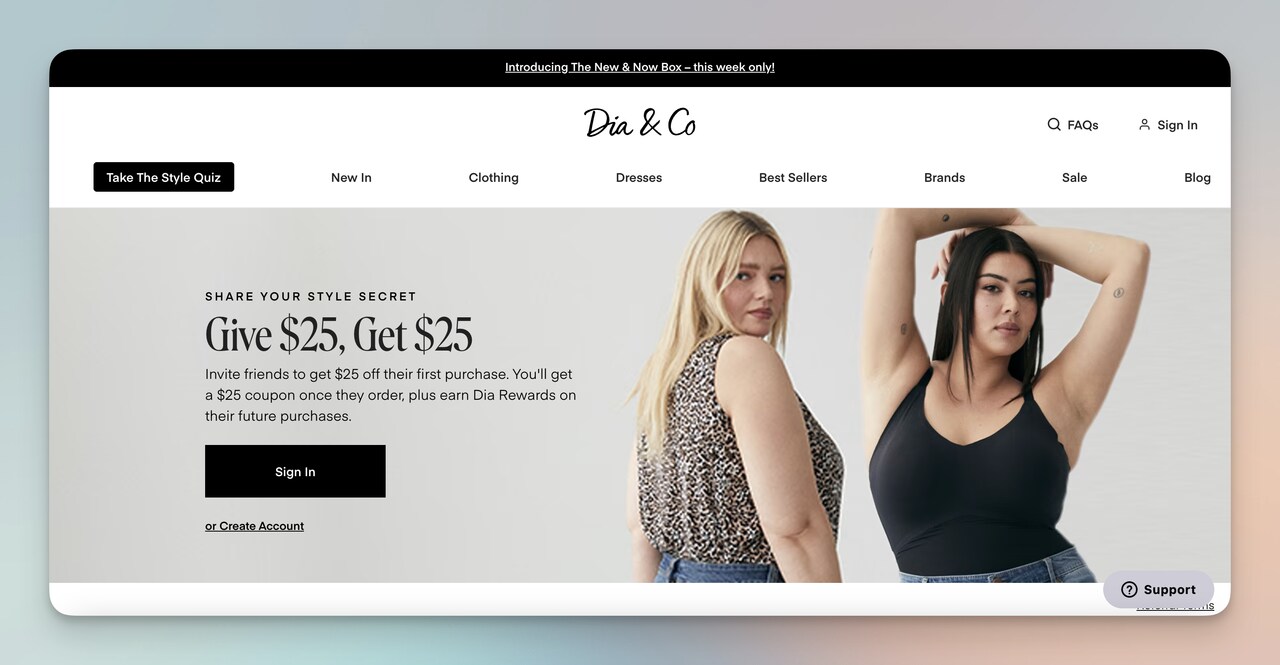
Dia&Co built a referral loop where both sides received store credit, and it became one of their primary customer acquisition channels. For SaaS companies with 1,000+ active users, expect 8-15% of new signups from referrals within 90 days of launch. Smaller lists need 4-6 months to see meaningful volume.
2. Create Urgency with Limited-Time Offers: Push Hesitant Buyers to Act Now
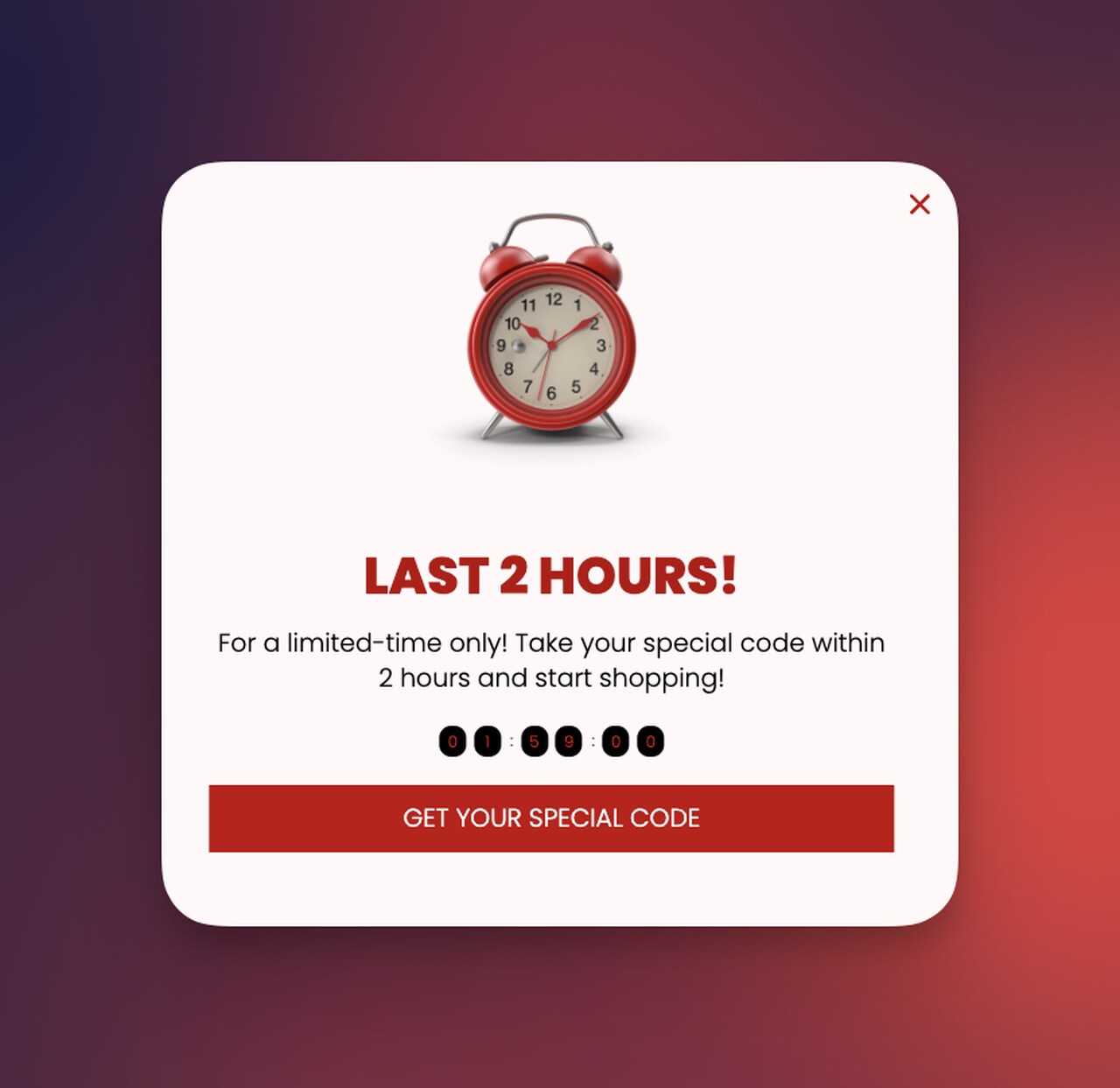
Urgency-based promotions work because they compress the decision timeline. When a visitor knows a deal expires in 48 hours, they skip the "I'll come back later" mental exit that kills most conversions. The key is making the deadline real, not manufactured.
How to implement:
1. Add a countdown timer to your offer page. Visible timers outperform text-only deadlines because they create continuous visual pressure
2. Tie promotions to real events: product launches, seasonal dates, inventory clearance. Arbitrary "flash sales" every week train customers to wait
3. Use sticky bars at the top of your site to announce the offer across all pages, not just the landing page
4. Send an email 24 hours before expiration to subscribers who viewed but didn't convert
5. After the offer ends, actually end it. Leaving "expired" deals accessible destroys future urgency
3. Optimize Website Speed and Navigation: Stop Losing Visitors to Slow Load Times
Your website is the first touchpoint for most potential customers. If it loads slowly or confuses visitors with cluttered navigation, they leave before seeing your offer. According to Thought & Mortar, a slow website can decrease conversion rates by up to 20%.
How to implement:
1. Run Google PageSpeed Insights on your top 5 landing pages. Fix anything scoring below 80 on mobile
2. Compress images to WebP format and lazy-load anything below the fold
3. Reduce your main navigation to 5-7 items max. Every additional menu option increases cognitive load and decision paralysis
4. Make your CTA visible within 1 scroll on mobile. If visitors need to scroll three times to find "Start Free Trial," you're losing them
5. Test your checkout or signup flow on a 4G connection. If any step takes more than 3 seconds, optimize it
Sites that improved mobile load time from 5 seconds to under 2 seconds typically see 15-25% higher conversion rates within the first month. The impact compounds as search engines reward faster pages with better rankings.
4. Use Exit-Intent Popups: Capture Visitors Who Are About to Leave
Exit-intent popups trigger when a visitor's cursor moves toward the browser's close button or address bar. Unlike timed popups that interrupt everyone, exit-intent fires only at the moment of abandonment. You're not disrupting engaged readers; you're catching people who were already gone.
How to implement:
1. Set the trigger to "Exit Intent" with sensitivity at 85%. Default 50% fires too early on fast mouse movements
2. Target returning visitors separately from first-time visitors. Returning visitors convert 2-3x higher on exit popups because they already recognize your brand
3. Offer a lead magnet instead of a discount for B2B audiences. "Download our 2026 SEO Checklist" outperforms "Get 10% off" for SaaS by roughly 2:1
4. Set frequency cap to 1 impression per visitor per 7 days. Showing the same popup on every pageview drops conversion after the third impression
5. A/B test your headline monthly. Small copy changes often produce 20-40% conversion swings on exit popups
5. Build an Email Newsletter: Own Your Audience Instead of Renting It
Social media algorithms change. Ad costs rise. But your email list is an asset you control. A well-segmented newsletter keeps your brand in front of potential and existing customers on your schedule, not a platform's.
How to implement:
1. Create a signup popup that appears after 30 seconds on page or 50% scroll depth. Don't show it immediately; let visitors engage first
2. Segment your list from day one: separate by acquisition source, industry, and engagement level. Segmented emails generate 2-3x higher click rates than blast sends
3. Set a consistent cadence you can maintain. Weekly beats daily for most B2B audiences. Inconsistent sending trains subscribers to ignore you
4. Include one clear CTA per email. Newsletters with multiple competing links see lower click-through rates
5. Clean your list quarterly. Remove subscribers who haven't opened in 90 days to maintain deliverability
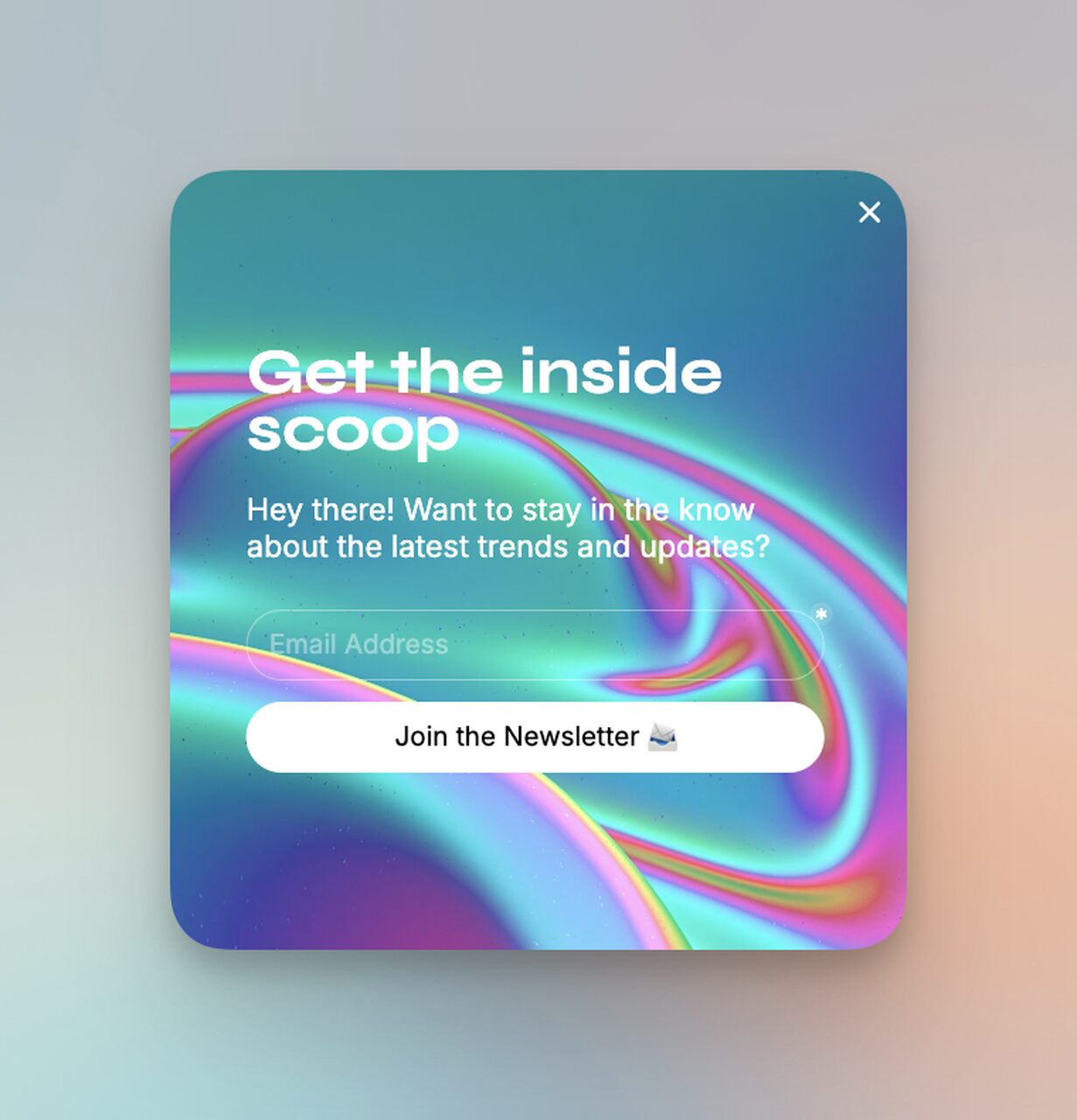
B2B SaaS companies with 5,000+ subscriber lists typically see 25-35% open rates and 3-5% click rates. At those numbers, a weekly newsletter drives more consistent traffic than most social channels. Use lead magnets to accelerate list growth beyond standard signup forms.
6. Run Interactive Quizzes: Collect Data While Entertaining Visitors
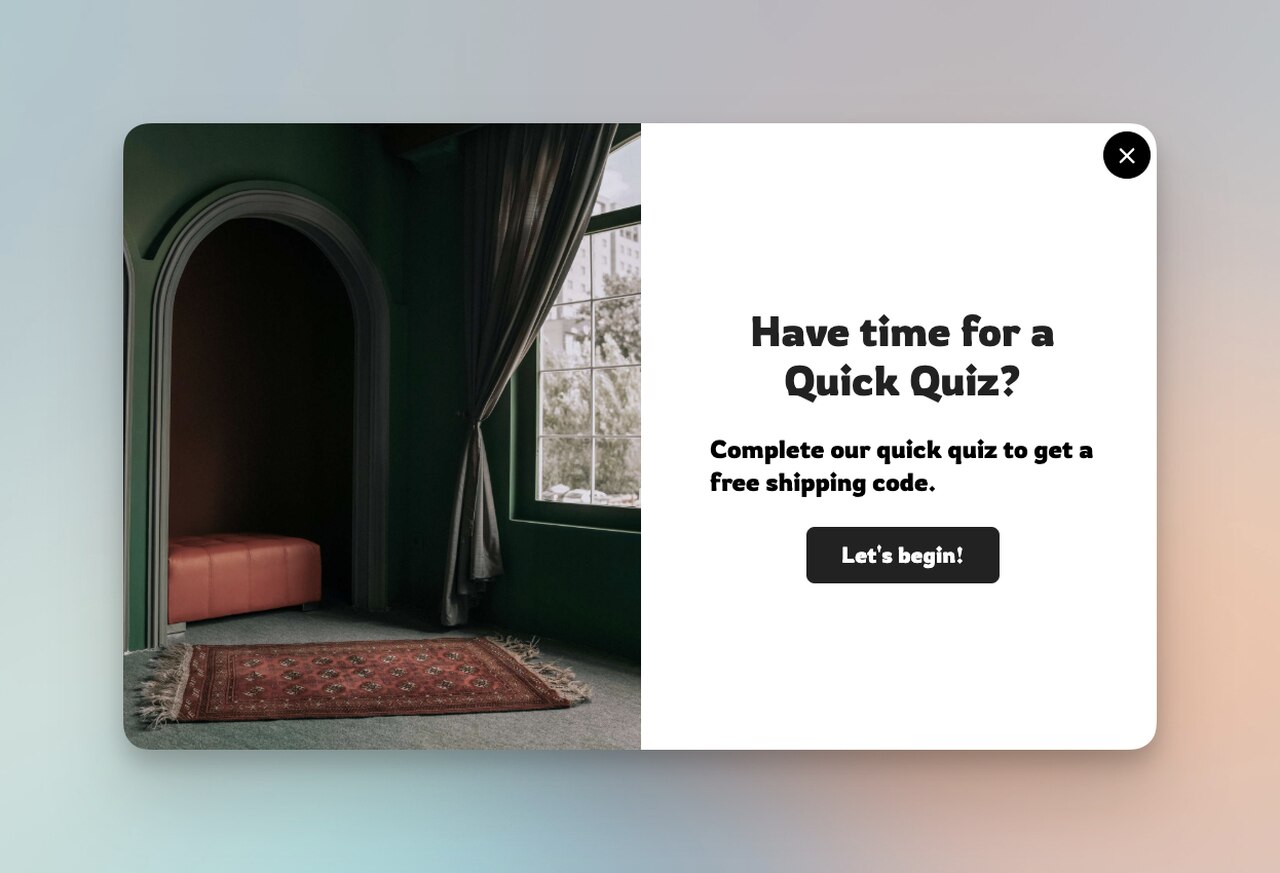
Quizzes convert at 2-3x the rate of static landing pages because they give visitors something in return: a personalized result. They also collect preference data that you can use to segment follow-up messaging.
How to implement:
1. Build a quiz with 5-8 questions that map to your product categories or use cases. Fewer than 5 feels shallow; more than 8 loses completion
2. Gate the results behind an email capture. Show a preview of the result (e.g., "Your marketing type is...") but require an email for the full breakdown
3. Create 3-5 result profiles that map to specific product recommendations or content tracks
4. Share quiz results on social media. Quizzes with shareable results get organic distribution that static forms never achieve
5. Feed quiz answers into your CRM to tag leads by preference. This makes your follow-up emails immediately relevant
Brands that add product-recommendation quizzes to their homepages typically see 30-50% quiz completion rates and 15-25% email capture rates from completers. That's significantly higher than the 1-3% conversion rate on standard opt-in forms.
Content and Digital Marketing Strategies
7. Partner with Complementary Businesses: Access Audiences You Haven't Built Yet
Co-marketing with a non-competing business that shares your target audience gives you instant access to qualified prospects. The partnership works because both sides bring something the other lacks: a fresh audience.
How to implement:
1. Identify 5-10 businesses whose products complement yours. For a popup builder, that might be email marketing tools, analytics platforms, or CMS providers
2. Propose a specific co-marketing asset: a joint webinar, a co-branded guide, or a cross-promotion campaign
3. Create bundled product offers where customers get both products at a combined discount
4. Set clear KPIs upfront: leads generated, conversions attributed, and revenue shared
5. Start small with a single campaign before committing to a long-term partnership
Businesses that run structured co-marketing campaigns report 20-30% increases in new audience reach within the first quarter. The key metric is how many partner-sourced leads convert to paying customers within 60 days.
8. Define and Target Your Ideal Customer: Stop Wasting Budget on the Wrong Audience
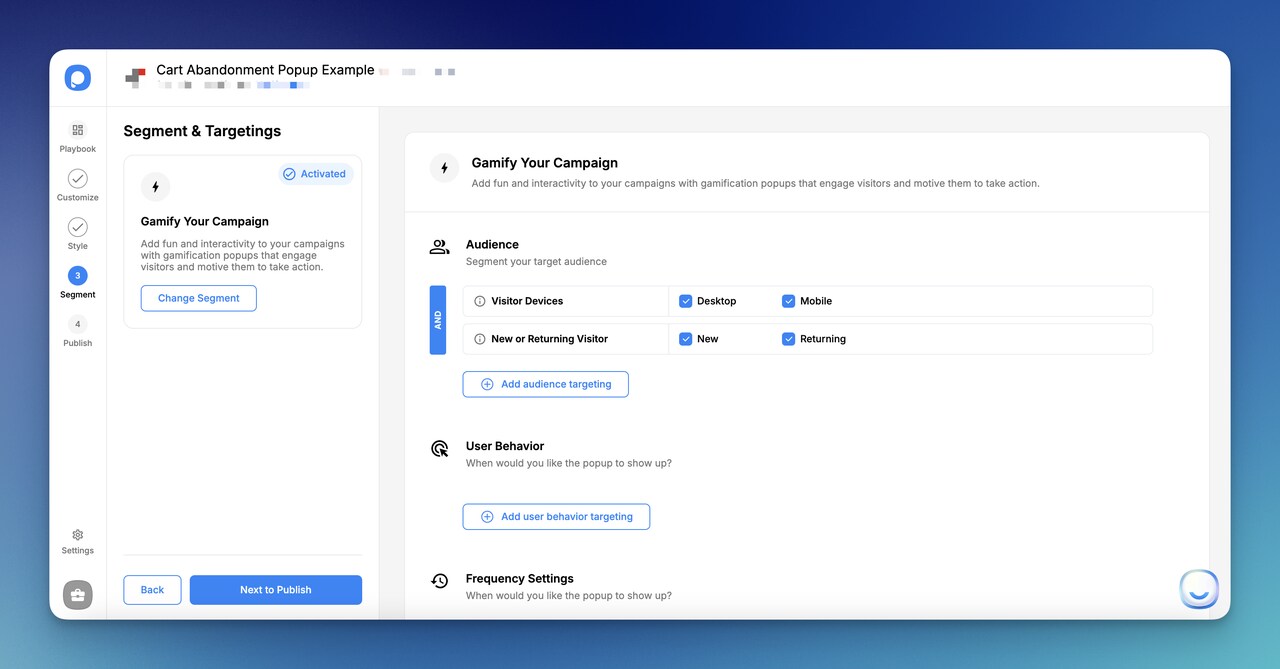
Most marketing waste comes from targeting too broadly. Defining your ideal customer profile (ICP) and building campaigns around it dramatically reduces customer acquisition cost while improving conversion quality.
How to implement:
1. Analyze your top 20% of customers by revenue. Look for shared traits: company size, industry, job title, acquisition channel
2. Build 2-3 detailed personas based on patterns. Include their specific pain points, where they research solutions, and what triggers a purchase
3. Use behavioral targeting for on-site campaigns. Popupsmart's audience segmentation lets you show different messages to different visitor segments without code
4. Exclude low-converting segments from paid campaigns. This alone can cut acquisition cost by 15-30%
5. Revisit your ICP quarterly. Customer profiles shift as markets change
According to Saras Analytics, winning brands treat customer acquisition as a measurable system rather than an ad spend line item. Companies that narrow their targeting to a defined ICP typically see 2-3x improvement in cost-per-acquisition within two quarters.
9. Offer New Customer Incentives: Lower the Barrier to First Purchase
First-time buyers carry the highest risk perception. They don't know your product, don't trust your brand yet, and have alternatives one click away. Incentives reduce that friction by making the first transaction feel low-risk.
How to implement:
1. For SaaS: offer a 14-day free trial with no credit card required. This removes the biggest objection ("What if I don't like it?")
2. For e-commerce: provide a first-order discount (10-15% typically works) delivered via a welcome popup
3. Make the incentive time-limited. "Use within 7 days" creates urgency without feeling pushy
4. Follow up with a 3-email onboarding sequence that shows the product's value before the trial or discount expires
5. Track which incentive type produces the highest 90-day retention, not just the highest initial signup rate
A B2B SaaS company that switched from a 7-day to a 14-day free trial saw a 35% increase in paid conversions. The extra week gave users enough time to integrate the product into their workflow, making it harder to leave. For getting people to buy, the trial length matters more than the discount size.
10. Implement Dual Discounts: Reward Loyalty While Attracting New Buyers
Dual discount programs run two incentive tracks simultaneously: one for new customers, one for existing ones. This prevents the common trap where acquisition discounts alienate loyal customers who feel they're getting a worse deal.
How to implement:
1. Create separate discount codes: "WELCOME15" for new customers and "LOYAL20" for repeat buyers
2. Show the appropriate offer based on visitor status. Use cookie-based targeting to identify returning customers and display their exclusive deal
3. Make the loyalty discount slightly better than the new customer one. This signals that you value long-term relationships
4. Promote the loyalty discount through email and in-app messaging, not public channels. Exclusivity increases perceived value
5. Measure both tracks independently: new customer conversion rate vs. repeat purchase rate
Brands running dual discount structures typically see a 20-25% increase in combined revenue compared to single-track promotions. The retention side is often more profitable. According to Genesys Growth, a 5% improvement in retention drives 25-95% profit increases.
11. Apply Consumer Psychology Principles: Use Cognitive Triggers That Drive Decisions
Consumer psychology gives you frameworks for understanding why people buy, not just what they buy. Principles like social proof, scarcity, and reciprocity aren't manipulation tricks; they're patterns that reduce uncertainty for buyers.
How to implement:
1. Social proof: Display customer count, reviews, or logos on your landing page. "Trusted by 12,000+ marketers" outperforms no social proof by 15-30% in most A/B tests
2. Scarcity: Show real inventory counts or limited seats. "3 spots left" works only when it's actually true
3. Reciprocity: Give something valuable (free tool, template, audit) before asking for anything. Free value creates a psychological obligation to reciprocate
4. Anchoring: Show your premium plan first in pricing tables. The higher price anchors perception, making middle-tier plans feel like a deal
5. Loss aversion: Frame benefits as what they'll lose by not acting. "You're losing $2,400/month in abandoned carts" hits harder than "Save $2,400/month"
Brands that systematically apply 3+ psychology principles across their funnel report 25-40% higher conversion rates compared to those relying on discounts alone. The effect stacks: social proof on the landing page plus scarcity on the checkout page creates compounding influence.
12. Publish Case Studies: Let Customer Results Do Your Selling
Case studies are the highest-trust content format in B2B marketing. They show a real customer, a real problem, and a measurable result. Unlike testimonials, they provide enough context for prospects to see themselves in the story.
How to implement:
1. Pick customers who represent your ideal buyer profile. Prospects trust case studies more when the featured company matches their size, industry, and challenges
2. Structure every case study as: Problem → Solution → Measurable Result. Include specific numbers: "reduced churn from 8% to 3%" not "significantly reduced churn"
3. Repurpose each case study into a blog post, a social media snippet, a sales deck slide, and an email sequence
4. Gate the full PDF version but keep an ungated summary on your blog for SEO value
5. Update case studies annually with fresh results. Outdated numbers undermine credibility
According to Thrive Agency, 73% of the most successful content marketers use case studies, and 39% say they produce the best results out of all content assets. For SaaS companies, a strong case study page often becomes the second-most visited page after pricing.
13. Invest in SEO-Driven Content: Build an Organic Traffic Engine That Compounds
Paid traffic stops when you stop paying. SEO-driven content builds an asset that generates traffic for months or years after publication. For creative ways to attract customers without increasing ad spend, this is the highest-ROI channel for most businesses.
How to implement:
1. Start with keyword research focused on bottom-of-funnel terms your buyers actually search. "Best [category] tools" and "how to [solve problem]" queries convert better than broad informational content
2. Publish 2-4 articles per month targeting different stages of the buyer journey. Consistency matters more than volume
3. Build topic clusters: one pillar page supported by 5-10 related posts that interlink. This signals topical authority to search engines
4. Optimize every post for a featured snippet by including a direct answer in the first 100 words
5. Update published content every 6 months with new data, examples, and internal links
Sites that maintain a consistent content calendar and update existing posts see organic traffic compound 20-40% year over year. The link between content and sales becomes clear once you track which blog posts drive demo requests or trial signups.
14. Master Paid Advertising: Reach the Right People at the Right Time
Paid ads give you speed and precision that organic channels can't match. The challenge isn't running ads; it's running profitable ads. That requires tight targeting, constant testing, and honest ROI measurement.
How to implement:
1. Start with retargeting campaigns. Visitors who already know your brand convert 3-5x higher than cold audiences, so your first ad dollars should go here
2. On Google Ads, bid on branded competitor keywords only if your landing page directly addresses why you're a better fit. Generic "we're great too" ads waste budget
3. Set a daily budget cap for the first 30 days while you gather data. Don't scale until you know your cost-per-acquisition
4. A/B test ad creative weekly. Change one variable at a time: headline, image, or CTA. Never change all three simultaneously
5. Track the full funnel from click to paying customer. A low cost-per-click means nothing if those clicks don't convert
According to Layerfive, 47% of marketing spend (over $66 billion annually) is wasted due to broken attribution. Businesses that implement proper attribution modeling before scaling ad spend see 30-50% better return on their paid campaigns.
15. Use Social Media Creatively: Build Brand Presence Beyond Paid Reach
Social media isn't just a broadcast channel. The brands attracting the most customers treat it as a conversation platform. Creative social strategies generate organic reach that paid posts can't replicate.
How to implement:
1. Pick 2 platforms where your audience actually spends time. For B2B SaaS, that's usually LinkedIn and Twitter/X. For e-commerce, Instagram and TikTok
2. Post behind-the-scenes content, team stories, and process breakdowns. These consistently outperform polished corporate posts in engagement
3. Run monthly contests or giveaways tied to your product. "Tag a friend" mechanics expand your reach at near-zero cost
4. Engage in relevant industry conversations daily. Commenting on others' posts builds visibility faster than posting alone
5. Repurpose blog content into platform-native formats: LinkedIn carousels, Twitter threads, short-form video
Brands that post 4-5 times per week on their primary platform with a mix of content types (educational, behind-the-scenes, user-generated) see 40-60% higher engagement than those posting only promotional content. For B2C lead generation, social media often drives the first touchpoint.
16. Enhance Visual Branding with Photography: Make Your Products Look Worth Buying
Product perception starts with visuals. High-quality photography makes your brand look professional, trustworthy, and worth the price. Low-quality images signal the opposite, regardless of how good your product actually is.
How to implement:
1. Invest in professional product photography for your top 10 best-sellers. These images will be reused across your site, ads, social media, and email
2. Use lifestyle shots that show your product in context, not just on a white background. Buyers need to imagine using it
3. Maintain visual consistency across all channels: same lighting style, color palette, and composition rules
4. Optimize all images for web: compress to WebP, keep dimensions appropriate for display, and add descriptive alt text
5. Update product images seasonally or whenever you refresh packaging/UI
E-commerce stores that upgraded from smartphone product photos to professional photography report 20-35% increases in conversion rates. The investment typically pays for itself within 2-3 months through higher sales.
Customer Experience and Support Strategies
17. Deploy Live Chat for Real-Time Support: Answer Questions When They Matter Most
Live chat captures buyer intent at the exact moment it peaks. When someone is on your pricing page and has a question, they won't fill out a contact form and wait 24 hours. They'll leave. Real-time answers keep them in the buying process.
How to implement:
1. Install chat on high-intent pages first: pricing, product comparison, and checkout pages. Don't clutter your blog with a chat widget
2. Use AI-powered chatbots to handle common questions 24/7. Reserve human agents for complex or high-value conversations
3. Set response time targets: under 30 seconds for first response. Anything longer and visitors start to disengage
4. Create a library of saved responses for your top 20 questions. Consistency matters as much as speed
5. Review chat transcripts weekly for product feedback and common objections you can address on the page itself
Popupsmart implemented AI-powered chat through LiveChatAI and saw 82% of support queries handled autonomously, freeing the human team for sales conversations. For SaaS companies, live chat on pricing pages typically increases demo requests by 20-30%.
18. Personalize the Customer Experience: Tailor Every Interaction to the Individual
Generic experiences convert at generic rates. When you tailor your website, emails, and product to individual behavior and preferences, you reduce the friction between "interested" and "purchased."
How to implement:
1. Start with behavioral triggers: show different popups to first-time visitors vs. returning customers. A welcome discount for new visitors, a "welcome back" message for returning ones
2. Personalize email subject lines with the recipient's name and past behavior. "Your abandoned cart from Tuesday" outperforms "Don't forget your cart!" by 15-25%
3. Use dynamic content blocks that change based on visitor segment: industry, company size, or browse history
4. Recommend products or content based on past purchases or page views. "Customers who bought X also bought Y" is still one of the highest-converting personalization tactics
5. Collect zero-party data through quizzes and preference centers so you can personalize without relying on third-party cookies
Personalized experiences drive measurable revenue lifts. For e-commerce stores doing $500K+ annually, behavioral personalization typically adds 8-15% to total revenue within 6 months of implementation.
19. Invest in Customer Service Excellence: Turn Support Into a Growth Engine
Great customer service doesn't just retain customers; it generates new ones. Every support interaction is a chance to create someone who recommends you to colleagues and friends. Bad service does the opposite, fast.
How to implement:
1. Measure and publish your response times. Transparency about service speed signals confidence
2. Train support staff to solve the underlying problem, not just the surface ticket. "Your popup isn't converting" might really mean "your targeting is wrong"
3. Follow up after resolution. A simple "Is everything still working?" email 48 hours later prevents churn and collects feedback
4. Turn common support questions into self-service content: help docs, video tutorials, and FAQ pages
5. Track Net Promoter Score (NPS) monthly and connect it to support interaction quality
20. Conduct Deep Market Research: Find Opportunities Before Your Competitors Do
Market research isn't just reading industry reports. Deep research means talking to customers, analyzing competitor gaps, and spotting demand shifts before they become obvious. The businesses that attract customers most creatively in business are the ones who understand what those customers actually need.
How to implement:
1. Run 5-10 customer interviews per quarter focused on their problems, not your solution. Ask "What's frustrating about your current process?" not "Do you like our product?"
2. Monitor competitor review sites (G2, Capterra, TrustRadius) for complaints. Each negative review is a positioning opportunity for you
3. Track search trends with Google Trends and industry-specific tools. Rising search volumes for a problem you solve means demand is growing
4. Analyze support tickets for patterns. If 30% of your tickets mention the same issue, that's a product and marketing signal
5. Check Reddit, Quora, and industry forums for unmet needs that no current product addresses well
According to Target Accelerators, the brands winning today aren't relying on guesswork. They're tapping into real-time data, digital behavior, and emerging conversations to shape what comes next. Companies that run structured customer retention research alongside acquisition research see the highest compound growth.
Brand Building and Differentiation Strategies
21. Uncover Your Unique Value Proposition: Say What Makes You Different in One Sentence
If you can't explain why a customer should choose you over alternatives in one clear sentence, your marketing will stay generic and forgettable. A strong value proposition is the foundation of every other strategy on this list.
How to implement:
1. Interview 10 current customers and ask: "Why did you pick us over [competitor]?" Their answers reveal your real differentiator, which often isn't what you think
2. Write your value proposition in this format: "We help [audience] achieve [outcome] by [unique method]." Keep it under 15 words
3. Test it on your homepage as a headline. Measure conversion rate against your current headline for 2-4 weeks
4. Discover unique selling proposition examples from other brands to see what resonates in your industry
5. Align all marketing materials with your value proposition. If an ad, email, or landing page doesn't reinforce it, rewrite
Companies that articulate a clear, differentiated value proposition and place it prominently on their homepage see 10-20% higher conversion rates. The effect multiplies across all channels because every campaign now communicates one consistent message.
22. Establish Authority Through Thought Leadership: Become the Source, Not the Aggregator
Thought leadership attracts customers who trust your expertise before they ever see your product. Publishing original insights, data, and opinions positions you as the go-to source in your space.
How to implement:
1. Publish one piece of original research or data analysis per quarter. Surveys, benchmarks, or internal data that others can cite
2. Write opinion pieces on industry trends that go beyond repeating what everyone else says. Take a stance
3. Secure guest posts on high-authority publications in your industry. Start with industry blogs, then move to mainstream business media
4. Speak at 2-3 conferences or webinars per year. Live presentations build credibility faster than written content alone
5. Build a personal brand for your founders or subject-matter experts on LinkedIn. People trust people more than logos
Brands that publish original research get cited by journalists, analysts, and other bloggers. Those backlinks compound into domain authority that lifts all your pages in search rankings. Companies with recognized thought leaders report 30-50% shorter sales cycles because prospects arrive pre-sold on credibility.
Relationship and Community Strategies
23. Host Webinars and Virtual Events: Generate Leads Through Education
Webinars combine lead generation and trust-building in a single format. Attendees give you their contact info, spend 30-60 minutes with your brand, and leave having learned something useful. That's a stronger relationship start than any ad click.
How to implement:
1. Pick a topic your audience cares about that naturally connects to your product. "How to reduce cart abandonment" works better than "Our product demo" for attracting new prospects
2. Promote the webinar 2-3 weeks ahead through email, social media, and a dedicated landing page with a countdown
3. Include a live Q&A segment. Interactive webinars retain 2-3x more attendees than one-way presentations
4. Record everything and repurpose: the recording becomes gated content, clips become social posts, and the transcript becomes a blog post
5. Follow up within 24 hours with the recording link and a relevant CTA (not just "buy our product")
B2B SaaS companies running monthly webinars typically see 100-300 registrations per event with 40-50% attendance rates. Of those attendees, 10-15% typically request a demo or start a trial within 30 days. That makes webinars one of the lowest cost-per-lead channels for attracting customers in sales-led organizations.
24. Organize Community Events: Build Local Presence and Word-of-Mouth
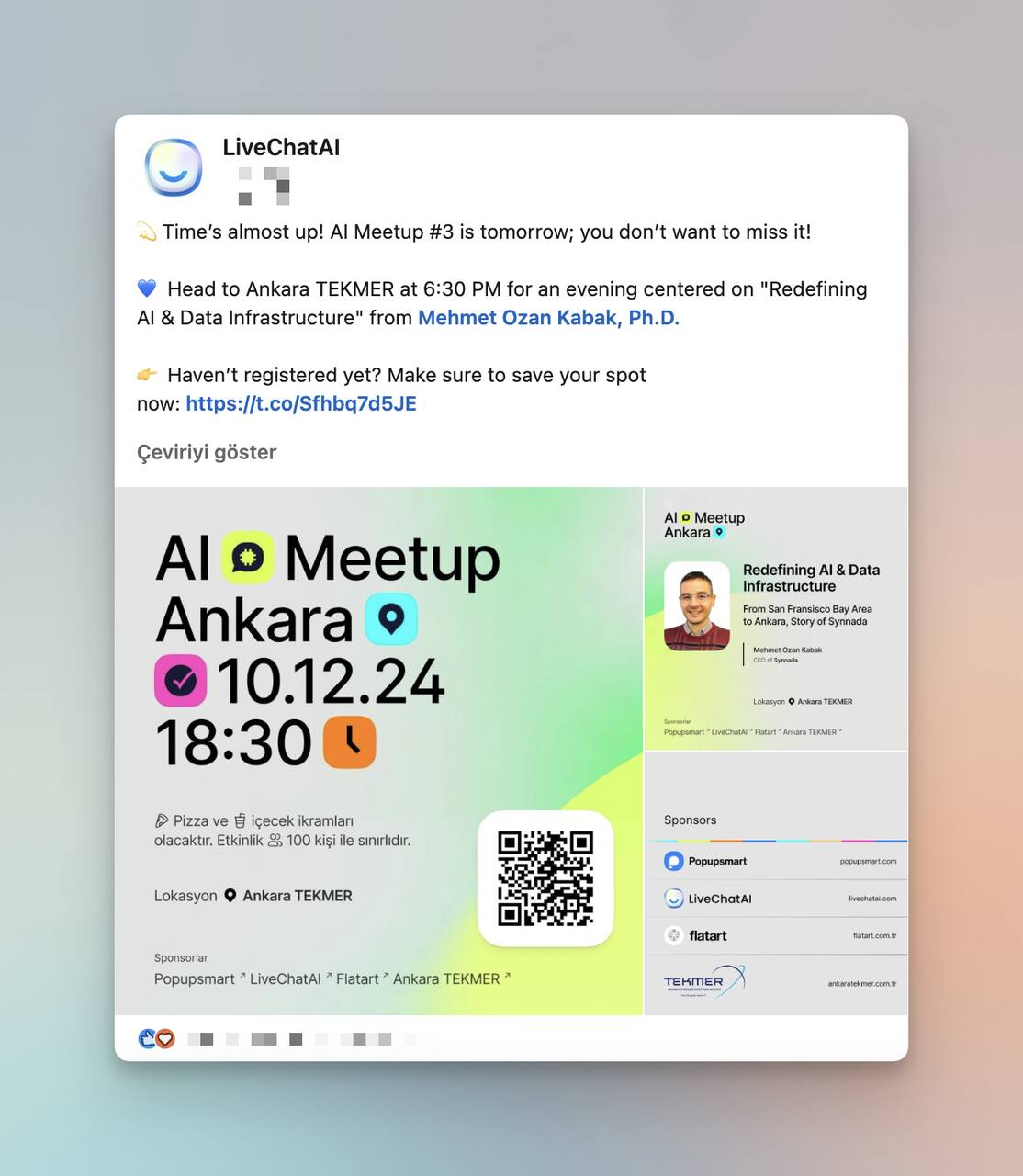
In-person events create a level of brand loyalty that digital channels struggle to match. Meeting your team face-to-face transforms a company from a logo on a screen into real people your customers know and trust.
How to implement:
1. Start with small, focused meetups (20-50 people) in your core market. Intimate events generate better conversations and stronger connections than large conferences
2. Sponsor a local event that aligns with your audience's interests. An analytics company might sponsor a data science meetup; a conversion tool might sponsor an e-commerce networking night
3. Bring value beyond a sales pitch: invite a guest speaker, host a workshop, or run a networking format
4. Collect attendee contact info and follow up within 48 hours with event photos and a thank-you message
5. Share event content on social media to extend reach beyond the room
The word-of-mouth effect is difficult to measure precisely but consistently shows up in "How did you hear about us?" surveys. Building a customer win-back strategy becomes easier when there's a personal relationship to reactivate.
25. Display Customer Testimonials and Reviews: Show, Don't Tell
Customer testimonials reduce buying anxiety because they let prospects hear from someone like them who already took the risk. Video testimonials are strongest, but even text reviews with a name and company carry significant weight.
How to implement:
1. Place testimonials on every high-intent page: pricing, product, and checkout. Don't isolate them on a "Testimonials" page nobody visits
2. Match testimonials to the page's objection. On pricing, show a quote about ROI. On the product page, show a quote about ease of use
3. Use video testimonials when possible. Even 30-second clips filmed on a phone outperform polished text quotes in conversion tests
4. Include specific results: "We increased conversions by 34% in 60 days" beats "Great product, highly recommend"
5. Rotate testimonials monthly so returning visitors see fresh social proof
Pages with customer testimonials convert higher than identical pages without them. For B2B, testimonials from recognized companies carry extra weight because prospects anchor to the brand name's credibility.
26. Reward Customer Loyalty: Increase Retention and Lifetime Value
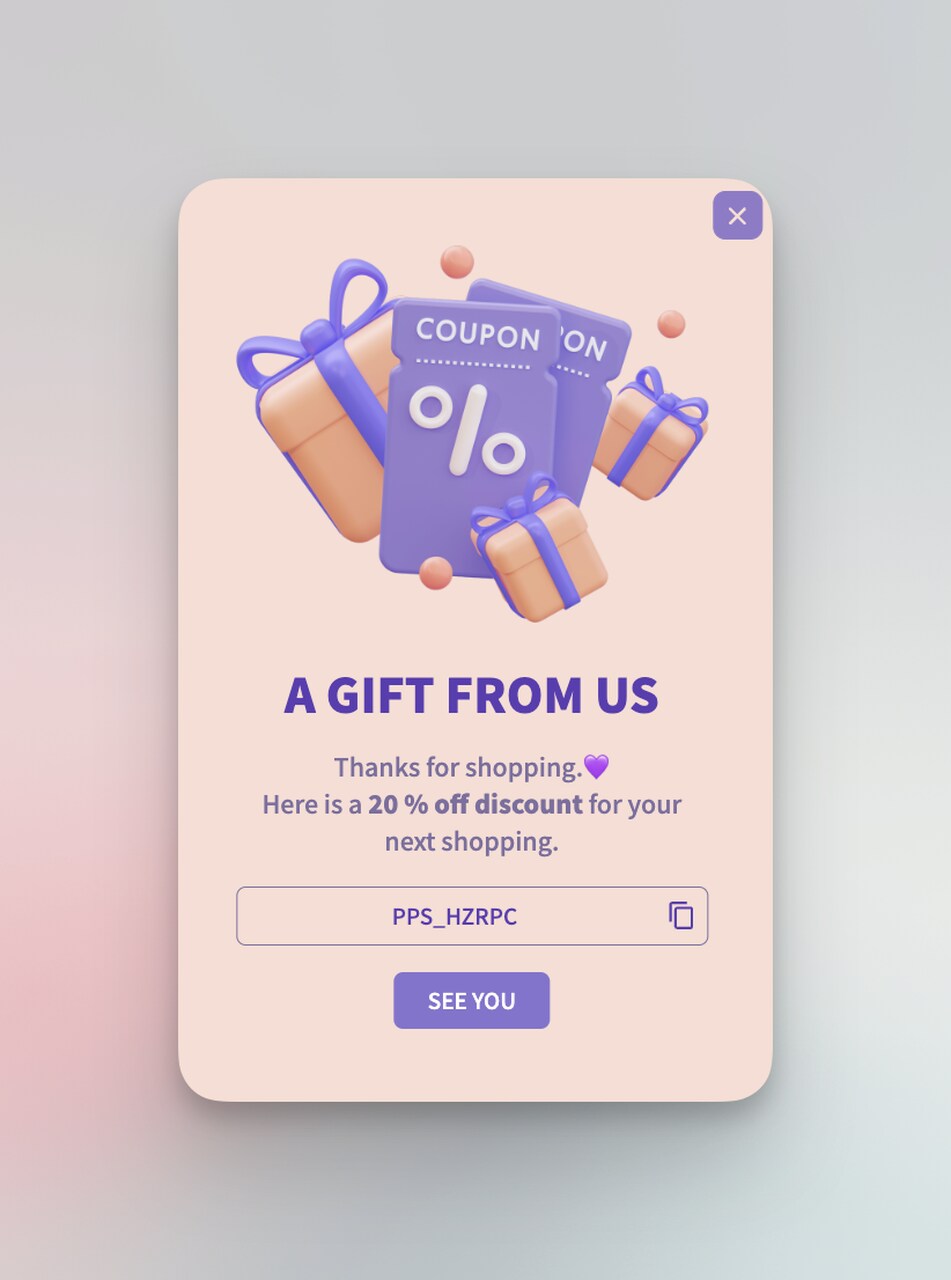
Acquiring a new customer costs 5-7x more than retaining an existing one. A customer loyalty program turns repeat buyers into advocates and increases their lifetime spend.
How to implement:
1. Choose a points-based system for e-commerce or a tier-based system for SaaS. Points work well for frequent small purchases; tiers work for annual subscriptions
2. Make rewards achievable. If the first reward requires $500 in spending, most customers will never engage with the program
3. Add non-purchase actions that earn points: writing reviews, referring friends, completing their profile. This drives engagement beyond transactions
4. Offer early access to new features or products as a top-tier reward. Exclusivity motivates more than discounts for many customer segments
5. Send monthly point balance reminders. Customers who know their balance are 2x more likely to make a purchase to earn the next reward
The most effective programs combine transactional rewards (discounts, free products) with experiential ones (early access, VIP support) to appeal to different motivation types.
How to Prioritize These Strategies to Attract Customers
With 26 strategies, picking where to begin matters as much as picking what to do. Here's a prioritization framework based on effort required and typical time to results:
| Priority | Strategy | Effort | Impact | Best For |
|---|---|---|---|---|
| 1 | Exit-Intent Popups | Low | High | Any website with 5K+ monthly visitors |
| 2 | Customer Testimonials | Low | High | Any business with 10+ happy customers |
| 3 | Email Newsletter | Low | High | Businesses building long-term audience |
| 4 | Referral Program | Medium | High | SaaS and e-commerce with active user base |
| 5 | SEO-Driven Content | Medium | High | Any business targeting organic growth |
| 6 | Consumer Psychology | Medium | High | E-commerce and landing page optimization |
| 7 | Personalization | Medium | High | Stores with behavioral data available |
| 8 | Live Chat | Medium | Medium | SaaS with complex pricing or product |
| 9 | Webinars | High | High | B2B SaaS with expert team |
| 10 | Thought Leadership | High | High | Brands with unique data or expertise |
Start with the top 3 if you need quick results. They can be set up within a week and typically show measurable impact within 14-30 days. Move to medium-effort strategies once your foundation is solid.
Start Applying Creative Strategies & Attract Customers
You don't need all 26 creative ways to attract customers running at once. The businesses that grow fastest focus on a few methods of attracting customers, execute them well, and expand from there.
Here's a practical starting point:
1. Set up an exit-intent popup on your highest-traffic page today. It takes 15 minutes and starts capturing leads immediately. Popupsmart's popup builder makes this straightforward even without a developer
2. Collect three customer testimonials this week and place them on your pricing page. Even simple text quotes with the customer's name and title increase conversions
3. Launch a basic email newsletter with your existing signup list. Send one useful email per week. Consistency beats complexity
Once those three are running, layer in a referral program and an SEO content calendar. Within 90 days, you'll have five proven marketing strategies working simultaneously, each feeding the others. The compounding effect is where real customer acquisition growth happens.
Frequently Asked Questions
How can I attract customers easily without a big budget?
The best creative ways to attract customers on a budget start with zero-cost channels: referral programs, SEO content, social media engagement, and email marketing. These methods take time over money. A referral program with a small incentive ($10-20 credit) can drive 8-15% of new customers once your base reaches 500+ active users. Combine that with weekly blog content targeting long-tail keywords, and you build an organic pipeline that reduces dependence on paid ads. The key is picking 2-3 channels and executing consistently rather than spreading thin across all of them.
What are innovative methods to attract customers online?
The most effective online methods right now combine AI personalization with human trust signals. Interactive quizzes that recommend products based on answers, AI-powered chat that handles 80%+ of visitor questions instantly, and zero-party data collection through preference surveys all perform well. Video testimonials convert better than text reviews, and community-led growth through platforms like Discord or Slack groups builds loyalty that advertising can't replicate. The shift is away from interruption-based marketing and toward permission-based engagement where the customer opts into your ecosystem.
How can businesses use social media to attract customers?
Stop treating social media as a broadcast channel. The brands winning on social are having conversations, not publishing announcements. Post behind-the-scenes content, respond to every comment within 2 hours, and create content that people want to share. Run monthly contests with low-friction entry (tag a friend, answer a question). Use platform-native formats: LinkedIn carousels for B2B, Instagram Reels for consumer products, TikTok for brand personality. Consistency (4-5 posts per week) matters more than production quality.
How would you rate your experience with this article? 😊