 ChatGPT
 Perplexity
 Claude
 Grok
Grok Google AI Mode
I’ve spent years analyzing why some popups convert effortlessly while others get ignored, or worse, closed instantly. What consistently stands out is this: interaction changes behavior. When visitors are invited to participate instead of being asked to comply, engagement follows naturally.
That’s where Spin-to-win popups on Shopify come in.
Rather than interrupting the shopping flow, these gamified popups create a brief moment of curiosity, one that feels optional, lightweight, and rewarding.
Used thoughtfully, they can turn anonymous traffic into engaged leads without damaging trust or user experience. I’ve seen this firsthand while optimizing interactive popups and conversion flows at Popupsmart, where timing, intent, and format often mattered more than the size of the incentive itself.
In the sections below, I’ll break down what spin-to-win popups are, how they work specifically on Shopify, and why they’ve become a reliable growth lever for modern e-commerce stores, when implemented with strategy rather than shortcuts.
What This Guide Covers 🧭
This guide focuses on the practical use of spin-to-win popups on Shopify.
- 🎡 How spin-to-win popups work within the Shopify ecosystem
- 🎮 Why gamified popups often outperform traditional opt-ins
- 📊 Key statistics and benchmarks that validate popup-based lead capture
- 🎯 How to choose and set up the right spin-to-win popup tools
- ✏️ Proven optimization best practices based on real CRO experience
By the end of this guide, you’ll have a clear understanding of when spin-to-win popups make sense for your Shopify store, how to implement them without harming user experience, and how to optimize them into a repeatable lead capture system.
🎡 What Are Spin-to-Win Popups on Shopify and Why Use Them?
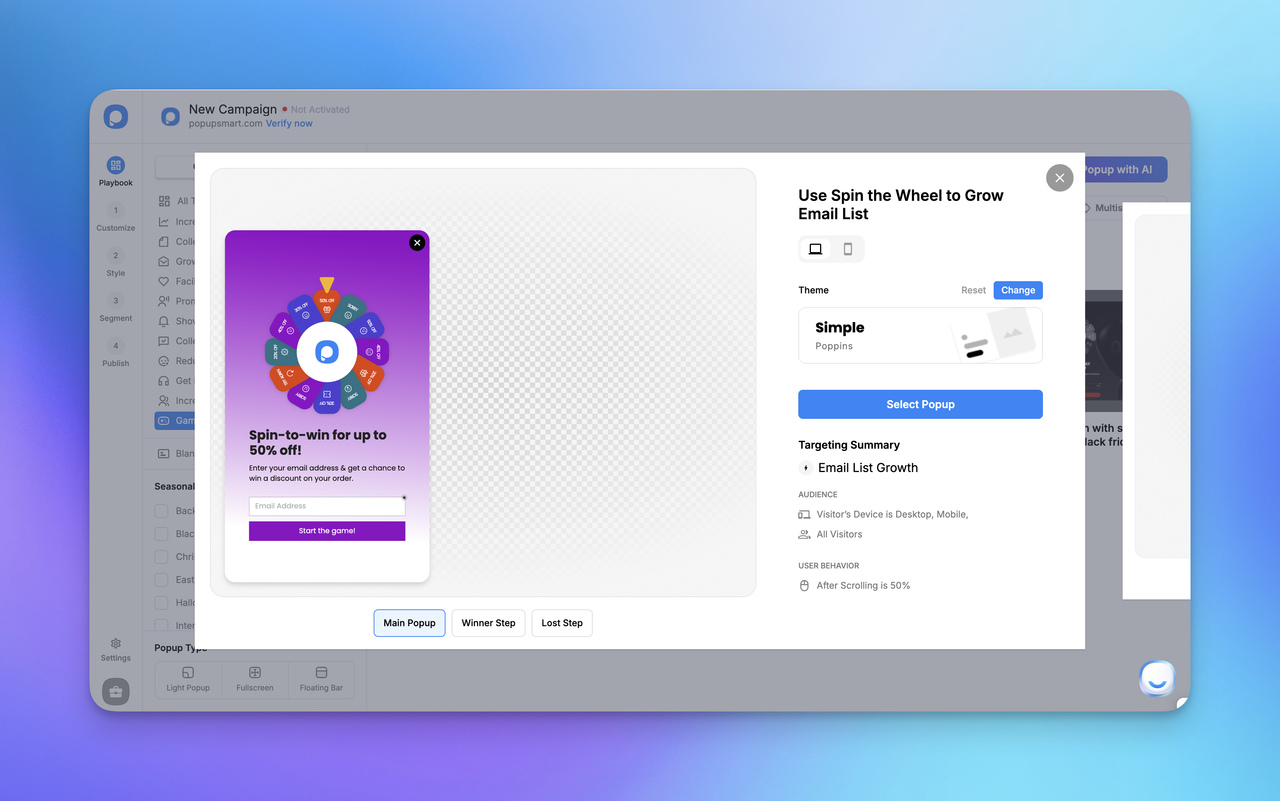
When I talk about spin-to-win popups, I’m referring to gamified conversion elements that turn a routine action, such as sharing an email address, into an interactive experience. Instead of passively asking visitors to subscribe, these popups invite users to spin a digital wheel for a chance to win a reward like a discount, free shipping, or early access.
From my experience running CRO- and SEO-led growth experiments across Shopify and SaaS projects, this shift in format consistently produces higher engagement than static opt-ins, especially with first-time visitors.
🔑 How Spin-to-Win Popups Work in the Shopify Ecosystem
On Shopify stores, spin-to-win popups function as part of the conversion and engagement layer, not as standalone gimmicks. When implemented correctly, they:
-
Trigger based on behavior Exit intent
-
Scroll depth
-
Time spent on page
-
Capture high-intent leads Email addresses
-
Phone numbers (for SMS flows)
-
Integrate with marketing workflows Automatically generate unique discount codes
-
Sync leads with email and SMS tools
-
Feed data into segmentation and follow-up campaigns
I’ve seen these popups work especially well for first-time visitors who aren’t ready to purchase but are open to a low-friction interaction.
🏷️ Why Gamification Works in E-commerce
Spin-to-win popups on Shopify align with a broader shift toward gamification in online shopping.
At a behavioral level, gamification reframes the interaction: curiosity replaces resistance, anticipation replaces interruption, and choice replaces obligation. This effect is strongest at early touch points, where visitors are still evaluating trust.
Instead of deciding whether to give up their email, visitors focus on what they might win. In my CRO analysis work, this shift consistently correlates with higher opt-in rates compared to traditional static popups.
➕ Key Benefits Compared to Traditional Popups
Based on hands-on optimization and performance analysis, the main advantages include:
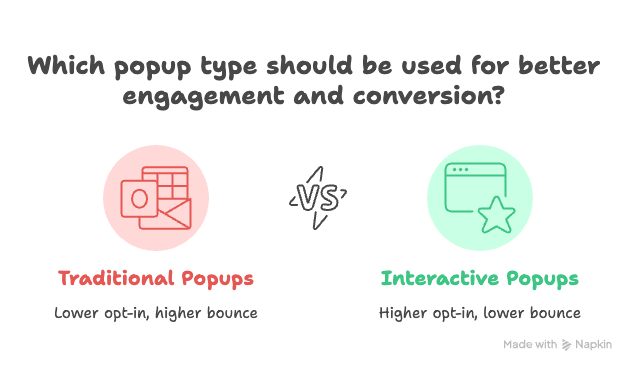
- Higher opt-in rates than standard email popups
- Lower bounce rates due to interactive engagement
- Longer time on site, especially for new visitors
- More positive brand perception during first touchpoints
At Popupsmart, content-led optimization around interactive popups and behavioral targeting has shown how format, timing, and intent alignment can directly influence conversion outcomes.
🤔 Common Misconceptions to Clear Up
Spin-to-win popups on Shopify are often misunderstood. In practice:
-
They are not limited to discounts Free shipping
-
Content access
-
Loyalty rewards
-
Giveaways
-
They don’t have to feel spammy or childish Frequency limits prevent overexposure
-
Mobile-optimized designs reduce friction
-
Clear value messaging builds trust
When thoughtfully designed, they often feel less intrusive than traditional popups because users actively choose to engage.
💡 Why They Matter for Shopify Growth
I see spin-to-win popups on Shopify as a behavioral optimization tool, not a novelty feature. They help turn passive traffic into engaged leads, set expectations early in the customer journey, and create a more satisfying first interaction. When used strategically, they lay a strong foundation for sustainable list growth, conversion optimization, and long-term retention, topics explored in the next sections of this guide.
📊 Shopify On-Site Popup Statistics That Validate Lead Capture
When evaluating why spin-to-win popups matter for Shopify stores, it’s useful to look at how on-site popups perform across real merchant environments, not just isolated case studies.
Shopify’s own ecosystem data and partner research consistently highlight popups as a core lead capture mechanism for e-commerce brands. According to Shopify-focused onsite marketing analyses, email capture remains the primary use case for popups across Shopify stores, especially on first visits and exit scenarios.
Research analyzing thousands of Shopify storefronts shows that:
- Over 60% of Shopify stores actively use popups to collect email addresses, making popup-based lead capture one of the most widely adopted onsite growth tactics. And according to the Shopify Conversion Rates statistics,email marketing is the highest-converting channel (≈3–5%) for Shopify stores.
- Welcome popups appear on more than half of Shopify sites, reflecting how strongly merchants prioritize first-visit engagement.
- Exit-intent popups are used more selectively, typically by stores optimizing for higher-intent traffic rather than raw volume.
- Many Shopify brands run multiple popup formats simultaneously (welcome, exit, mobile-only), signaling a layered approach to onsite engagement rather than reliance on a single format.
These patterns align with broader Shopify guidance around conversion optimization and customer acquisition. Shopify emphasizes that capturing visitor intent early, before a shopper is ready to purchase, is critical for building owned audiences and reducing dependence on paid acquisition channels.
🚀 Top Benefits of Spin-to-Win Popups for Shopify Email List Growth
Most Shopify stores don’t struggle with traffic, they struggle with turning that traffic into owned audiences. In my work optimizing content-led growth and conversion flows for SaaS and e-commerce brands, I’ve consistently seen that the biggest gains come not from bigger discounts, but from how the opt-in experience is designed.
Spin-to-win popups stand out because they don’t ask visitors to commit immediately. Instead, they invite participation first, and that distinction matters.
1. Higher Email Opt-In Rates Through Gamification
At a functional level, spin-to-win popups replace static signup forms with interactive prize-wheel mechanics. Visitors spin for a chance to win a reward, usually a discount, free shipping, or another incentive, in exchange for their email address.
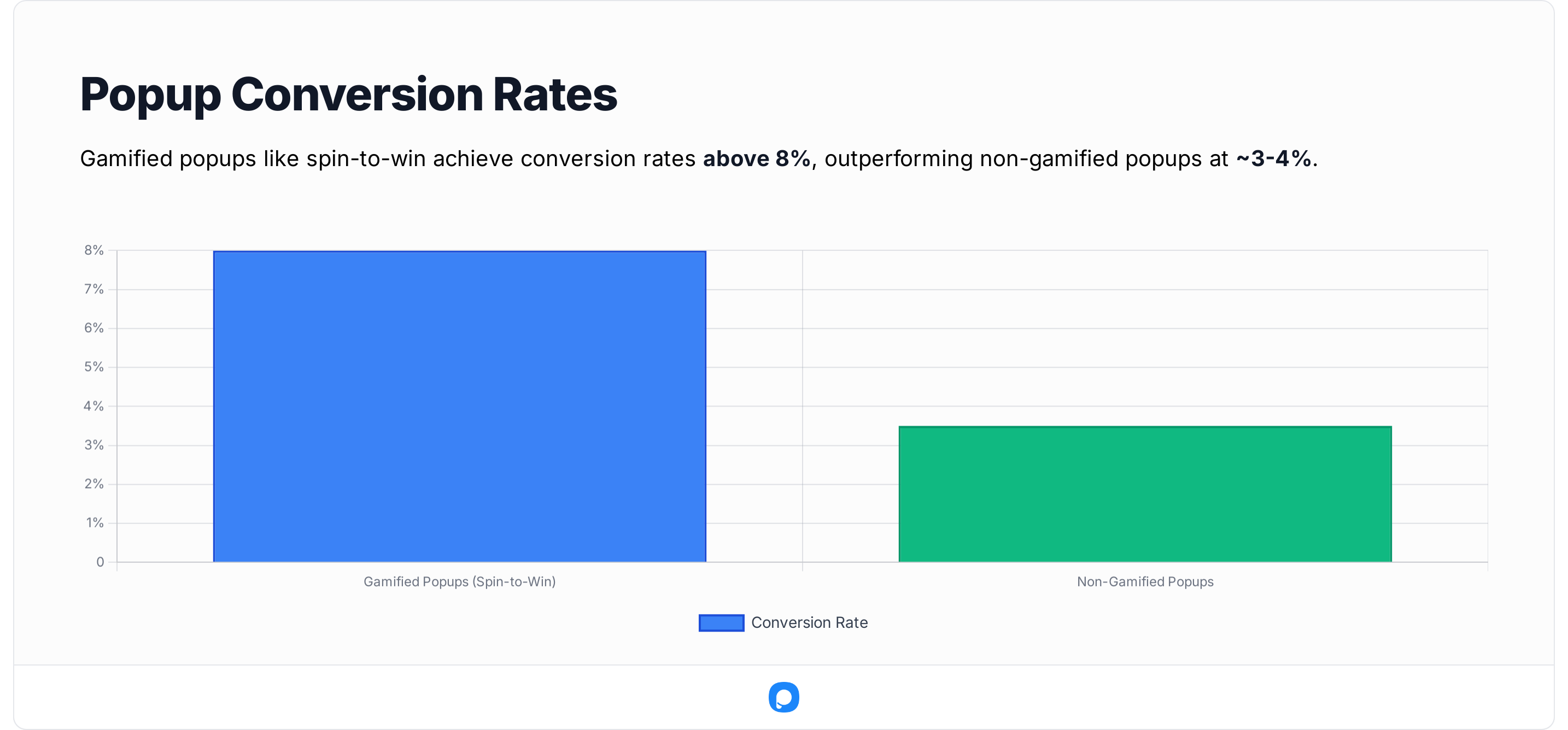
Across multiple A/B tests with statistically meaningful traffic volumes, gamified popups consistently outperform static email opt-ins in opt-in rate and engagement depth. For example, third-party popup performance studies have found spin-to-win formats achieving conversion rates above 8%, compared to ~3–4% for non-gamified popups.
I’ve seen similar patterns across real campaigns: simply adding an interactive layer often produces immediate lift without changing the offer itself.
2. Reduced Popup Fatigue and Better First Impressions
One of the most overlooked benefits is how spin-to-win popups combat popup fatigue.
Traditional popups fail not because users hate offers, but because they’ve seen the same format hundreds of times. Gamified popups reset expectations most effectively on high-bounce pages like homepages and category listings, where visitors are still deciding whether to continue or leave.
When implemented with:
- Behavioral triggers (exit intent, scroll depth, time on page)
- Frequency caps
- Mobile-optimized layouts
they tend to feel less intrusive, not more. In multiple CRO tests I’ve worked on, interactive popups consistently generated longer on-site engagement than static forms, especially for first-time visitors.
3. Stronger Engagement Beyond the First Opt-In
Spin-to-win popups aren’t limited to email capture. When used strategically, they also support retention and re-engagement.
Common high-performing use cases include:
- Seasonal campaigns (holiday spins, limited-time drops)
- Cart and checkout recovery
- Loyalty or repeat-visit incentives
I’ve also seen strong results when educational elements are layered into the experience, such as explaining benefits of a product category alongside the spin. This approach improves user understanding while maintaining engagement, which often contributes to higher-quality leads, not just higher volume.
4. Measurable, Data-Driven List Growth
From a growth perspective, the biggest advantage is measurability. Spin-to-win popups lend themselves well to A/B testing and segmentation, which is critical for sustainable list growth.
Based on campaign analysis and industry benchmarks:
- Well-optimized spin wheels have helped brands double or triple email list growth
- Timing (often 15–20 seconds) performs better than instant triggers
- Balanced reward probabilities (many small wins, few high-value rewards) protect margins while maintaining excitement
Segmenting rewards based on behavior, such as higher incentives for exit-intent visitors, has been one of the most reliable ways I’ve seen to increase opt-in rates without over-discounting.
5. Scalable Implementation for Shopify Stores
The final benefit is practicality. Shopify merchants don’t need custom development to test or scale this strategy. Tools like the Shopify integration at Popupsmart make it possible to deploy, test, and optimize spin-to-win popups quickly, while keeping performance, UX, and analytics in check.
Why This Matters for Long-Term Growth
From my experience, spin-to-win popups work best when they’re treated as a conversion system, not a one-off tactic. They help turn anonymous traffic into owned audiences, reduce reliance on paid acquisition, and create a more engaging first touchpoint.
When implemented with clear intent, data discipline, and respect for user experience, they’re one of the most effective tools Shopify stores can use to grow email lists without sacrificing trust or brand quality.
🆚 Comparing the Best Spin-to-Win Popup Apps for Shopify
Choosing the right spin-to-win popup app matters more than most Shopify merchants realize. Over the past five years, I’ve tested and implemented multiple interactive popup tools as part of CRO and email growth strategies. What sets the best apart isn’t just feature lists, it’s how well they integrate with your email/SMS stack, analytics, trigger flexibility, and ongoing optimization capabilities.
Below, I compare the most widely used options, including Popupsmart, which I’ve worked with across multiple clients, to help you pick the tool that aligns with your store’s goals and workflows.
🧮 Feature & Capability Comparison
All of the tools below support basic spin-to-win mechanics, mobile responsiveness, and Shopify installation. The differences show up in flexibility, analytics, workflow integration, and ease of optimization.
| App | Standout Strengths | Best Use Cases |
|---|---|---|
| Popupsmart | Deep customization, rich triggers, robust analytics without heavy dev | Growth teams focused on long-term optimization & segmentation |
| Wheelify | High visual customization, email/SMS sync | Stores that want design control & segmented rewards |
| Privy | Fast setup + built-in A/B testing | Teams prioritizing iteration & data-driven optimization |
| WooHoo | Eye-catching animations, sharing features | Brands focused on playful user interaction |
| KnowBand Spin and Win | Multilingual support & cart triggers | International stores and cart-recovery flows |
🚀 What Sets Popupsmart Apart
When I compare Popupsmart with other Shopify spin-to-win tools, a few strengths consistently stand out:
- Flexible Triggers – Popupsmart offers a broad range of trigger options (scroll, exit intent, time delay), giving more control over when the wheel appears.
- Analytics & Testing – Built-in performance insights make it easier to iterate without exporting data to external dashboards.
- Segmentation & Integrations – It integrates smoothly with major email and SMS platforms (e.g., SendGrid), enabling post-capture workflows that improve list quality and downstream conversions.
- Ease of Optimization – The UX and UI make A/B testing, reward balancing, and experience refinement more approachable for non-technical teams.
That said, for teams looking for a very lightweight or one-click setup with minimal configuration, this level of flexibility may feel unnecessary at early stages.
💵 Pricing & Integration Overview
| App | Entry Pricing | Key Integrations | Best For |
|---|---|---|---|
| Popupsmart | Free / Paid tiers | Klaviyo, Mailchimp, Shopify, GA | Balanced performance + analytics |
| Wheelify | ~$9/month | Email, SMS | Custom-heavy setups |
| Privy | Free / ~$15+ | Klaviyo, Analytics | Fast testing & growth |
| WooHoo | ~$19/month | Shopify-native | Visual-first brands |
| KnowBand | ~$69 one-time | Multilingual, cart | International stores |
💭 Practical Patterns from User Feedback
When I review feedback from merchants using these tools, a few consistent patterns emerge:
- Tools with strong testing and analytics (Popupsmart, Privy) make it easier to optimize over time instead of launching once and forgetting.
- Customization depth (Popupsmart, Wheelify) adds early gains but requires careful strategy to avoid distraction.
- Visual features (WooHoo) boost engagement on playful sites, but may lack advanced segmentation or optimization tools.
- One-time purchase models (KnowBand) are cost-effective, but can lag in updates and extension features.
These real-world usage insights should help you align your choice to your long-term growth model rather than short-term novelty.
🧑💻 How I’d Choose Based on Store Priorities
- If your priority is sustainable list growth with strong analytics: Popupsmart or Privy
- If you want visual flair and shareability: WooHoo
- If you want deep style customization: Wheelify
- If you sell globally with CART priorities: KnowBand Spin and Win
Spin-to-win popups for Shopify aren’t a one-size-fits-all tool, they’re a strategic lever. The right choice depends on your team’s capacity for optimization, integration needs, and growth goals.
👟 Step-by-Step Guide to Setting Up Spin-to-Win Popups in Shopify
Setting up spin-to-win popups on Shopify doesn’t require complex configurations or heavy development. In my experience working on conversion optimization and email growth projects, especially while configuring interactive popups at Popupsmart, the biggest wins usually come from starting simple, launching fast, and iterating based on real user data.
Spin-to-win popups work because they combine email capture with interaction. But their effectiveness depends far more on how they’re implemented than which app you choose. Below is the setup process I follow to ensure these popups drive measurable engagement without harming user experience.
1. Install and Connect Popupsmart to Your Shopify Store
Start by installing Popupsmart from the Shopify App Store.
Go to the Shopify App Store, install Popupsmart, and approve the required permissions. Once installed, Popupsmart automatically embeds into your store, no manual code required.
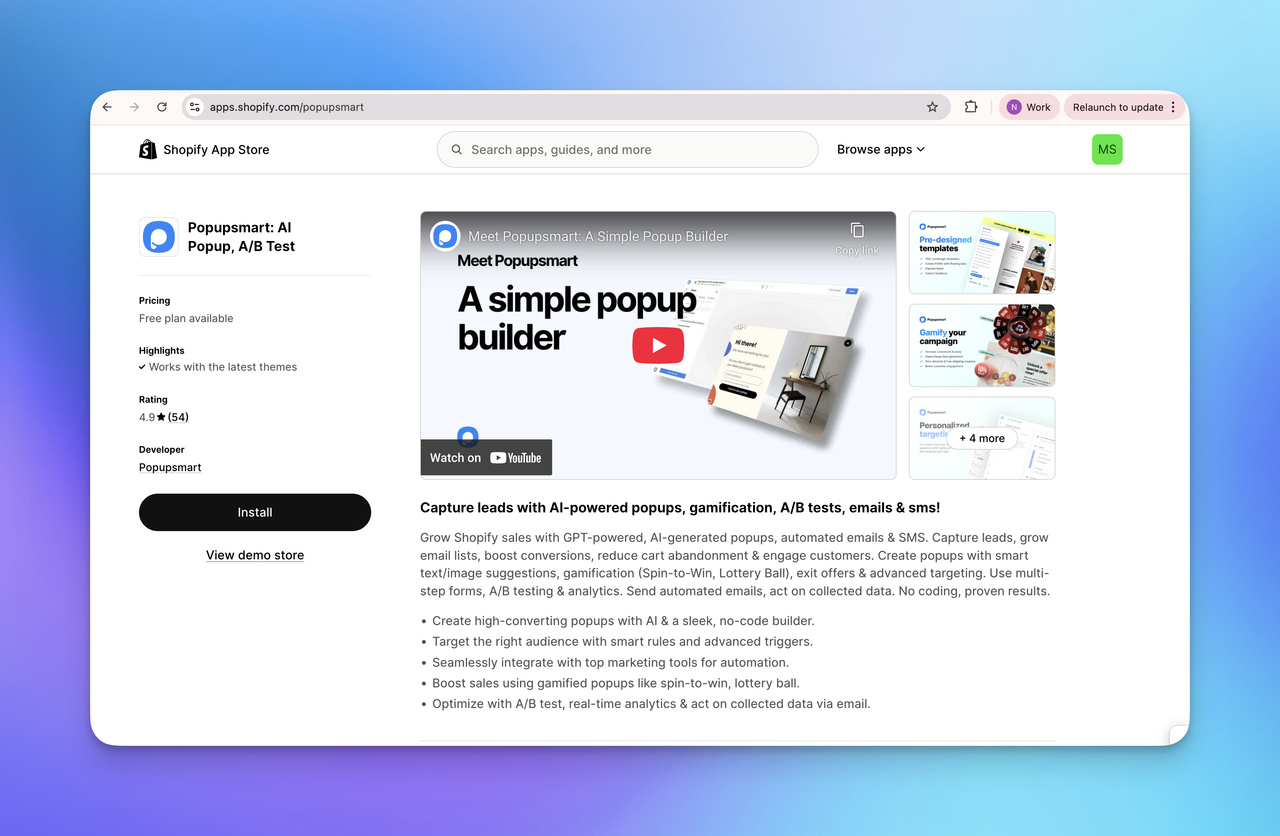
After installation, click New Campaign in the top-right corner and select the Spin-to-Win popup template.
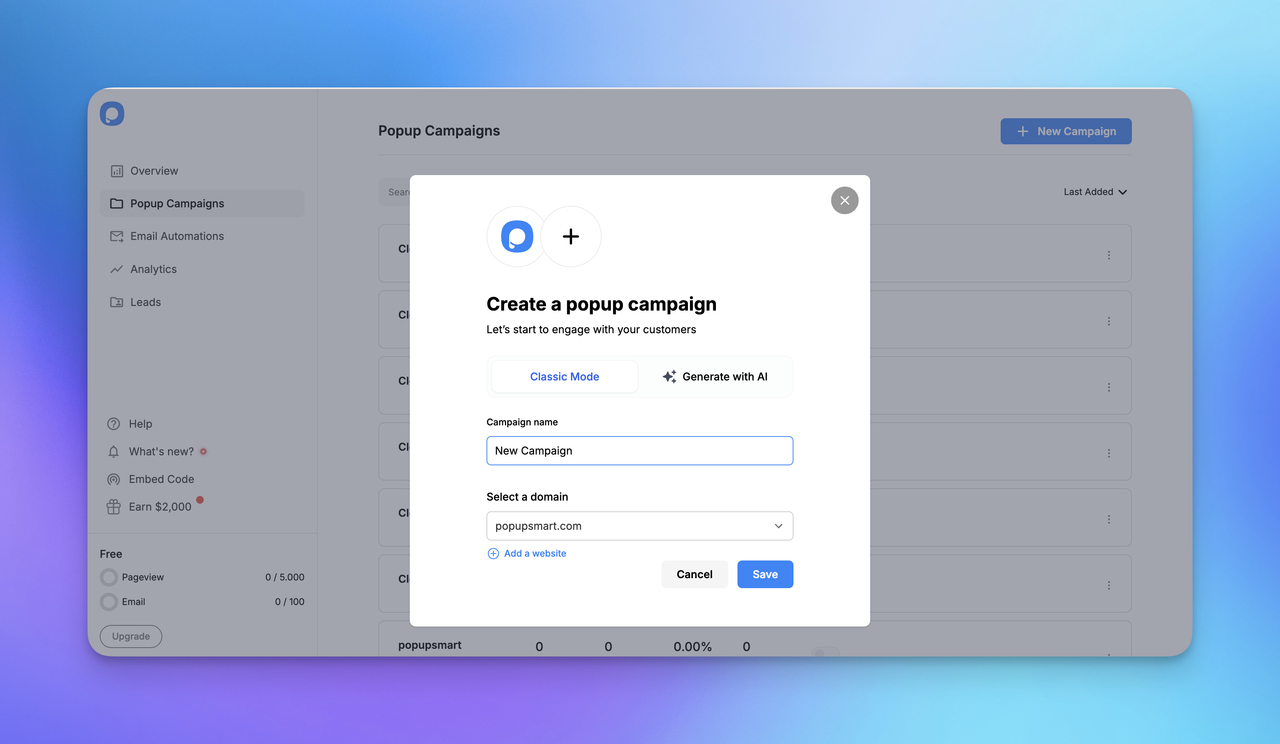
This step is required because Popupsmart activates customization and integrations at the campaign level.
Next, connect your email marketing tool.
In Popupsmart, click Settings in the bottom-left corner, navigate to Integrations, connect your ESP (Klaviyo, Mailchimp, etc.), and map email fields so collected leads flow directly into your lists and automations.
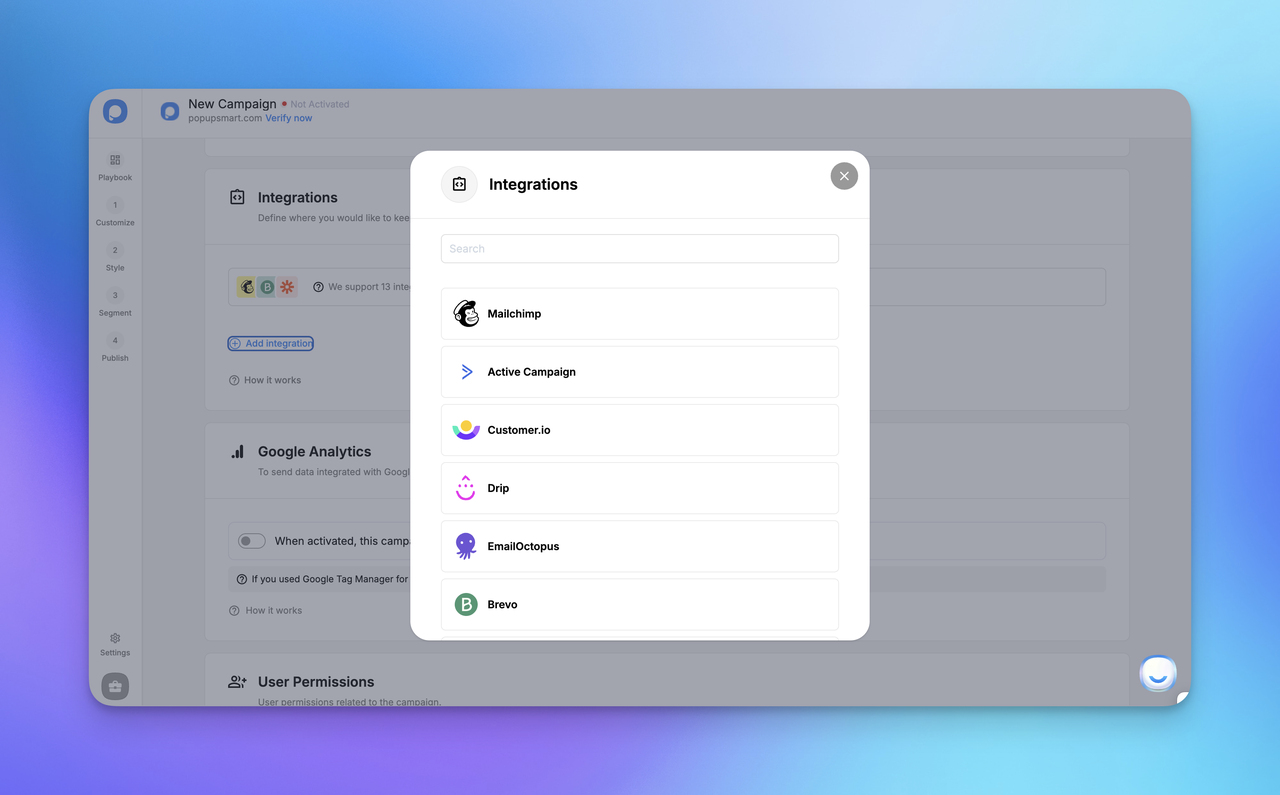
Before moving on, run a test spin to make sure emails are captured correctly, discount codes are generated, and follow-up automations are triggered properly. Catching these issues early prevents silent data loss after launch.
2. Customize the Spin-to-Win Popup
Now that your campaign and integrations are ready, move on to the Customize & Style section of your Spin-to-Win popup.
Here, you can align the popup with your brand by adjusting colors, fonts, copy, and layout. The goal is to make the wheel feel like a natural extension of your storefront rather than a generic overlay.
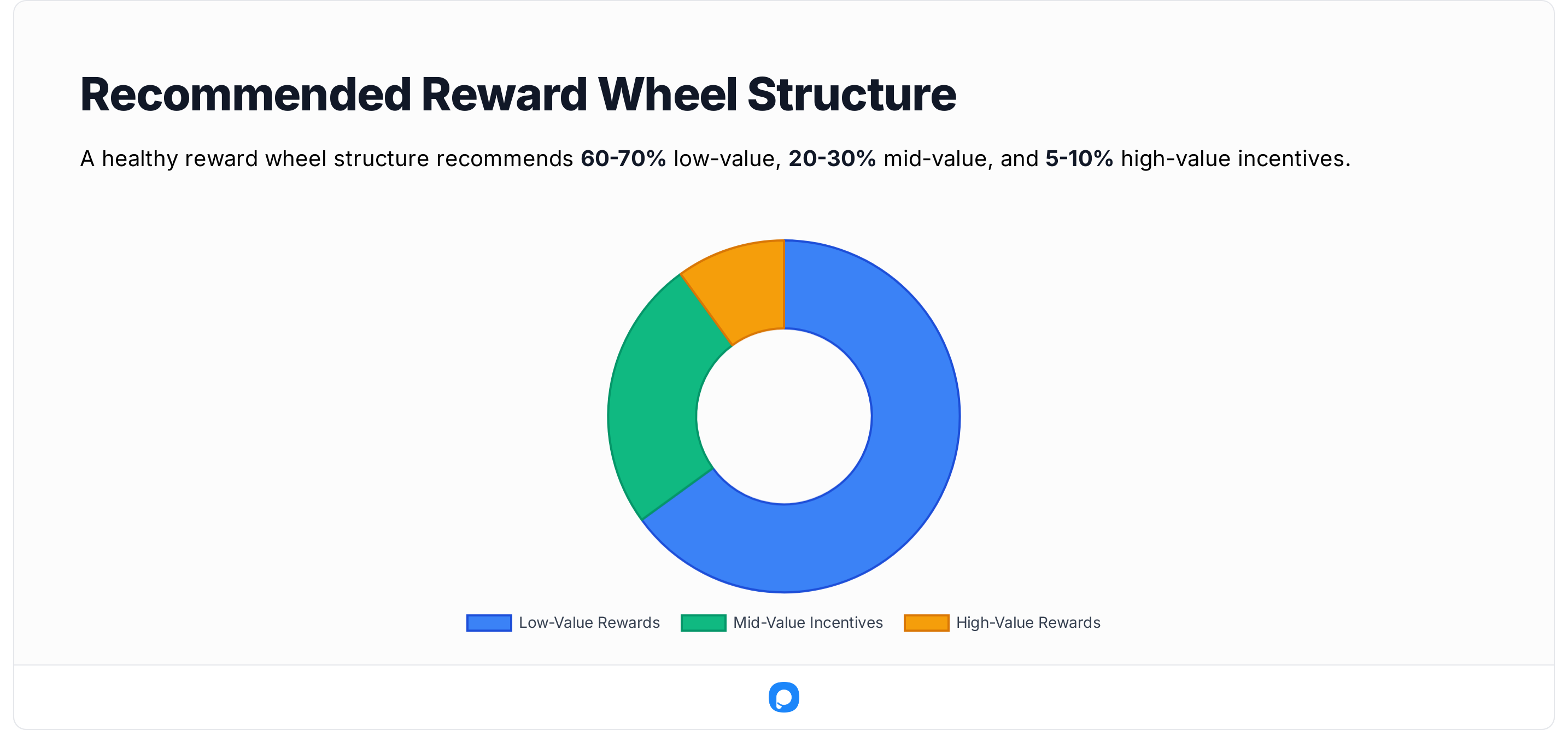
When configuring rewards, balance is key:
- 60–70% low-value rewards
- 20–30% mid-value incentives
- 5–10% high-value rewards
Popupsmart allows you to control reward probabilities, which often leads to higher opt-in rates without changing the offer itself.
Keep animations subtle and optimize for mobile performance to ensure fast load times and a smooth user experience.
3. Set Targeting Rules and Triggers Thoughtfully
In this step, you control who sees the popup, when it appears, and how often it’s shown.
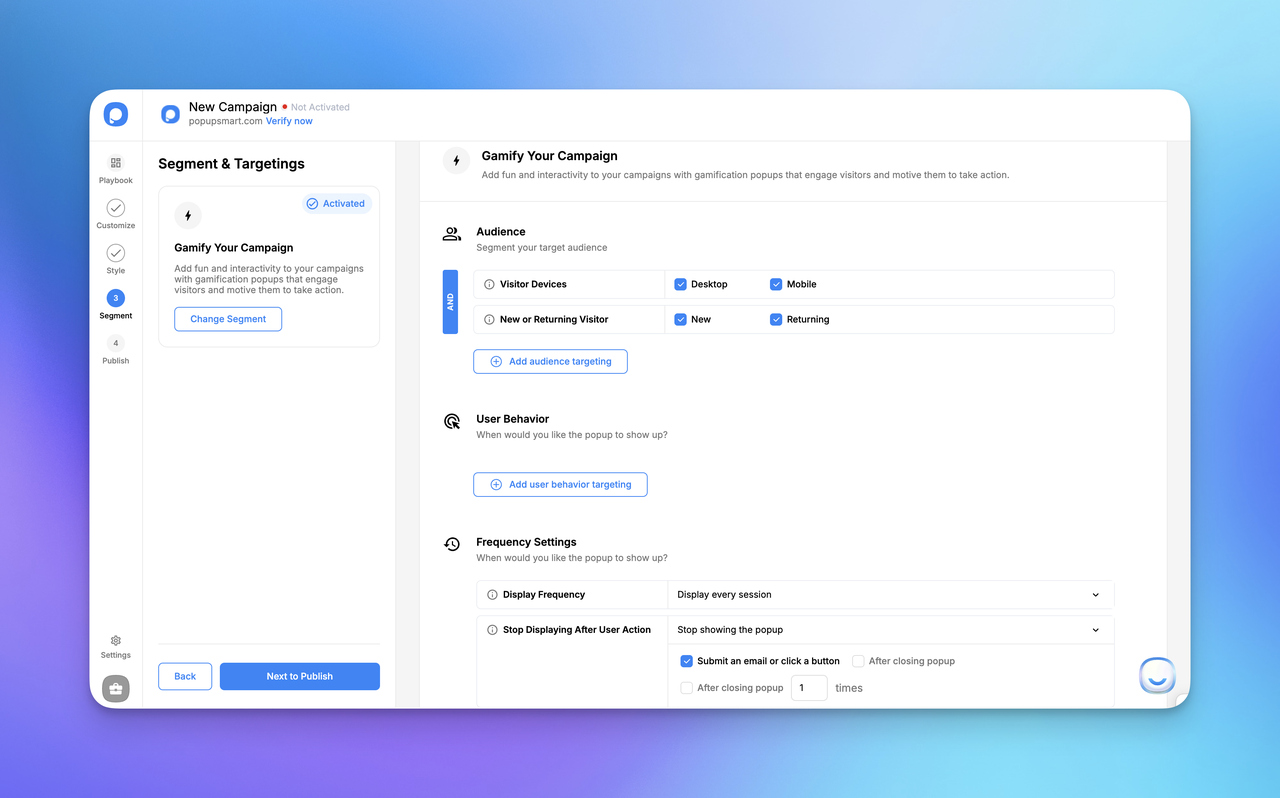
Inside the Segment section of Popupsmart, you can:
- Define your Audience by device and by new or returning visitors
- Set User Behavior rules to control trigger timing and page context
- Adjust Frequency Settings to limit exposure and stop showing the popup after a user action
These settings help you deliver an engaging gamified experience without overwhelming visitors.
4. Test Before Launch, Then Iterate After
Before publishing, I always test across:
- Desktop and mobile devices
- Different browsers
- Multiple reward outcomes
Common issues to check:
- Emails not syncing correctly
- Discount codes not applying
- Triggers firing too aggressively
Once live, the real work begins. I monitor:
- Spin rate
- Email opt-in rate
- Assisted conversions
Small adjustments, like changing trigger timing or rebalancing rewards, often lead to 20–30% performance improvements within the first week. This is why I treat spin-to-win popups as an optimization system, not a one-time setup.
⚙️ Why This Approach Works
From my experience, successful spin-to-win popups are:
- Easy to understand
- Contextually timed
- Data-driven, not guess-driven
When implemented with restraint and iteration, they become one of the most reliable tools for Shopify email list growth, without sacrificing trust or usability.
If you start simple, test intentionally, and optimize based on behavior, spin-to-win popups can evolve from a novelty into a consistent growth lever.
For more on testing, this Shopify A/B testing guide offers practical steps. And if you're using Popupsmart, our Shopify popup builder simplifies the whole process.
🏅 Best Practices for Optimizing Spin-to-Win Popups on Shopify
Launching a spin-to-win popup is only the starting point. In my experience running CRO experiments and scaling inbound systems, the real gains come from systematic optimization, not from adding more features.
Spin-to-win popups work when interaction is paired with intent, without that alignment, engagement may increase while lead quality drops. Optimization ensures that interaction translates into qualified leads, sustained engagement, and measurable ROI. Below are the practices I rely on to move from “it works” to “it consistently performs.”
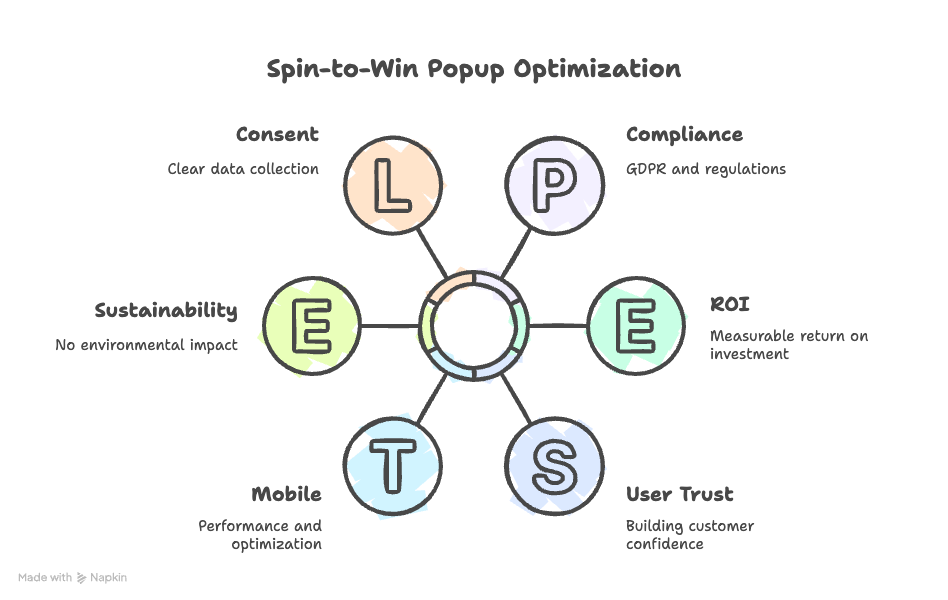
1. Use A/B Testing to Improve What Actually Matters
A/B testing is one of the most reliable ways to optimize spin-to-win popups, but only when it’s done with focus and restraint. I’ve seen teams stall results by testing too many variables at once.
What I recommend testing first:
- Headline copy (clear value vs. playful tone)
- Reward framing (percentage off vs. benefit-driven language)
- Trigger timing (immediate vs. delayed vs. exit intent)
What I avoid testing early:
- Multiple design elements at the same time
- Minor visual tweaks with no behavioral impact
In practice, small wording changes often outperform visual redesigns. In one CRO test I ran, reframing the reward copy alone increased opt-ins by over 20%, without changing discounts or layout.
To keep tests reliable:
- Test one variable per experiment
- Wait for statistically meaningful traffic
- Evaluate results weekly, not daily
Optimization should be data-led, not assumption-driven.
2. Prioritize Mobile Experience and Performance
Mobile optimization is non-negotiable. For many Shopify stores, mobile traffic represents the majority of sessions, and poorly optimized popups are a common source of friction.
From audits I’ve conducted, the most common mobile issues are:
- Oversized wheels that block content
- Small or unresponsive touch areas
- Heavy animations that delay load time
Best practices I follow:
- Ensure the wheel scales cleanly on small screens
- Use lightweight animations or static transitions
- Test performance impact with basic speed tools before launch
Even small performance improvements matter. Reducing popup load time often correlates with lower bounce rates and higher engagement—especially on slower mobile connections.
3. Optimize Without Harming SEO or User Trust
Popup optimization shouldn’t come at the cost of search visibility or usability. Google’s guidance is clear: intrusive experiences harm user satisfaction.
To stay on the safe side:
- Avoid immediate popups on page load
- Prefer delayed or exit-intent triggers
- Ensure core content remains accessible
From an SEO and UX standpoint, spin-to-win popups perform best when they supplement the browsing experience rather than interrupt it. I’ve seen well-timed popups maintain rankings while still contributing meaningfully to list growth.
4. Treat Compliance as Part of Optimization
Legal compliance isn’t just a checkbox, it’s part of building trust.
For spin-to-win popups, I always recommend:
- Clear consent language for email collection
- Optional (but visible) checkboxes for GDPR compliance
- Transparent explanations of reward distribution
Adding a short disclaimer about odds or terms often reduces confusion and support tickets. In several implementations I’ve worked on, this clarity also improved lead quality by setting expectations upfront.
5. Iterate Continuously, Not Occasionally
The biggest mistake I see is treating spin-to-win popups as “set and forget” elements.
After launch, I track:
- Spin rate
- Opt-in rate
- Assisted conversions
- Engagement differences by device and traffic source
Small, regular adjustments, like tweaking trigger timing or rebalancing rewards, often lead to steady performance improvements over time. This iterative approach is what turns spin-to-win popups from a short-term tactic into a repeatable growth system.
⚙️ Why These Practices Work Long Term
From my experience, the highest-performing Shopify popups share three traits:
- They respect user intent
- They’re informed by real behavior
- They’re optimized incrementally, not aggressively
When applied consistently, these best practices help spin-to-win popups deliver sustainable email list growth without compromising trust, performance, or brand credibility.
If you’re using tools like Popupsmart, these optimizations are easier to implement and test, but the principles remain the same regardless of the platform.
🚀 Elevate Your Shopify Store with Spin-to-Win Popups
If there’s one clear takeaway from this guide, it’s that spin-to-win popups work best when they’re approached as a conversion system, not a one-off tactic. When implemented with the right timing, targeting, and optimization mindset, they can meaningfully improve email list growth without compromising user experience.
Throughout this guide, I’ve covered:
- Why spin-to-win popups outperform traditional opt-ins
- How straightforward they are to set up on Shopify
- What drives sustainable results, from reward balance to data-led iteration
From my experience building and optimizing interactive popups, the strongest outcomes come from starting simple and improving based on real behavior. You don’t need complex logic or aggressive discounts to see impact, clarity and relevance matter more.
If you’re ready to put these ideas into practice, you can create and optimize spin-to-win popups on Shopify using Popupsmart. It allows you to launch quickly, test different approaches, and refine performance over time, without adding technical overhead.
Looking ahead, gamified e-commerce experiences will continue to shift toward smarter personalization and intent-based targeting. Even a single well-tested spin-to-win popup can surface insights about visitor intent that static forms never reveal.
👉 Start building your spin-to-win popup with Popupsmart and turn passive traffic into engaged subscribers, one interaction at a time.
FAQs ❓
1. What is a spin-to-win popup on Shopify?
A spin-to-win popup is a gamified opt-in form that invites visitors to spin a prize wheel in exchange for an email address or phone number. On Shopify stores, it’s commonly used to grow email lists, offer discounts, or promote incentives like free shipping in a more interactive way than traditional popups.
2. Do spin-to-win popups convert better than traditional popups?
Yes, in most cases they do. Industry benchmarks and CRO experiments consistently show that gamified popups outperform standard email opt-ins because they leverage curiosity, anticipation, and user participation rather than passive prompts.
3. Are spin-to-win popups bad for user experience or SEO?
When implemented thoughtfully, they are not. Using delayed or exit-intent triggers, mobile-friendly designs, and frequency limits helps ensure spin-to-win popups enhance engagement without interrupting browsing or harming SEO performance.
4. Can I use spin-to-win popups without offering large discounts?
Absolutely. Spin-to-win popups don’t have to rely on aggressive discounting. Many stores successfully use them for free shipping, content access, giveaways, loyalty perks, or early product access—often resulting in higher-quality leads.
5. How long does it take to set up a spin-to-win popup on Shopify?
Most Shopify spin-to-win popup tools can be installed and launched within minutes. A basic setup usually involves installing the app, connecting an email provider, customizing rewards, and setting triggers. Optimization happens over time through testing and iteration.
6. What’s the best way to optimize spin-to-win popups for higher conversions?
The most effective optimizations include A/B testing reward copy, adjusting trigger timing, balancing prize probabilities, and analyzing performance by device and visitor type. Continuous iteration based on real user behavior delivers the best long-term results.
7. Which Shopify stores benefit the most from spin-to-win popups?
Spin-to-win popups work particularly well for stores with steady traffic, first-time visitors, and direct-to-consumer products. They’re especially effective for brands looking to reduce reliance on paid ads by growing owned email and SMS lists.