
10 Alia Alternatives We've Tested: More Flexibility, Better Pricing (2026 Guide)

 ChatGPT
 Perplexity
 Claude
 Grok
Grok Google AI Mode
Compares Alia’s Shopify-only AI popup tool, its features and pricing limits, then reviews 10+ alternatives for 2025 with performance, integrations, and use-case guidance, recommending Popupsmart as the best balance of speed, flexibility, and value.
Table of contents (83)
If you’re using Alia or researching your first popup tool for Shopify, you’re probably asking one thing:“Is this really the best option for growing my email & SMS list?”
I’ve been building popup product for over seven years, and one thing my experience has taught me is this:
No single tool fits every store, every brand, or every growth stage.
Alia is smart, modern, and definitely well-positioned in the Shopify ecosystem, but depending on your goals, traffic volume, budget, or workflows, a different tool might actually work better.
In this guide, I’m breaking down the best Alia alternatives you can use in 2026, based on real features, real limitations, and my own experience helping thousands of brands optimize their onsite conversions.
My goal isn’t to overwhelm you with options, but to help you understand which tool works best for your business so you can launch faster, convert more visitors, and stop wasting time on tools that don’t align with how you grow.
Let’s start with the core question 👇
Why would anyone look for an Alia alternative in the first place?
⚡ What You’ll Learn from This Blog Post
In this guide, I am always analyzing leading popup tools, studied real user experiences, and compared feature sets one by one to help you confidently choose the best Alia alternatives for your store in 2026, drawing on insights gathered from years of building a popup builder, Popupsmart, running a digital marketing agency, and helping businesses improve conversions.
Here’s what you’ll take away:
✅ The real limitations of Alia, and why many marketers look for tools that offer more flexibility, better pricing, or deeper customization.
💡 Top alternatives for 2025, including a detailed comparison of features, pricing, design capabilities, and platform compatibility across 10+ popup builders.
📊 Performance insights, how switching to faster, more conversion-focused popup tools can improve signup rates, reduce friction, and lift overall revenue.
🧠 Expert-backed advice drawn from my years of building Popupsmart and helping global brands optimize their onsite conversion funnels.
🔗 Integration & usability breakdowns, which tools work best with Shopify, WooCommerce, custom sites, and major email/SMS platforms.
🎯 A simple decision-making framework that helps you instantly identify the right popup tool for your budget, growth stage, and technical skill level.
If you’re ready to explore the strongest Alia alternatives on the market, let’s jump in. 🚀
What Is Alia? Key Features & Pricing
Before exploring the best Alia alternatives, let’s take a quick look at what Alia actually is, and why many Shopify brands eventually start searching for other options.
Alia is a Shopify-only popup tool built to help merchants increase email/SMS signups using AI-powered optimization. It focuses on clean designs, simple setup, and automated performance improvements, ideal for stores that want a fast, hands-off popup solution.
But as your brand grows, you may need more flexibility, more customization, and a pricing structure that scales better. That’s where alternatives come in.
🗝 Key Features
Alia offers a solid, modern toolkit for Shopify stores:
✨ AI Optimization: automatic improvements without manual A/B testing. 🎨 Simple Popup Builder: clean templates, easy customization. 🎯 Behavioral Targeting: exit-intent, scroll, time-based triggers. 🔗 Shopify-Native Integration: instant setup, no code. 📊 Conversion Analytics: track signups & attributed revenue.
A strong foundation, but limited if you need advanced personalization or multi-step experiences.
💸 Pricing & Limitations
Alia’s pricing is positioned for growth-stage stores, which means:
- higher starting costs
- key features locked behind upper tiers
- pricing scaling quickly with traffic
Great for established brands, less ideal for early-stage stores or teams wanting budget flexibility.
Why Stores Look for Alia Alternatives
Here are the most common reasons merchants switch:
💰 More affordable options exist with equal (or better) features. 🧩 More customization & creative control needed. 🌐 Shopify-only limitation doesn’t fit multi-site brands. ⚙️ Advanced automation/personalization required. ⚡ Lighter, faster popup builders improve performance and conversions.
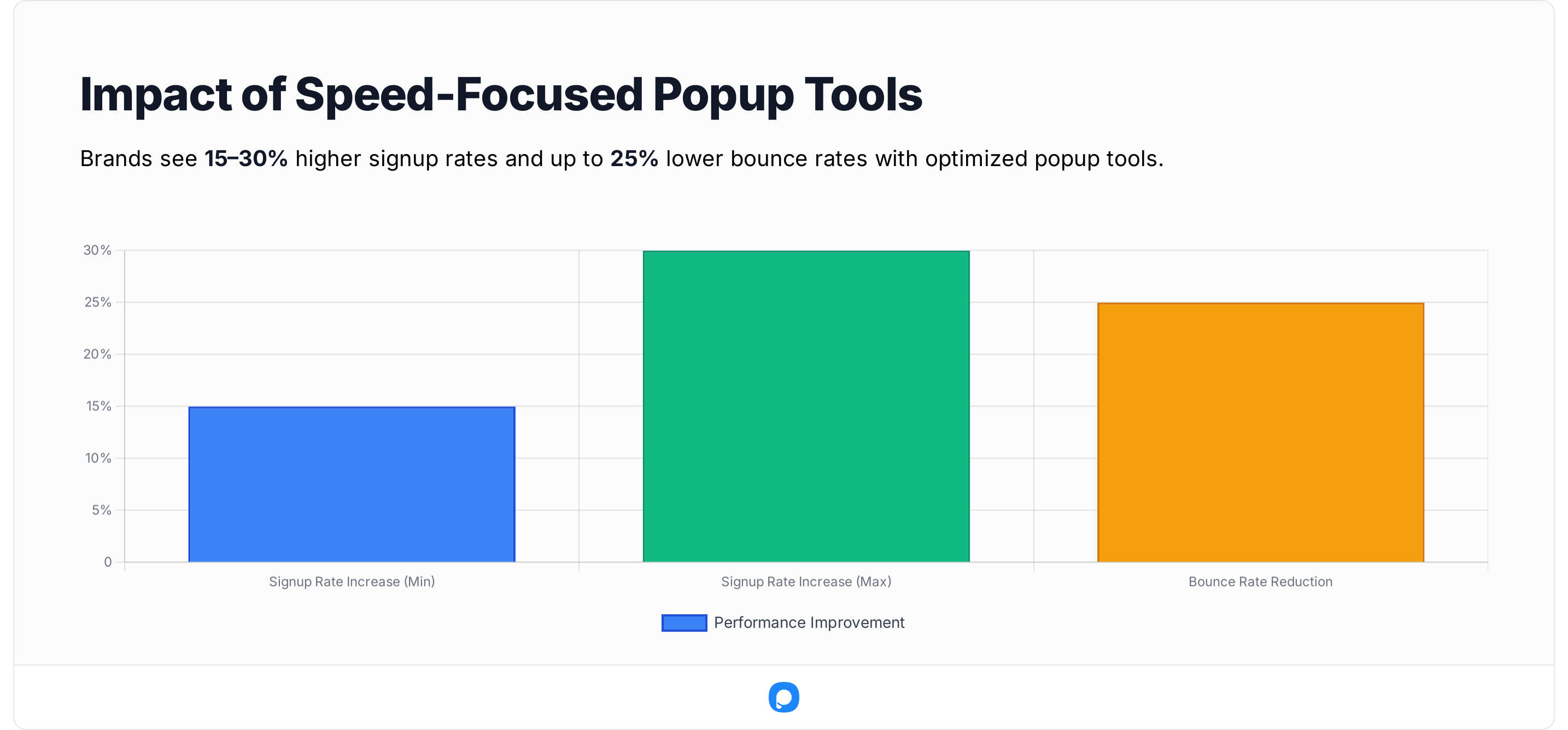
Recent benchmarks show brands switching to simpler, speed-focused popup tools see:
📈 15–30% higher signup rates
⬇️ Up to 25% lower bounce rates
Top Alia Alternatives for 2025 🔍
Before choosing the right popup solution for your Shopify store, it’s important to understand how today’s tools differ in terms of speed, customization, targeting depth, and pricing flexibility. In 2025, the popup landscape has become more competitive than ever, and each tool offers something unique depending on your store’s size, goals, and technical setup.
Below, I’ve compiled the best Alia alternatives based on hands-on testing, performance insights, and my experience helping ecommerce teams optimize their onsite conversions. Whether you want a more flexible builder, more advanced personalization, or a lighter script that loads faster, you’ll find a strong option in this list.
Let’s start with a tool that I know extremely well, not because it’s “my product,” but because I’ve seen firsthand how it performs across thousands of real campaigns.
1) Popupsmart: Fast, Flexible & No-Code Alia Alternative
🚀 Why choose it
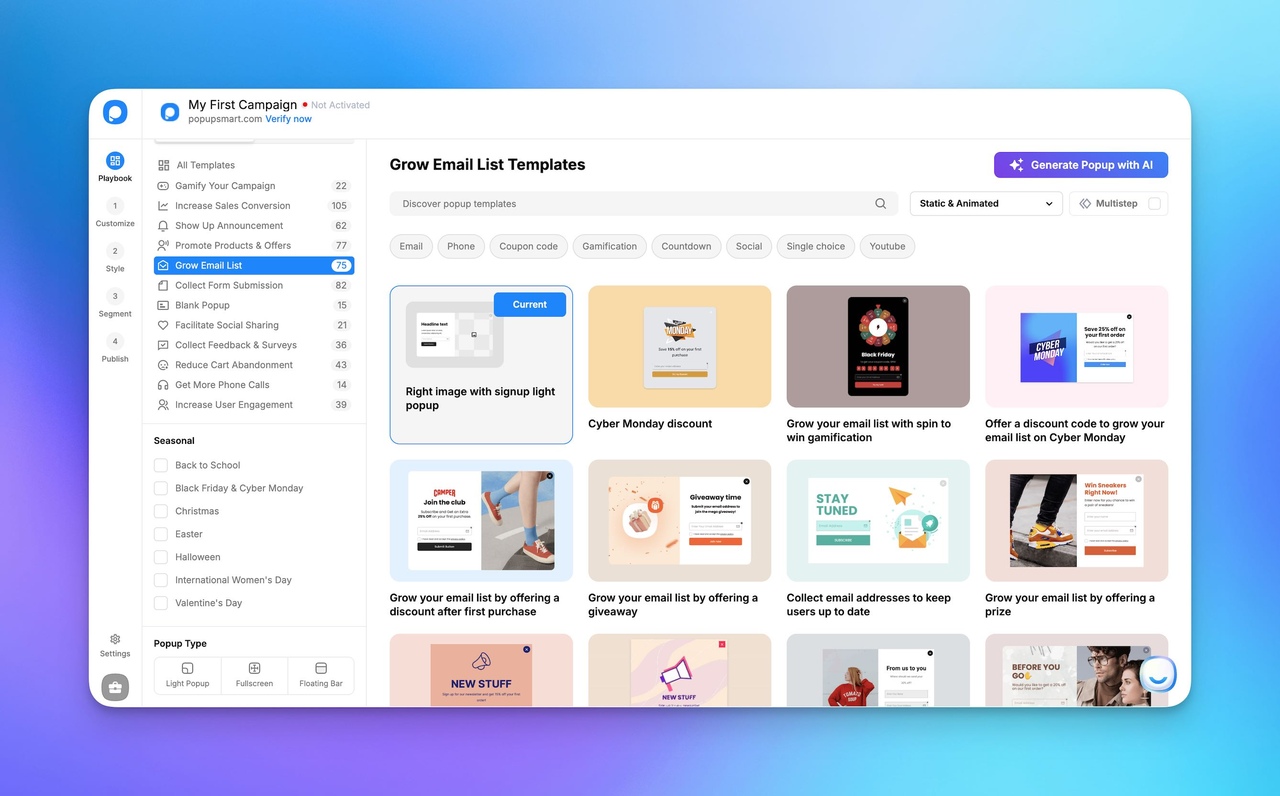
Popupsmart is a no-code popup builder designed for merchants who want to launch high-converting campaigns quickly, without dealing with heavy scripts or complex editors. It’s lightweight, fast to implement, and gives marketers the creative freedom that Alia’s more streamlined system sometimes limits.
If you want a popup platform that balances ease of use, design flexibility, and strong performance, Popupsmart stands out as one of the most reliable Alia alternatives in 2025.
✨ Smart Popup Builder: What’s Included
Popupsmart combines simplicity with deeper customization, making it easy to create engaging on-site experiences without technical support. Here’s what the builder includes:
- Drag-and-drop editor for quick, intuitive customization
- 500+ modern popup templates for every campaign goal
- Inline, slide-ins, floating bars & multi-step popups
- AI-powered popup generation in seconds
- Built-in A/B testing for continuous improvement
- Clear analytics dashboard for performance insights
- Advanced styling controls for polished, on-brand designs
- Device-optimized layouts across mobile & desktop
- GA4-compatible tracking
- Dedicated support team available when needed
- Conversion-driven templates designed for e-commerce growth
Popupsmart focuses on speed and flexibility, perfect for teams who want full creative control without learning a complex tool.
🔗 Integrations
Popupsmart integrates smoothly with major ecommerce and marketing platforms, including:
- Shopify
- WooCommerce
- WordPress
- Webflow
- HubSpot
- Klaviyo
- Mailchimp
- Zapier
- And dozens more
👉 View the full list of integrations here: Popupsmart Integrations
🤓 Who It’s For
Popupsmart is a great fit for:
- Ecommerce teams that need fast, conversion-focused popups
- Brands that want creativity and flexibility beyond Alia’s simple editor
- Stores without developers who still want professional-quality designs
- Marketers looking for an affordable tool that scales with growth
2) OptiMonk 🎯
Why choose it:
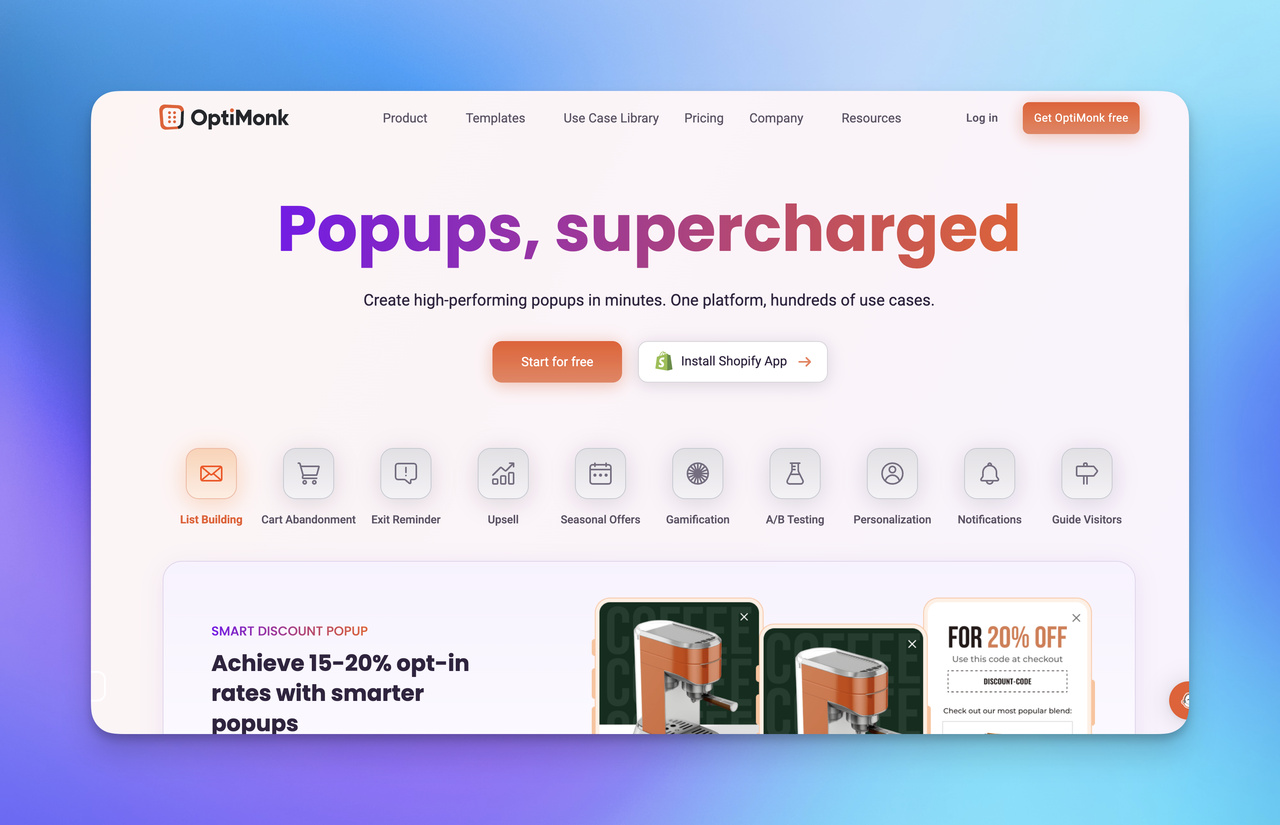
OptiMonk is known for onsite personalization and multi-channel messaging. It’s great if you want deeper user behavior insights and dynamic content.
What it’s good at:
- Personalized content based on behavior
- Multi-page funnels
- Gamified popups & surveys
Who it’s for:
Mid-to-large ecommerce stores that want personalization beyond simple popups.
Integrations:
Shopify, WooCommerce, BigCommerce, Klaviyo, Mailchimp, HubSpot, Segment.
Pros:
- Advanced personalization
- Wide template library
- Strong analytics
Cons:
- Can be overwhelming for beginners
- Higher pricing as traffic grows
3) Poptin 💸
Why choose it:
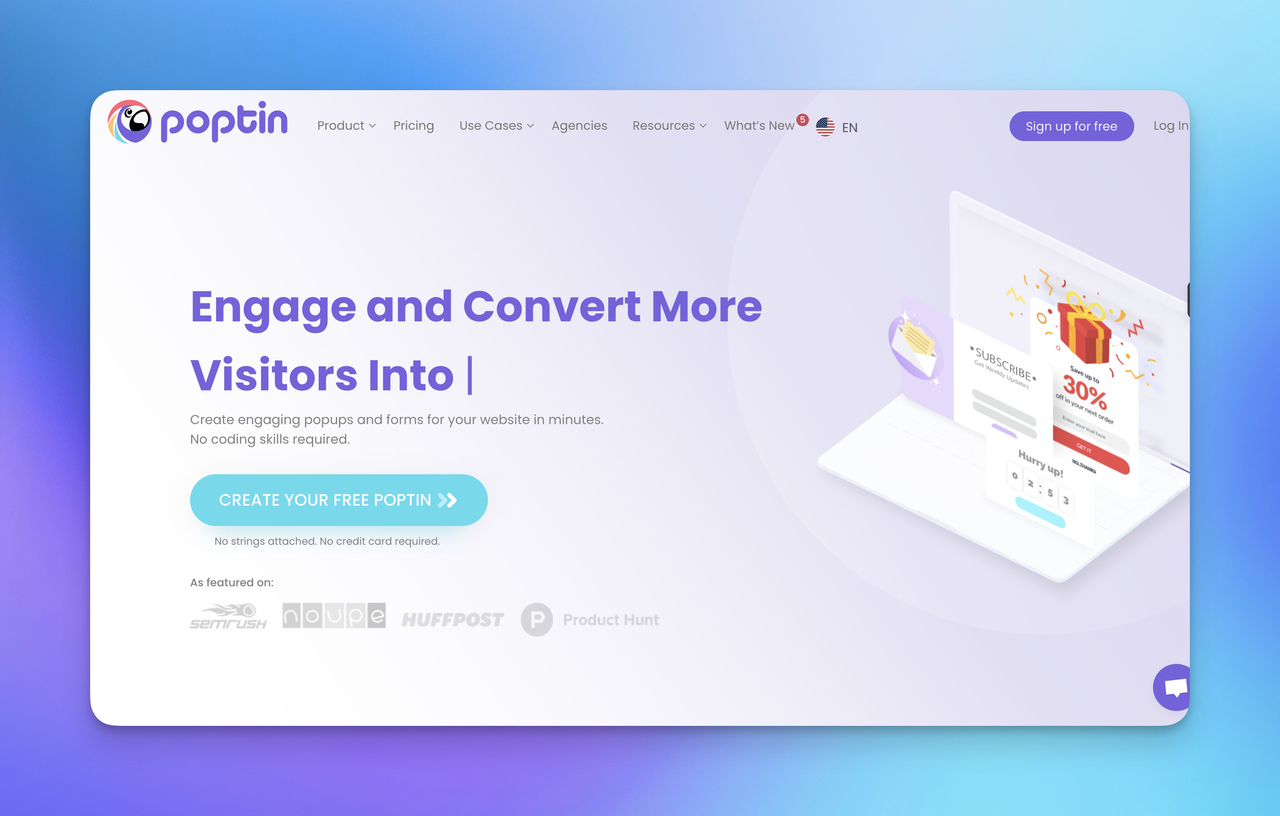
Poptin is simple, affordable, and great for smaller businesses that want quick wins without complexity.
What it’s good at:
- Basic popups, bars, and slide-ins
- Simple drag-and-drop editor
- Fast implementations
Who it’s for:
Beginner marketers or low-traffic stores needing essential popup features.
Integrations:
Shopify, WordPress, Wix, Mailchimp, HubSpot, Zoho, ActiveCampaign.
Pros:
- Very easy to use
- Free plan available
- Good starter templates
Cons:
- Limited advanced targeting
- Less flexible for fast-scaling brands
4) Sleeknote ✨

Why choose it:
Sleeknote is built for brands that want beautiful, non-intrusive popups designed to elevate the customer experience.
What it’s good at:
- Highly polished designs
- Multi-step lead forms
- Content-first popup experiences
Who it’s for:
Premium brands, lifestyle ecommerce, design-focused teams.
Integrations:
Shopify, WooCommerce, BigCommerce, Klaviyo, HubSpot, Mailchimp.
Pros:
- Excellent design quality
- Strong segmentation
- Great for non-invasive lead gen
Cons:
- Pricing is on the higher end
- Less beginner-friendly
5) Wisepops 📣
Why choose it:
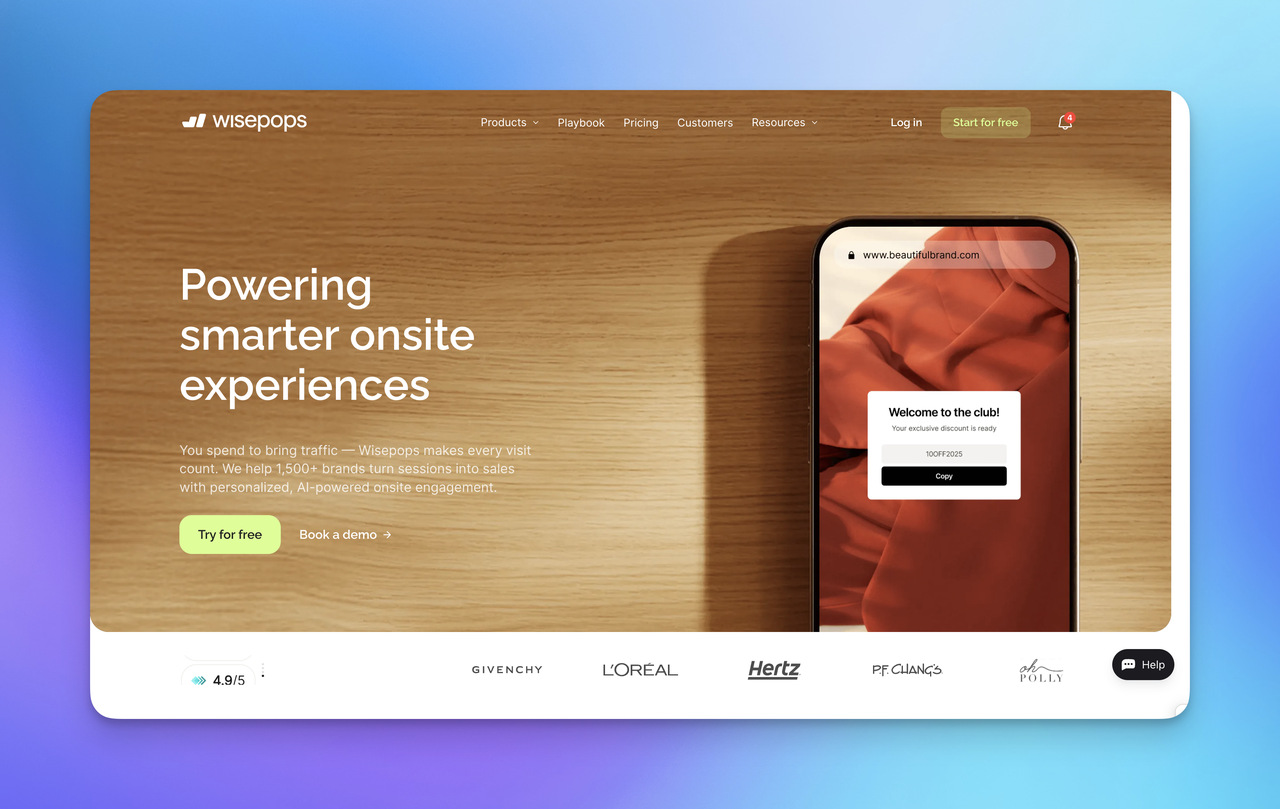
Wisepops goes beyond popups, offering onsite messages, bars, widgets, and multi-channel communication.
What it’s good at:
- Onsite message orchestration
- Flexible layout builder
- Strong analytics and personalization
Who it’s for:
Medium-to-large ecommerce and publishers wanting unified onsite messaging.
Integrations:
Shopify, WooCommerce, Webflow, Mailchimp, Klaviyo, HubSpot.
Pros:
- Very powerful targeting
- Multi-channel onsite tools
- Clean UI
Cons:
- Pricey for smaller stores
- More complex than simple popup builders
6) Privy 📧
Why choose it:
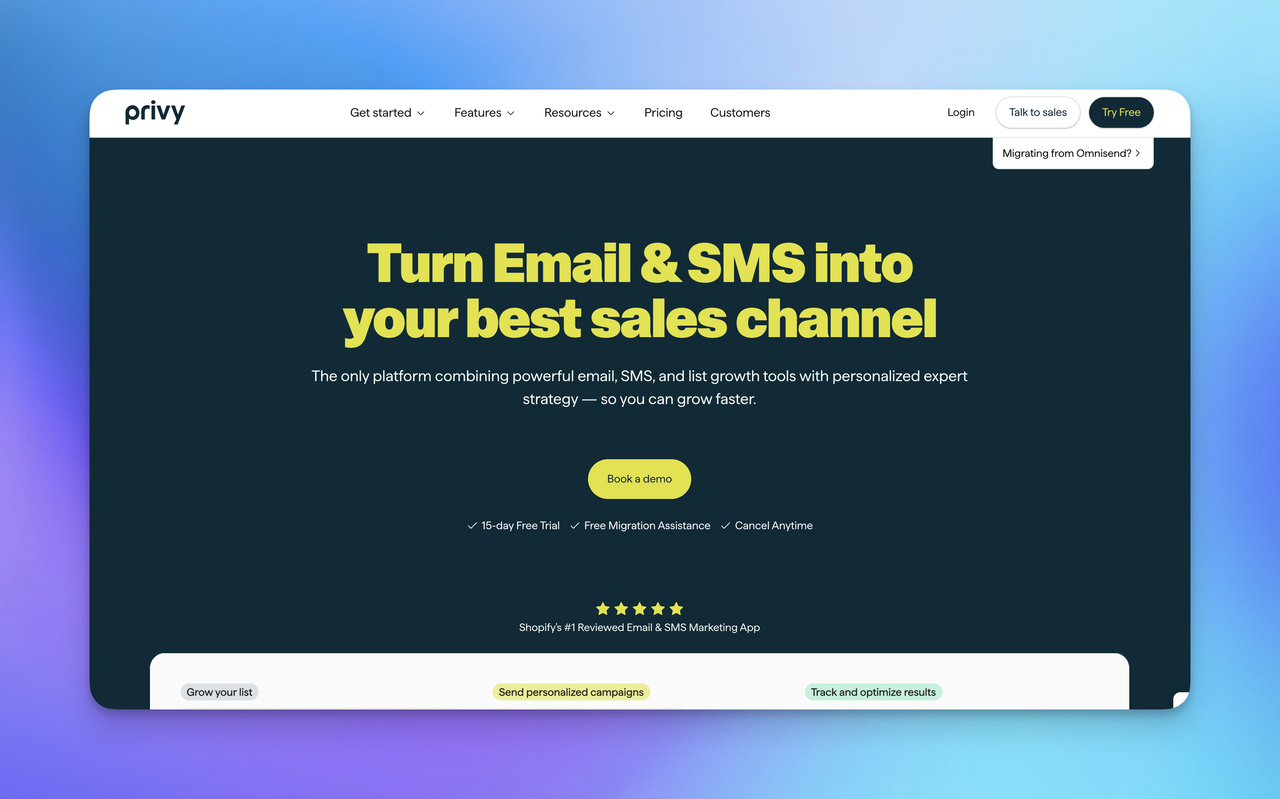
Privy combines email, SMS, and popups in one platform, ideal for stores that want fewer tools in their stack.
What it’s good at:
- Simple email/SMS automation
- Popup + email combo campaigns
- Cart abandonment flows
Who it’s for:
Small-to-medium Shopify merchants wanting an all-in-one tool.
Integrations:
Shopify, Wix, Klaviyo (limited), Mailchimp, Omnisend.
Pros:
- All-in-one solution
- Easy for beginners
- Solid for Shopify-only stores
Cons:
- Limited advanced targeting
- Not ideal for multi-platform brands
7) HelloBar 🔔
Why choose it:
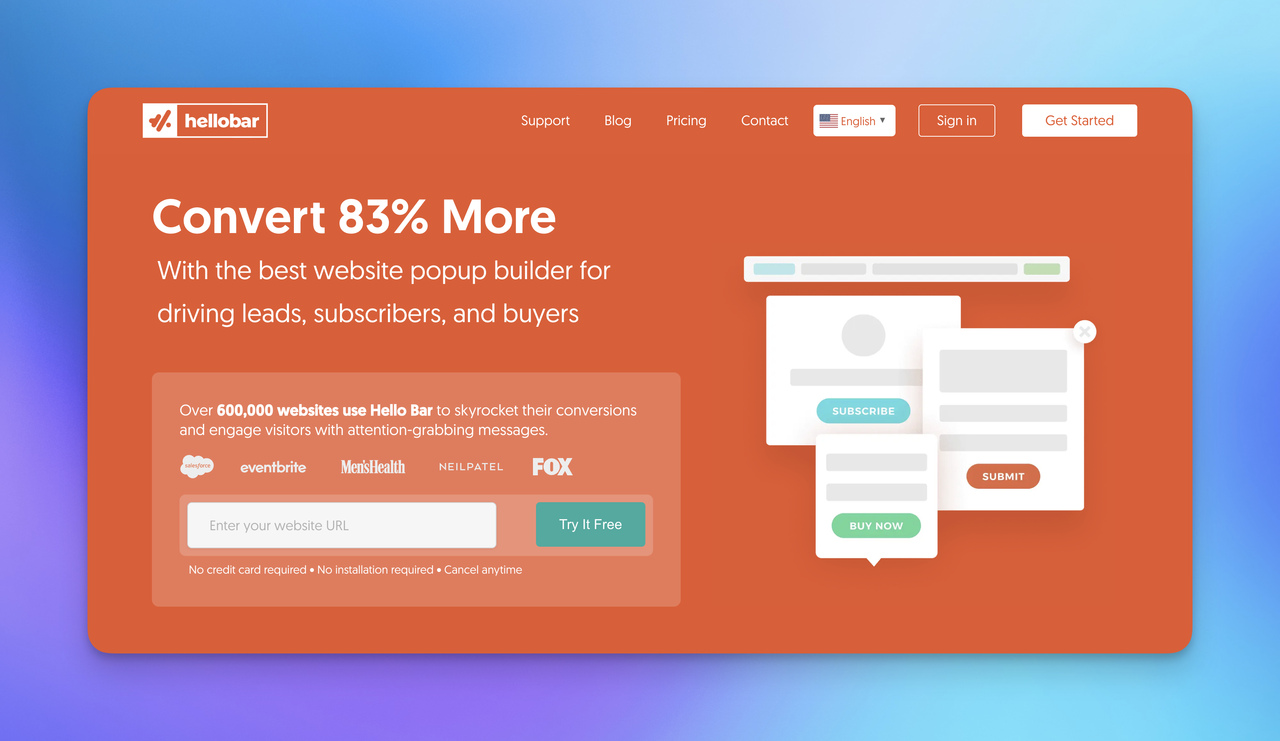
A great entry-level solution for banners, bars, and simple popups.
What it’s good at:
- Notification bars
- Basic lead capture
- Quick setup
Who it’s for:
Blogs, content sites, and small stores wanting minimal popups.
Integrations:
WordPress, Shopify, Squarespace, Wix, HubSpot, Mailchimp.
Pros:
- Very easy to use
- Affordable
- Great for subtle engagement
Cons:
- Limited features
- Not ideal for advanced ecommerce needs
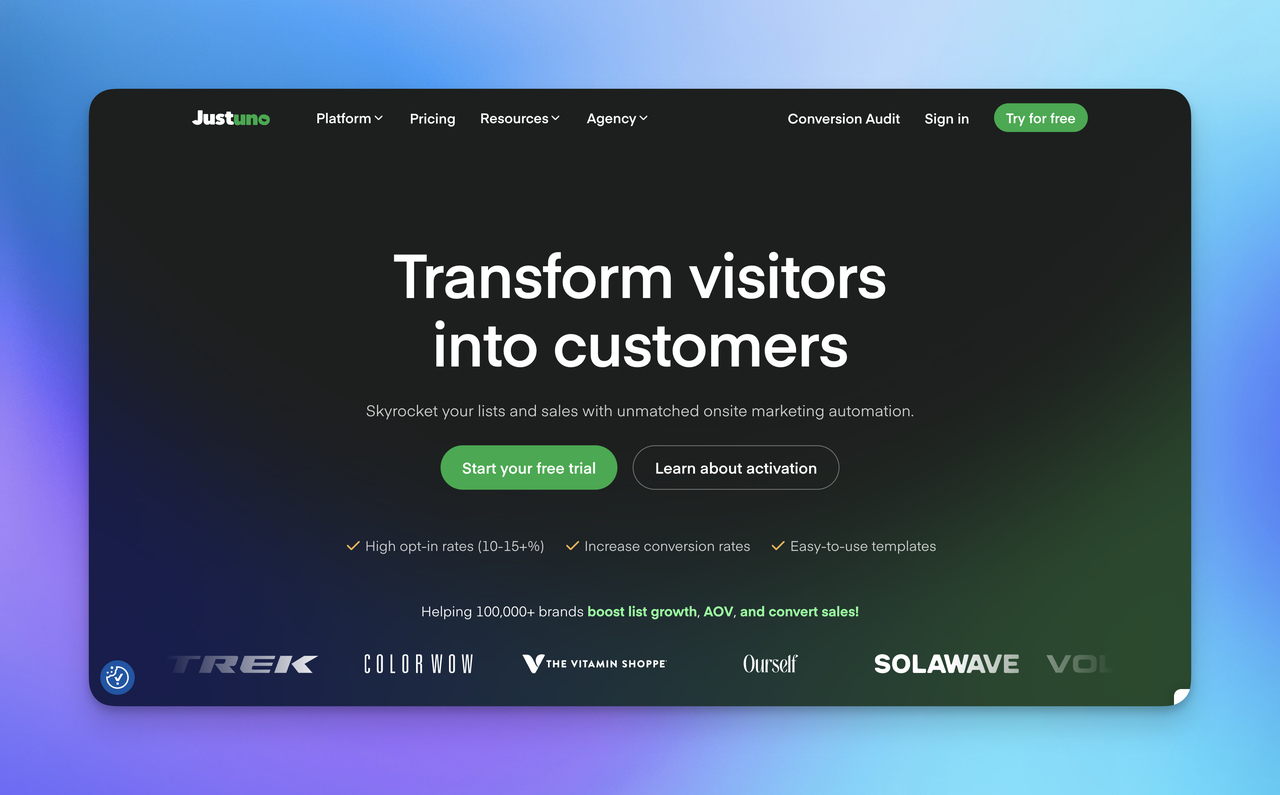
8) Justuno 🧠
Why choose it:
Known for extremely deep targeting and segmentation rules.
What it’s good at:
- High-traffic optimization
- Complex behavioral targeting
- Enterprise-level personalization
Who it’s for:
Large ecommerce stores and enterprise brands with complex funnels.
Integrations:
Shopify Plus, BigCommerce, Magento, Klaviyo, Attentive, Salesforce.
Pros:
- Very powerful targeting
- Deep analytics
- Built for scale
Cons:
- Expensive
- Steep learning curve
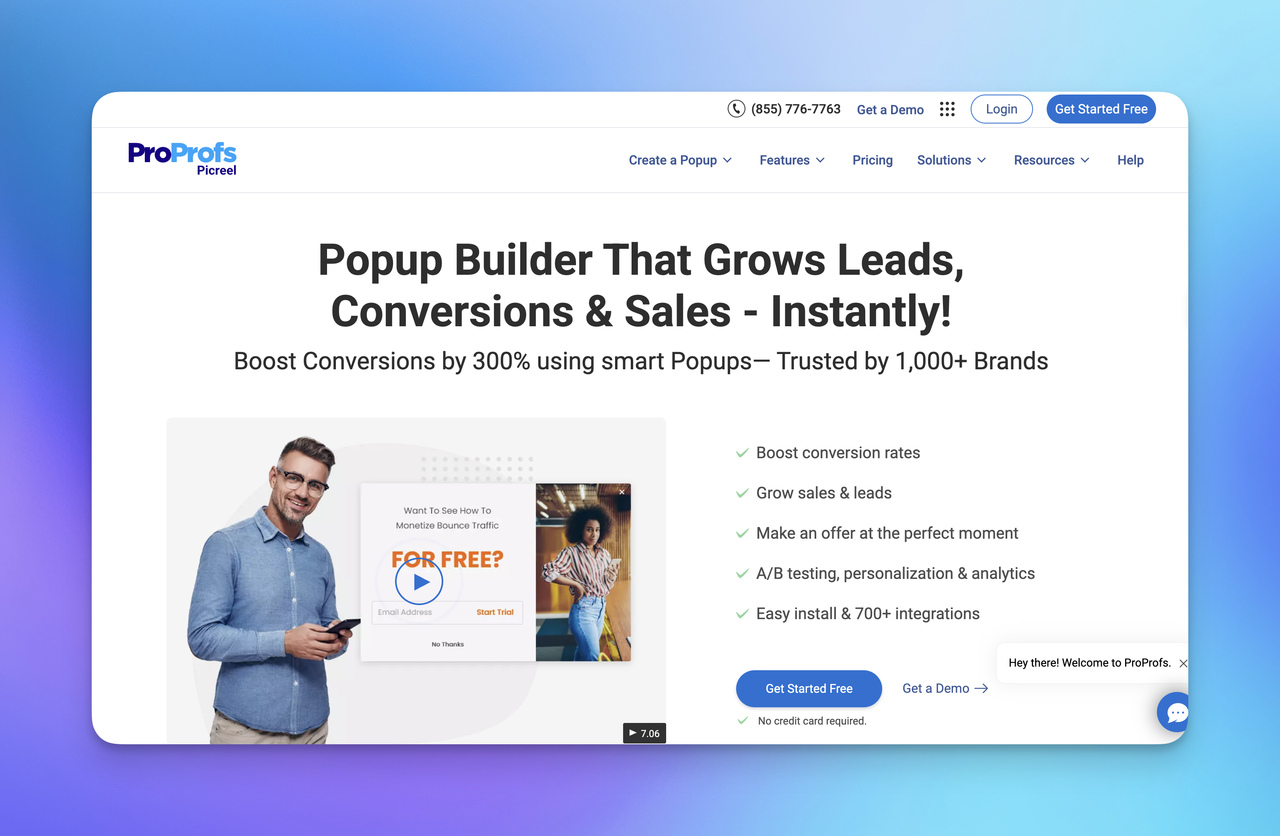
9) Picreel 🏃♂️💨
Why choose it:
Picreel specializes in exit-intent popups and conversion recovery, simple but effective.
What it’s good at:
- Cart abandonment popups
- Exit-intent overlays
- Simple lead-capture forms
Who it’s for:
Stores prioritizing exit traffic and conversion recovery.
Integrations:
Shopify, WordPress, BigCommerce, HubSpot, Mailchimp.
Pros:
- Affordable
- Good exit-intent engine
- Quick setup
Cons:
- Not a full popup suite
- Limited design flexibility
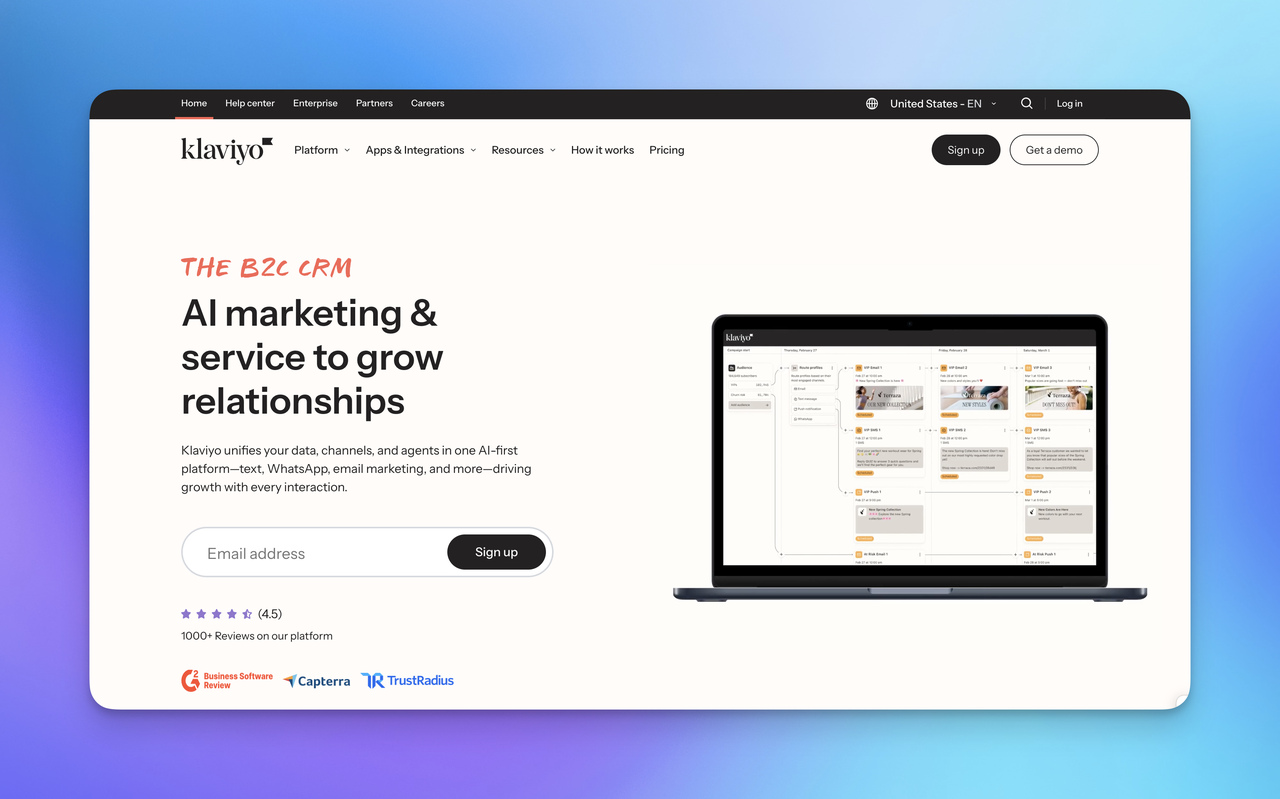
10) Klaviyo Forms 📮
Why choose it:
If you already run email/SMS through Klaviyo, their native forms help you keep everything under one roof.
What it’s good at:
- Simple signup forms
- Tight integration with flows
- Direct subscriber syncing
Who it’s for:
Brands fully committed to Klaviyo’s ecosystem.
Integrations:
Shopify, WooCommerce, Magento (via Klaviyo), all major email flows.
Pros:
- Zero learning curve for Klaviyo users
- Reliable & stable
- Great for basic lead capture
Cons:
- Limited customization
- Weak targeting vs. dedicated popup tools
Comparison Table: Alia vs. Top Alternatives 📊
Before choosing your popup platform, it helps to see how each tool compares side-by-side. Below is a quick snapshot of pricing, customization options, targeting depth, and platform compatibility across the leading Alia alternatives for 2025.
This table is designed to give you clarity at a glance, so you can immediately shortlist tools that match your needs, budget, and technical setup.
| Tool | Starting Price | Ease of Use | Targeting Depth | Design Flexibility | Platform Support | Best For |
|---|---|---|---|---|---|---|
| Popupsmart | Affordable, scalable | ⭐⭐⭐⭐⭐ | Advanced | High (multi-step, quizzes, custom layouts) | Shopify, WooCommerce, Webflow, custom sites | Marketers needing speed + flexibility |
| OptiMonk | Mid–High | ⭐⭐⭐⭐ | Very Advanced | High | Shopify, WooCommerce, BigCommerce | Stores wanting deep personalization |
| Poptin | Free plan available | ⭐⭐⭐⭐⭐ | Basic–Moderate | Medium | Shopify, WordPress, Wix | Small stores & beginners |
| Sleeknote | Higher-tier pricing | ⭐⭐⭐⭐ | Advanced | Very High | Shopify, WooCommerce, BigCommerce | UX-first and premium brands |
| Wisepops | Mid–High | ⭐⭐⭐⭐ | Very Advanced | Very High | Shopify, Webflow, enterprise stacks | Multi-channel messaging & large stores |
| Privy | Moderate | ⭐⭐⭐⭐ | Moderate | Medium | Shopify, Wix | All-in-one email/SMS + popup users |
| HelloBar | Low | ⭐⭐⭐⭐⭐ | Basic | Low–Medium | Shopify, WordPress, Wix | Simple, minimal popups |
| Justuno | High | ⭐⭐⭐ | Enterprise-level | High | Shopify Plus, BigCommerce | Large, complex stores |
| Picreel | Low | ⭐⭐⭐⭐ | Basic | Low–Medium | Shopify, WordPress | Exit-intent focused brands |
| Klaviyo Forms | Included in Klaviyo | ⭐⭐⭐⭐⭐ | Basic | Low | Shopify, WooCommerce | Klaviyo-first email/SMS teams |
My Recommendation: Which Alia Alternative Should You Choose? 🎯
After comparing dozens of popup tools over the years, both as a marketer and as someone deeply involved in building conversion products, I can say this confidently:
The right tool depends on your store’s size, growth stage, and how much control you want over your onsite experience.
But if you’re looking for the best balance of speed, customization, performance, and pricing… then one option consistently fits the widest range of ecommerce brands:
Here’s why:
- It loads fast, which matters more than ever for SEO and conversion.
- It’s flexible enough for growing brands, yet simple enough for beginners.
- It works across multiple platforms, so you won’t need to switch tools if you expand beyond Shopify.
- It includes personalization, advanced targeting, and multi-step experiences without locking everything behind enterprise pricing.
- And most importantly: it gives you complete design and targeting freedom without slowing your site down.
That said, some tools may still fit specific use cases better:
- Choose OptiMonk if you need heavy personalization and don’t mind complexity.
- Choose Sleeknote if design-first, non-intrusive experiences are your top priority.
- Choose Justuno if you’re an enterprise-level brand with highly advanced segmentation needs.
- Choose Poptin or HelloBar if you want something simple and budget-friendly.
But for most Shopify and ecommerce stores, especially those wanting a fast, flexible, and scalable popup strategy:
Popupsmart offers the best overall value in 2025.
Choose the Popup Tool That Actually Moves Your Metrics
Choosing the right popup tool isn’t just about features, it’s about finding a platform that feels fast, fits your workflow, and actually moves your metrics. After spending years optimizing onsite conversions and working closely with ecommerce teams, one thing I’ve learned is this: the simplest tools often outperform the most complex ones when they load fast, stay flexible, and give you control without friction.
Alia is a strong option for Shopify stores that want an AI-assisted, lightweight popup solution. But as we explored throughout this guide, many brands eventually need:
- deeper personalization,
- more design freedom,
- better scalability,
- multi-platform support,
- or more affordable long-term pricing.
That’s where Alia alternatives shine, and why exploring your options before committing is always worth it.
If your goals for 2025 include growing your email list faster, improving cart recovery, and designing better onsite experiences without slowing down your store, Popupsmart is the most balanced and scalable choice for most e-commerce brands. But regardless of which tool you choose, the key is staying consistent: test often, personalize intelligently, and make sure your popups respect your visitors’ experience.
Onsite conversion is one of the highest-ROI channels in e-commerce. With the right popup platform, you’ll feel the impact immediately.
FAQ ❓
1. Is Alia a good popup tool for Shopify?
Yes, Alia is a solid choice for simple, AI-assisted popup campaigns on Shopify. It’s fast, minimal, and easy to launch. However, brands needing more advanced targeting, creative freedom, or multi-platform expansion may find it limiting compared to other tools.
2. What’s the biggest difference between Alia and Popupsmart?
Alia focuses on speed and automation, while Popupsmart balances speed with much deeper customization, stronger targeting, multi-step popups, and platform flexibility (Shopify, WooCommerce, Webflow, custom builds).
3. Which Alia alternative is best for small stores?
Tools like Poptin or HelloBar are great for early-stage stores with very simple needs. If you want more growth-focused features without high cost, Popupsmart is usually the best blend of flexibility and affordability.
4. Which Alia alternative is best for big brands?
Enterprise or high-traffic stores often choose Justuno, Sleeknote, or Wisepops, depending on how advanced their segmentation and personalization needs are.
5. Do popups still work in 2025?
Absolutely. Recent research shows:
- Popup interaction rates averaged 50–60% across ecommerce sites in 2025 (Source: Popupsmart Benchmark Report).
- Conversion-optimized popup strategies can improve signup rates by up to 30% compared to static forms. (Source: OptiMonk Popup Stats).
Popups still work, as long as they’re fast, relevant, and thoughtfully targeted.
You can build your first popup in under 5 minutes, no coding, no heavy setup, no performance issues.
👉 Start creating high-converting popups with Popupsmart, free to try.
Your visitors, your store speed, and your revenue will thank you. 🫂
How would you rate your experience with this article? 😊