Shopify is one of the largest e-commerce platforms that has blown up in popularity with over 1 million stores. Given that more and more consumers are shifting towards online shopping, store owners are open to a massive revenue opportunity.
Sellers who find effective methods of making money online and marketing their service or products build their reputation gradually and skyrocket their sales.
But wait a second.
Is it that easy to make money through Shopify? Yes, if you know how to. One of the most amazing things about Shopify is how easy it is to use for both retailers and customers. And the best part is it is effortless to get started as a seller.

Whether you own a small business or looking to start a new venture to make money with Shopify, there are several proven ways that many other sellers already use. We’ll go through how to make money on Shopify and provide tips for your business to grow fast.
Things to do before you start a business on Shopify:
- Create a business plan.
- Validate and thoroughly consider your business idea before you invest.
- Find your e-commerce niche and define your target audience.
- Define a set of digital channels to promote your brand and product.
- Plan your SEO tactics. Consider starting a blog to boost SEO.
How to Increase Your Blog Post Engagements?
- Decide on the shipping and payment methods.
- Make sure your website is fully functional and aligns with Google’s and other search engines’ guidelines with proper design.
You can make money on Shopify in 2026 through ten tested revenue models — from launching a niche ecommerce store to building passive income with digital products and affiliate commissions. With 5.3 million live stores and global ecommerce hitting $6.4 trillion this year, the opportunity is real for beginners and experienced sellers alike.
1. Start a Niche Ecommerce Store: The Foundation of Shopify Revenue
A niche ecommerce store focuses on a specific product category and customer segment rather than trying to sell everything to everyone. Instead of "general home goods," you'd sell hand-poured soy candles for apartment dwellers, or ergonomic desk accessories for remote workers. This focus makes marketing cheaper, SEO easier, and customer loyalty stronger because your brand stands for something specific.
How to implement:
1. Pick a niche where you have genuine knowledge or interest. Use Shopify's built-in analytics and Google Trends to validate demand. Search volume between 1,000-10,000 monthly searches for your core product terms is the sweet spot — enough demand without brutal competition
2. Set up your Shopify store on the Basic plan ($39/month). Choose a clean, fast-loading theme. Don't spend weeks customizing — launch with 10-20 products first
3. Install conversion-focused apps early. A Shopify sales app for upselling, a review collector, and an email capture tool will multiply your revenue per visitor from day one
4. Create a content strategy around your niche. Start a blog on your Shopify store targeting long-tail keywords. A post titled "Best soy candles for small apartments" costs nothing and brings buyers directly to your store
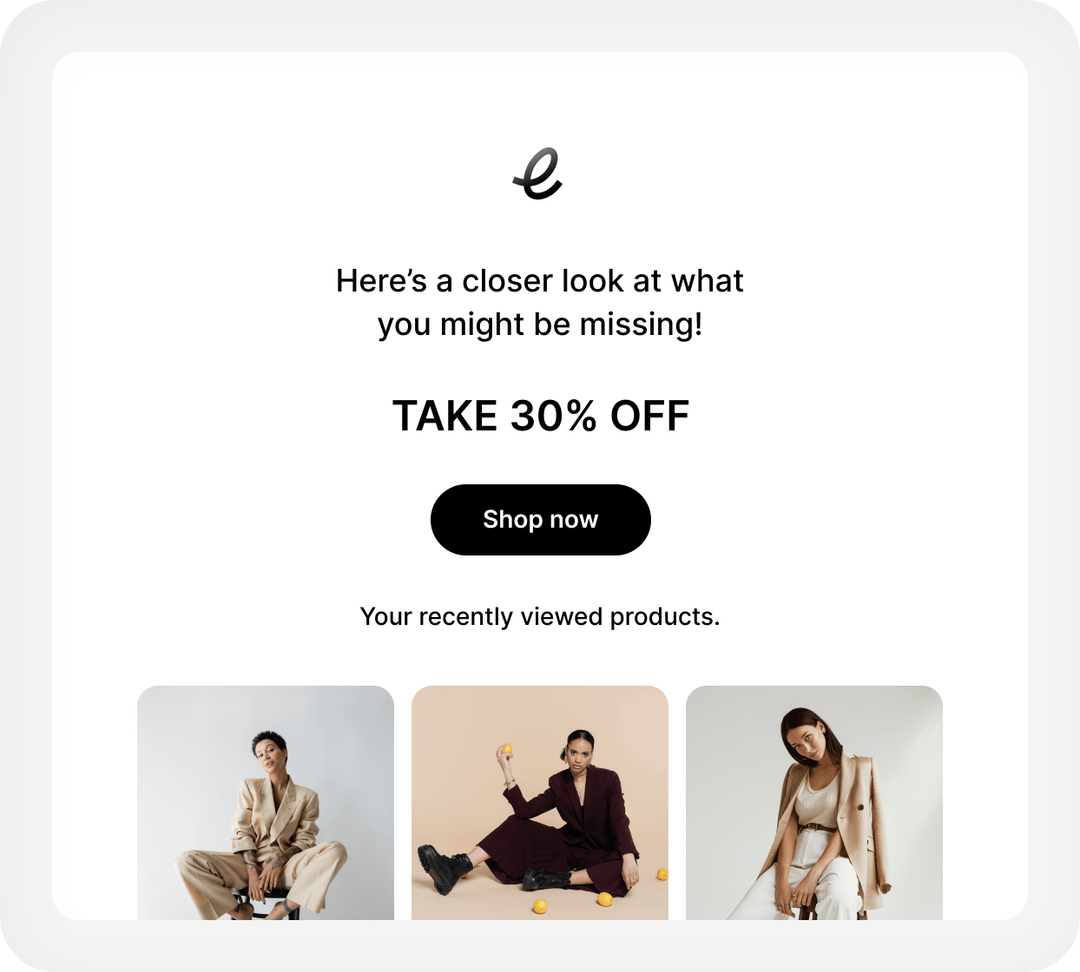
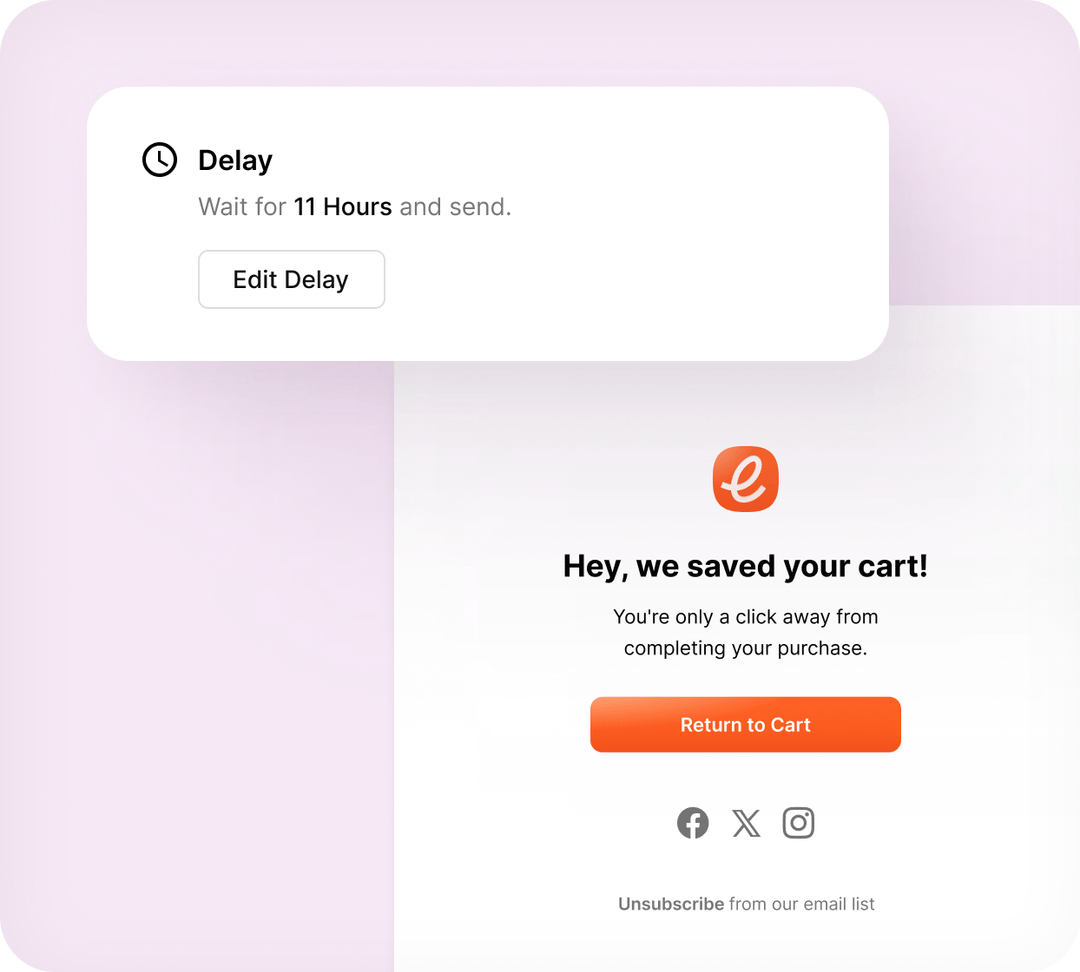
5. Set up abandoned cart recovery emails immediately — Shopify's built-in automation handles this, and it typically recovers 5-15% of abandoned checkouts
Sean Reyes built Shock Surplus from a small auto parts ecommerce shop into a $25 million company by focusing on a specific niche and creating content that delivered genuine value to his audience. On the Shopify Masters podcast, he pointed out that social media is saturated with polished imagery, but brands that actually deliver value to their audience are still rare. For a new store, expect $500-$2,000/month within the first 6-12 months if you're consistent with marketing and product selection. Stores that nail their niche and invest in organic traffic growth typically see compounding returns after the first year.
2. Build a Dropshipping Business: Sell Without Inventory Risk
Dropshipping lets you sell products through your Shopify store without ever touching inventory. When a customer places an order, your supplier ships the product directly to them. You keep the margin between your retail price and the supplier's wholesale cost. This model eliminates warehouse costs, unsold inventory risk, and upfront product investment — making it the lowest-barrier entry point for new Shopify entrepreneurs.
How to implement:
1. Research suppliers on platforms like DSers (Shopify's recommended AliExpress integration) or Spocket (for US/EU suppliers with faster shipping). Avoid suppliers with less than a 95% positive rating or shipping times over 14 days
2. Import 15-25 products to start. Price them at 2.5-3x your supplier cost to maintain healthy margins after ad spend. A product that costs you $8 should retail for $20-$24
3. Set up automated order fulfillment in Shopify so supplier orders trigger automatically when a customer checks out. DSers handles this natively
4. Start with one paid acquisition channel. Facebook Ads or TikTok Ads work best for impulse-purchase products under $50. Budget $10-20/day for testing, and kill ad sets that don't convert within 3-4 days
5. Check dropshipping startup costs before committing — the total can stay under $100 if you plan carefully
One Reddit entrepreneur scaled to $31,200/month with Shopify dropshipping by focusing on backend operations rather than ad creative. The key takeaway: most dropshippers obsess over Facebook Ads while ignoring supplier negotiation, email sequences, and upsell strategies that increase average order value. Realistic expectations for beginners: $1,000-$5,000/month in revenue within 3-6 months, with 15-30% profit margins after advertising costs.
3. Join the Shopify Affiliate Program: Earn Commissions Without Selling Products
The Shopify Affiliate Program pays you for referring new merchants to the platform. Unlike running a store, you don't handle products, shipping, or customer service. You create content — blog posts, YouTube videos, tutorials, social media — that educates people about Shopify, and earn a commission when someone signs up for a paid plan through your referral link. This model works well for content creators, educators, and marketers who already have an audience interested in ecommerce.
How to implement:
1. Apply at shopify.com/affiliates. You'll need an active website, blog, or social media presence with relevant content. Shopify reviews applications manually, so having published ecommerce content increases your approval odds
2. Create "how to start a Shopify store" content targeting long-tail keywords. Search terms like "how to make money on Shopify for free" or "Shopify store setup tutorial" bring in people actively considering the platform
3. Build comparison and review content. Posts like "Shopify vs WooCommerce" or "Is Shopify worth it in 2026?" attract high-intent searchers close to a purchase decision
4. Place referral links naturally within tutorials, not as banner ads. In-context links convert 3-5x better than sidebar banners because readers trust editorial recommendations
5. Build an affiliate email marketing sequence. Capture email addresses with a free Shopify startup checklist, then nurture subscribers with a 5-email series that educates and includes your affiliate link
The Shopify Partner Program pays recurring commissions based on the merchant's subscription plan. Partners who focus on SEO-driven tutorial content typically build passive income streams that grow over time as their content ranks higher. Expect $200-$1,000/month within the first year if you're publishing 2-4 pieces of quality content per month and building search traffic consistently.
4. Sell Digital Products: Near-Zero Marginal Cost, Maximum Margins
Digital products — online courses, ebooks, templates, design assets, music, presets, planners — have no inventory, no shipping, and nearly 100% profit margins after creation. Once you build the product, every sale is almost pure profit. Shopify handles digital delivery through apps like Digital Downloads (free, built by Shopify) or SendOwl, automatically emailing the file to buyers after purchase.
How to implement:
1. Identify what you know that others would pay to learn. Check platforms like Gumroad and Etsy to validate demand for your topic — if people are already buying similar digital products, that's your green light
2. Start with one product. A focused ebook (5,000-10,000 words) or a Notion template pack takes 2-4 weeks to create. Don't build a course first — the production effort is 10x higher
3. Install Shopify's free Digital Downloads app. Upload your file, set a price point ($9-$49 for ebooks/templates, $49-$199 for mini-courses), and the app handles delivery automatically
4. Drive traffic through content marketing. Write blog posts that solve part of the problem your digital product solves completely. A post about "5 free Instagram templates for small businesses" funnels readers to your paid template pack with 50+ designs
5. Use Shopify marketing tools to build an email list from your blog traffic, then promote new digital products to your subscriber base
According to Shopify's research, more than 85% of US consumers have shopped online, and digital products capture a growing share of that spending because buyers get instant access. Creators who pair digital products with consistent content marketing typically see $500-$3,000/month within 6 months. The compounding effect is real: each new product you add increases your catalog's visibility and average order value.
5. Launch a Print-on-Demand Brand: Custom Products Without a Factory
Print-on-demand (POD) lets you sell custom-designed products — t-shirts, mugs, phone cases, art prints, tote bags — without owning printing equipment or storing inventory. You upload your design to a POD service like Printful or Printify, connect it to your Shopify store, and when someone orders, the service prints and ships the product directly. Your profit is the difference between your retail price and the POD service's base cost.
How to implement:
1. Connect Printful or Printify to your Shopify store (both have free Shopify apps with one-click integration). Printful offers slightly higher quality; Printify has more product variety and lower base prices
2. Start with 3-5 product types maximum. T-shirts and mugs are the most popular, but competition is brutal. Consider niche products like all-over-print hoodies, canvas prints, or custom journals where margins are higher and competition thinner
3. Design with a specific audience in mind. "Funny cat shirt" won't stand out, but "Software engineer dad joke shirts" targets a real community willing to pay premium prices for designs that speak to them
4. Order samples before listing anything. POD quality varies between products and print locations. A $15 sample order prevents negative reviews that tank your store's reputation
5. Price products at 2-3x the POD base cost. A t-shirt with a $12 base cost should retail for $28-$35. Factor in ad spend when calculating your true margin
According to EcommerceTrix, Shopify is growing at a 29% compound annual growth rate from 2023 to 2026, and POD sellers benefit directly from the platform's expanding buyer base. POD margins typically run 30-50% before advertising costs. Most successful POD brands break even within 2-3 months and reach $1,000-$5,000/month within 6 months by finding a specific design niche and building repeat customers through email marketing.
6. Start a Subscription Box Service: Predictable Monthly Revenue
Subscription boxes deliver curated product bundles to customers on a recurring schedule — monthly, quarterly, or bimonthly. The business model generates predictable monthly recurring revenue (MRR), which makes planning, inventory management, and growth forecasting far easier than one-time sales. Shopify supports subscriptions through apps like Recharge, Bold Subscriptions, and Seal Subscriptions that handle billing cycles, customer management, and churn reduction.
How to implement:
1. Choose a niche with consumable or collectible products. Coffee, snacks, beauty samples, craft supplies, and pet treats work well because customers genuinely need replenishment. Avoid niches where one box satisfies the need permanently
2. Install Recharge or Bold Subscriptions on your Shopify store. Recharge is the market leader with the deepest Shopify integration. Start with the basic plan (~$99/month + 1.25% per transaction)
3. Source products by contacting brands directly for wholesale pricing. Many small brands will provide products at 40-60% off retail for subscription box inclusion because it's free marketing for them. Start with 5-7 items per box at a total cost of $15-$25 per box
4. Price your box at 2-3x your product cost. A box costing you $20 to source and ship should retail for $39-$49/month. Offer 3-month and 6-month prepaid plans at a discount to reduce churn and improve cash flow
5. Build anticipation with a "reveal" content strategy. Post unboxing videos, behind-the-scenes sourcing stories, and customer reviews. Subscription businesses live or die on retention, and community content keeps subscribers engaged between deliveries
According to Store Leads, Shopify stores grew 4.4% quarter-over-quarter in Q1 2026, and subscription-based stores contribute significantly to that growth. The subscription model's real advantage is customer lifetime value: a customer paying $45/month for 8 months generates $360 in revenue compared to a one-time $45 purchase. Expect 20-30% churn in the first 3 months as you dial in product curation, dropping to 5-10% monthly once you find your groove.
7. Develop Shopify Apps or Themes: Build Products for 5.3 Million Stores
The Shopify App Store and Theme Store are marketplaces where developers sell software and design templates to Shopify's merchant base. Unlike selling physical products, apps and themes scale without inventory constraints — one product can serve thousands of merchants simultaneously. You keep 100% of revenue on your first $1 million earned annually through the Shopify App Store (Shopify removed its 20% revenue share for the first million in 2021).
How to implement:
1. Identify a pain point by browsing the Shopify Community forums and app review sections. Look for complaints like "I wish there was an app that..." or one-star reviews on existing apps describing missing features. That gap is your product opportunity
2. Start with a focused app that solves one specific problem well. Multi-feature apps take months to build; single-purpose apps can launch in 4-6 weeks. A simple inventory alert app or a custom shipping calculator is easier to build, market, and support than an all-in-one marketing suite
3. Use Shopify's free development tools: Shopify CLI, Partner Dashboard, and development stores (unlimited and free). Build your app using Node.js or Ruby with Shopify's API libraries
4. Submit to the Shopify App Store. The review process takes 5-10 business days. Price between $5-$29/month for niche apps. Free plans with premium upgrades convert 3-5x more installs than paid-only apps
5. Promote your app through content marketing targeting Shopify-specific keywords. Posts like "how to fix [problem your app solves] on Shopify" bring in merchants who need your solution right now
According to Uptek, there are approximately 5.3 million live Shopify stores, and every one of them is a potential customer for your app or theme. App developers who find a genuine niche typically reach $2,000-$10,000/month in recurring revenue within 12 months. The compounding effect of a SaaS model means each new install adds to your monthly recurring revenue permanently (or until they churn). Consider this the highest-ceiling strategy on this list, but also the one requiring the most technical investment.
8. Monetize Social Media with Shopify: Turn Followers into Buyers
Shopify's native integrations with Instagram, Facebook, TikTok, and Pinterest let you sell products directly through social media posts, stories, and live streams without sending people to a separate website. When a follower taps a tagged product on Instagram, they can check out through Shopify's payment system without leaving the app. This collapses the buying journey from "see product → visit website → find product → add to cart → checkout" down to "see product → buy."
How to implement:
1. Connect your Shopify store to Facebook and Instagram through the Facebook & Instagram sales channel in your Shopify admin. This syncs your product catalog automatically and enables product tagging in posts and stories
2. Set up TikTok Shop integration if your products appeal to a younger demographic (18-34). TikTok's algorithm surfaces products to users based on interest rather than follower count, giving new brands organic reach that Instagram no longer provides
3. Tag products in every relevant post. Don't create "sales posts" — tag products naturally in lifestyle, tutorial, and behind-the-scenes content. A cooking account showing a recipe can tag the apron, the knife set, and the cutting board without feeling pushy
4. Run weekly Instagram or TikTok Lives with product demonstrations. Live shopping converts at 10x the rate of static posts because viewers can ask questions in real time and feel urgency from limited-time offers
5. Capture email addresses from social followers using popup signup forms on your Shopify store so you own the relationship beyond the algorithm
According to Shopify's global commerce data, ecommerce sales are forecast to hit $6.4 trillion worldwide in 2026, and social commerce is one of the fastest-growing segments of that figure. Brands with 5,000-50,000 engaged followers can realistically generate $1,000-$10,000/month through social selling, depending on product price point and engagement rate. The key metric to watch is your social conversion rate — aim for 1-3% on product-tagged posts.
9. Offer Freelance Services Through a Shopify Storefront: Productize Your Skills
Shopify isn't limited to physical or digital products. Freelancers — designers, writers, consultants, photographers, developers — can list services as products on a Shopify store and accept bookings and payments through the same checkout system. This approach gives your freelance business a professional storefront, automated payment processing, and a way to scale beyond trading hours for dollars by packaging services into fixed-scope offerings.
How to implement:
1. Create service "products" in Shopify with shipping disabled. For example, a graphic designer could list "Logo Design Package — 3 concepts, 2 revision rounds" at $500, or "Social Media Template Bundle — 30 branded templates" at $150
2. Install a booking app like BookThatApp or Sesami to add calendar scheduling. Clients select a time slot during checkout, eliminating back-and-forth emails
3. Build a portfolio page using Shopify's free page builder. Showcase 5-10 of your best projects with before/after results. Include specific outcomes: "Redesigned checkout flow, increasing conversion rate from 1.2% to 3.1%"
4. Create tiered packages (Basic, Standard, Premium) rather than hourly billing. Tiered pricing increases average order value by 40-60% compared to single-option pricing because clients anchor to the middle tier
5. Use Shopify's marketing features to promote your services. Blogging about your expertise (e.g., "5 signs your ecommerce brand needs a redesign") brings in organic traffic from potential clients
According to Red Stag Fulfillment, Shopify's Q2 2024 revenue hit $2 billion with a 21% year-over-year increase, signaling that more merchants are joining the platform and needing professional services. Freelancers who productize their offerings on Shopify typically earn 20-50% more than those using marketplaces like Fiverr or Upwork, because they control their pricing, branding, and client relationships. Expect $2,000-$5,000/month within 6 months if you combine the storefront with content marketing and referrals.
10. Build a Referral-Driven Growth Engine: Turn Customers into Salespeople
A referral program incentivizes your existing customers to recommend your Shopify store to friends, family, and social media followers. Each successful referral brings a new buyer who already trusts your brand (because a friend vouched for it), which means higher conversion rates, lower acquisition costs, and stronger customer lifetime value compared to paid advertising.
How to implement:
1. Install a referral app like ReferralCandy, Smile.io, or Yotpo on your Shopify store. ReferralCandy integrates directly with Shopify's checkout and automates reward distribution
2. Offer a two-sided incentive: $15 off for the referred friend AND $15 store credit for the referrer. Two-sided rewards outperform one-sided rewards by 2-3x because both parties benefit from the transaction
3. Trigger the referral ask at the right moment — immediately after a positive experience. Set up an automated email that fires 3 days after delivery confirmation (not after purchase, after delivery), when the customer has actually received and used the product
4. Make sharing dead simple. Pre-written social media posts, a unique referral link, and one-click email sharing remove friction. Every extra step in the referral process drops participation by 20-30%
5. Track referral performance in your Shopify dashboard and identify your top advocates. Your top 10% of referrers will generate 60-70% of referral revenue — reward them with exclusive perks, early access, or higher commission tiers
According to EasyApps, 83% of satisfied customers say they're willing to refer a brand, but only 29% actually do — a 54-point referral gap that represents massive untapped growth for most Shopify stores. Closing even a fraction of that gap can transform your acquisition economics. Stores with active referral programs typically see 10-25% of new customers coming through referrals within 6 months, at a cost per acquisition 60-80% lower than paid ads.
Where to Start: Prioritization by Effort and Impact
Not every strategy fits every situation. Use this table to pick your starting point based on your budget, skills, and timeline.
| Priority | Strategy | Effort | Impact | Best For |
|---|---|---|---|---|
| 1 | Shopify Affiliate Program | Low | Medium | Content creators with existing audience |
| 2 | Sell Digital Products | Low-Medium | High | Anyone with teachable knowledge |
| 3 | Dropshipping | Medium | High | Beginners wanting fast product validation |
| 4 | Print-on-Demand | Medium | Medium | Designers and creative entrepreneurs |
| 5 | Referral Growth Engine | Low | Medium-High | Stores with existing happy customers |
| 6 | Social Media Monetization | Medium | High | Brands with 5K+ social followers |
| 7 | Niche Ecommerce Store | Medium-High | High | Entrepreneurs ready to invest 6-12 months |
| 8 | Freelance Services | Medium | Medium | Skilled professionals wanting more clients |
| 9 | Subscription Boxes | High | High | Operators comfortable with logistics |
| 10 | App/Theme Development | High | Very High | Developers with Shopify experience |
If you're starting from scratch with limited budget, begin with strategies 1-3. They require the least upfront investment and let you learn how Shopify works before committing to inventory or production. If you already run a Shopify store, strategies 5, 6, and 10 stack on top of your existing business to multiply revenue from your current customer base.
Frequently Asked Questions
Can beginners make money with Shopify dropshipping?
Yes, but set realistic expectations. Most beginners who stick with dropshipping for 3-6 months earn $1,000-$5,000/month in revenue with 15-30% profit margins. The common mistake is giving up after 2-3 weeks when ads don't convert immediately. Dropshipping requires testing multiple products and ad creatives before finding a winner. Budget $500-$1,000 for initial ad testing and expect your first profitable product within 4-8 weeks of active testing. The best products to sell on Shopify are items that solve a specific problem and cost between $15-$50.
Is it possible to make money on Shopify for free?
You can start for free using Shopify's trial period and build your store, but you'll need a paid plan ($39/month minimum) to accept real orders. The "free" path to making money on Shopify involves minimizing startup costs: use a free theme, sell digital products or dropship (no inventory cost), and drive traffic through organic channels like SEO, social media, and content marketing instead of paid ads. Your total startup cost can stay under $50/month.
How much can you earn as a Shopify affiliate?
Shopify affiliates earn a commission for each merchant they refer to a paid plan. The exact commission structure varies by plan tier and program terms, but affiliates who publish consistent ecommerce content and build search traffic typically earn $200-$1,000/month within the first year. Top affiliates earning $5,000+/month usually have established blogs or YouTube channels with significant organic traffic. The recurring nature of the commissions means income grows as your content library expands.
What are the easiest products to sell on Shopify?
Digital products (templates, ebooks, presets) are the easiest because there's no shipping, no inventory, and near-zero marginal cost. For physical products, print-on-demand items are the easiest since you don't handle production or fulfillment. If you want to sell products with the highest margins, focus on niche items where your expertise gives you an edge — a yoga instructor selling resistance band sets or a programmer selling developer stickers will always outperform someone selling generic products with no domain knowledge. Check how to find Shopify stores in your niche for competitive research techniques.
Your Next Move: Pick One Strategy and Start This Week
The best way to make money on Shopify isn't to plan endlessly — it's to pick one strategy from this list and launch within 7 days. Here's what I'd recommend based on where you are right now:
If you have zero experience and limited budget: Start with the Shopify Affiliate Program (Strategy 3). You don't need a product, inventory, or shipping logistics. Write 2-3 blog posts about Shopify, include your referral link, and learn the platform while earning commissions.
If you have a skill or knowledge to share: Create one digital product (Strategy 4). An ebook, template pack, or mini-course takes 2-4 weeks to build and generates revenue for months with no additional work.
If you're ready to build a real ecommerce business: Launch a niche store (Strategy 1) or dropshipping business (Strategy 2). Combine either with a referral program (Strategy 10) and sales optimization tactics to maximize revenue from every visitor.
Shopify's platform handles the technical complexity — payment processing, hosting, security, mobile optimization. Your job is to find a market, create value, and drive traffic. The 10 strategies above give you the playbook. Now execute.
.png)