
26 Best Content Creation Tools Marketers Will Fall in Love With ✏️🎥

 ChatGPT
 Perplexity
 Claude
 Grok
Grok Google AI Mode
List of 25 content marketing tools across research, writing/AI, audio, video/webinars, and visuals (e.g., Google Trends, Semrush, Grammarly, Loom, Canva), with key features and pricing, plus a reminder to promote content and track ROI.
Digital content rules the internet, but actually creating it can quickly become overwhelming. You start with an idea, end up changing it altogether during your research—it’s easy to get lost.
Luckily, you can make the content creating and planning process a breeze with the right content creation tools. Using the right ones helps content creators speed up the process, gain insights, and produce better-performing content.
Where to start?
No need to search all over the web to pick up the tools that will level up your content strategy game. I rounded up the best content creation tools for dedicated content creators like you. As a content creator, I find these tools quite resourceful, and I believe so will you.
Let’s make sure you create killer content every time.
Here is a shortlist of the best content creation tools (free and paid):
- CoSchedule Headline Studio
- Grammarly
- Canva
- Giphy
- AnswerThePublic
- Copy.ai
- Demio
- BuzzSumo
- Audacity
- Narrato
Feel free to jump through this article from the table of contents below.
Content Planning and Research Tools
1. Google Trends
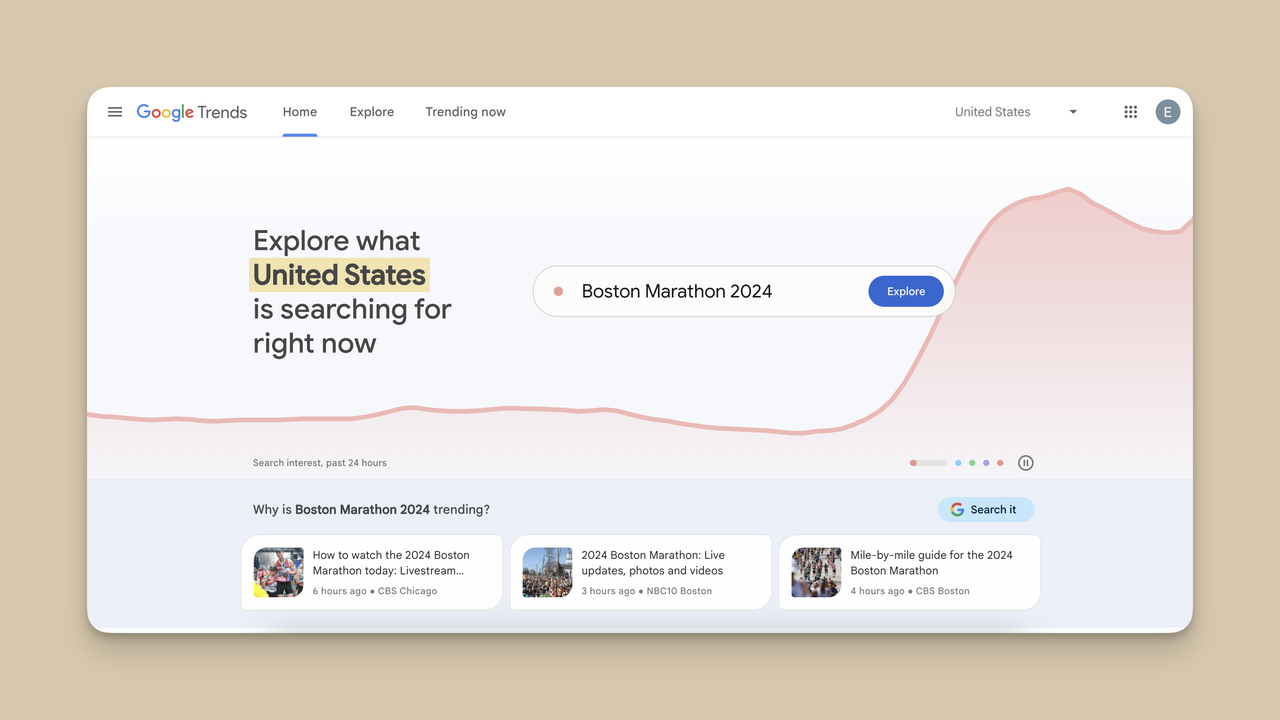
With Google Trends, you can understand the popularity of a keyword, search term, or topic among Google search users. Considering that the majority of web users use Google, you can find trending topics in your niche.
This tool is also useful for gaining a competitive advantage in your industry and being the first to jump on a new trend.
Pricing: Free
2. Semrush Topic Research Tool
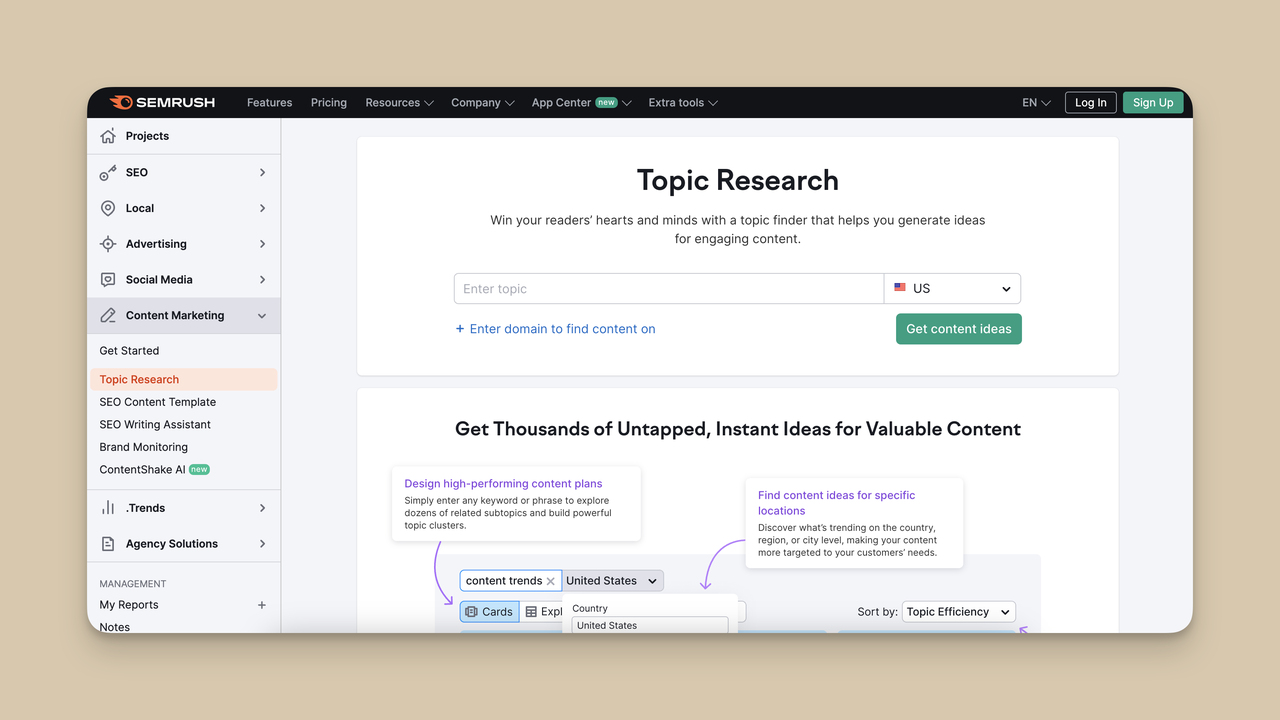
SEMrush Topic Research Tool is a great tool to quickly come up with content ideas and plan out your content effectively. You just enter a topic and target location, then it provides you with potential ideas around the main topic.
Moreover, it allows you to enter a domain to find content on.
Pricing: Price plans start from $99.95 per month, but it also comes with SEO, content, social media, and PPC tools.
3. AlsoAsked.com
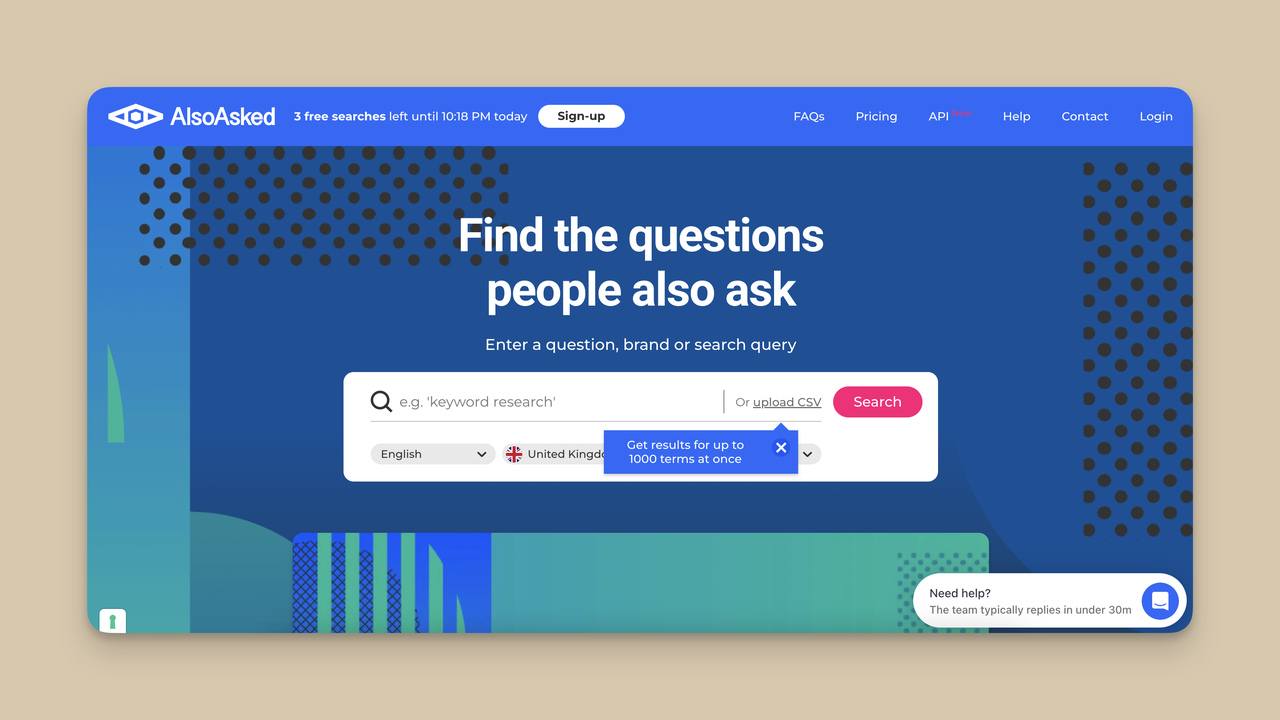
As a content marketer, I find AlsoAsked quite resourceful when doing keyword research for blog posts. You simply need to enter a search term, select a language and region. AlsoAsked gives you a visual map of all related questions it scrapes from Google’s People Also Search section.
Moreover, it can multiply the questions generated in the first results. You can export the results in CSV format with the Lite plan. Otherwise, this tool is free for limited use.
It’s an excellent content tool to sketch out the outline of your content around SEO.
Pricing: Free for 10 searches a month.
4. AnswerThePublic
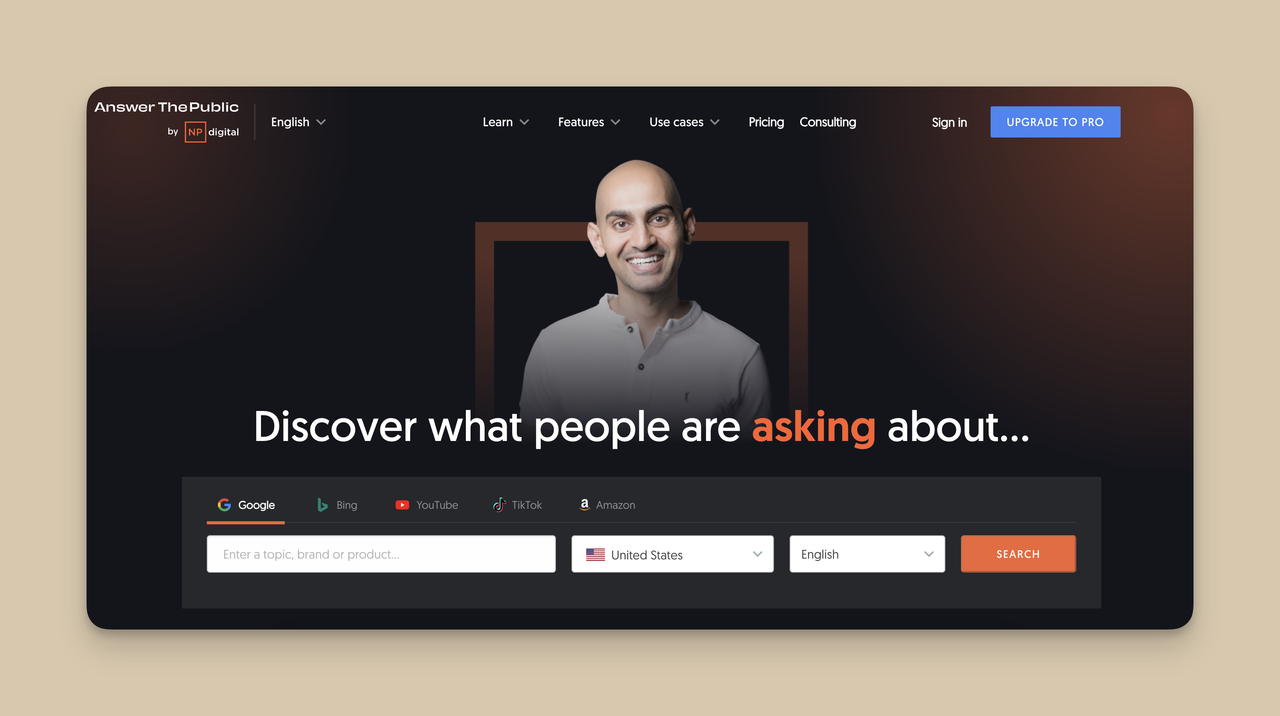
AnswerThePublic works in a similar way with AlsoAsked. It is a keyword tool that visualizes search questions and suggested terms. Once you enter a topic, select a location and language, it lists all possible questions around question words like “why, when, what, how, which, etc.”
It gives you results as questions, prepositions, comparisons, alphabetical, and related. You can save the visualization as an image or export it in CSV format.
Pricing: Free to use with limitations. Upgraded plans start at $99/mo.
5. BuzzSumo
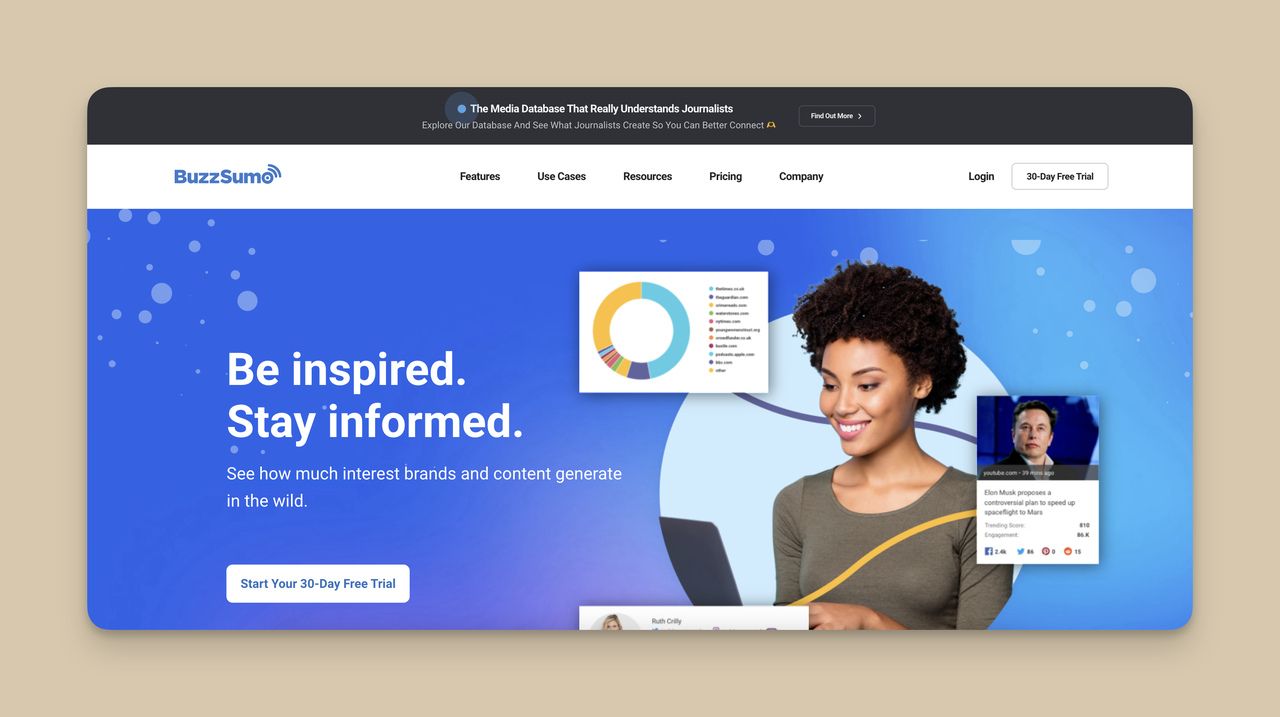
BuzzSumo is another content creation tool that is helpful in generating content ideas. This tool pulls popular posts based on keywords. It comes with a bunch of filters to narrow down the results based on language, location, journalist, date, and more.
The results can be sorted based on their total reach in social networks like Facebook, Twitter, and Pinterest. You can also set custom filters to further narrow down the results.
BuzzSumo has a free Chrome extension as well.
Pricing: Free for 10 searches a month. Paid plans start at $99/mo.
Written Content Creation Tools
6. Narrato

Narrato is an all-in-one, AI-powered tool that simplifies content creation and marketing. It handles many things, from writing blog posts and social media content to generating AI images and optimizing content for SEO.
With Narrato, you won't need multiple apps and tools for different marketing tasks. Narrato’s AI Content Assistant has everything you need in one place. If you can't find an AI template that fits your specific needs, you can easily create a custom one.
What sets Narrato apart is the AI Content Genie, which automatically generates social media and blog content based on your website URL and themes. With Narrato, you'll have fresh content to publish every week without lifting a finger.
Pricing: Plans start from $36 per month with 4 user seats included. You also get a 14-day free trial on signing up.
7. Grammarly
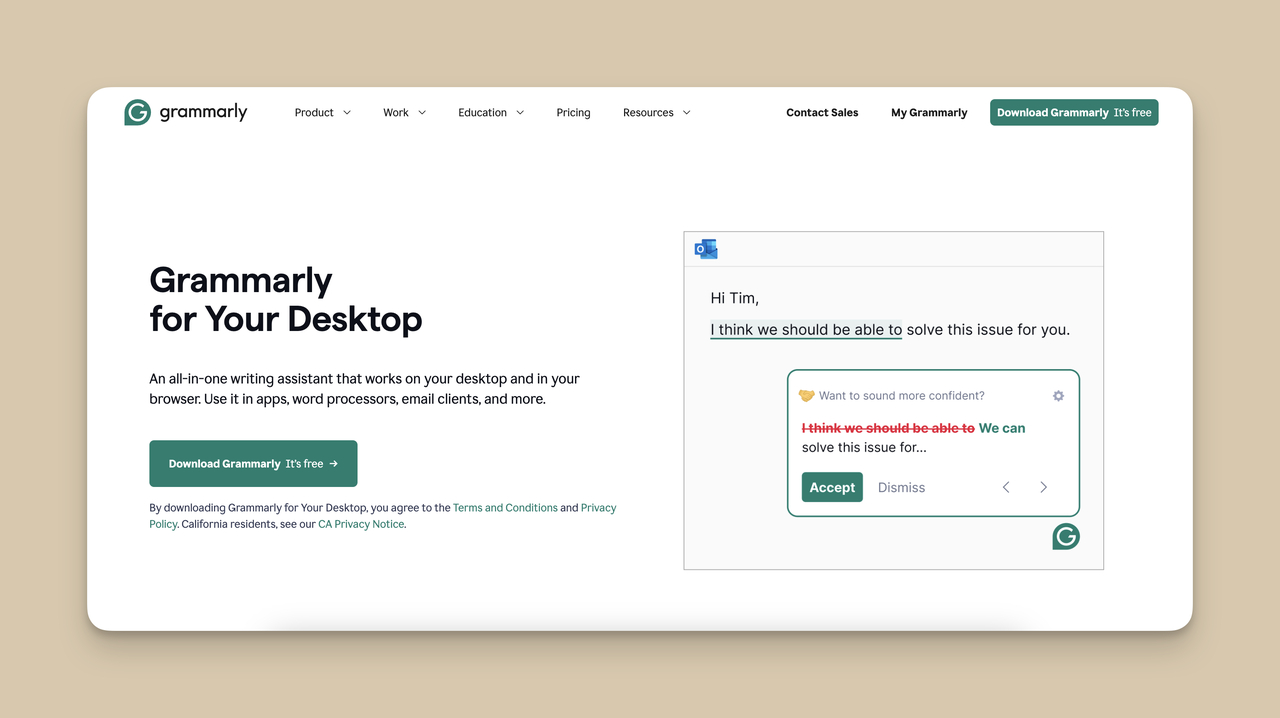
Grammarly is my go-to grammar and spelling checker tool. If you want to rank on search engines and provide a better user experience for your readers, your content should be error-proof.
This tool checks your content for grammatical errors, misspelling, plagiarism, as well as the tone of your content. It also has a Chrome extension, which comes in very handy when typing something on almost all web platforms.
Pricing: Free plan available. Paid plans start at $29.95/mo.
8. CoSchedule Headline Studio
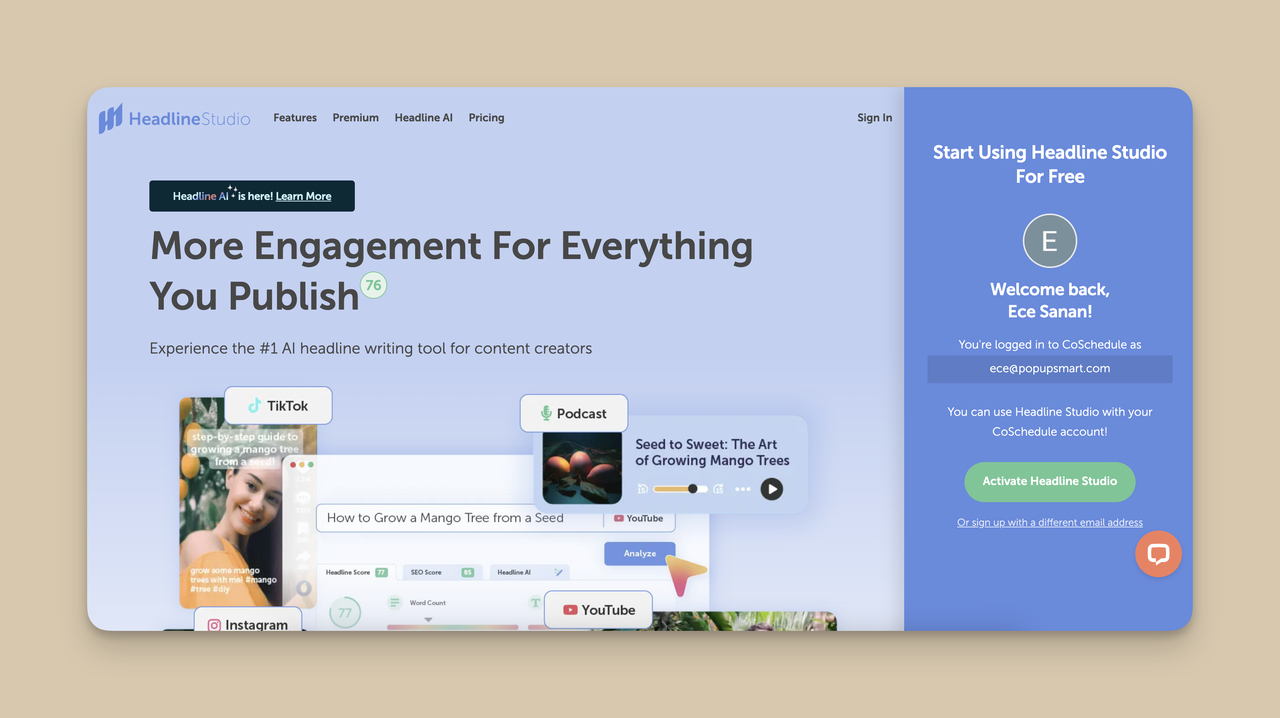
This one is another one of my favorite content creation tools. CoSchedule’s Headline Studio analyzes your content’s headline and gives a score to it based on different factors like SEO, emotional words, uncommon words, word count, clarity, and more.
You can use it to optimize your headlines and craft the best-performing ones to rank higher on search engines and drive organic traffic to your site. In short, it is a simple yet powerful tool for your content creation process.
Headline Studio has a Chrome extension as well.
Pricing: Free plan available. Paid plans start at $9/mo.
9. Copy.ai
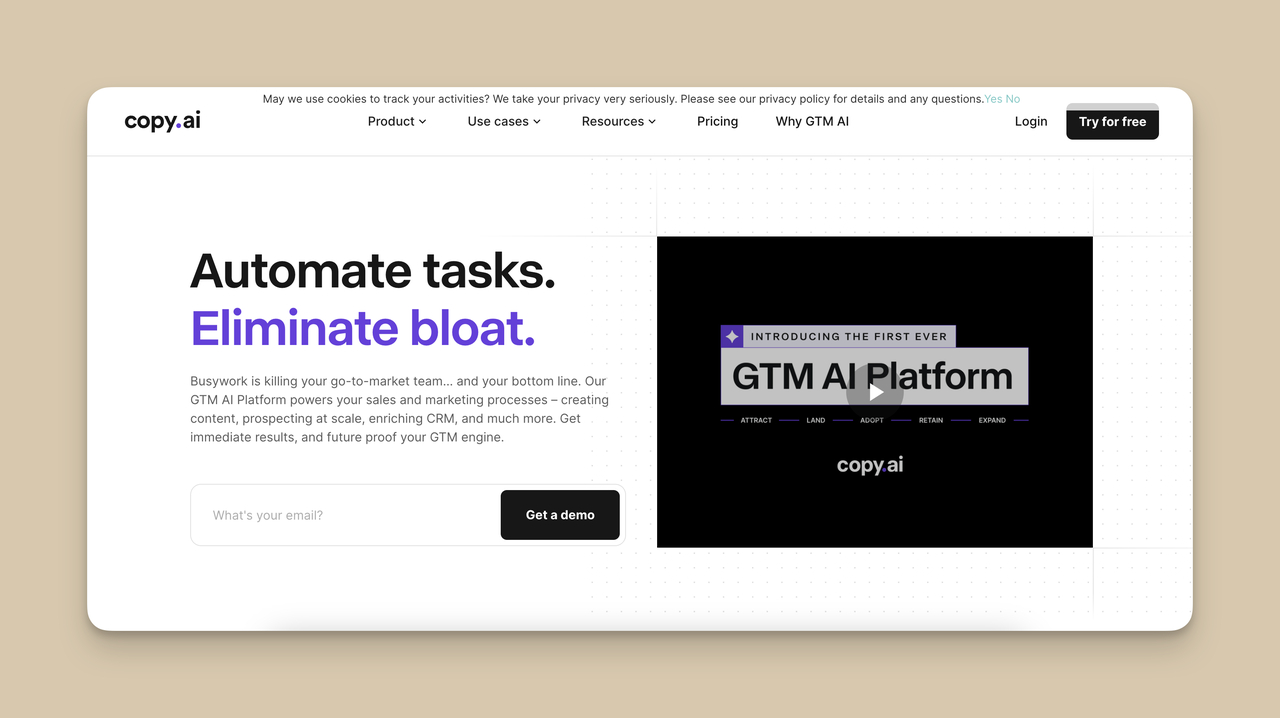
This one is for lazy content creators (guilty as charged 😬) or whenever you feel lazy to write everything from scratch. Copy.ai leverages artificial intelligence to reduce the time and effort you spend on copywriting. Essentially, this tool writes your copy for you.
It makes sure the copy it generates sounds as authentic as possible. You can tweak the content you like among the choices it provides. What can Copy.ai write for you?
- Product descriptions
- Blog posts
- Social ads
- Startup copies: brand voice, motto, value proposition, etc.
- Email copy
- Sales Copy
- Social media captions
Pricing: Free trial available. Premium plans start at $35 per month.
If you haven’t tried this tool yet, I suggest you go and test it out on its free trial. An alternative to this tool that is also worth mentioning is Ryter. It is relatively cheaper for $29/m with a yearly plan. But copy.ai excels in many ways compared to Ryter.
10. SEO.ai
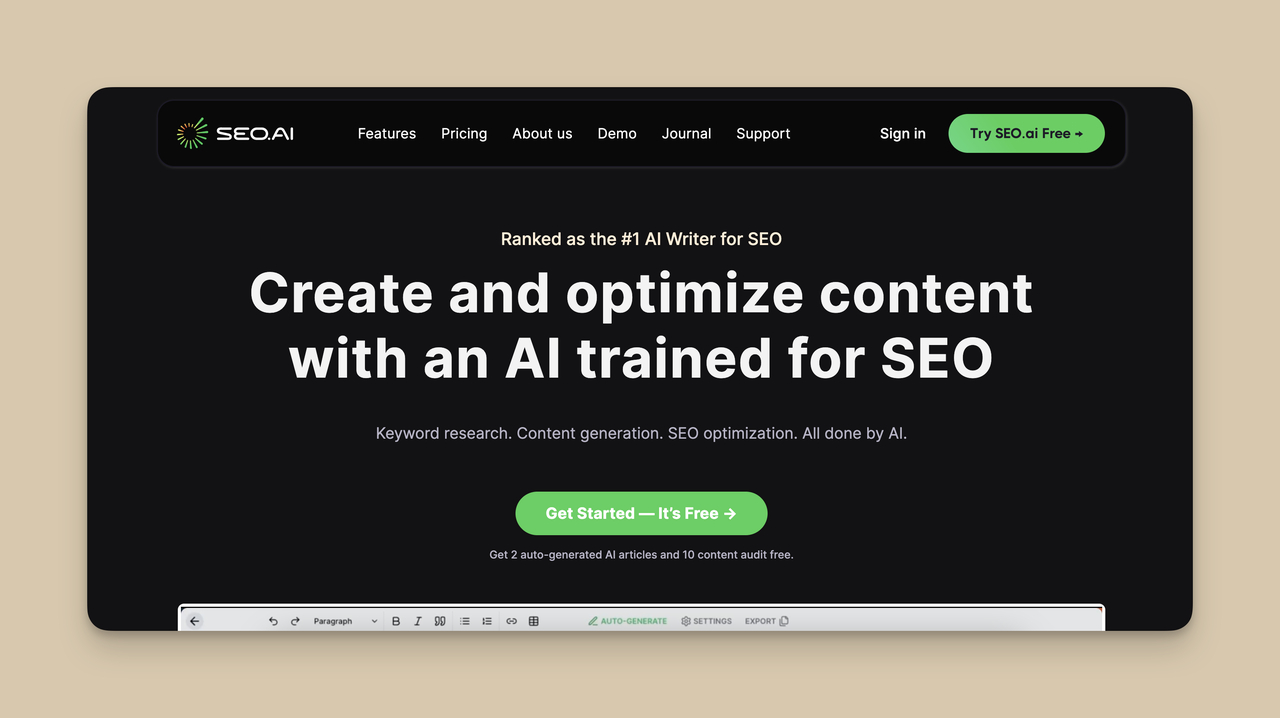
SEO.ai is a potent AI-driven platform dedicated to enhancing your website's search engine visibility.
This savvy tool harnesses artificial intelligence and machine learning to bring advanced SEO strategies right to your fingertips.
Diving deep into keyword research, competitor analysis, and providing actionable insights, SEO.ai optimizes your website's performance, keeping you ahead in the SEO game.
It's automation at its finest - saving you time while boosting your website's performance.
With SEO.ai, you can navigate the ever-changing search engine algorithms and foster sustainable growth through data-backed content and decision-making.
Pricing: Try it out with a 7-day free trial. Paid plans start at $49 per month.
Podcast and Audio Broadcast Tools
11. Audacity
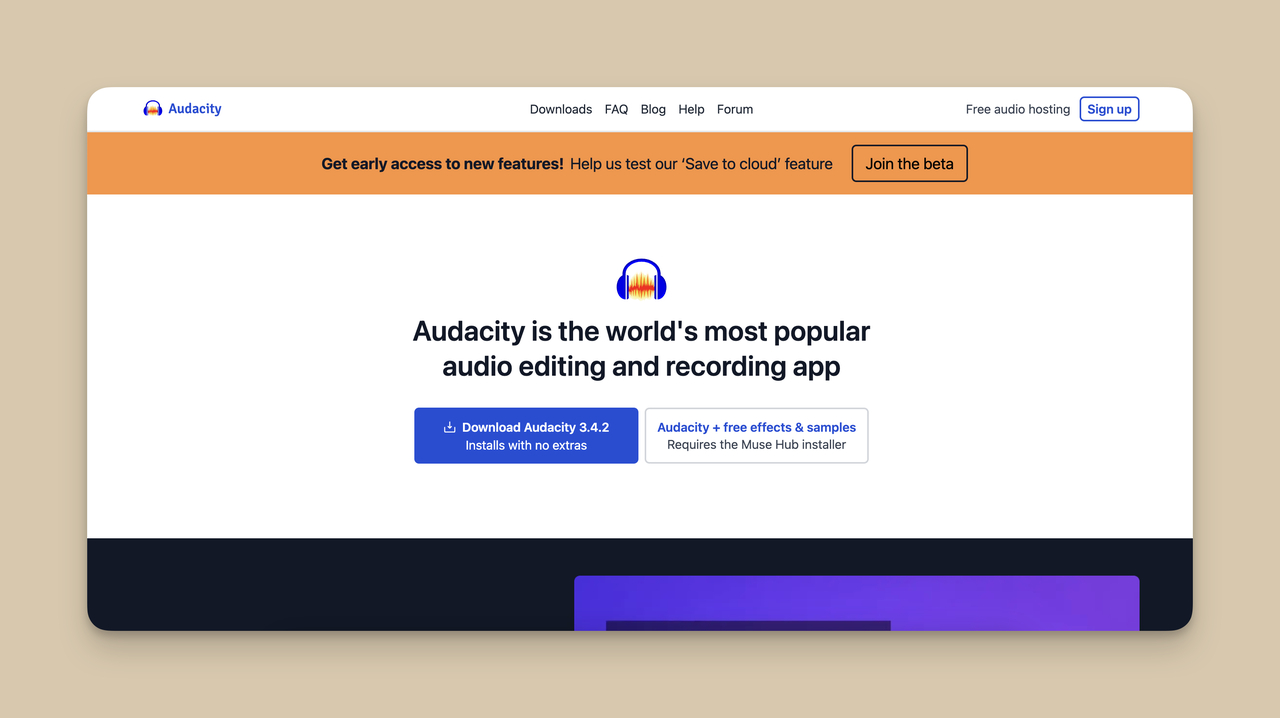
If you have recorded your voice for a podcast or a video and it sounded like a dying frog, Audacity is the right tool for you. Audacity is a free, open-source, multi-track audio editing and recording software.
You can use it to record live audio, edit it (reduce noise, adjust speed, etc.), and export it.
Pricing: Free.
12. Alitu
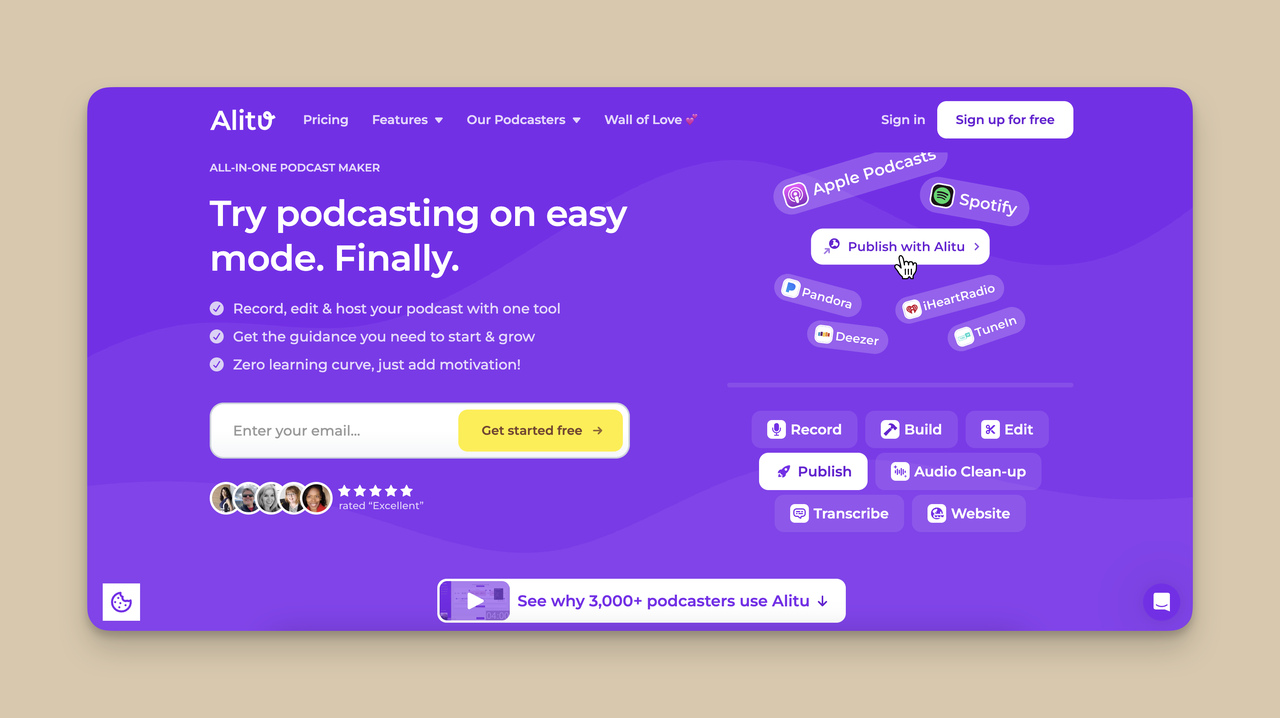
Editing is often the most tiresome part of podcast creation. You will probably want to spend your time on recording rather than editing. However, you also need to make sure the sound quality is the best.
You can use Alitu to record, edit, and publish your podcasts without any audio editing skills. It automatically cleans your audio and makes editing easy as pie.
13. Riverside

Riverside is an AI-powered recording and editing studio that lets you capture studio-quality podcasts, video interviews, webinars, and live streams straight from your browser. Its standout feature is local recording—each participant's audio and video is captured separately in up to 4K right on their own device, so your final quality never suffers from a shaky internet connection.
Once you stop recording, Riverside's AI does the heavy lifting: automatic transcriptions, AI-generated show notes, and Magic Clips that turn your long recordings into ready-to-share social clips. It's a great fit if you want a single tool to record, edit, and repurpose both audio and video content without juggling separate apps.
Pricing: Free plan available. Paid plans start at $15 per month with an annual plan.
Video Creation and Webinar Tools
Especially in recent years, video content marketing has left other forms of content collecting dust. Don’t get left behind; hop on trends with these simple video creation and webinar tools.
You might also like: Popup Video: How To Add One To Your Website (No Coding)
14. Movavi
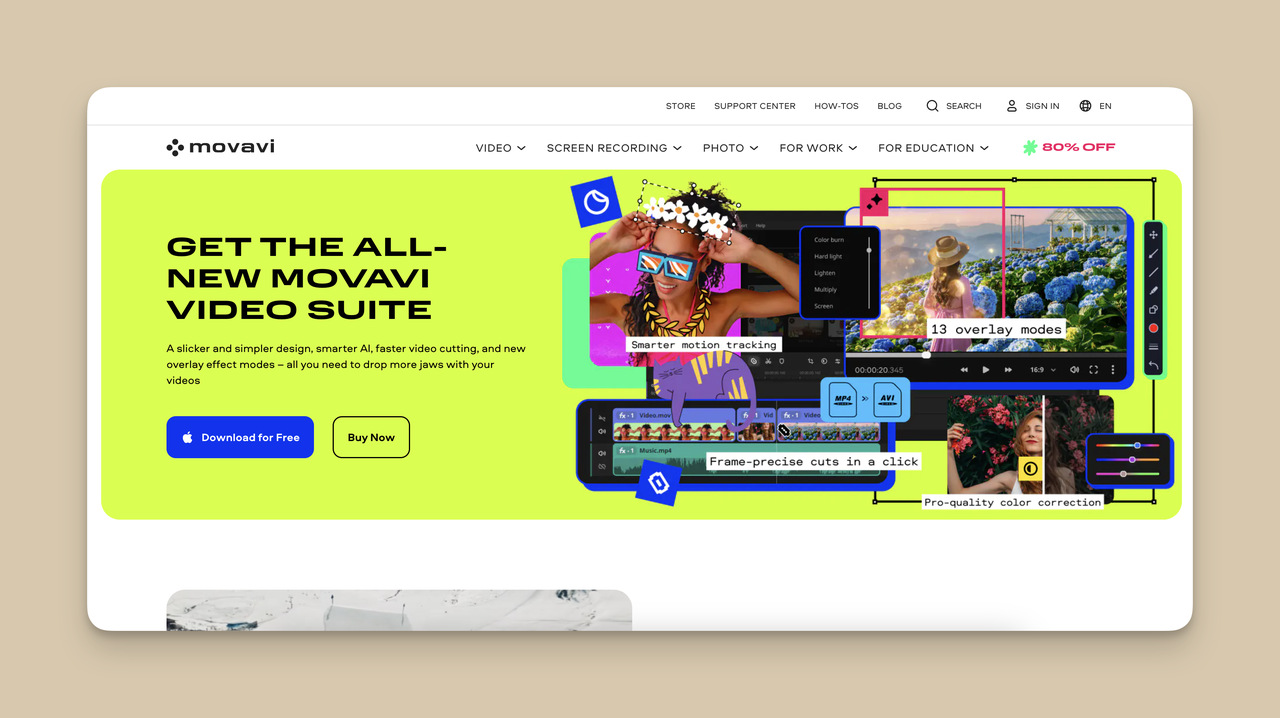
Movavi Video Editor is intuitive software that's perfect for content creators looking to enhance their video content. With a user-friendly interface and a wealth of features, you can easily cut and trim clips, apply filters, add music, and even include animated text in your videos.
This tool is excellent for beginners and advanced users alike, offering a simple way to create high-quality videos for social media, YouTube, or your personal portfolio. Plus, it supports all major audio and video formats, so you can work with whatever media you have.
Pricing: It is free to download Movavi Video Editor's Windows and Mac versions. Also, you can test out it in the free trial period before purchasing any of its various pricing plans.
The yearly subscription plan starts at $49.95, and the lifetime license at $69.95.
15. Animaker
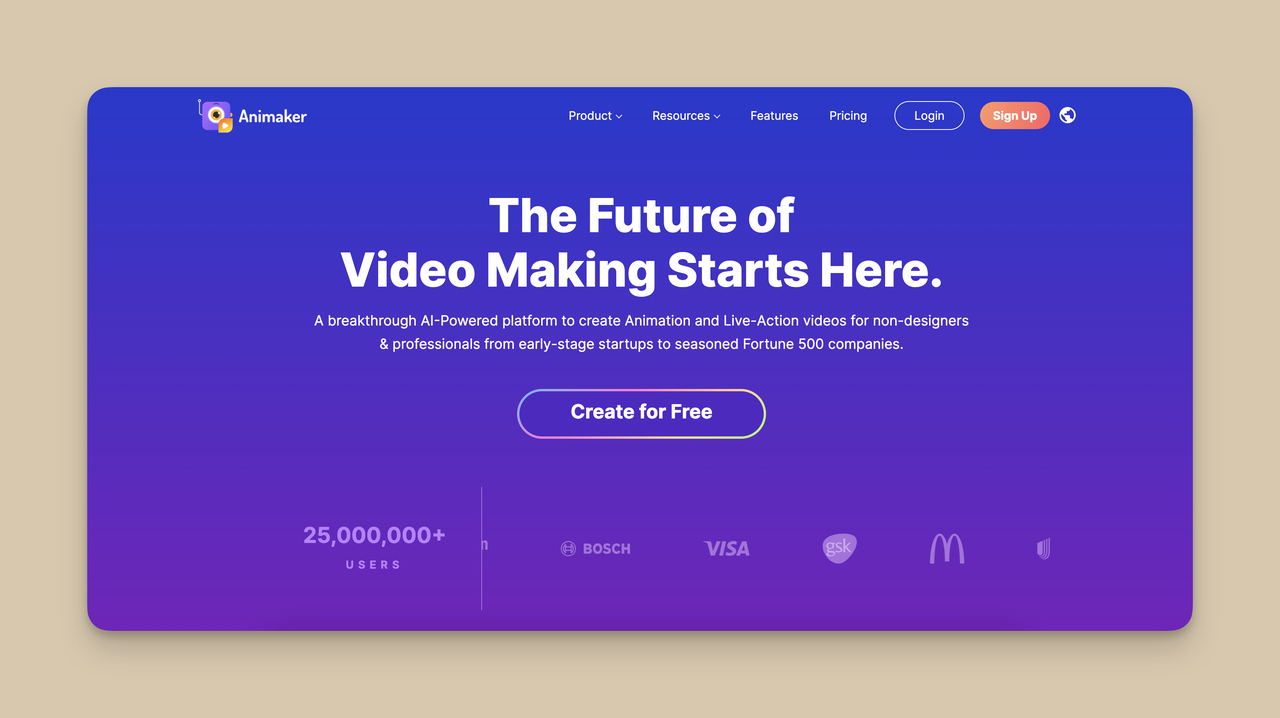
Animaker is a simple, drag-and-drop video-making tool. Used by over 10 M people to create awesome videos, Animaker is a popular tool to streamline your video-making process. Animaker users also include leading brands like Amazon, Nokia, and Unilever.
Features:
- Video making, GIF and short video making, Live video editing
- Ready-made templates
- Character builder to spice up your videos
- Extensive facial expressions for the video characters
- Auto lip-sync for the characters
- Animation studio
Pricing: Start at $10/mo with a yearly plan and $20/mo with a monthly plan.
16. SoapBox
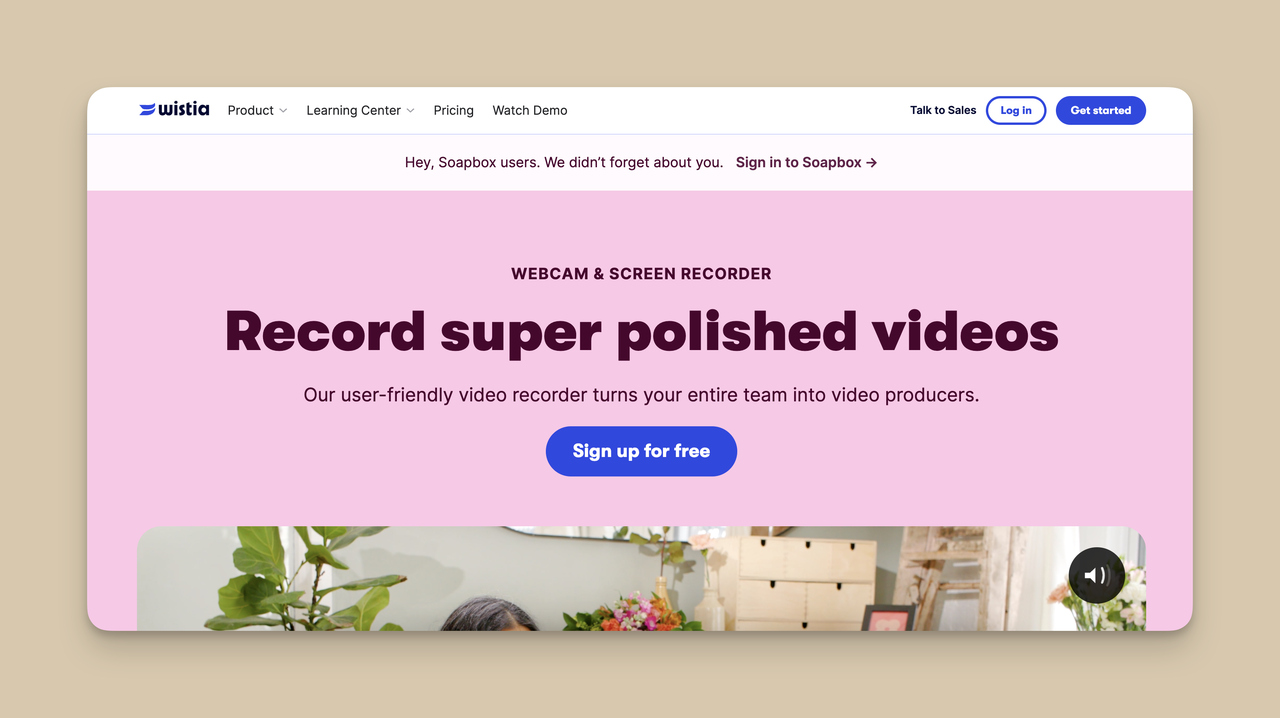
Another video-making tool worth mentioning is Soapbox. It is a Chrome extension by Wistia, a video hosting service. With Soapbox, you can create and share videos in your browser window without needing any technical skills or experience.
The extension also comes with the split-screen view feature, which allows you to record your screen and webcam simultaneously.
Pricing:
Free Plan available Solo Plan starts at $300 per year.
17. Veed
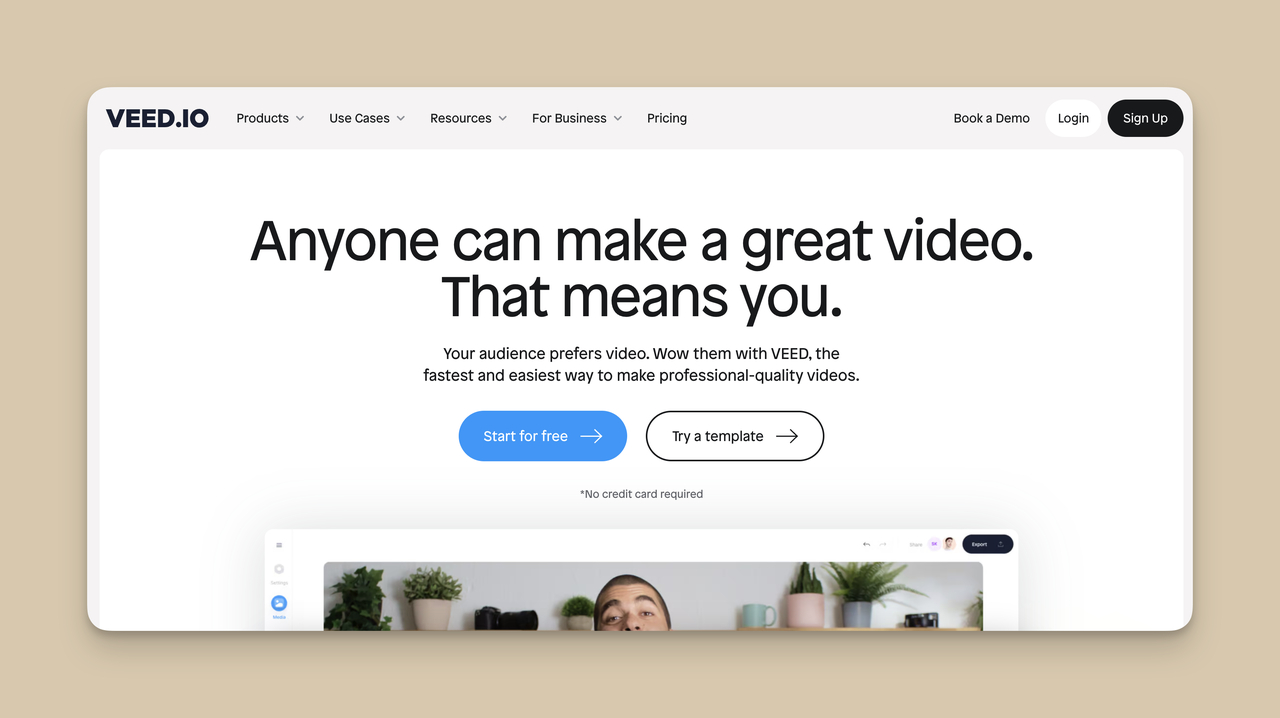
Veed is a simple online video editor tool that allows you to add subtitles to your videos, edit video content, translate videos, transcribe audio files, and add visual effects. It is a perfect choice to edit, crop, and add subtitles to your videos quickly with ease.
It has some glitches and takes too long to load every now and then, but it works just fine to save time from manually adding subtitles to videos.
Pricing: Free plan available for quick projects under 10 mins with watermark. The basic plan is $18 per month with a monthly subscription.
18. Loom
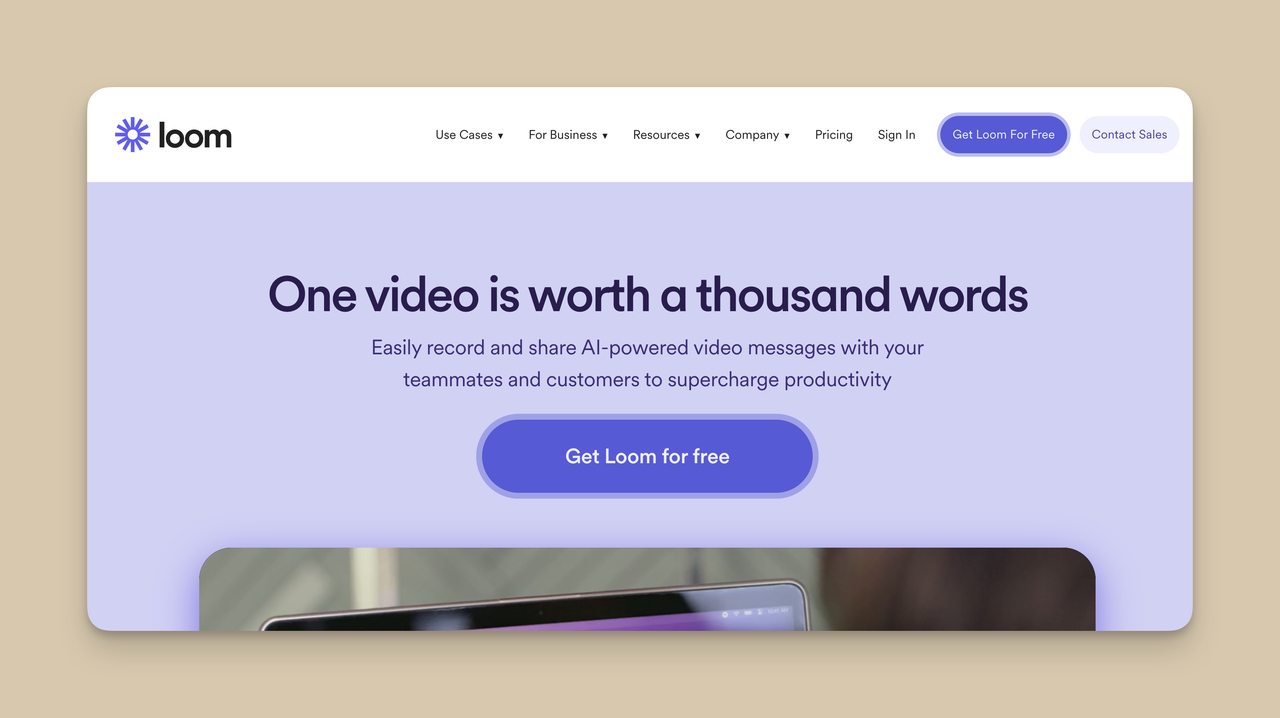
Loom is a streamlined video sharing and recording tool that comes as both a Chrome extension and a desktop app. What can you do with it? You can record your screen, your webcam, or both simultaneously.
Additionally, this tool lets you crop videos and send them to your colleagues through a link. Loom is a go-to tool for either video messaging with colleagues or recording and downloading your videos.
I came across some glitches on its desktop app, but still, it’s a time-saver. AND it has a free version of up to 25 videos and 5 mins per video. If you plan to shoot tutorials or review videos of digital tools for YouTube, then Loom can be the one you are looking for.
Pricing: Free for up to 25 videos. The Business plan starts at $8/mo with an annual plan.
19. Demio
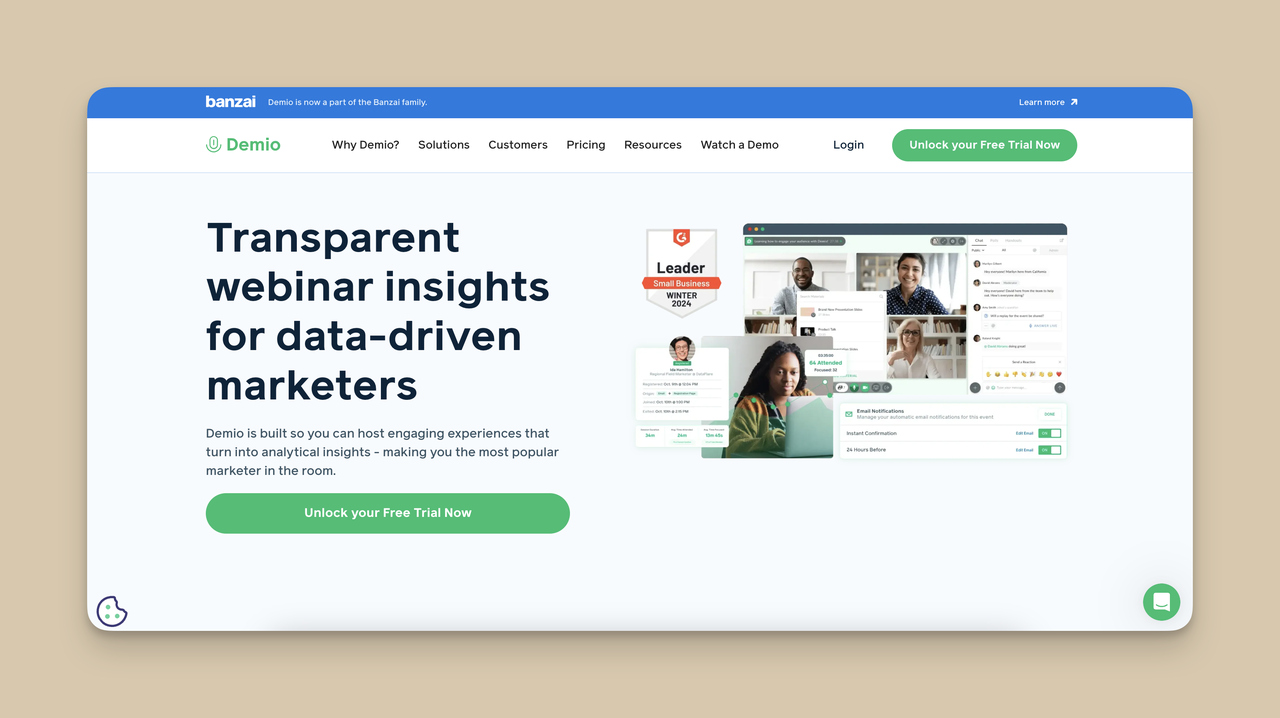
Demio is a hassle-free webinar software for marketers. This tool provides a no-download webinar experience for your audience. It comes with fully customizable webinar domains, featured colors, and more.
Features:
- Live presentation with real-time HD streaming
- Your audience can attend with one click in the browser.
- Create customizable registration pages
- Add custom form fields to collect info from registrants
- Embed the form anywhere
- Send automated email notifications
- View, manage, and export contacts
Pricing: Start at $34 per month with an annual payment plan. 14-day free trial available.
20. Biteable
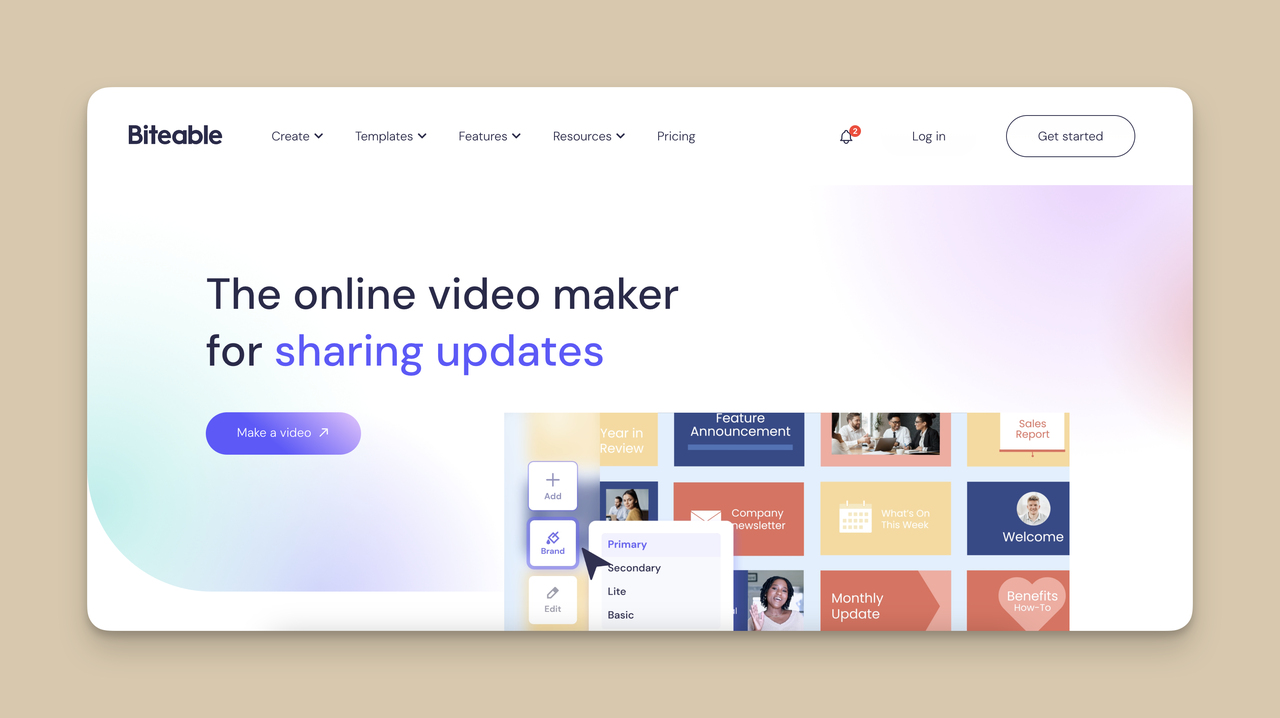
Biteable is another powerful video creation and editing tool. It has a forever-free plan with limited features. What you can create with this tool ranges from social media posts and digital advertising to animation and promo videos.
It comes with a huge video templates library for your use.
Pricing: Free plan available. Premium plans start at $29/mo with a monthly plan and $19/mo annually.
Visual Content Creation Tools
We live in a visual world. It is more so when we dive into the digital world. In fact, studies show that the average attention span of an internet user lies somewhere around eight seconds.
To keep your audience engaged with your content as long as possible, you’ll need to enrich it with visual content like GIFs or infographics. Here are the best visual content creation tools you’ll ❤️ using.
21. Appy Pie Design
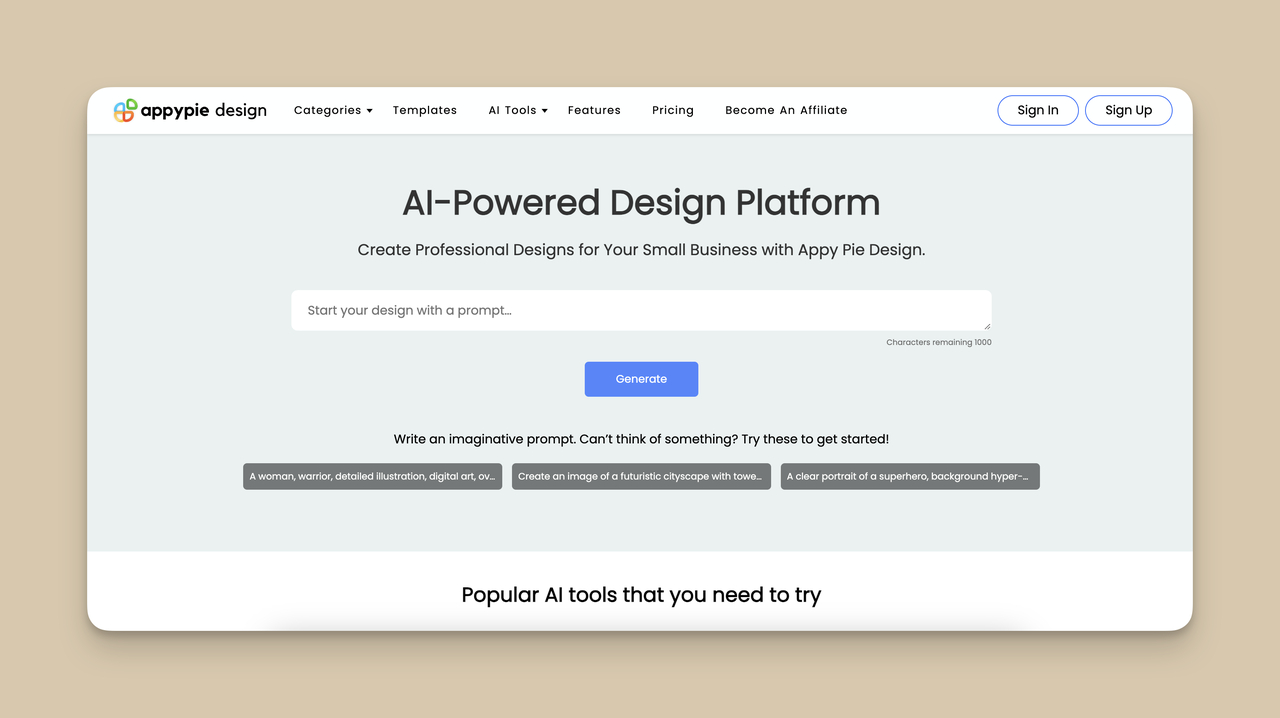
Appy Pie Design is an AI-powered design tool that revolutionizes how users create graphics. It uses AI to help both beginners and experts create visuals efficiently. One of the platform's standout features is the ability for users to generate graphics through simple text prompts. This approach allows for the creation of tailored designs without requiring extensive design skills, making it accessible to a broader audience.
Additionally, with Appy Pie's AI Art Generator, users can create unique artwork, showcasing how AI can significantly change the field of digital design.
Pricing:
Appy Pie Design features a versatile pricing model, including a complimentary basic plan for trial use. Advanced users can access premium features with the pro membership at $8 monthly, enhancing their branding initiatives.
22. Canva - Online Graphic Design Tool
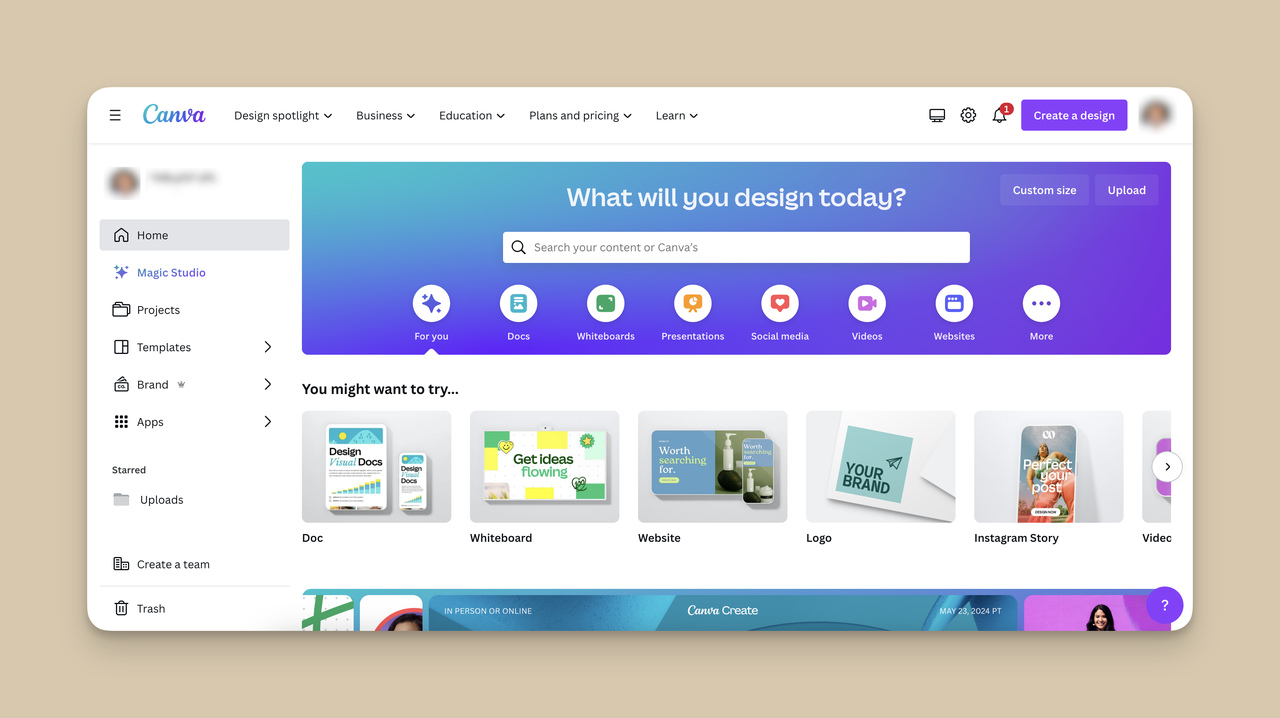
It wouldn’t be wrong to say Canva’s popularity blew over recent years. And it’s clear to see why.
You can design almost anything with Canva, including presentations, social media posts, infographics, resumes, newsletters, logos, and YouTube intros. What makes this tool amazing is the way it streamlines the designing process and makes it easy for just anyone.
It saves your time and money spent on expensive designing tools. Additionally, it comes with stock elements and a photo library, as well as a wide range of templates for every need.
Pricing: Free plan available. Premium plans start at $9.99 per month.
23. GIPHY
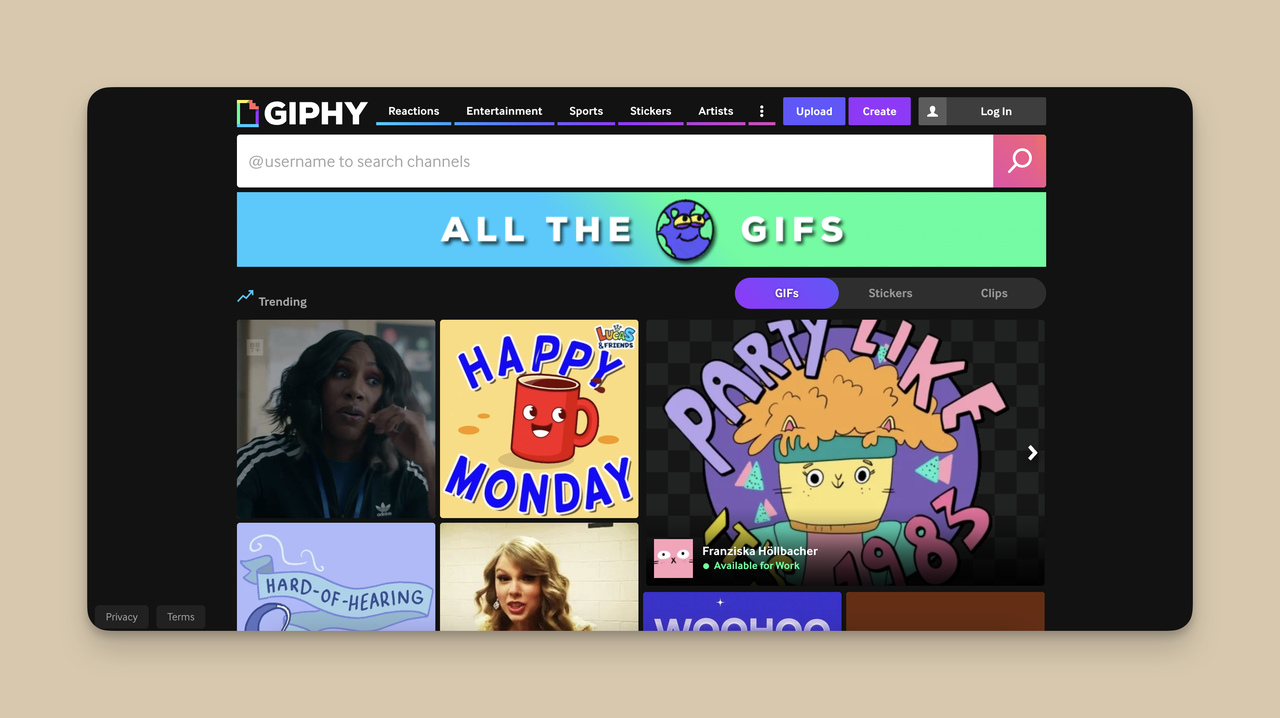
If you think GIFs are fun to use in blog posts, you can look for GIFs on the internet’s best-known GIF database GIPHY. It can integrate with multiple apps and make GIF sharing simpler than ever.
It also allows creating your own GIFs. Just upload a video or photo and set the animation speed. Your GIF will be good to go in no time!
24. Piktochart
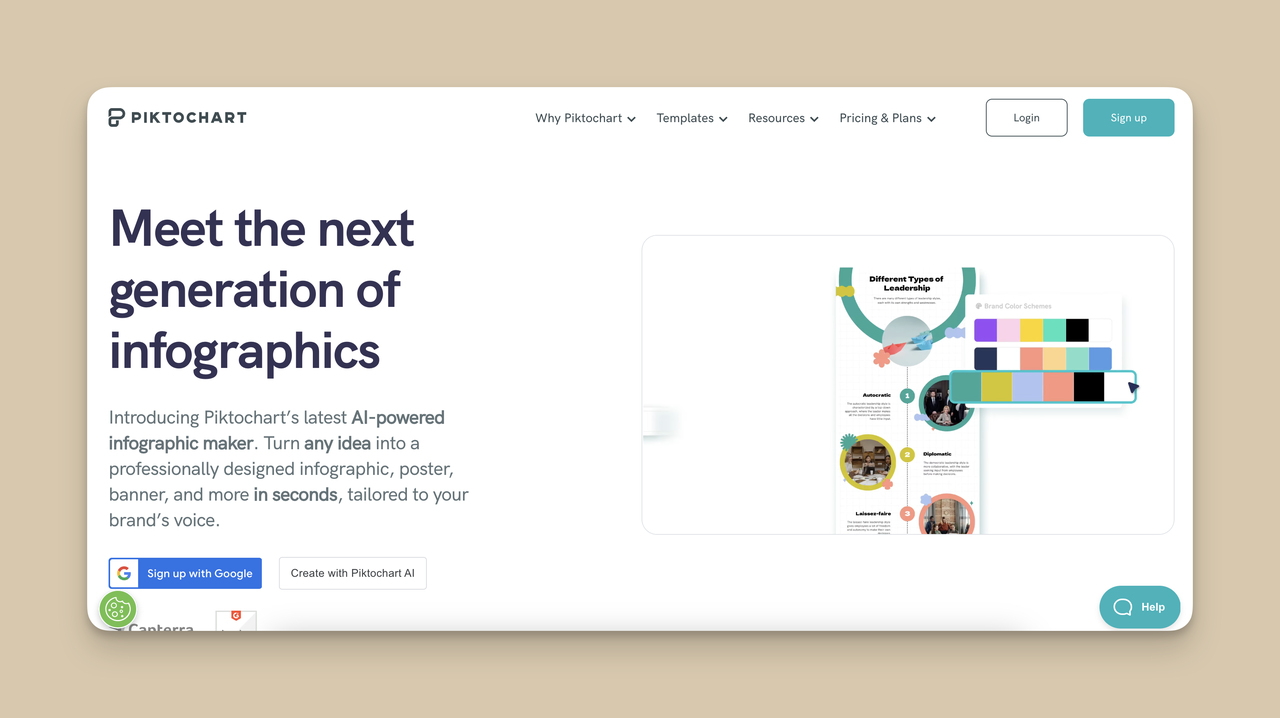
Infographics are still one of the most popular ways to visualize data and to use as a part of your link building strategy. You can drive backlinks by creating superb and share-worthy infographics in your niche.
That’s where Piktochart comes in. You can design professional-looking infographics without needing any design skills with Piktochart.
Pricing:
Free plan available. Premium plans start at $24 per month with monthly payment and $14/mo annually.
25. VismeChart
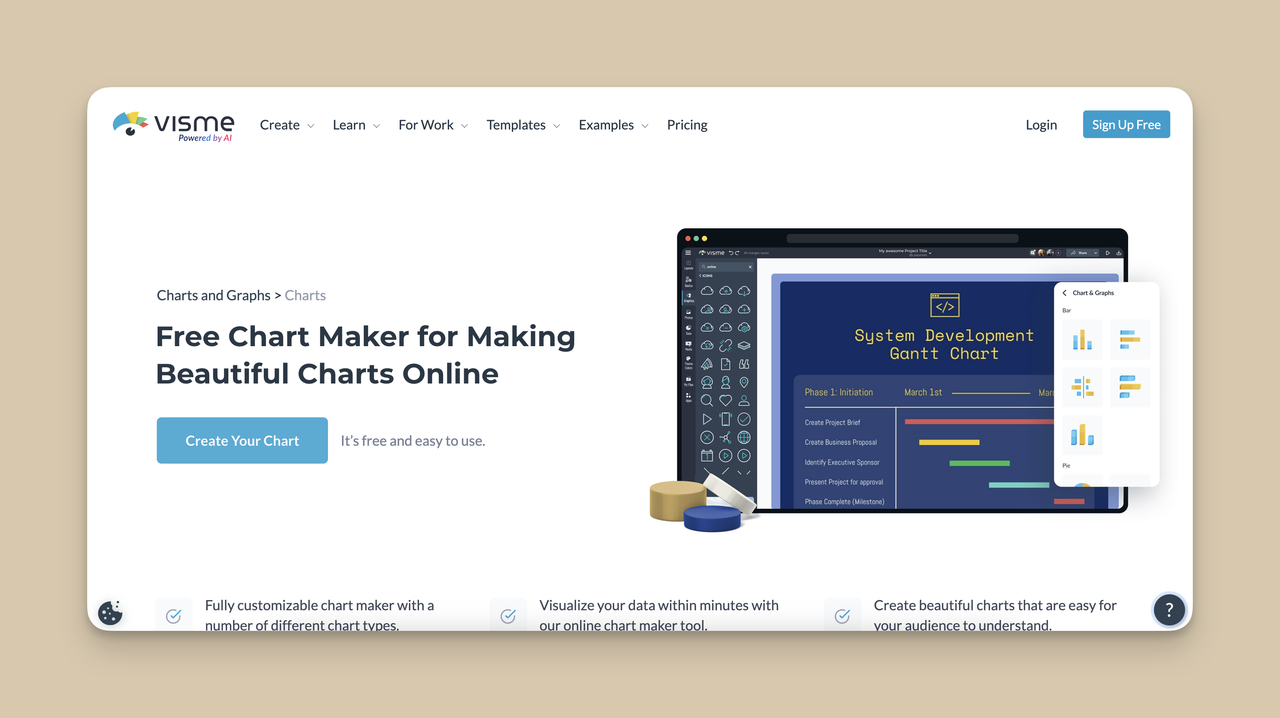
Need to create charts that will rock your data and statistical contents? VismeChart is what you’re looking for. By adding customly designed chart visuals to your blog posts, social media posts, or other content, you can drive backlinks and credibility. Charts are a perfect way to visualize complicated and boring data.
Designing them on Visme is incredibly easy for anyone. You can create charts, infographics, short videos, and presentations on Visme’s intuitive, drag-and-drop designer. The best part is its free plan covers a lot of features.
Pricing: Free plan available. Paid plans start at $25/mo with monthly payment.
26. Unsplash
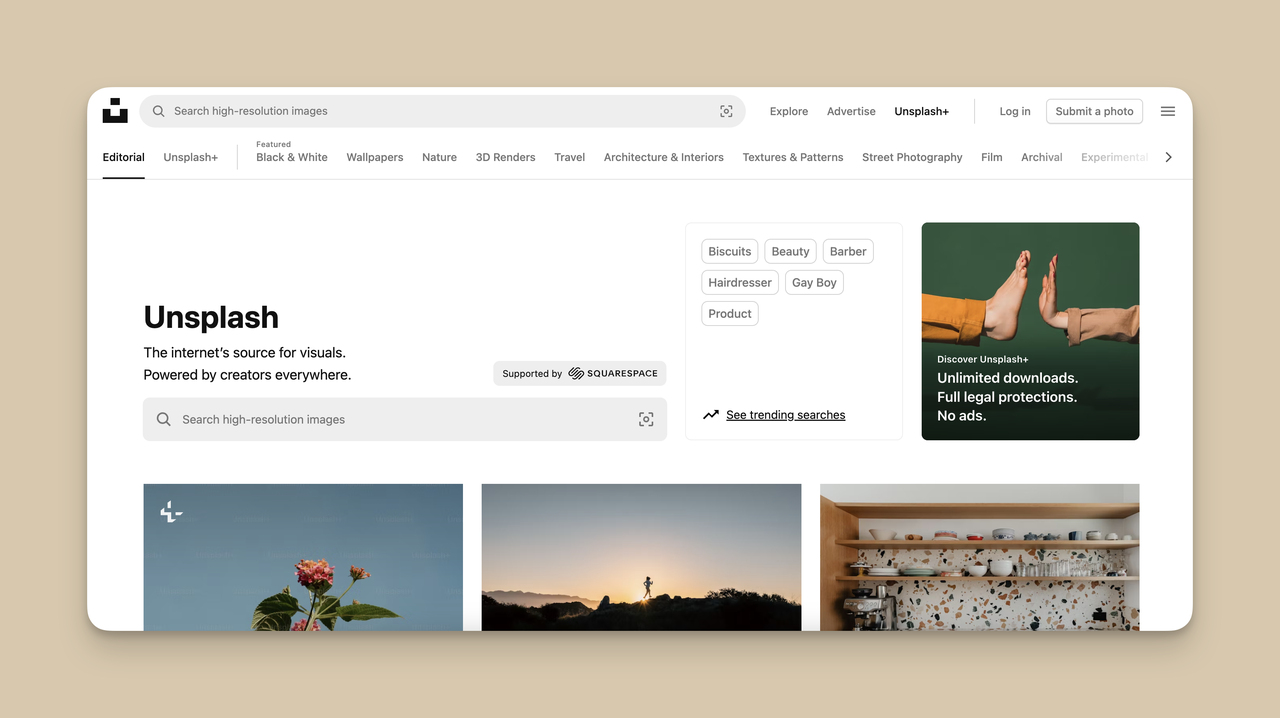
Stock photos come in handy every now and then. Unsplash provides a rich stock library of high quality images and photos free to use and shared under the Unsplash license. The platform has over 207,000 contributing photographers and generates 17 billion photo impressions per month.
Bonus
- Ubersuggest - Free keyword research tool
- Hemingway Editor - Grammar checker
- Trello - List making application
- involve.me - Interactive quizzes, forms and surveys
Even Perfect Content Needs to Be Promoted
The most important thing to do as a content marketer is to keep improving your skills, learning new ones, and expanding your knowledge of tools and resources. This way you can always make sure to craft killer content that performs.
Another vital thing to remember is that:
Without a strong promotion strategy, no one will know about your content.
Make sure to spread the word about your hard work through various methods like;
- Email newsletters
- Social media posts
- Onsite promotions like popups to promote content
- Inbound marketing tactics
The simplest way to drive your website traffic to your content is to use popups. Here's an content promotion example popup created with Popupsmart popup builder (👋).
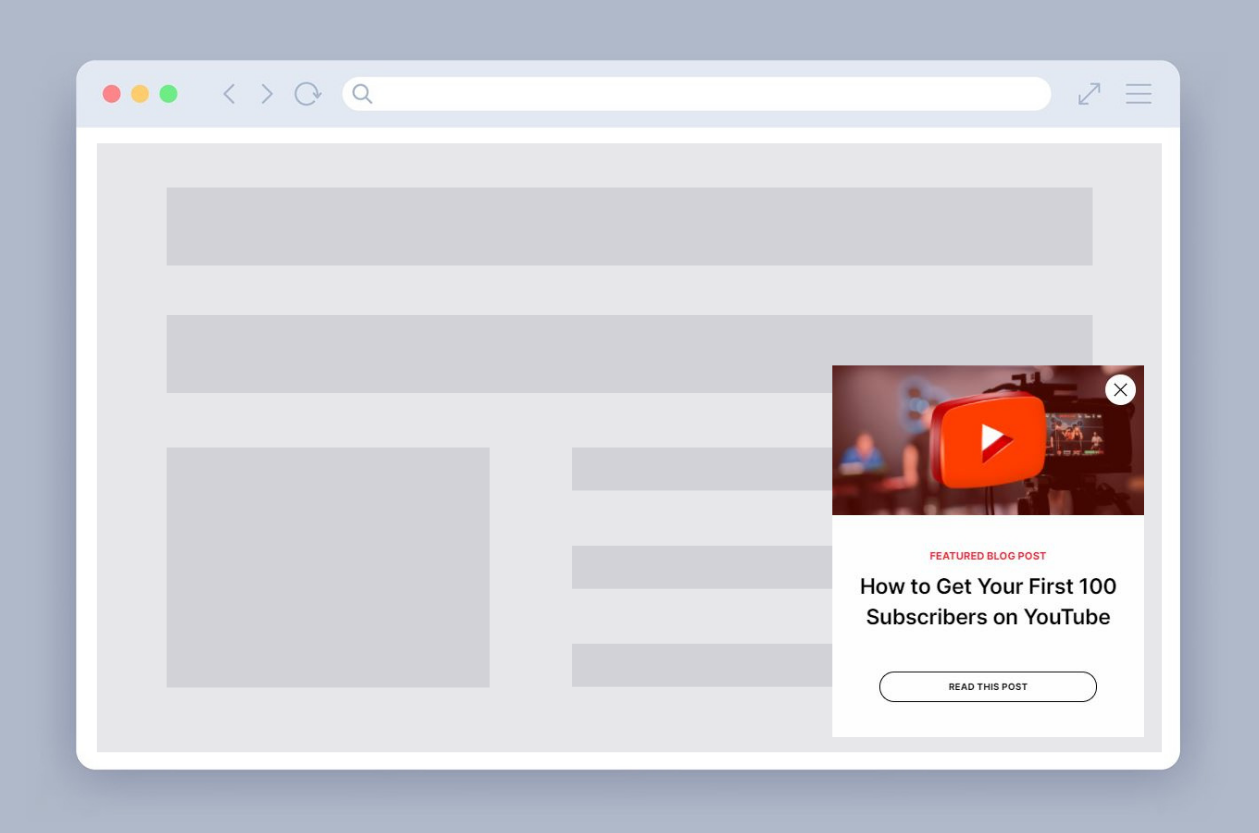
With a solid content promotion strategy your content will attract the high number of audience it deserves. Don’t forget to measure your content marketing ROI to see how they perform.
Frequently Asked Questions
What are content creation tools?
Content creation tools take many forms such as visual or auditorial content creation. These tools make content creators' job easier and more effective. GIF makers, chart makers, online graphic design tools, video tools, or topic research tools are some of the examples.
What are the essential tools for a writer?
Although it depends on the content type and the author, most writers typically use keyword research tools for SEO, GIPHY, and simple infographic tools for starters.
What are the best free content creation tools?
I have rounded up my favorite content creation tools for you. I hope you and your team ❤️ using them.
Do you have another content creation tool you’d like to share with your fellow content marketers? Tell us in the comments below!
You might also find the following articles informative:
How would you rate your experience with this article? 😊