
8 Cross Promotion Ideas: A Cheat Sheet to Kickstart Marketing

 ChatGPT
 Perplexity
 Claude
 Grok
Grok Google AI Mode
Cross-promotion is collaborating with complementary, non-competing brands (or new platforms) to grow audiences and sales, as shown by examples like McDonald’s/Shrek and Uber/Spotify. It outlines steps and ideas: set goals/KPIs, pick the right partner, use social media, webinars, ebooks, bundles, referrals, and podcast guests.
Table of contents (12)
When done right, cross-promotion is one of the most effective ways to increase your brand’s exposure and generate high-quality leads. But what is cross-promotion?
Cross-promotion is a marketing tactic where different brands with similar audiences that are not competitors target and market to each other’s audience with the promotion of a related product/service. It connects different brands with potential customers on other marketing channels.
For example, take a quick look at this picture:
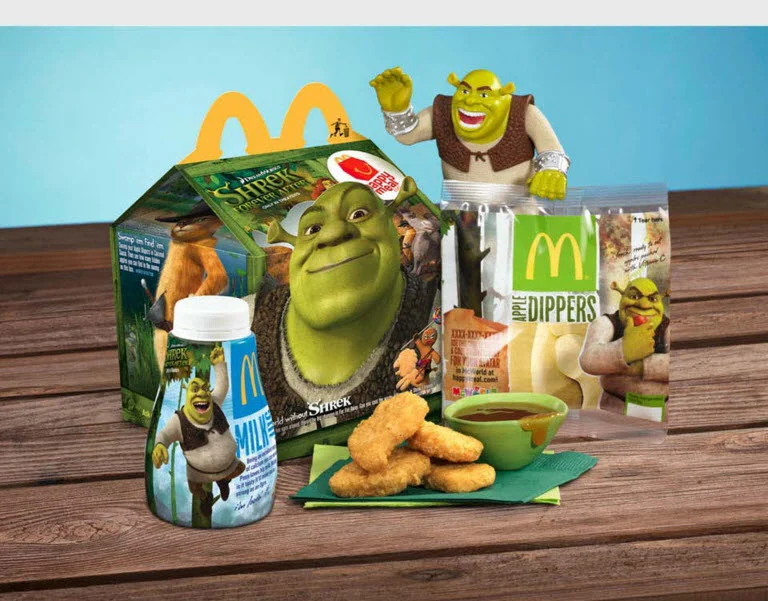
This is the cross-promotion definition in the most obvious way. In 2007, Mcdonald’s featured Shrek with their products to attract more customers, while DreamWorks (the company behind the Shrek franchise) gained great exposure.
As you see, cross-promotion is usually done through collaboration and cross-promoting with other businesses. However, it can also be promoting yourself on a new platform. So, that’s the gist of cross-promoting.
Here are the eight cross-promotion ideas, along with real-life examples that can help you grow your business and take it to the next level.
1. Set Your Cross Promotion Goals
Before you go about promoting, clearly define your goals. What are you trying to achieve through cross-promoting? For instance, your goals may include increasing sales, expanding the market reach of your product, gaining brand awareness, or creating a positive image.
I also recommend you lay out the tasks you’ll need to complete to achieve your goals. Additionally, you should determine the Key Performance Indicators (KPIs) you need to track to monitor your campaigns efficiently.
You might also like our blog post called “How to Get People to Buy Your Products: It’s Not as Difficult as You Think.”
2. Choose The Right Partner
Once you set your goal, it’s time to carefully assess which partner would be more beneficial to your goals. Make sure to select a reliable and compatible company that is not in competition with yours.
More often than not, the most successful cross-promotion partnerships happen when the products or services are complimentary and relevant.
Spotify - Uber Cross Promotion Example

For example, when Uber partnered with Spotify to allow users to connect to their Spotify accounts and play their pick through the car’s speakers, it benefited both parties. Spotify Premium users could listen to music from their playlist in their Uber driver’s car.
As a result, more Uber users started to pay for Spotify Premium while more Spotify users booked vehicles from Uber.
3. Cross-Promote on Social Media Platforms
When cross-promoting, it is key to select a social media platform that works for you and build your brand awareness through it.
There are many channels to use to cross-promote your brand. You can use:
- Guest blogs
- Referral programs
- Webinars
- Conferences, and more
But most importantly, you can use social media to the fullest by establishing your social media presence on all popular platforms like Facebook, Instagram, YouTube, and Pinterest.
This cross-promotion strategy involves collaborating with another company that is not your competitor and promoting each other’s product or service on social media.
Are you starting out your business YouTube channel? Here’s a helpful article to help you out: How to Get Your First 100 Subscribers on YouTube.
Social Media Cross-Promotion Example
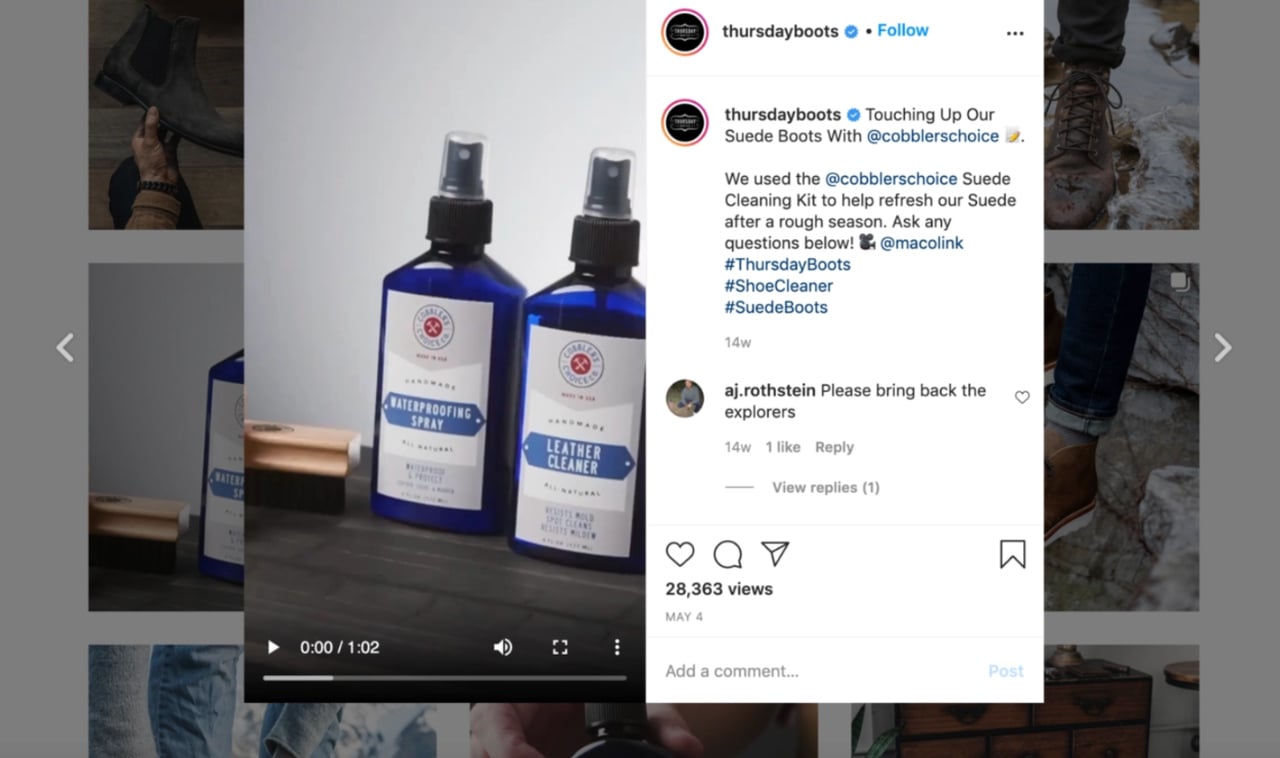
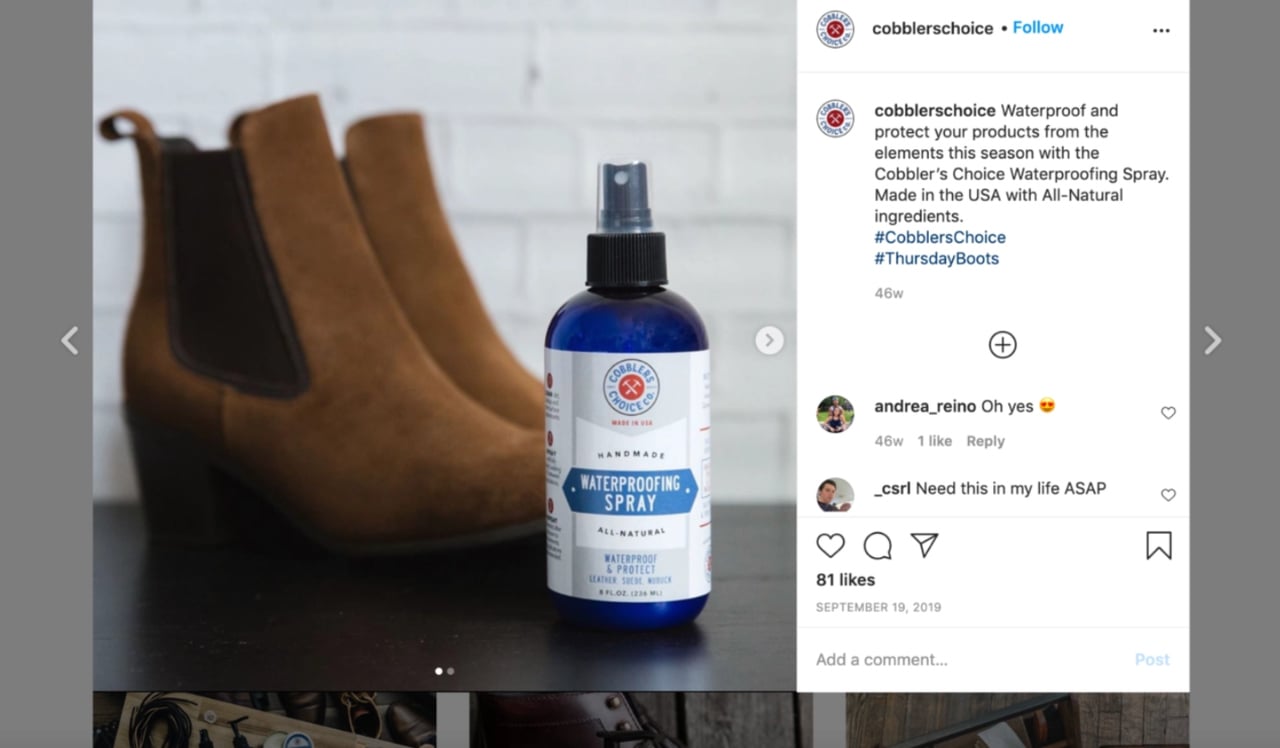
Thursday Boots, a company that sells boots and shoes, used social media cross-promoting effectively by teaming up with another related brand. The other end of the collaboration was Cobbler’s Choice, a brand that sells footwear care products. The two make perfect sense together.
As you’ll see below, Thursday Boots shared an Instagram post promoting Cobbler’s Choice Suede Cleaning Kit. Apart from showcasing the products with a short video, they also mentioned the other brand’s account.
As the other party of this collaboration, Cobbler’s Choice created an Instagram post, where they display their Waterproofing Spray right next to a pair of boots from Thursday Boots.
What type of content can you use on social media for cross-promotion?
- Influencer posts
- Giveaways and contests
- Promotional videos
4. Prepare a Webinar
One of the best cross-promotion ideas is to organize an online event such as a webinar. This promotion method is ideal for small business partners, particularly SaaS and product owners.
You can create a webinar with your business partner to cross-promote. However, the important thing about webinars is that your primary goal shouldn’t be selling. Rather, it should be providing value to both parties’ users.
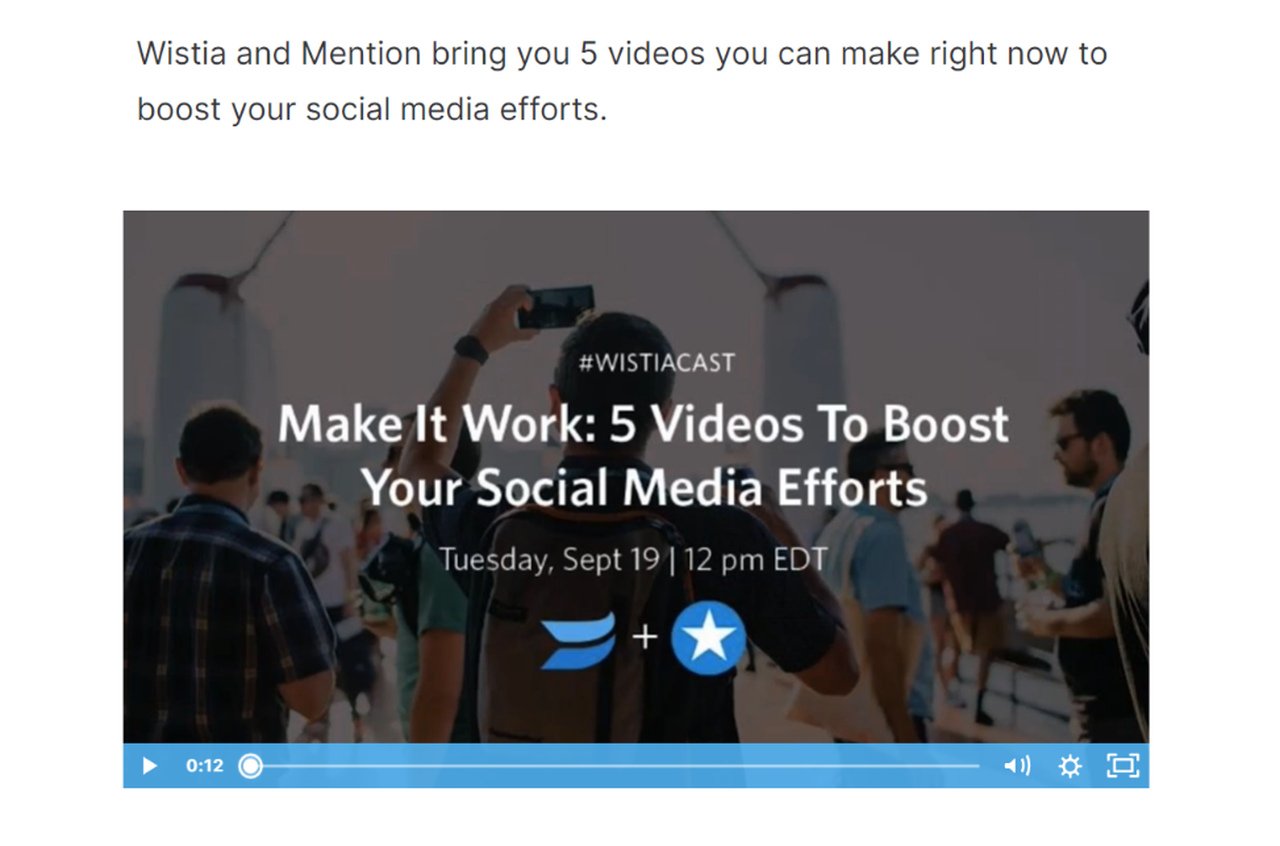
One example of such a cross-promotion partnership happened with Wistia and Mention. The two companies collaborated to prepare a video that would bring value to users.
5. Write an Ebook Together
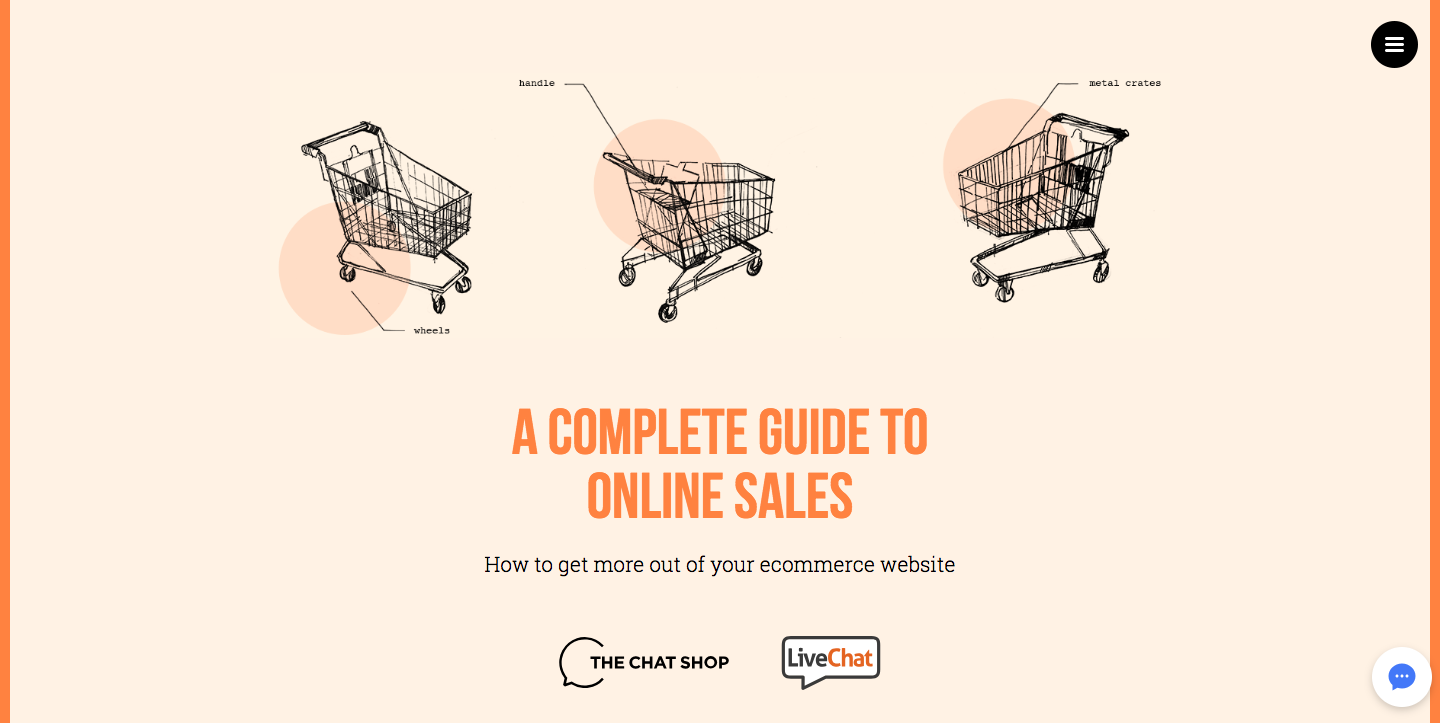
Writing an ebook with your business partner could be a great idea, once again, if your primary goal is to provide value and help the users on both sides.
Here’s a cross-promotion example with an ebook:
6. Create and Offer Bundles
This cross-promotion idea is only effective if you are in a similar industry with your business partner.
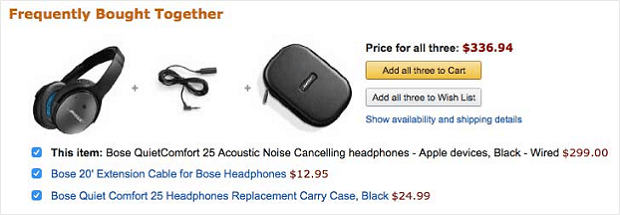
Creating bundle deals is an excellent way to drive sales and increase brand awareness for both brands in a collaboration.
A good example of this can be Amazon and The Dot Store’s bundle deal:
7. Create a Referral Program
According to a study conducted by Nielsen, recommendations from friends still remain the most credible advertising among consumers.
To put it another way, referrals coming from friends, family members, or co-workers are highly effective in the buying decision. So, using referral programs is one of the best ways to promote your company.
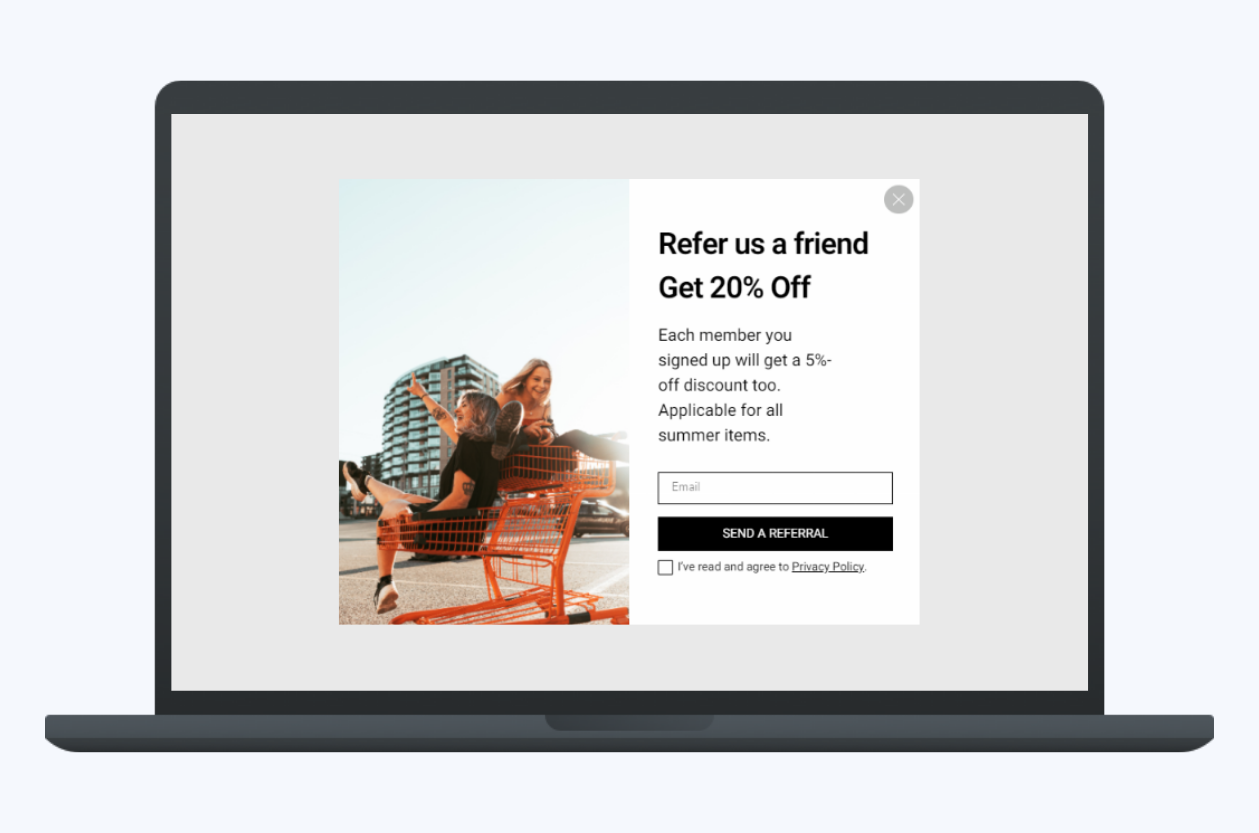
You can start a referral program, track those who share your product with their friends, and reward those who sign up new members. Or, you can encourage users for referral with a popup.
Here’s an example popup created with Popupsmart popup builder:
8. Promote with a Podcast Guest
55% of the US population has listened to a podcast. That’s about 155 million people in the US alone. So, you can tell how your business may blow up by getting featured on a popular podcast.
Podcasts allow you to;
- Introduce your brand to a new audience
- Showcase your expertise in the field
- Highlight your company’s values, culture, UVP (Unique Value Proposition)
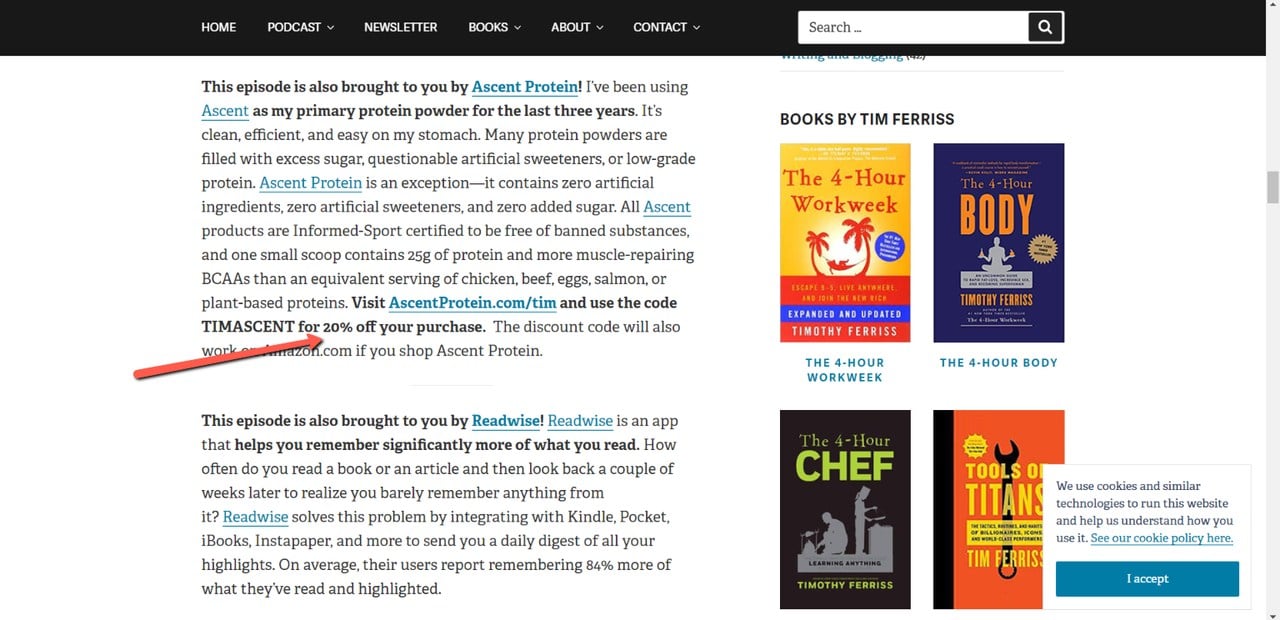
One of the best examples of this cross-promotion idea is when Blake Mycoskie, founder of a successful shoe and apparel brand TOMS, got featured on The Tim Ferriss Show.
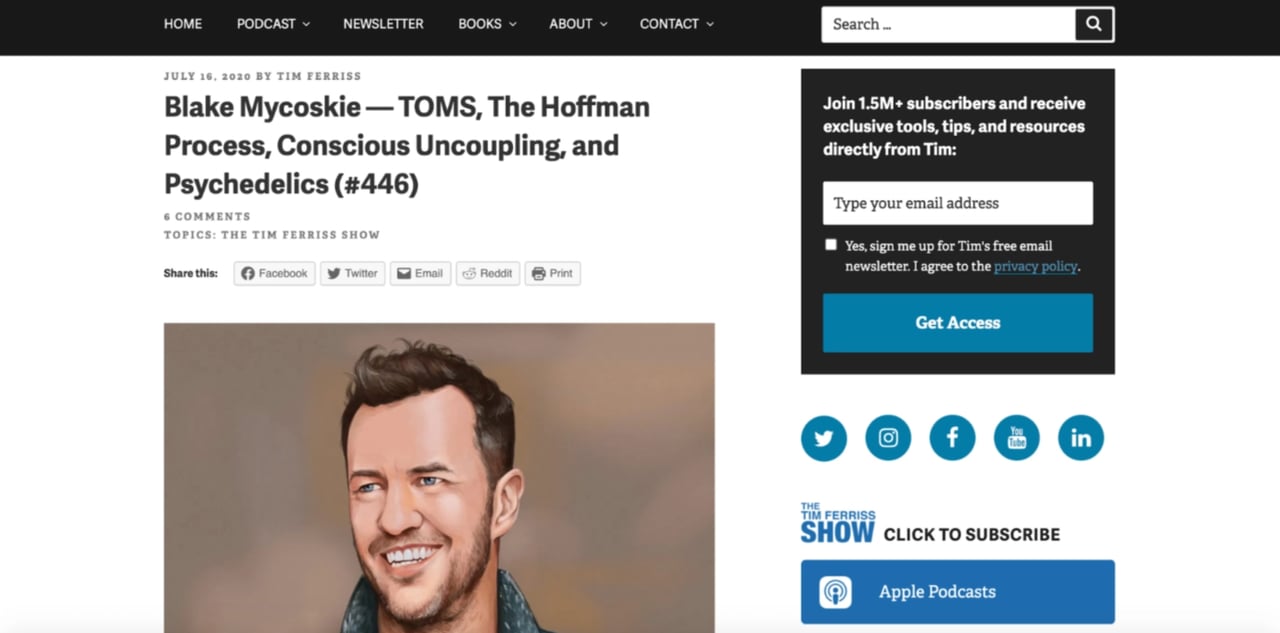
Tim Ferriss’s podcast show has been ranked the number one podcast on Apple Podcasts several times and had 500+ million downloads.
So, this show gave Blake an incredible opportunity to promote two brands of his (TOMS and Madefor.) In addition to exposing Blake’s brands to his audience, Tim also arranged a 20%-off on Madefor monthly plans by entering a promo code.
Bonus: More Cross Promotion Examples
Apple Watch Nike
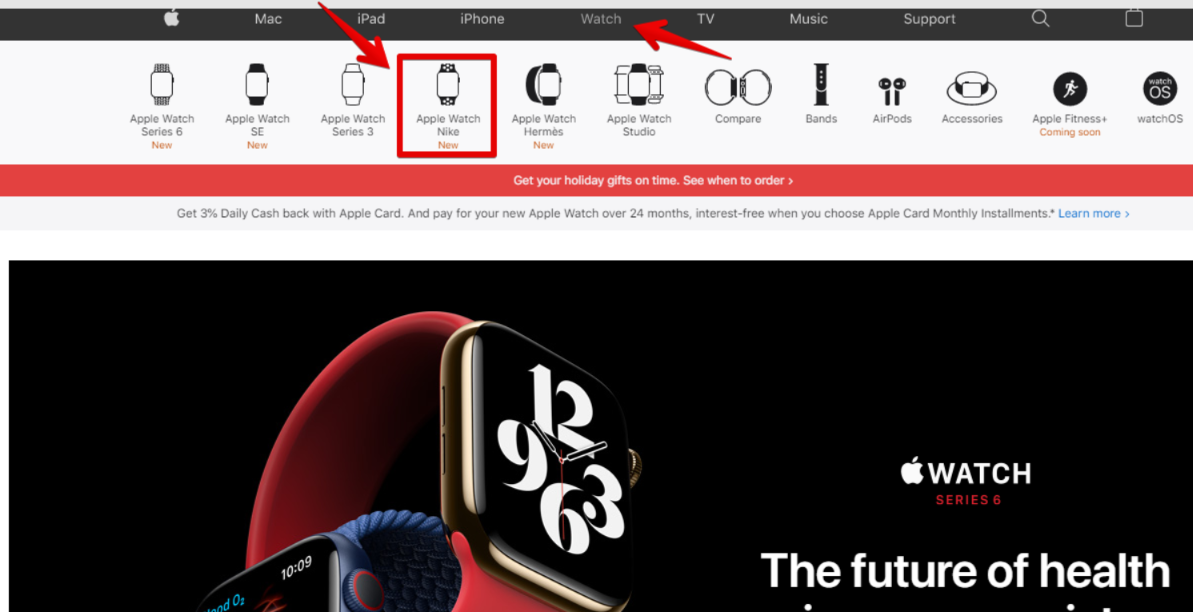
You might be familiar with this cross-promotion example from Apple and Nike. The two companies collaborated and managed to create the Apple Watch Nike, appealing to the consumers of both parties.
The partner companies claim that this watch, along with the Nike Run Club app, will be an excellent fit for runners. This is a perfect example of what I highlighted before: Cross-promoting works better with companies with related audiences.
Adidas and IVY Park
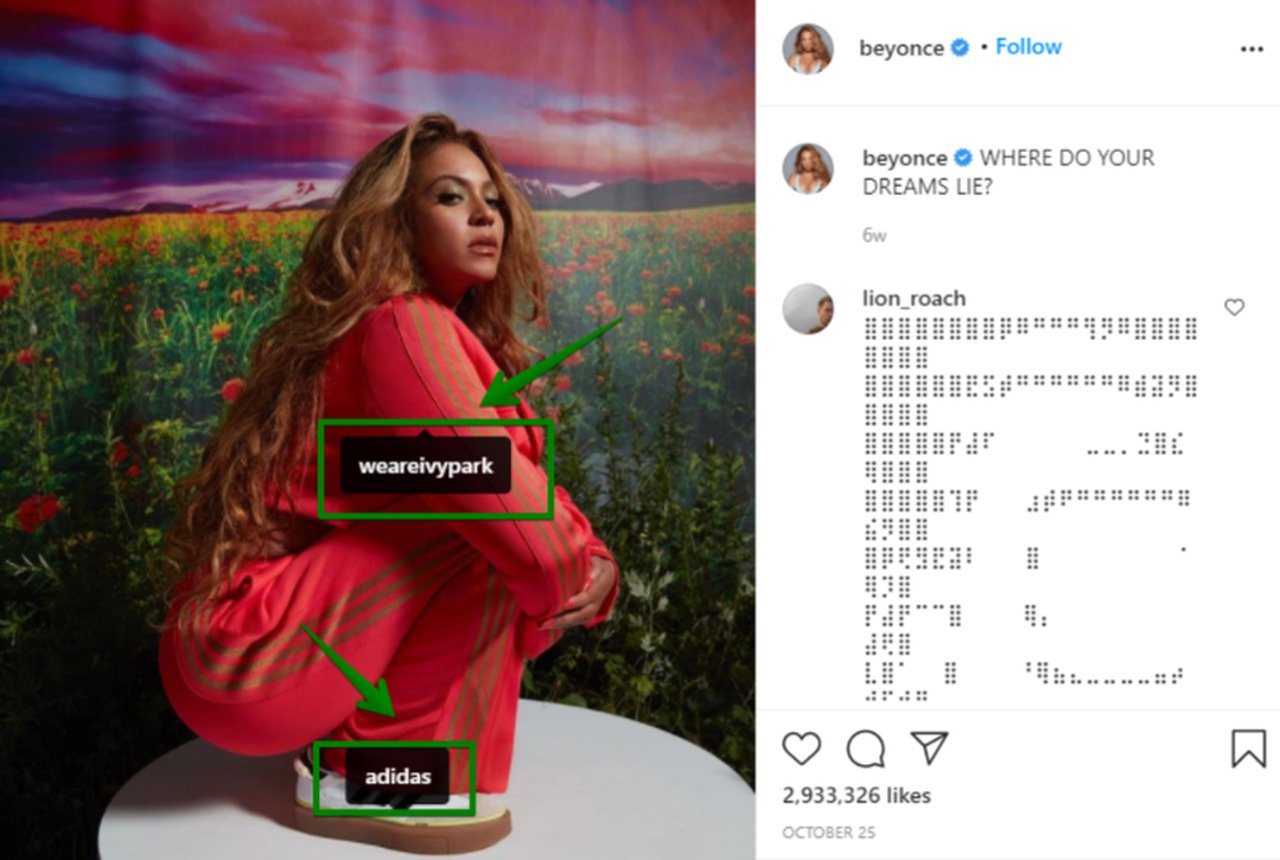
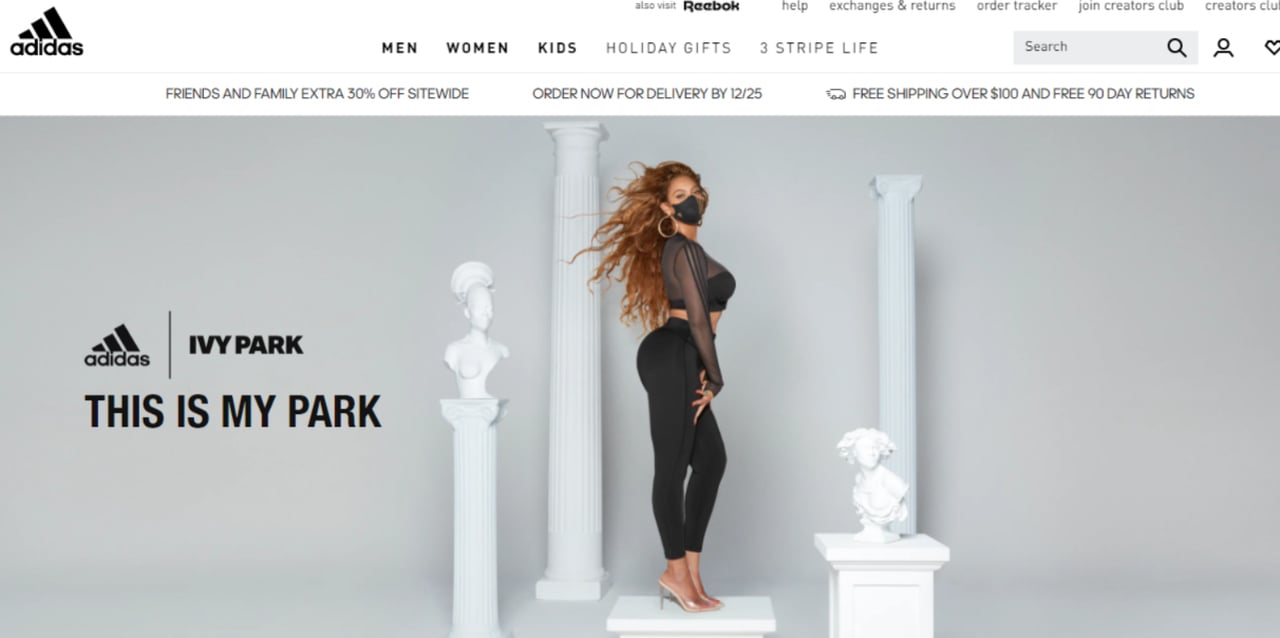
Another successful cross-promotion example was when Adidas partnered up with IVY Park to promote each other. This partnership drove excellent results. The brands are complementary since Adidas focuses on selling sneakers and IVY Park on selling clothes.
Beyonce, as IVY Park’s brand ambassador and influencer, establishes brand awareness on her social media accounts. Here’s an example:
On the other side of the partnership, Adidas promoted IVY Park on their website.
Takeaways
When done right, cross-promoting can benefit partner companies in many ways, including;
- Audience growth
- Increased sales
- Lower advertising costs
- Increased brand awareness
However, it’s crucial to choose the right partner. Select a reliable company that is not in competition with you. Keep in mind that the most successful partnerships occur when services or products are complementary.
That’s it. I hope you found this article inspiring. What is your favorite business partnership example? Share with us in the comments below.
Check out these blog posts:
How would you rate your experience with this article? 😊