
How to Get More YouTube Subscribers in 2026


 ChatGPT
 Perplexity
 Claude
 Grok
Grok Google AI Mode
Tips to reach your first 100 YouTube subscribers: pick a clear niche, optimize channel basics (trailer, About, tagline), use keywords/titles/thumbnails/playlists, post consistently, add watermarks/end screens, engage via CTAs/comments, promote on your site/blog, and track analytics.
Table of contents (17)
Growing a YouTube channel from zero feels slow, but the right strategies cut that timeline dramatically. These 8 tactics on getting more YouTube subscribers cover everything from niche selection and channel optimization to cross-platform promotion and analytics-driven iteration. Each strategy includes concrete steps you can start today, whether you're targeting your first 100 subscribers or pushing toward 1,000.
As of February 2026, YouTube has 2.7 billion active users worldwide. With over 122 million daily visitors watching more than a billion hours of video every day, the audience is there. The challenge isn't finding viewers. It's convincing them to hit subscribe. Here's how to do that, strategy by strategy.
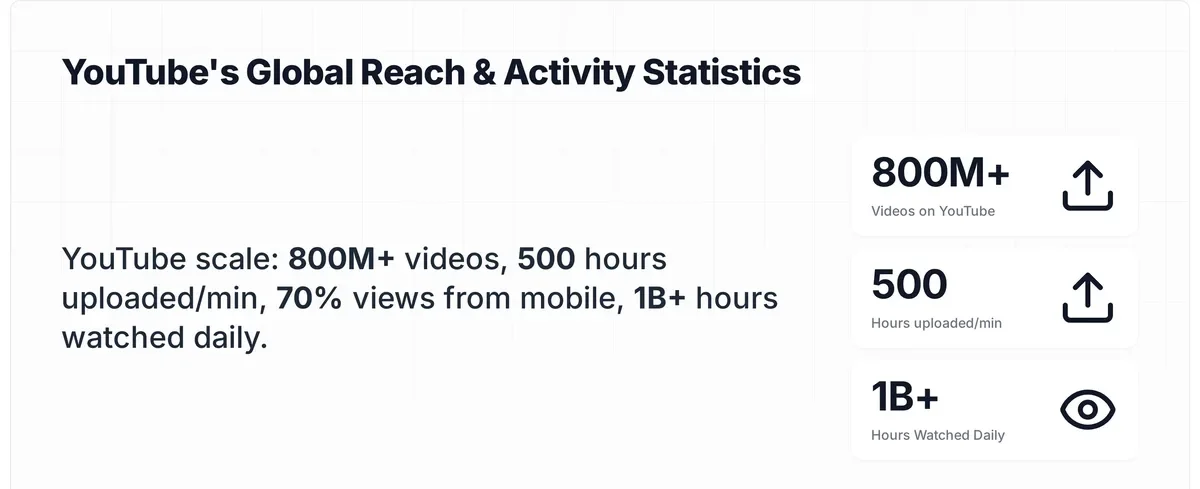
YouTube growth statistics at a glance
Quick summary of the 8 strategies:
1. Find Your Niche: Pick a focused topic that balances passion and search demand to attract the right subscribers
2. Create a Channel Trailer: Convert first-time visitors into subscribers with a sub-60-second pitch video
3. Write a Compelling "About" Section: Optimize your channel description for YouTube search and subscriber conversions
4. Promote Your Channel on Your Website: Drive existing site traffic to your YouTube channel using video popups and embeds
5. Optimize Video Titles and Thumbnails: Increase click-through rates with keyword-rich titles and scroll-stopping visuals
6. Collaborate with Other Creators: Tap into established audiences through guest appearances and co-created content
7. Engage with Your Audience: Build community loyalty through consistent comment replies and calls to action
8. Analyze and Iterate with YouTube Analytics: Use retention data and subscriber source reports to double down on what works
1. Find Your Niche and Build a Subscriber Magnet with Focused Content
Niche selection is the single most impactful decision you'll make as a new YouTube creator. Instead of casting a wide net with random topics, you pick one specific area and go deep. YouTube's algorithm rewards channels that demonstrate topical authority, and viewers subscribe when they know exactly what they'll get next.
The difference between a niche channel and a general one? Subscribers. A channel about "cooking" competes with millions. A channel about "15-minute vegan meal prep for college students" speaks directly to a hungry audience that nobody else serves.
How to implement:
1. Open Google Trends and compare 3-5 topic ideas in your interest area. Look for steady or rising demand, not seasonal spikes that disappear
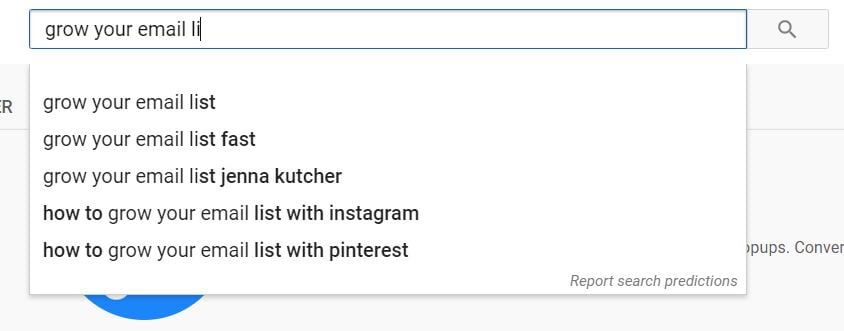
2. Type your topic into YouTube's search bar and study the autocomplete suggestions. These are real queries people search for. "Yoga for beginners" might reveal "yoga for stress relief" or "yoga for back pain" as sub-niches with less competition
3. Check the top 10 results for your niche keyword. If the top channels have under 50K subscribers, that's a winnable space. If every result has 500K+, narrow further
4. Plan 10 video topics before filming anything. If you can't list 10 ideas easily, the niche may be too narrow. If you list 50, it might be too broad
One Reddit creator grew a channel from zero to over 90,000 subscribers in three months by focusing on a tight niche and ensuring YouTube's algorithm could identify the right audience for each video. The key takeaway: once YouTube sees consistent CTR and watch time from a relevant audience, the recommendation engine compounds your growth. For most channels, expect 2-4 months of consistent posting before subscriber growth accelerates.
2. Create a Channel Trailer and Turn Visitors into Subscribers in Seconds
A channel trailer is a short video that auto-plays for non-subscribers when they land on your channel page. Think of it as your elevator pitch. Visitors who arrive from search or recommendations often check your channel page before subscribing, and the trailer is your one shot at converting that curiosity into a subscription.
Unlike regular uploads, trailers don't need to be long or production-heavy. They need to answer one question fast: "What will I get if I subscribe?"
How to implement:
1. Keep it under 60 seconds. Most viewers decide within the first 15 seconds, so front-load your value proposition
2. Open with your channel tagline or a bold statement about what you cover. "I break down B2B marketing strategies that actually work" is better than "Hey, welcome to my channel"
3. Show clips from your 3-5 best-performing videos. Social proof matters. If viewers see content that already has traction, they're more likely to subscribe
4. End with a direct call to action: "Subscribe for new videos every Tuesday." Specific beats vague
5. Upload the trailer and set it as your channel trailer in YouTube Studio under Customization > Layout
According to TubeBuddy's research on subscriber growth, channels with optimized trailers and channel pages convert casual visitors at 2-3x the rate of channels without them. If you're getting channel page visits but not subscriptions, a missing or weak trailer is likely the bottleneck. Most creators can film and edit a solid trailer in a single afternoon.
3. Write a Compelling "About" Section to Rank Your Channel in YouTube Search
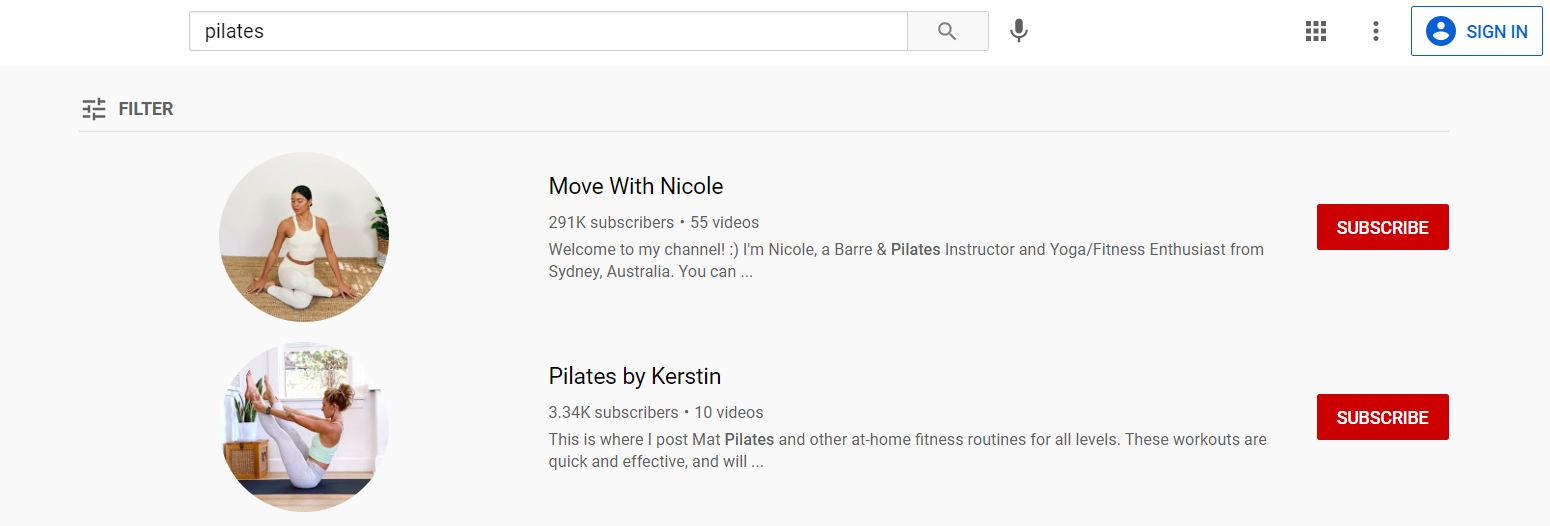
Your channel's "About" section does double duty: it tells visitors what your channel covers, and it helps YouTube's search algorithm understand where to rank you. When someone searches for a topic keyword like "pilates" on YouTube, channels with that word in their description show up in channel-level results.
Most creators either skip this section entirely or write a generic sentence. That's a missed opportunity for both video SEO and subscriber conversion.
How to apply this strategy:
1. Write 150-300 words. The first 48 characters show in search results, so lead with your primary keyword and value proposition
2. Include 3-5 keywords naturally: your niche topic, content format ("tutorials," "reviews," "case studies"), and your upload schedule
3. Add a clear call to action asking viewers to subscribe. "Subscribe for weekly B2B marketing breakdowns" is direct and sets expectations
4. Include your upload schedule (e.g., "New videos every Monday and Thursday"). Consistency signals reliability
5. Add links below the fold: your website, social profiles, and any lead magnets or free resources
Channels that include relevant keywords in their About section rank higher in YouTube's channel search results. I've seen SaaS companies double their channel discovery by simply rewriting a 50-word About section into a 200-word keyword-optimized description. The fix takes 20 minutes and compounds over time as YouTube indexes your channel for more queries.
4. Promote Your Channel on Your Website and Convert Site Visitors into YouTube Subscribers
If your website already gets traffic, you're sitting on an untapped subscriber source. Website visitors who read your blog or browse your product pages are already interested in your topic. Sending them to your YouTube channel is one of the fastest ways to grow your subscriber count, and it doesn't cost a dime.
There are two main approaches: embedding videos directly in blog posts, and using video popups that promote your channel or specific videos.
How to implement:
1. Embed your most relevant YouTube video in every blog post that covers a related topic. Use YouTube's native embed code (click Share > Embed on any video). Embedded videos increase time on page and drive views simultaneously
2. Add a video popup to your highest-traffic pages. Video popups display a YouTube video in a lightbox overlay, triggered by scroll depth or exit intent. Popup builder tools like Popupsmart let you create these in under 5 minutes
3. Place a subscribe button or channel widget in your blog sidebar or footer. Keep it visible but non-intrusive
4. Add your YouTube channel link to your email signature, newsletter footer, and thank-you pages
Content that includes embedded videos tends to rank higher in Google search results and keeps users on your site longer. For B2B companies, we've found that blog posts with embedded YouTube videos generate 3-5x more YouTube subscribers per month than posts without them. If you're already investing in video content marketing, embedding those videos on your site is the lowest-effort way to increase youtube subscribers. According to recent video marketing data, YouTube is the most-used video marketing platform at 90% adoption among marketers.
5. Optimize Video Titles and Thumbnails to Get More Clicks from Search and Browse
Your title and thumbnail are the only things a potential viewer sees before deciding whether to click. You could have the best video on YouTube, but if the title is boring and the thumbnail is cluttered, nobody watches it. Optimizing these two elements is the fastest way to increase your click-through rate, which directly feeds YouTube's recommendation algorithm.
A good rule of thumb: aim for a 4-6% CTR to get solid views. Below 4%, YouTube won't push your content to new audiences.
How to implement for titles:
1. Put your primary keyword in the first 45 characters. YouTube truncates longer titles in search results, so front-load the important words
2. Use a number when possible: "7 Ways to..." or "5 Mistakes That..." outperform generic titles in CTR
3. Add a curiosity hook or benefit: "...That Actually Work" or "...in 2026" signals freshness and relevance
4. Capitalize the first letter of each major word. Avoid ALL CAPS titles, which look spammy
How to implement for thumbnails:
1. Use 1280 x 720 pixels (16:9 ratio). This is YouTube's recommended size and scales correctly across all devices
2. Limit text to 3-5 words maximum. The text should complement the title, not repeat it
3. Use contrasting colors that pop against YouTube's white background. Blue/orange and yellow/purple combinations stand out in feeds
4. Include a face with a clear expression when relevant. Thumbnails with faces get higher CTRs across most niches. Tools like Canva offer free YouTube thumbnail templates that follow these principles
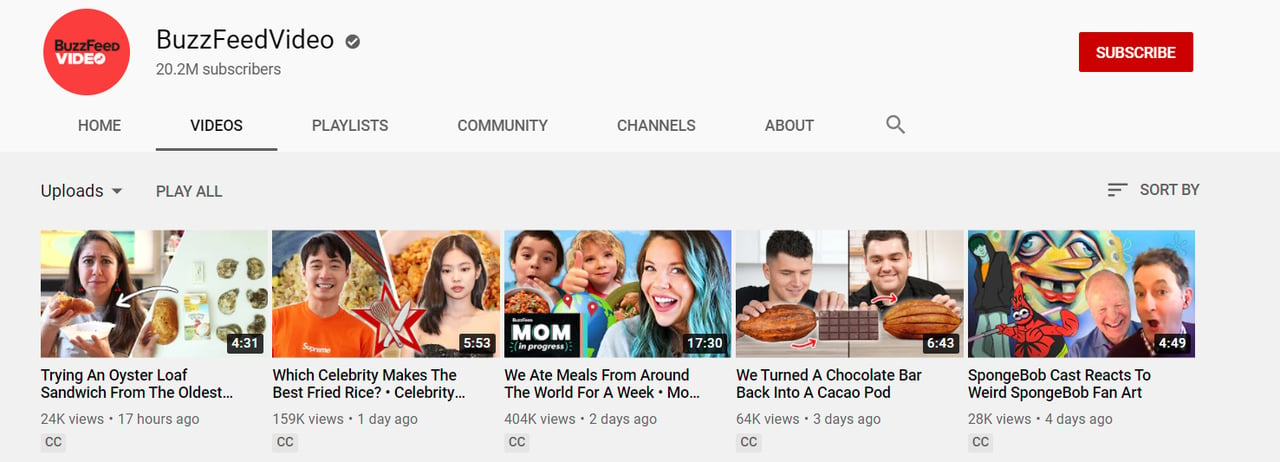
The data backs this up: the more YouTube pushes your video to broader audiences, the lower your CTR naturally drops. But starting with a strong CTR in the first 48 hours tells the algorithm your content deserves wider distribution. Channels that systematically A/B test thumbnails (YouTube now offers built-in thumbnail testing) typically see 15-30% CTR improvements within the first month.
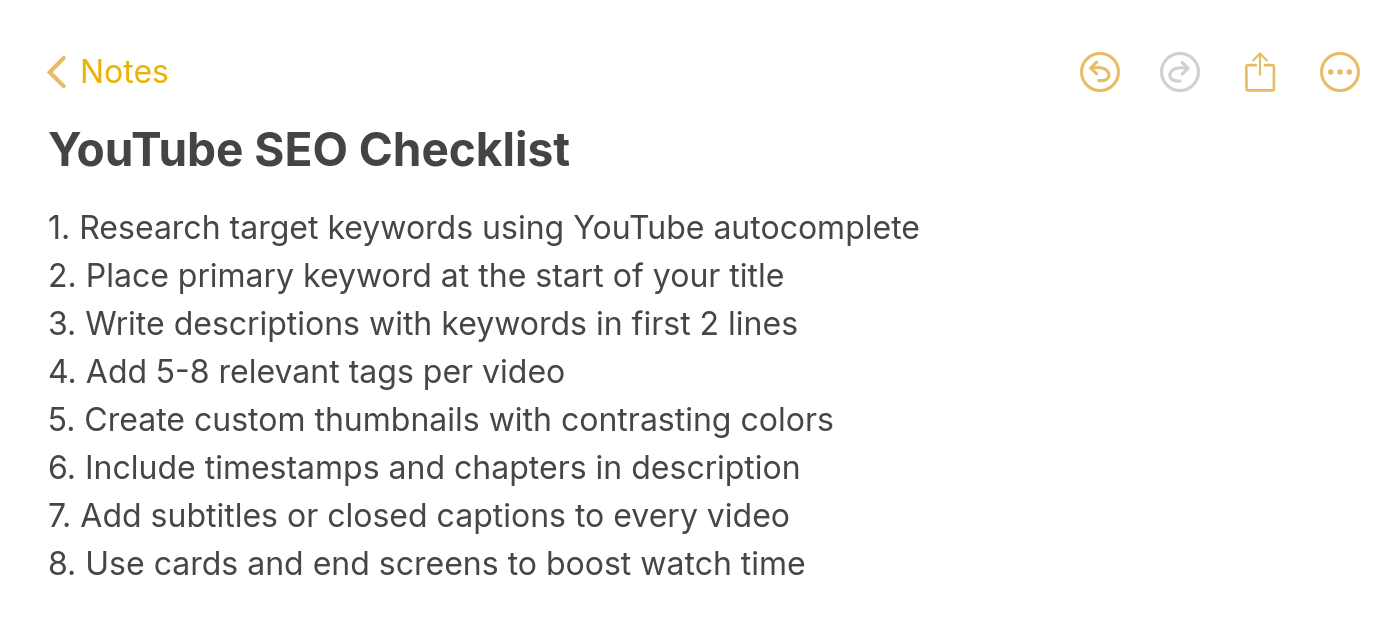
YouTube SEO checklist
6. Collaborate with Other Creators and Borrow Audiences to Build Your Own
Collaborations put your face and content in front of an audience that already watches YouTube regularly and subscribes to channels in your niche. When you appear on another creator's video (or they appear on yours), their viewers are pre-qualified. They already consume content like yours. They just haven't found you yet.
This isn't limited to mega-creators. Micro-collaborations between channels of similar size often produce the best subscriber-to-subscriber conversion rates because the audiences overlap without being identical.
How to implement:
1. Identify 10-15 channels in your niche with a subscriber count within 2x of yours (above or below). Don't pitch channels 100x your size; the value exchange won't work
2. Watch their recent videos and leave genuine, thoughtful comments for 2-3 weeks before reaching out. Build familiarity first
3. Send a short collaboration pitch via email or social DM. Propose a specific idea, not a vague "let's collab." Example: "I'd love to do a joint video comparing our approaches to X. I'll handle editing and we both publish on our channels"
4. Start with low-commitment formats: guest appearances, shoutouts, or community post cross-promotions before proposing full co-produced videos
5. Always link to each other's channels in descriptions and pin a comment directing viewers to the collaborator's channel
A Reddit creator who achieved monetization in just 4 months credits strategic collaborations as a primary growth driver, building a community of 6,467 subscribers and over 400K channel views. For channels under 1,000 subscribers, collaborations typically yield 20-50 new subscribers per joint video. The impact compounds: each collaboration introduces you to a new network of potential collaborators, so start early.
7. Engage with Your Audience and Turn One-Time Viewers into Loyal Subscribers
Audience engagement is the most underrated youtube subscriber growth strategy. YouTube's own data shows a direct correlation between replying to comments and gaining subscribers. It works because most creators never reply, so when you do, viewers feel seen. That emotional connection converts a casual viewer into a subscriber far more reliably than any algorithm hack.
Engagement isn't just comments, though. It includes calls to action within your videos, community posts, and how you respond to feedback.
How to implement:
1. Reply to every comment in the first 24-48 hours after upload. This is when YouTube's algorithm weighs engagement signals most heavily. A video with 50 comments (including your replies) signals more activity than one with 25
2. Ask a specific question at the end of each video: "What's your biggest struggle with X? Drop it in the comments." Generic "leave a comment below" gets 3x fewer responses than targeted questions
3. Heart or pin the best comments. Pinned comments show up at the top and encourage others to write thoughtful responses
4. Use YouTube's Community tab to post polls, behind-the-scenes updates, and subscriber milestones. Community posts keep your channel active between uploads
5. Add an end screen with a subscribe button and a "next video" link. People who watch to the end are your highest-intent potential subscribers. Use YouTube's End Screen editor to add these in under 2 minutes

According to Posteverywhere's analysis, YouTube Shorts reach 74% non-subscribers, making them a powerful tool for audience discovery. Combine Shorts with consistent comment engagement, and you create two subscriber acquisition channels that feed each other. Channels that maintain active engagement typically see subscriber retention rates 30-40% higher than channels that post and disappear.
8. Analyze and Iterate with YouTube Analytics
If you want to know how to get more youtube subscribers without guessing, analytics are the answer. YouTube gives every creator free access to detailed performance data, and the channels that grow fastest are the ones that actually use it. Your Audience Retention Graph alone tells you exactly where viewers lose interest, which intros work, and which topics hold attention.
Don't just check total views. The metrics that matter for subscriber growth are retention rate, CTR, and subscriber source.
How to implement:
1. Check your YouTube Analytics Audience Retention report weekly. If viewers consistently drop off in the first 30 seconds, your intros are too long. If they leave at the midpoint, the content isn't delivering on the title's promise
2. Open your Subscribers Report to see where new subscribers come from. YouTube breaks this into: Interactive features (watermarks, end screens), External (website embeds, social links), Your Channel (channel page subscribe button), YouTube Search, and Other Channels
3. Identify your top 3 subscriber sources and invest more in those channels. If "External" is high, embed more videos on your site. If "YouTube Search" dominates, double down on keyword optimization
4. Compare your CTR and retention against YouTube's 2026 benchmarks. At least 69,000 channels now have over 1 million subscribers, so the bar is high but the playbook is proven
5. Run monthly "content audits": list your last 10 videos by subscriber conversion rate (subscribers gained / views). Kill formats that don't convert. Scale formats that do
According to Posteverywhere, consistent channels grow 67% faster than those with irregular upload schedules. The average YouTube channel grows about 2.5% per month in subscribers. If you're below that benchmark, your analytics will show you exactly where the bottleneck is. Most creators who commit to weekly analytics reviews and content adjustments see measurable subscriber growth within 60-90 days.
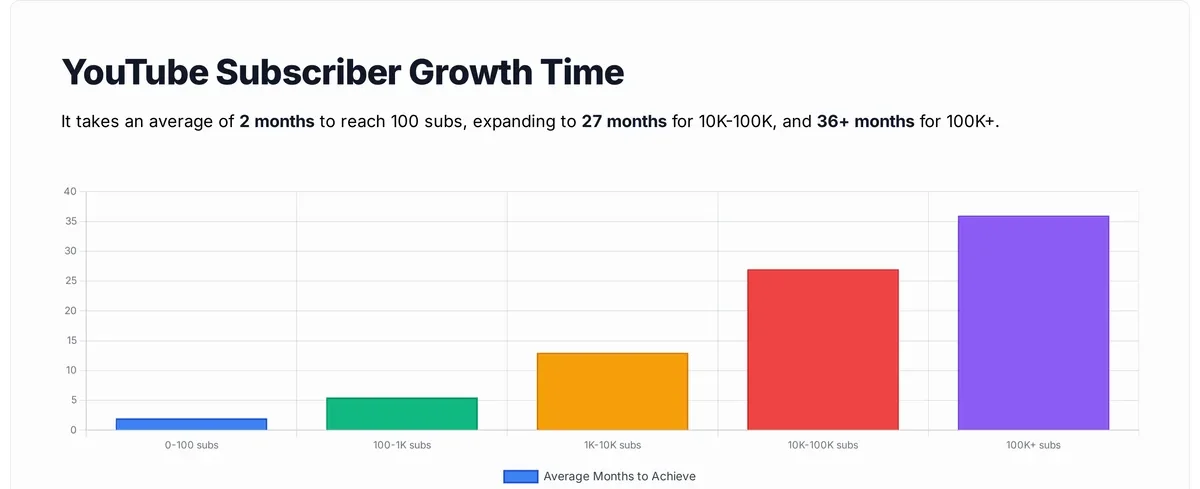
Typical subscriber growth milestones timeline
How to Prioritize These 8 YouTube Subscriber Growth Strategies
Not every strategy requires the same investment. Use this table to decide where to begin based on your current situation.
| Priority | Strategy | Effort | Impact | Best For |
|---|---|---|---|---|
| 1 | Find Your Niche | Low | High | Brand-new channels with no uploads yet |
| 2 | Optimize Titles and Thumbnails | Low | High | Channels with views but low subscriber conversion |
| 3 | Write a Compelling About Section | Low | Medium | Any channel missing a proper description |
| 4 | Engage with Your Audience | Medium | High | Channels with active comments but low retention |
| 5 | Create a Channel Trailer | Medium | Medium | Channels getting channel page visits without conversions |
| 6 | Promote on Your Website | Medium | High | Businesses and creators with existing website traffic |
| 7 | Analyze with YouTube Analytics | Medium | High | Channels with 20+ videos seeking data-driven optimization |
| 8 | Collaborate with Other Creators | High | High | Channels with 100+ subscribers ready for cross-promotion |
If you're starting from zero, begin with strategies 1-3. They take a single afternoon and set the foundation for everything else. Once you have 10+ videos published, add strategies 4, 5, and 7 to optimize what you already have. Collaborations (strategy 8) work best after you've built enough content to prove your value to potential partners.
Start Growing Your YouTube Channel Today
The 8 strategies above follow a progression: set your foundation (niche, trailer, About section), then amplify (website promotion, title/thumbnail optimization), then compound (collaborations, engagement, analytics). You don't need to do all 8 at once.
Pick the top 3 from the prioritization table that match your current stage. If you're a business with existing website traffic, strategy 4 (promote on your website) is your fastest path to how to get more youtube subscribers. You can use popups to grow your social subscribers from the traffic you already have.
Here's what matters most: consistency beats perfection. A channel that publishes decent videos every week will outperform a channel that publishes one perfect video every two months. The algorithm rewards persistence, and so do subscribers.
Ready to start driving YouTube subscribers from your website? Try Popupsmart free and create your first video popup in under 5 minutes.
Frequently Asked Questions
How do beginners get subscribers on YouTube?
The most reliable way for beginners to get more youtube subscribers is by picking a focused niche, optimizing their channel page (trailer, About section, banner), and publishing consistently. The first 100 subscribers come primarily from search and direct promotion, not from YouTube's recommendation algorithm. Focus on keyword-optimized titles, reply to every comment, and share your videos on platforms where your target audience already hangs out. Most channels reach 100 subscribers within 2-4 months of weekly uploads.
What is the 30-second rule on YouTube?
The 30-second rule refers to the critical opening window of any YouTube video. If viewers click away within the first 30 seconds, YouTube interprets this as a negative signal and reduces how often the video gets recommended. To pass this threshold, skip long intros and get to the promised value immediately. Tease what's coming, but deliver something useful in those first 30 seconds.
Is there any trick to increase subscribers on YouTube?
There's no single trick for how to get more youtube subscribers, but there is a compounding system. The highest-impact combination: niche-focused content + optimized titles/thumbnails for CTR + consistent upload schedule + active comment engagement. Each element reinforces the others. Good thumbnails drive clicks, good content drives retention, retention drives recommendations, and recommendations drive subscribers. Channels that follow this system consistently grow 67% faster than those posting irregularly, according to Posteverywhere.
Why is my YouTube channel not gaining subscribers?
The three most common reasons: no clear niche (viewers don't know what to expect from future uploads), weak thumbnails and titles (low CTR means the algorithm won't push your content), or inconsistent posting (YouTube deprioritizes inactive channels). Check your YouTube Analytics retention graph. If viewers leave in the first 30 seconds, fix your intros. If they leave at the midpoint, your content isn't matching the title's promise. For most struggling channels, the fix is narrowing focus rather than expanding it.
What are the best free ways to grow YouTube subscribers?
Every strategy in this guide is free. The highest-ROI free methods: optimize existing video titles and thumbnails (takes 10 minutes per video), write a keyword-rich channel description, embed your videos in blog posts to drive traffic from your website, and reply to every comment within 48 hours of upload. If you have a website, using video popups or embedded players costs nothing with free-tier tools and can drive 3-5x more subscribers per month than YouTube alone.
How can I optimize my YouTube channel for more subscribers?
Start with channel-level optimization: add a trailer, write a keyword-rich About section, organize videos into themed playlists, and add a cross-promotion strategy. Then optimize at the video level: front-load keywords in titles, design custom thumbnails, add end screens with subscribe buttons, and include a branding watermark. Channel optimization is a one-time effort that improves every future upload's conversion rate.
How would you rate your experience with this article? 😊