
6 Ways for How to Reduce PDF Size for Sending Email

 ChatGPT
 Perplexity
 Claude
 Grok
Grok Google AI Mode
Minimizing PDF size helps avoid email attachment limits, save storage and bandwidth, speed delivery, and make downloads easier for recipients. It suggests compressing via Popupsmart/Adobe, zipping, Word export, cloud links, or “Reduced File Size.”
The best way to send a PDF file via email is to reduce its size. Do you wonder how?
Large PDF files are the ones that are likely to be the most important based on their focus.
As for making PDF files smaller for email, you don’t need to worry because we have found the top six methods to manage.
By minimizing the size of PDF files, you will be able to send them easily via email.
Now, it is time to choose the best method for yourself and start reducing the size of the PDF for sending emails.
Why Is Minimizing PDF File Size Essential for Emails?
Because of many reasons.
The answer to this question does not depend on you, but there are different solutions that you can benefit from.
→ Firstly, the size limitations of email service providers…
To minimize the size of PDF files is needed because email service providers do not support too large files. By reducing PDF file size, you prevent bounces and delivery failures.
→ Secondly, the storage saving…
When you choose to send large files, you will create a storage problem since the large files will occupy more space than expected. If you make PDF files size smaller, they will take a smaller place.
→ Thirdly, the faster transmission…
Large files are the ones that are conveyed with effort because of their sizes. The smaller the files, the faster the process is.
→ Fourthly, the use of bandwidth…
If you have an internet connection and speed problem, you should consider smaller PDF files. That is how you can both manage your side and the recipient's side.
→ Lastly, the ease of recipient…
When the recipients take large-sized PDF files, they will experience a more difficult experience while trying to download them. Yet, the smaller files come with ease, so they can be reached more straightforwardly.
6 Methods for Making PDF Files Smaller for Email
These methods range from free tools to arranging your PDF files from your own sources.
Depending on the method you choose, you should apply it as the steps lead you.
Then, we believe that you will achieve to make your PDF files smaller as you like.
1. Reduce Your PDF File Size with Popupsmart for Free
It is our first fast and free-ious solution for you ;)
If you are looking for a free but effective solution, our first recommendation will be the free tools of Popupsmart.
Compress PDF is the right tool to reduce your PDF file size.
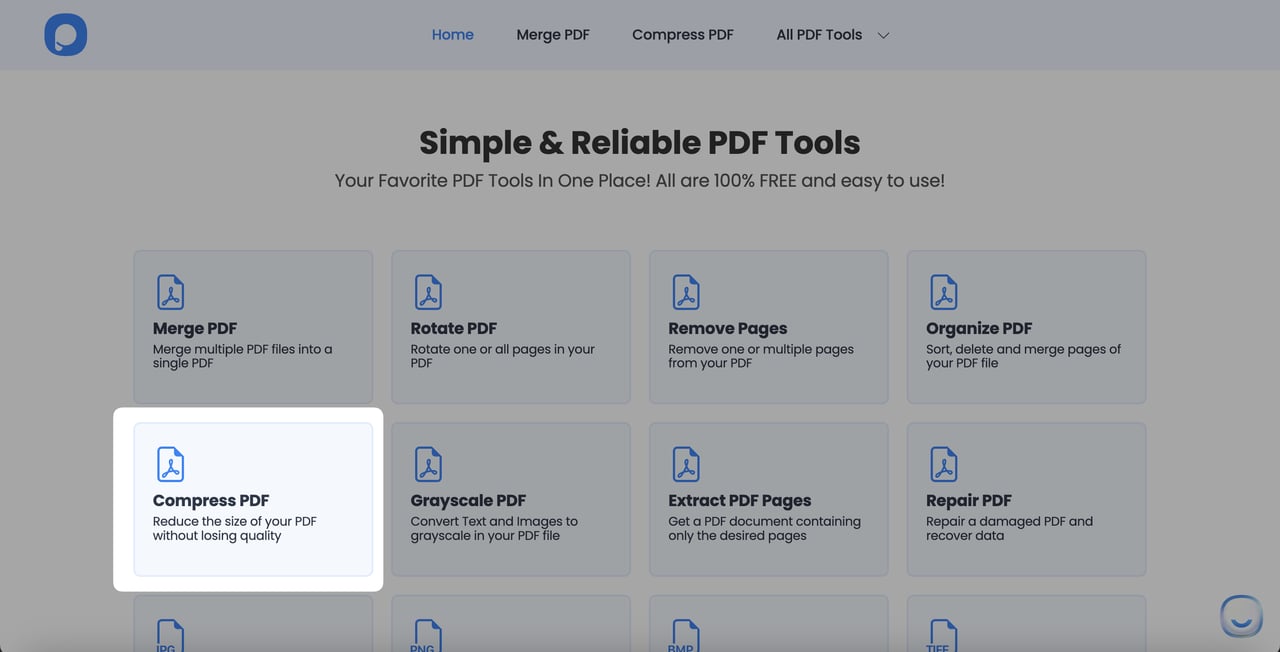
Step 1- Go to PDF Tools of Popupsmart. Then, choose Compress PDF.
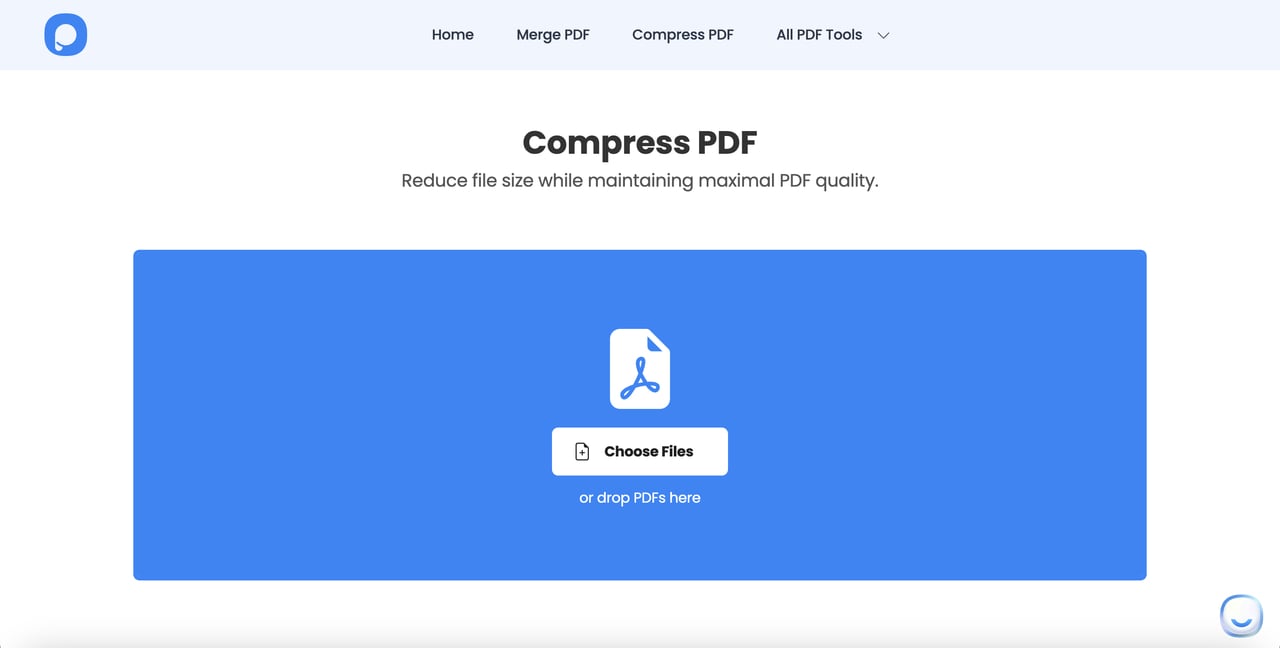
Step 2- Choose files by clicking on the related button or dragging and dropping the file to the related box.
Step 3- After choosing the target file, click on the “Select Compression Level” button.
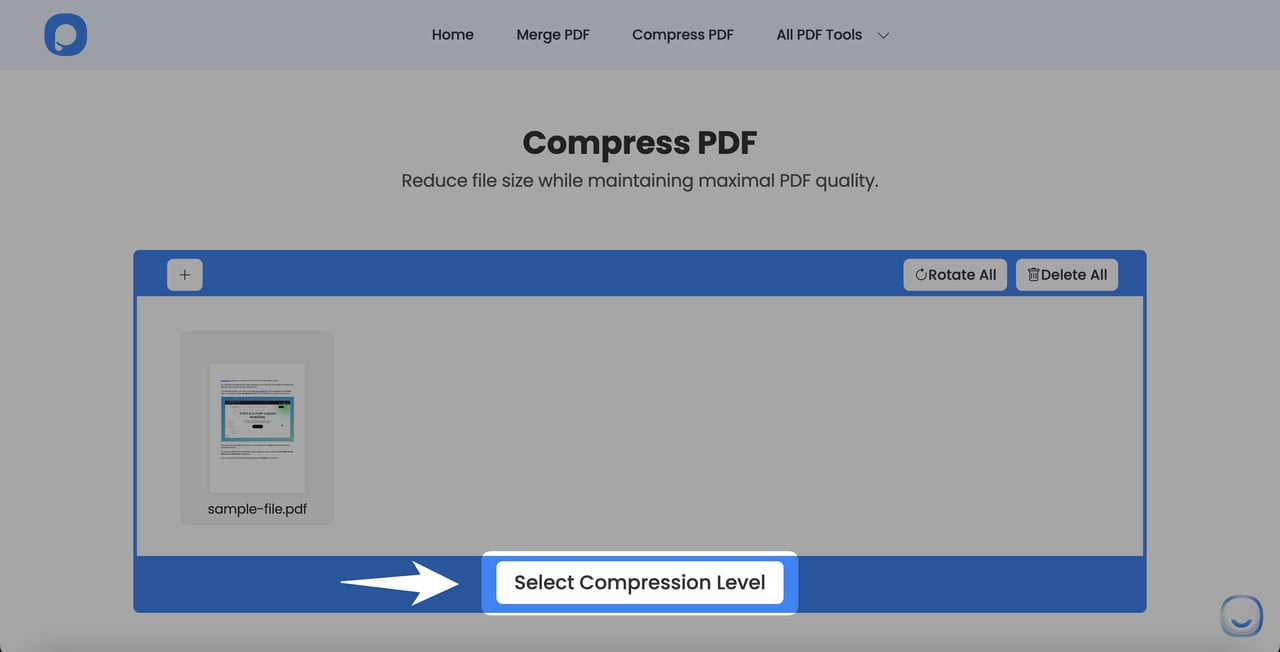
Step 4- Lastly, choose your compression level preference and “Compress File.”
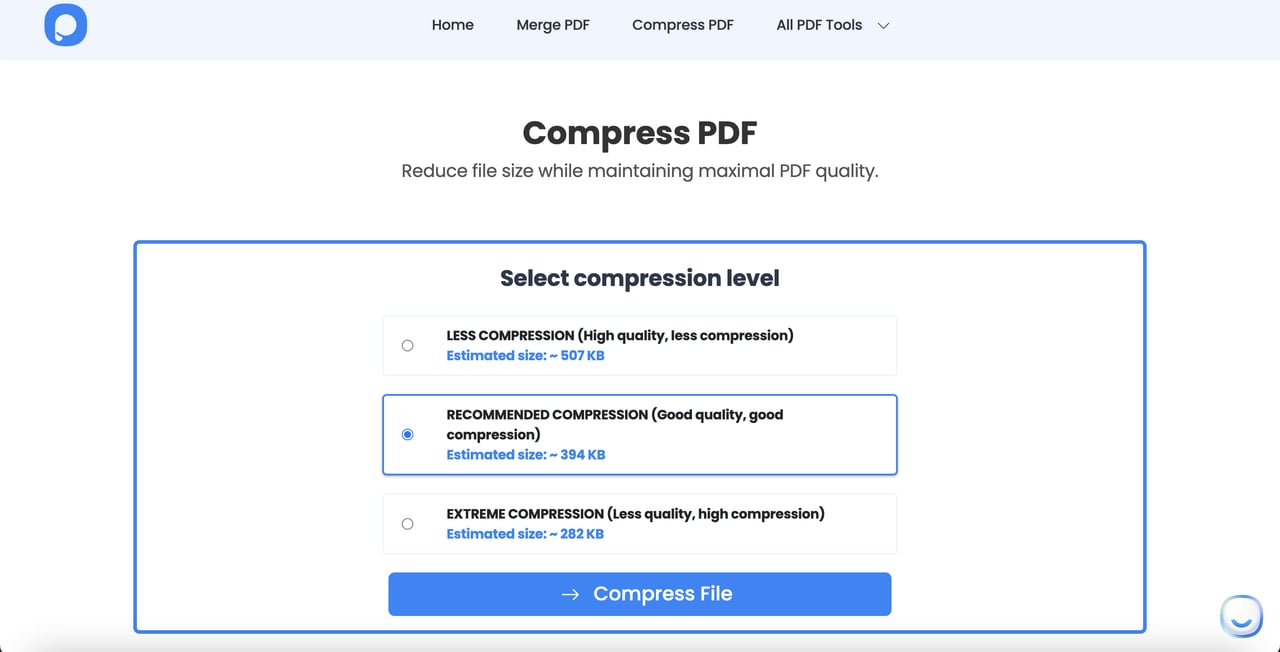
When you compress your file, the time will be displayed during the process.
Step 5- All done. When the process is complete, the compression status will be displayed.
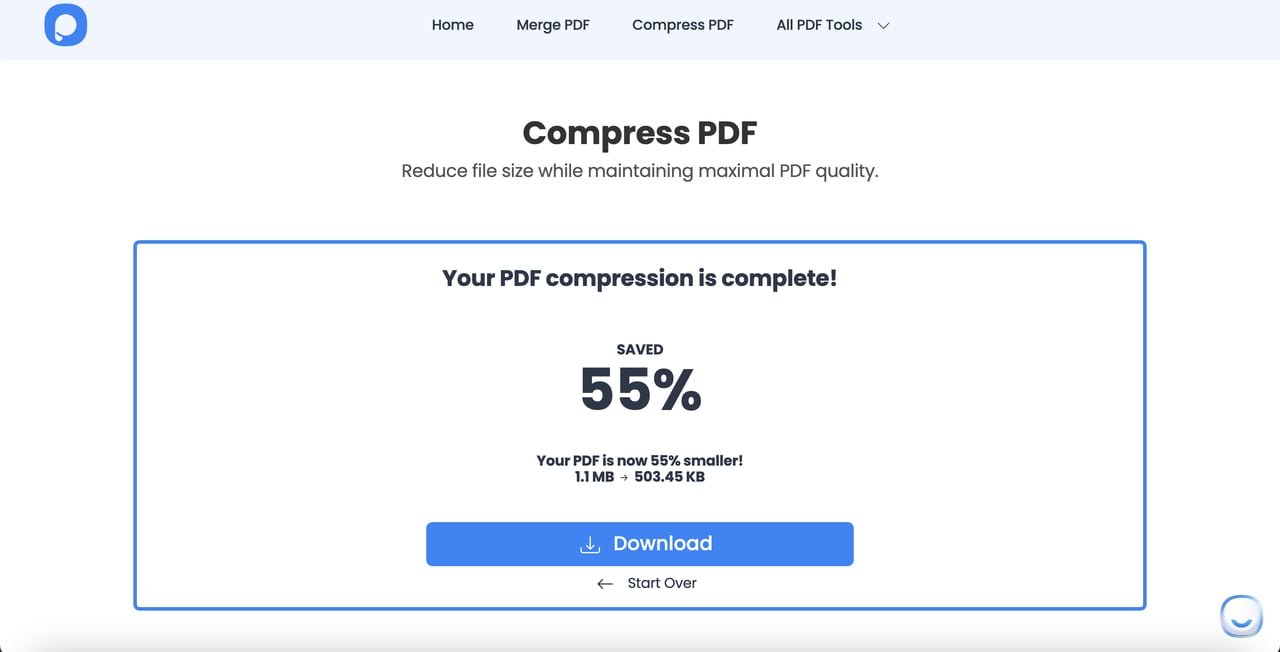
The rates of compression are shared with the percent of compression, the size, and the download button are located.
If you want to compress another PDF file, you can choose to start over by clicking the button.
2. Utilize Adobe Acrobat for Reducing the PDF File’s Size
Adobe’s PDF Compressor is another choice for reducing the size of PDF files.
For the process of making PDF files smaller with Adobe Acrobat’s free tool, you need some steps to complete.
Here is the process:
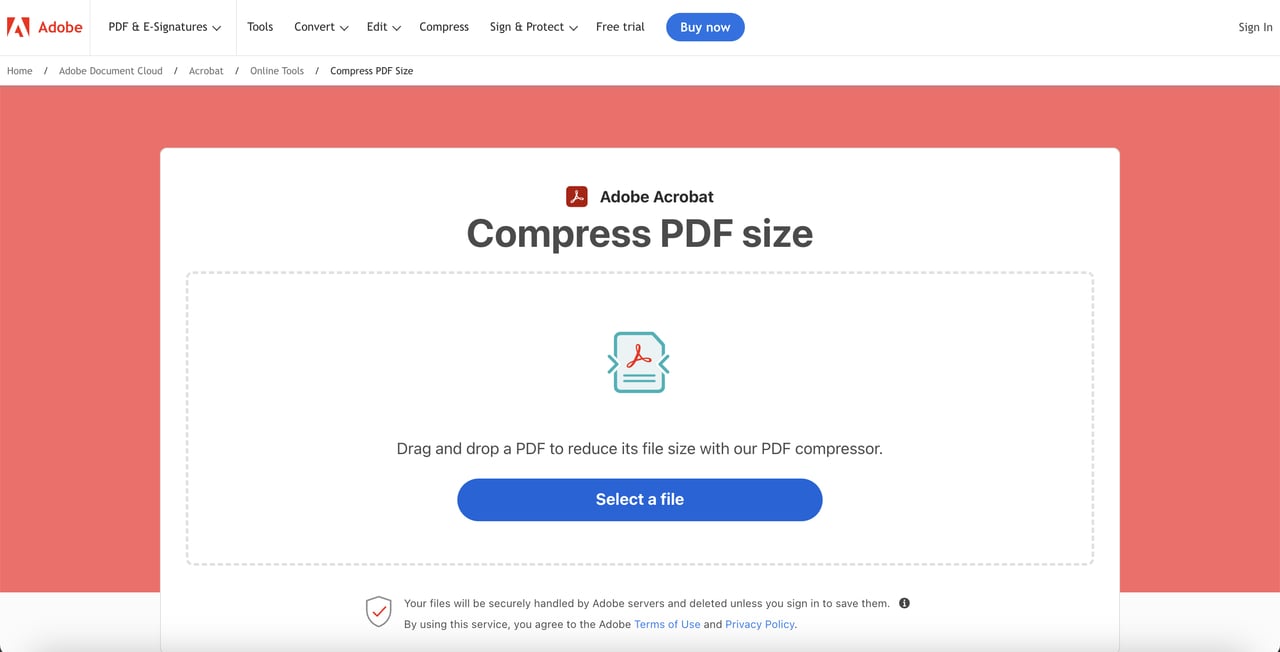
Step 1- Go to the Adobe Acrobat online tools page to find the “Compress PDF”.
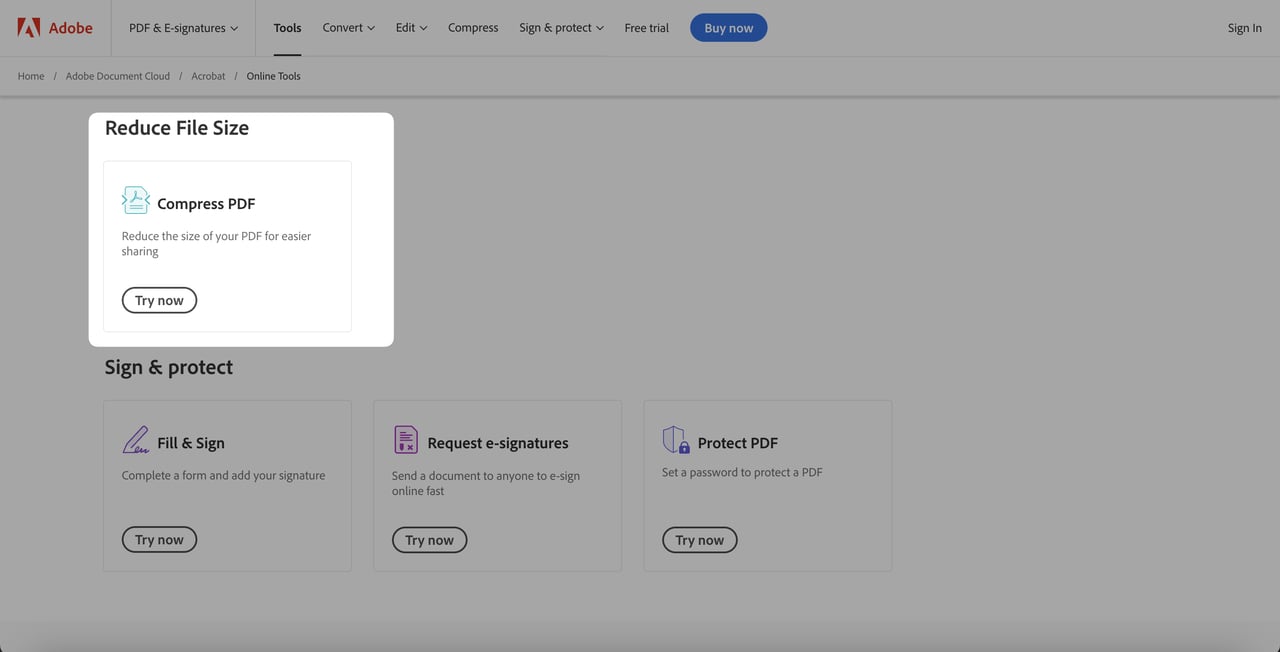
Step 2- When you see the related box to compress PDF, click “Select a file” or drag and drop the target PDF file.
Step 3- After waiting a little while for the loading of the file, you should select a compression level and click “Compress.”
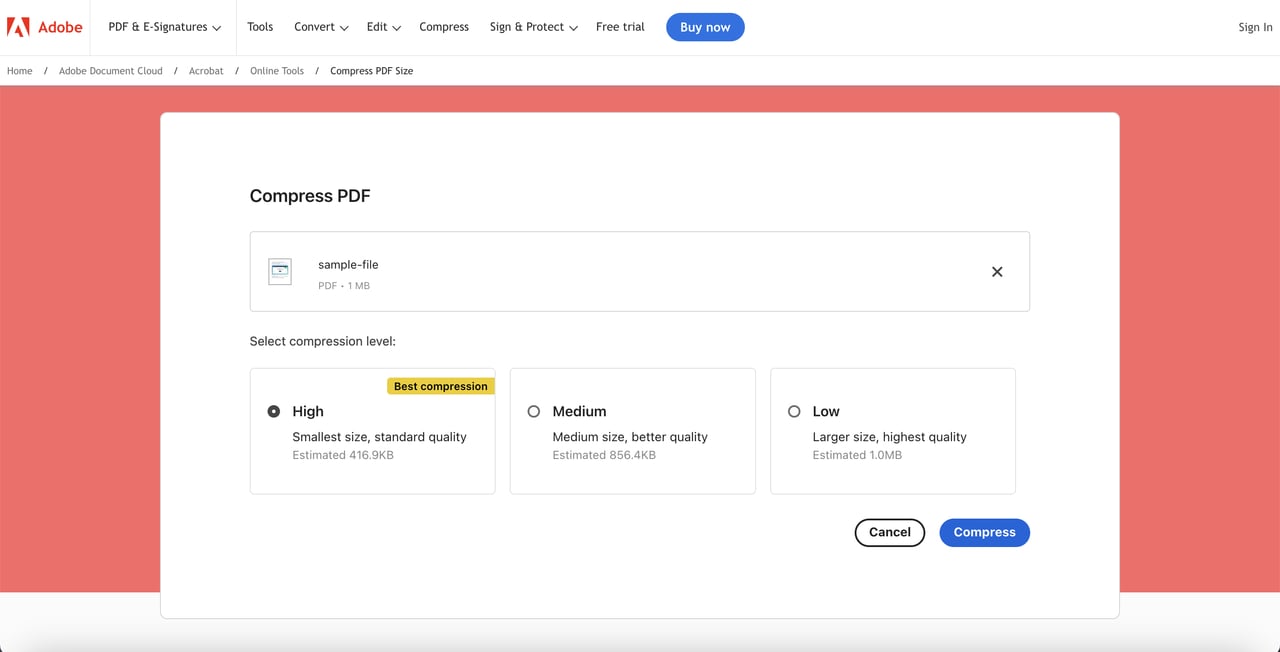
If you want to stop the process or give up compressing, you can choose “Cancel”.
Step 4- That’s it! You can download the compressed file or choose another action to move forward.
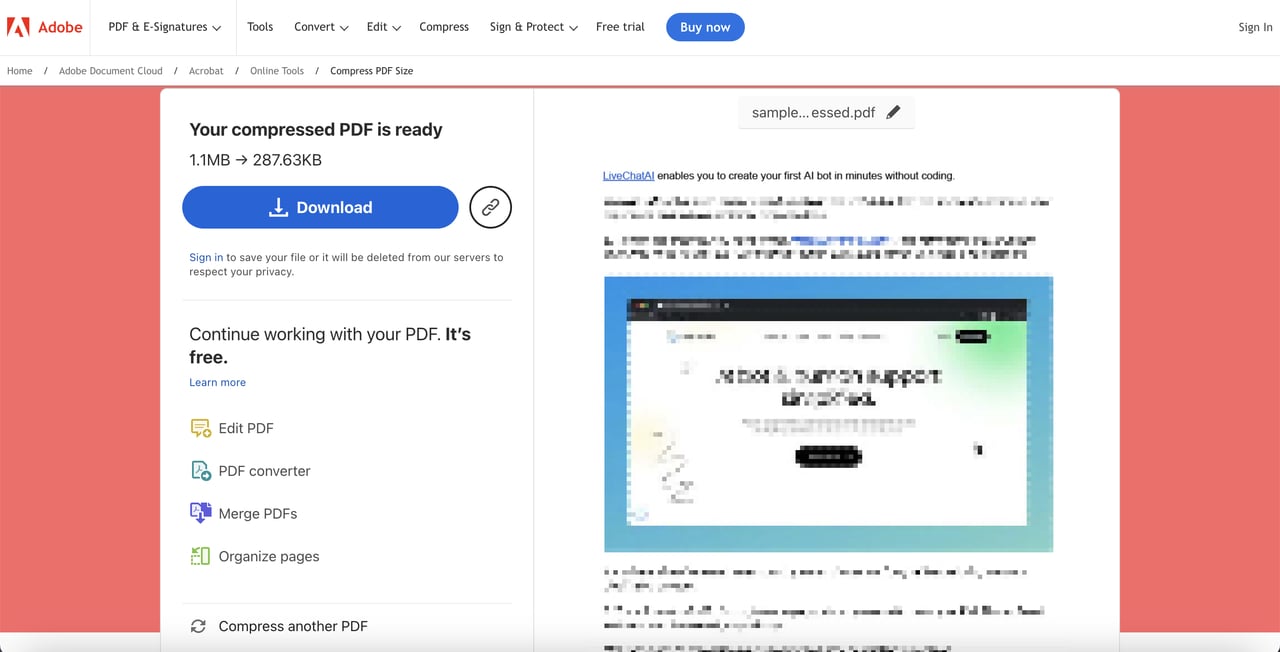
As a side note, if there are other applications, or another file to compress, you are also allowed to do that by clicking “Compress another PDF”.
3. Make PDF Files Zip to Send with an Email
We suppose that you are not so surprised to see this opportunity, but here we are.
You can count on making PDF files Zip to send with an email as a very logical and effective step to make the process continue.
To convert a PDF file to Zip format, you need to right-click on the target file and “Compress ….pdf”.
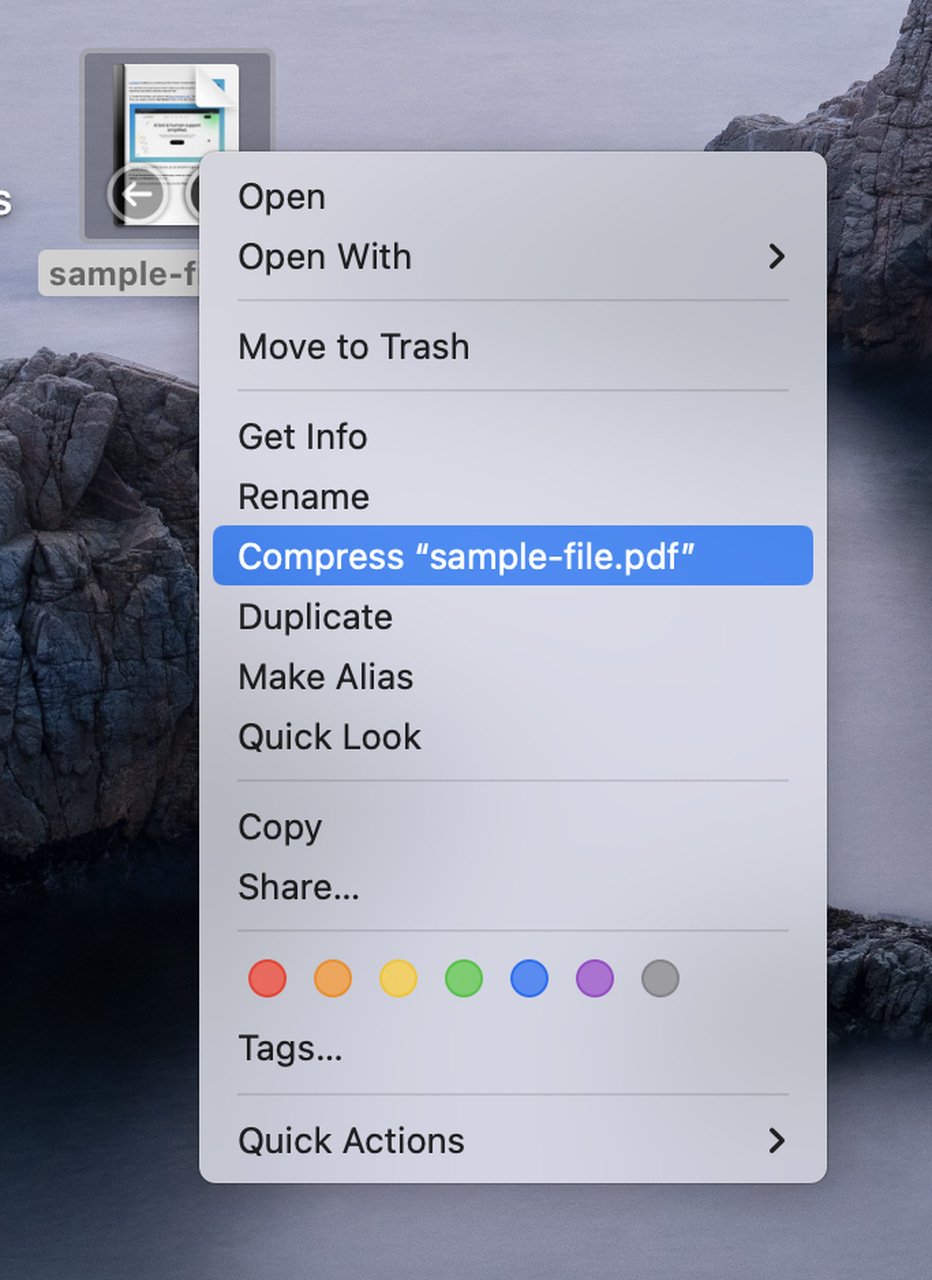
With a simple click on the compression option, there you go!
Here is your Zip file, as a compressed version of your PDF file is ready.
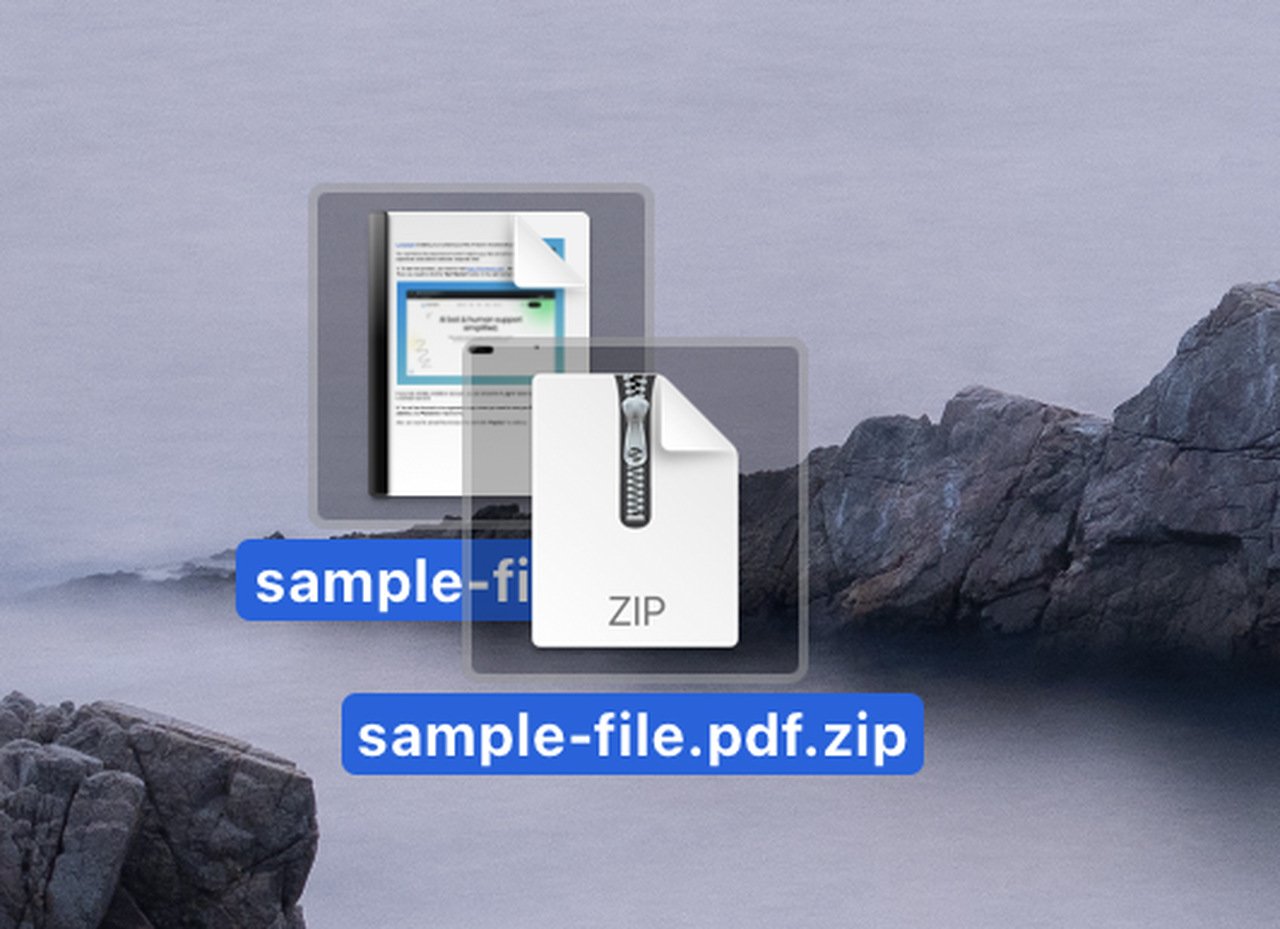
You can apply this format to any PDF file on your computer without the need for any additional tools.
4. Use Microsoft Word for Reducing the Size of a PDF File
Let’s start with a warning :) because this method is not for everyone, especially if you are not using Microsoft.
Since Word is a tool of Microsoft Windows, we are aware that this option cannot be applied on all devices. But there may be exceptions as well.
However, if you are using Microsoft Word, the steps are easy.
First, you need to convert your PDF file to a Word file, and you can use a free tool, like Convert PDF to Word.
Then, you should open it through your Word.
Click on the “Save As” button at the left top of the Word File.
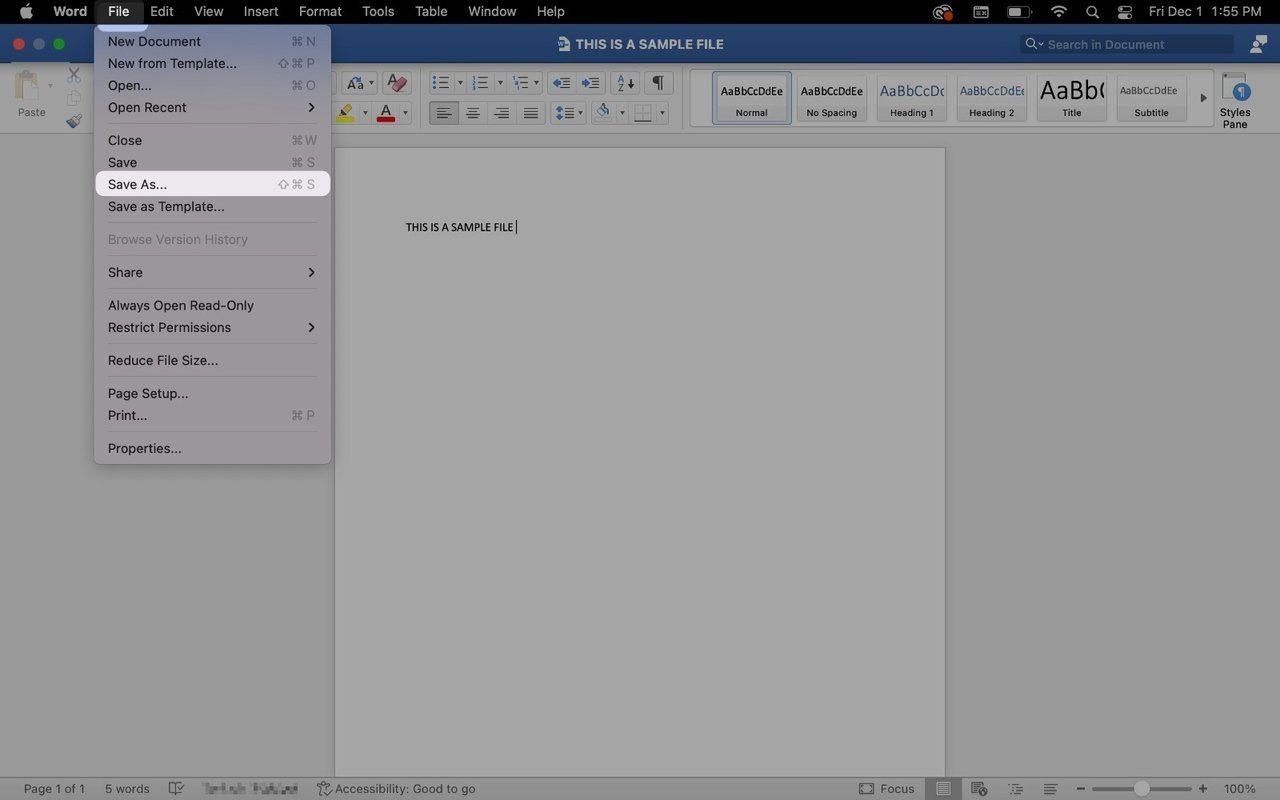
And choose “Best for electronic distribution and accessibility” to reduce the size of the PDF file.
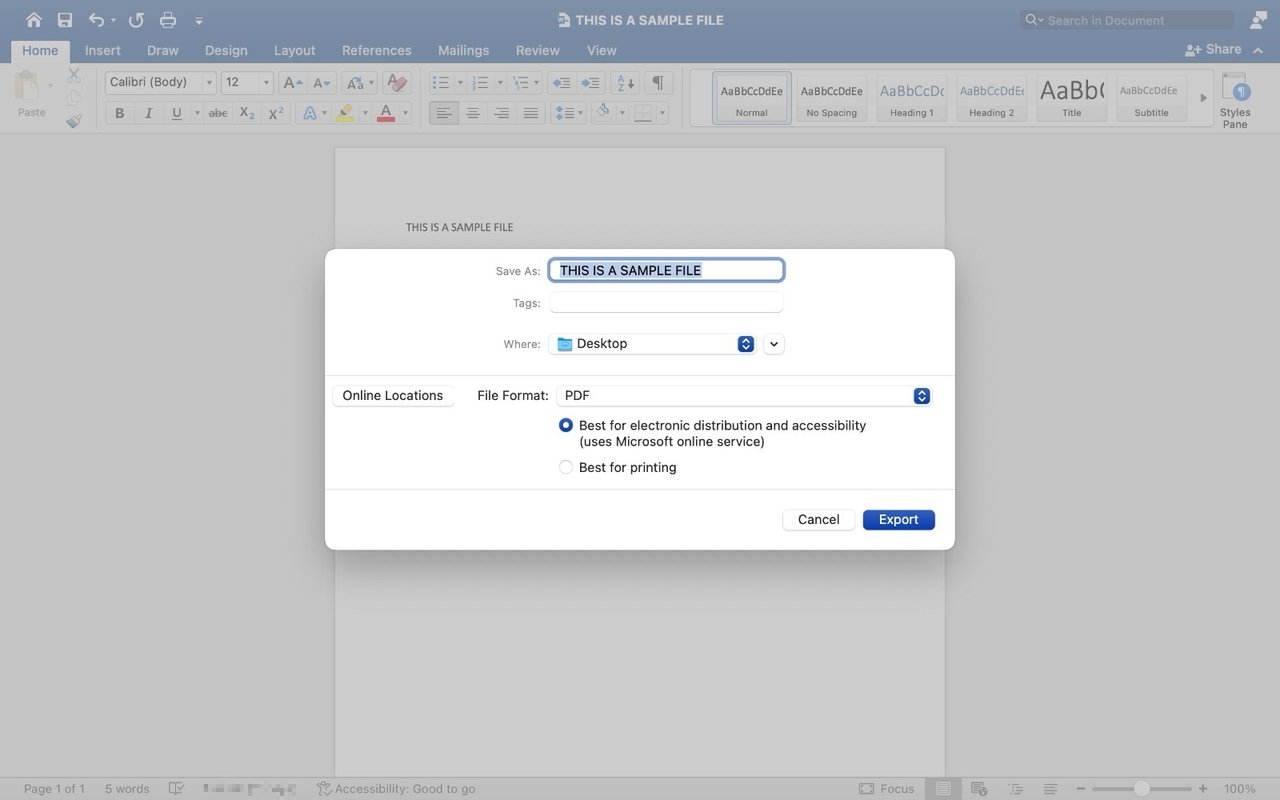
By choosing the first 'best for', you will be more prone to reduce the file size since the printing option gives importance to the resolution and quality of PDF files at maximum level.
After completing the process, you can convert your Word file into a PDF file with the help of another free tool, such as Convert Word to PDF.
You can be sure about the quality of your PDF files since we have chosen reliable sources for you to convert your files.
5. Compress PDF Files with Google Drive and Dropbox
This might sound cliche, but you cannot deny the process of uploading PDF files into Google Drive and Dropbox works.
To send your PDF files via email can be challenging depending on their sizes.
However, the key point is to find the best method to send them if you are not happy with the previous methods.
If you can send your PDF file through Gmail, you must have a Google account. Therefore, the important thing is to create a folder and upload the PDF file with the Google Drive link.
To share the link, you must choose the “Copy link” of the related PDF file.
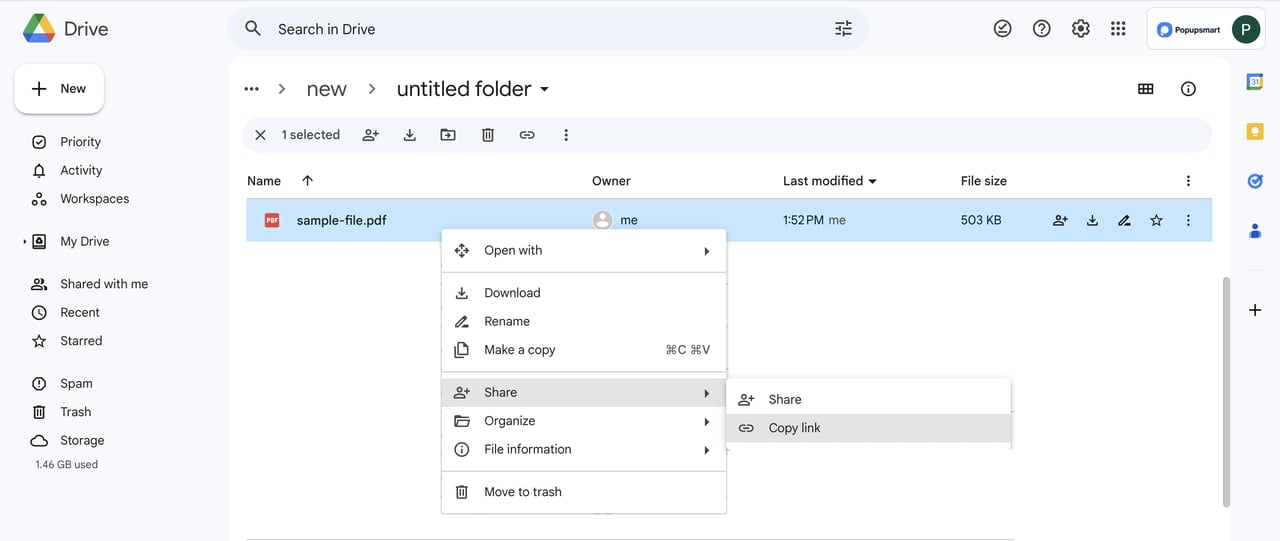
Or, if you have a Dropbox account, you can share your file by clicking on the “Share” option and copying the link.
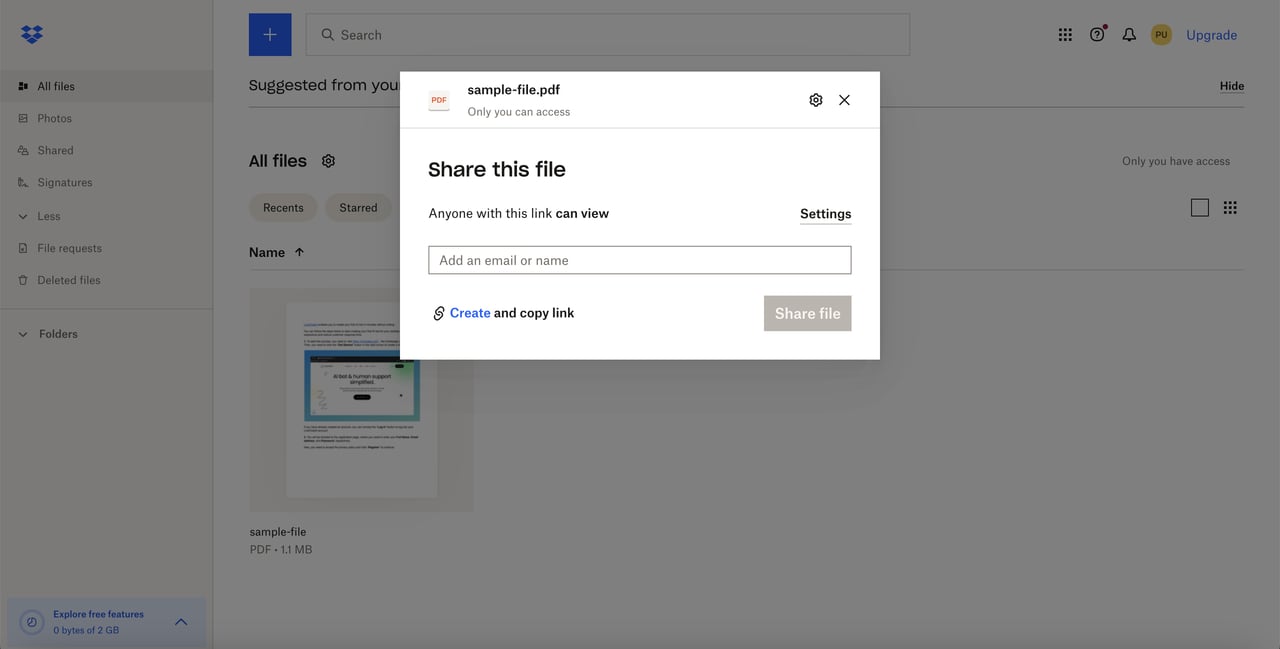
After copying these links, you should copy the link to your email or add it as an attachment.
6. Reduct PDF Files by Saving as “Reduced File Size”
This method is for specific devices as well.
If your PDF program is available, you can save your files after arranging the details.
Then, you should choose “Save As Reduced File Size” and save your file.
The script may change based on your PDF viewer program. While viewing your PDF, you should remember that the quality can decrease as well as the size of the PDF file.
Therefore, be sure of your PDF viewer program and compress it properly.
The Bottom Line
To conclude, reducing the size of PDF files helps communication get better and easier with a seamless process.
Optimizing the flow of sending smaller PDF files is critical for the sender and the recipient at the same time.
Thus, when you need to send PDF files, you will need to compress your PDF and send it accordingly.
This way, you will witness how your communications get easier and enhanced with a simple and effective movement.
Frequently Asked Questions
You might be familiar with the details of the PDF file size reduction, but these questions can clarify your points as well.
Let’s have a look at them!
How Can I Check the Size of PDF Files?
It is pretty simple. You need to find the target PDF file in the folder of your computer. Then, you should click your file to get info about it. The right-click is the most common one, but it can change based on your computer. Next, you will find the “Size” or the size is written next to the file name.
What is the Ideal Size of a PDF File for Sending Email?
It depends on the email service provider you are using. However, the average spans from 20 MB to 25 MB. Gmail, the widely-known and widely-used email service provider, supports PDF files up to 25 MB. Therefore, you can upload your PDF files up to that limit, or you need to compress your PDF files or find another way to share them.
Can Compressed PDF Files Be Opened on Mobile Devices?
Yes. Based on the methods we provide for you, your PDF files will be automatically mobile-friendly. The only concern you need to have is that you should compress your PDF files properly to send via email.
Recommended Blog Posts
We have related blog posts that you can find effective to use for PDF files and email marketing. If you want to check them out…
How would you rate your experience with this article? 😊